Artwork
Portfolio XVI, Plate 574: Paguate
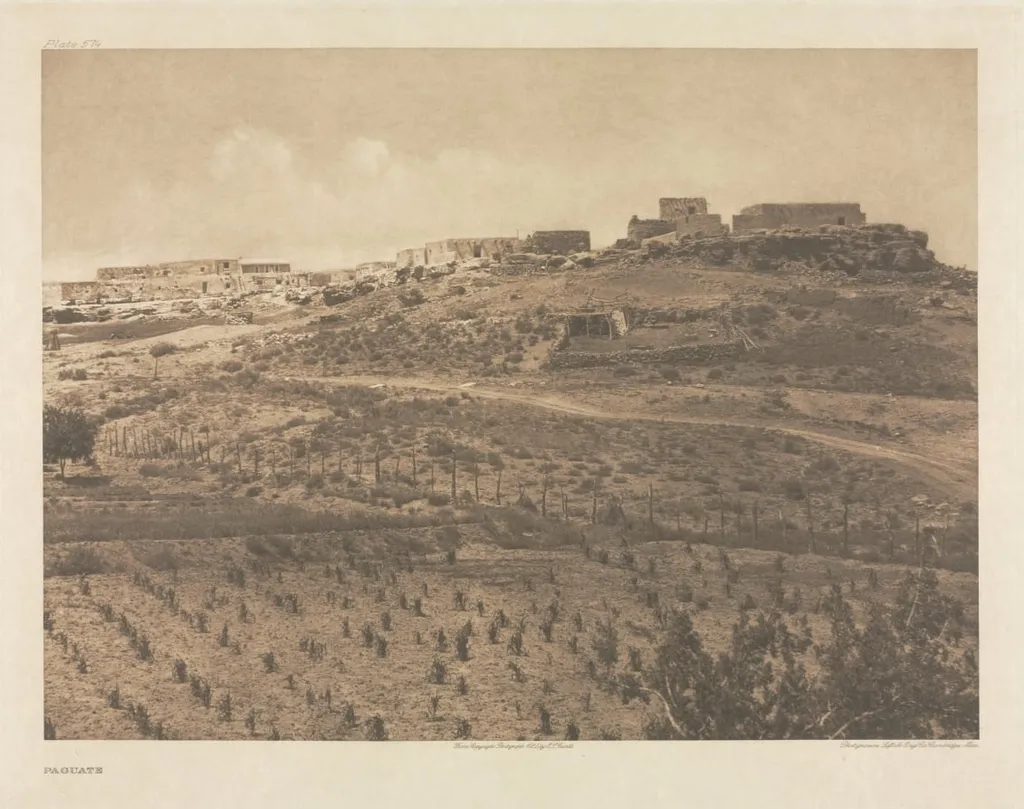
Portfolio XVI, Plate 574: Paguate is a work on paper by Edward S. Curtis. It dates from 1904 and is held in the collection of the Cleveland Museum of Art. Portfolio XVI, Plate 574, titled “Paguate,” is a photographic plate produced by Edward S.
About this work
The buildings on the hill look like ruins, but they might have been homes or storage spaces.
This photo shows a dry, rocky landscape with old stone buildings on a hill. Below, rows of small plants stretch across the land, and a dirt path winds through them. The sky is pale, and the whole scene looks quiet and empty.
The artist took this in 1904 as part of a project documenting Native American life. The buildings on the hill look like ruins, but they might have been homes or storage spaces.
Next, check out Edward S. Curtis (American, 1868–1952) to see more of his work.
Overview
Portfolio XVI, Plate 574, titled “Paguate,” is a photographic plate produced by Edward S. Curtis in 1904. The image is part of Curtis’s extensive visual record of Native American cultures and is currently in the collection of the Cleveland Museum of Art. It depicts a stark, arid terrain with stone structures perched on a rise, a narrow dirt track, and a sparse scattering of low vegetation beneath a muted sky.
Subject & Meaning
The photograph captures a desolate landscape where weathered stone buildings sit atop a hill, suggesting former habitation or storage facilities now in ruin. Below, thin rows of hardy plants and a winding path convey a sense of quiet persistence in an otherwise empty environment, hinting at the intersection of human settlement and the harshness of the surrounding desert.
Technique & Style
Curtis employed early 20th‑century photographic processes, likely a glass‑plate negative, to render fine tonal gradations across the scene. The composition balances vertical elements of the hill and structures with horizontal expanses of land, while the soft, pale sky creates a subdued atmosphere that emphasizes texture over dramatic lighting.
History & Provenance
Created during Curtis’s multi‑decade project to document Indigenous peoples of the United States, the plate was later acquired by the Cleveland Museum of Art, where it remains part of the museum’s photography holdings. Its inclusion in Portfolio XVI reflects Curtis’s systematic approach to cataloguing varied regional settings.
Context
The image was taken at Paguate, a settlement historically associated with the Pueblo peoples of New Mexico. In the early 1900s, such sites were undergoing significant change, and Curtis’s work aimed to preserve visual evidence of architecture and landscapes that were rapidly disappearing under federal policies and modernization.
Artist & collection

 Portfolio XVI, Plate 573: Acoma Water Girls
 Portfolio VIII, Plate 264: Lawyer - Nez Percé
 Portfolio XVI, Plate 568: Acoma Water Carriers
 Portfolio IV, Plate 147: Apsaroke War Group
 Portfolio IX, Plate 311: Basket Carrier
 Portfolio I, Plate 31: Nesjája Hatáli-Navaho
 Portfolio IV, Plate 140: A Mountain Fastness--Apsaroke
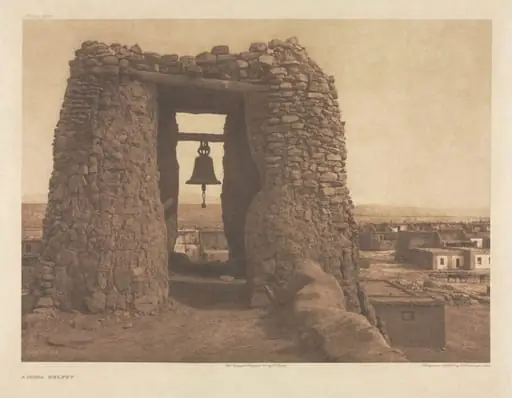 Portfolio XVI, Plate 564: Acoma Belfry
 Siloam from under S.E. Corner of Wall Jerusalem
![[Paisaje], by Unknown](https://artifactworldgallery.com/img/unknown--paisaje--826c08309e6528aa-w320.webp) [Paisaje]
[Paisaje] Bethlehem
 Convent of the Terra-Santa, Nazareth
 Moab Hills, Dead Sea & Judean Desert
 View of Luxor
 Portfolio XII, Plate 425: Mishongnovi
 Ali Keyl, Pewar Kotal
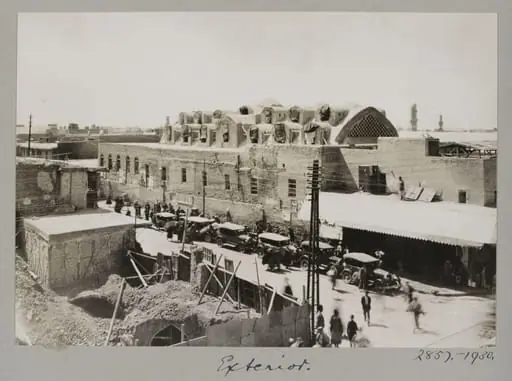 Khan Orthma also known by Khan Murjan, Bagdad
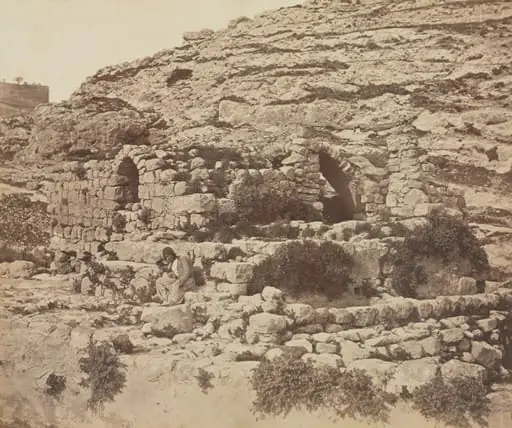 Well of Joab, Jerusalem
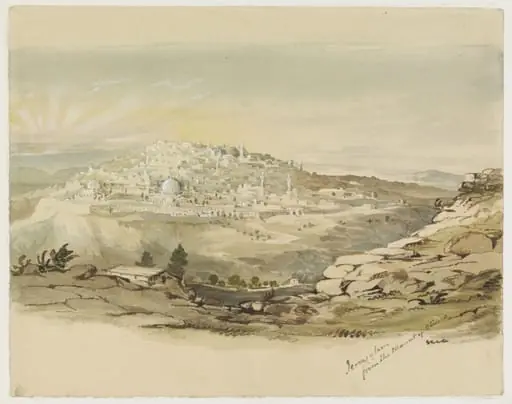 Jerusalem from the Mount of Olives
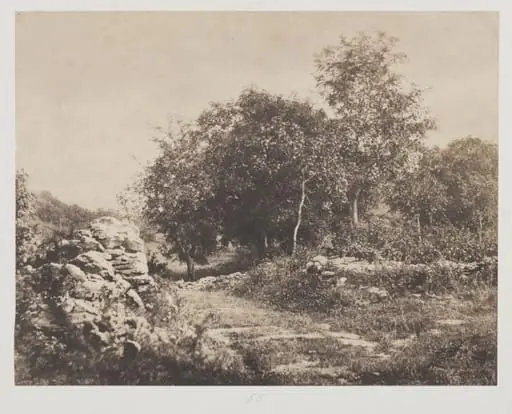 Untitled (Scene of Fontainebleau)