Artwork
Portfolio IX, Plate 311: Basket Carrier
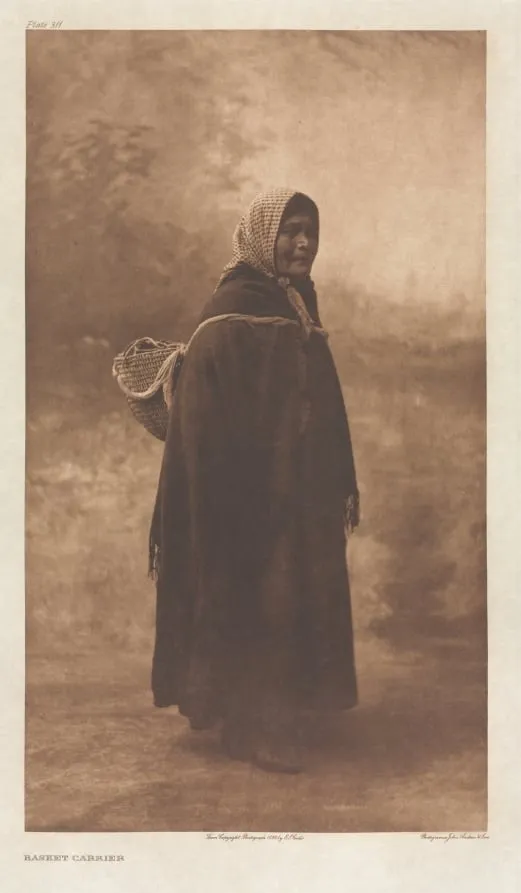
Portfolio IX, Plate 311: Basket Carrier is a work on paper by the Impressionist artist Edward S. Curtis. It dates from 1899 and is held in the collection of the Cleveland Museum of Art. Portfolio IX, Plate 311, titled “Basket Carrier,” is a photographic plate produced by Edward S.
About this work
The woman's attire and the basket suggest a rural or outdoor setting, possibly in the late 19th or early 20th century.
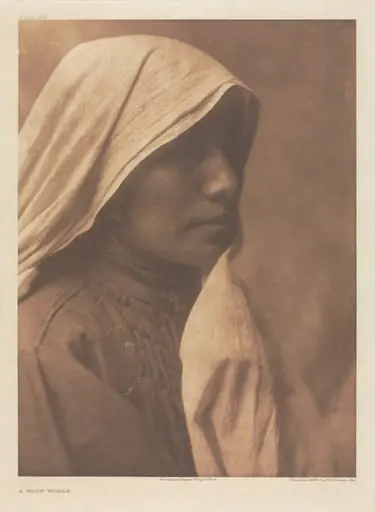
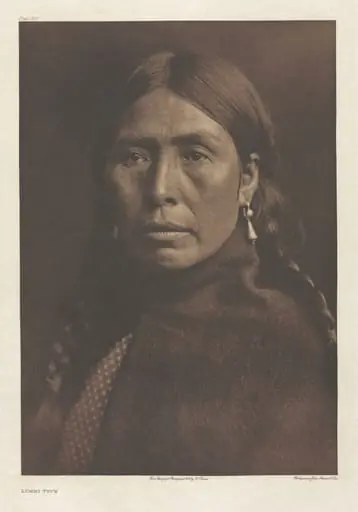
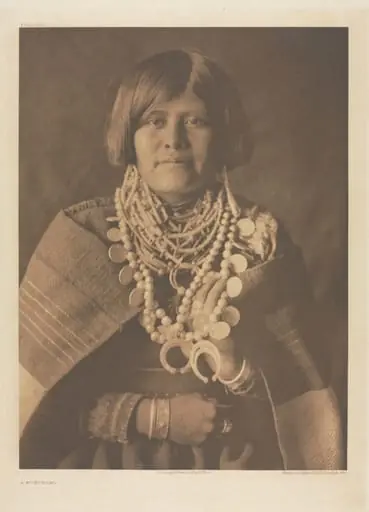
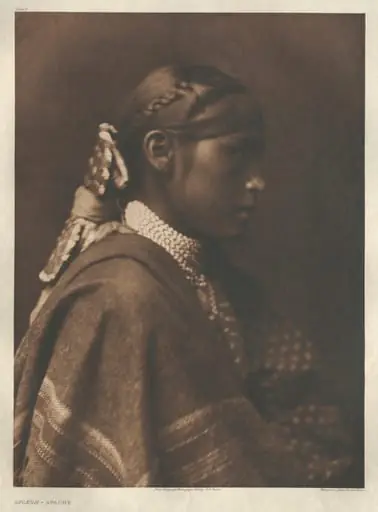
In the image, a woman stands in the center, wearing a long dark dress and a checkered headscarf. She carries a large basket on her back, secured with a strap that crosses her chest. The background is a blurred landscape of trees and grass.
The woman's attire and the basket suggest a rural or outdoor setting, possibly in the late 19th or early 20th century. The image has a sepia tone, which adds to its nostalgic and vintage feel.
The woman's expression is calm and serene, and the overall atmosphere of the image is one of quiet contemplation. The image invites the viewer to step into a bygone era and appreciate the beauty of a simpler time. To learn more about the artistic techniques used in this piece, explore the technique of chiaroscuro.
Overview
Portfolio IX, Plate 311, titled “Basket Carrier,” is a photographic plate produced by Edward S. Curtis in 1899. The image is part of the Cleveland Museum of Art’s collection and exemplifies Curtis’s documentary approach to rural life at the turn of the twentieth century.
Subject & Meaning
The composition centers on a solitary woman dressed in a dark, floor‑length gown and a patterned headscarf. She bears a sizable basket across her back, its strap crossing her chest, suggesting a routine of labor or transport. Her tranquil expression and the softened landscape behind her convey a moment of quiet endurance within a pastoral setting.
Technique & Style
Captured in sepia tone, the photograph employs the soft focus and careful lighting typical of Curtis’s early work, lending the scene a nostalgic atmosphere. The blurred foliage and grass in the background serve to isolate the figure, while the cross‑body strap is rendered with crisp detail, emphasizing both texture and function.
History & Provenance
Created at the close of the nineteenth century, the plate was later incorporated into Curtis’s larger portfolio series documenting Indigenous and rural American life. It entered the Cleveland Museum of Art’s holdings through acquisition (date unspecified), where it remains accessible for study and public viewing.
Artist & collection

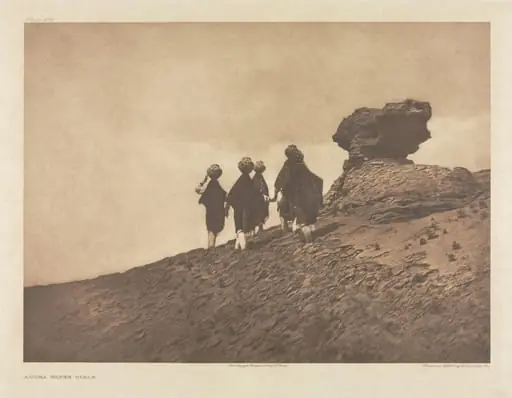 Portfolio XVI, Plate 573: Acoma Water Girls
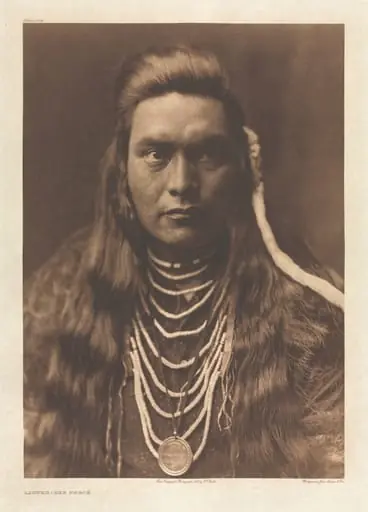 Portfolio VIII, Plate 264: Lawyer - Nez Percé
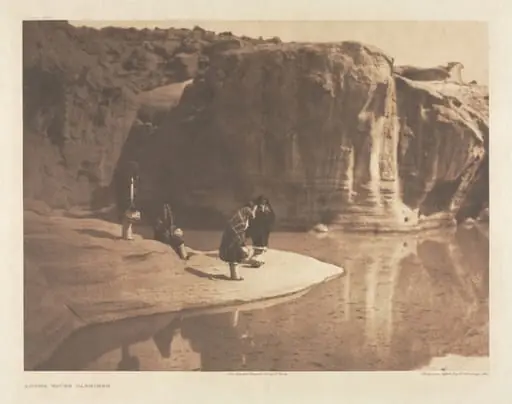 Portfolio XVI, Plate 568: Acoma Water Carriers
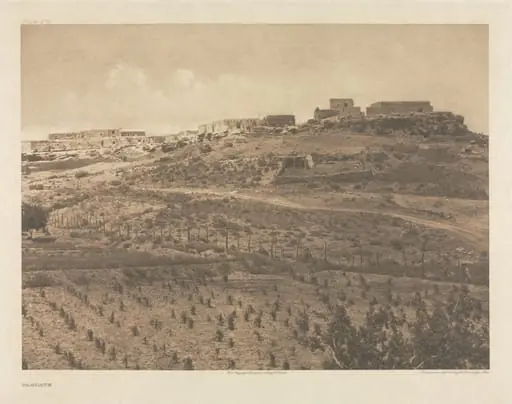 Portfolio XVI, Plate 574: Paguate
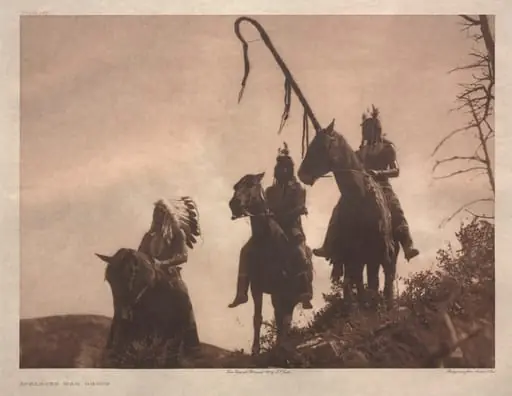 Portfolio IV, Plate 147: Apsaroke War Group
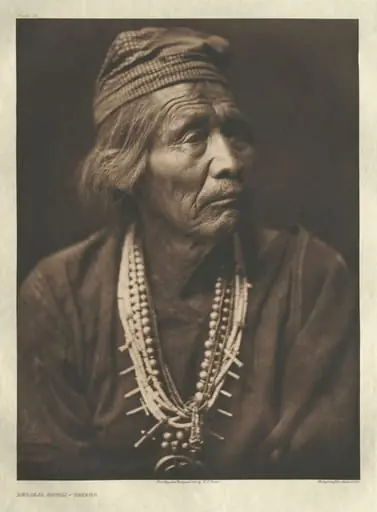 Portfolio I, Plate 31: Nesjája Hatáli-Navaho
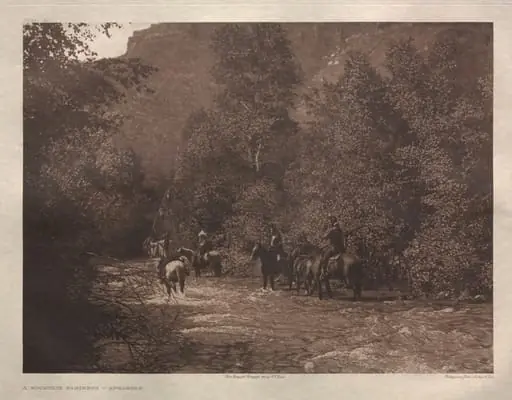 Portfolio IV, Plate 140: A Mountain Fastness--Apsaroke
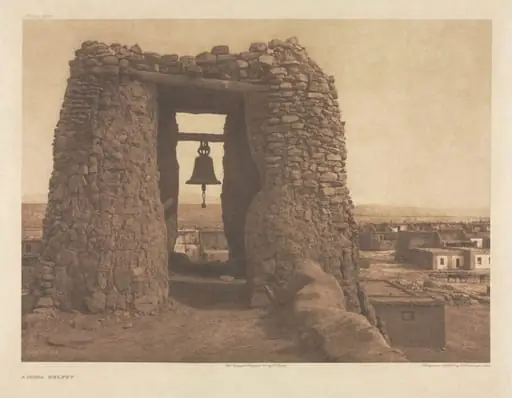 Portfolio XVI, Plate 564: Acoma Belfry