Artwork
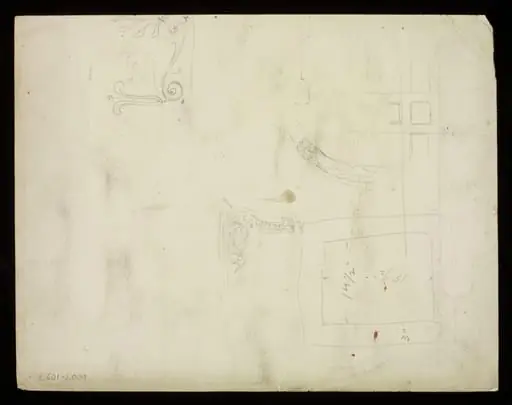
Study for Cab and Front Left Wheel of Coach and Study for Head of Crowned Figure Seated on Top of Coach (verso)
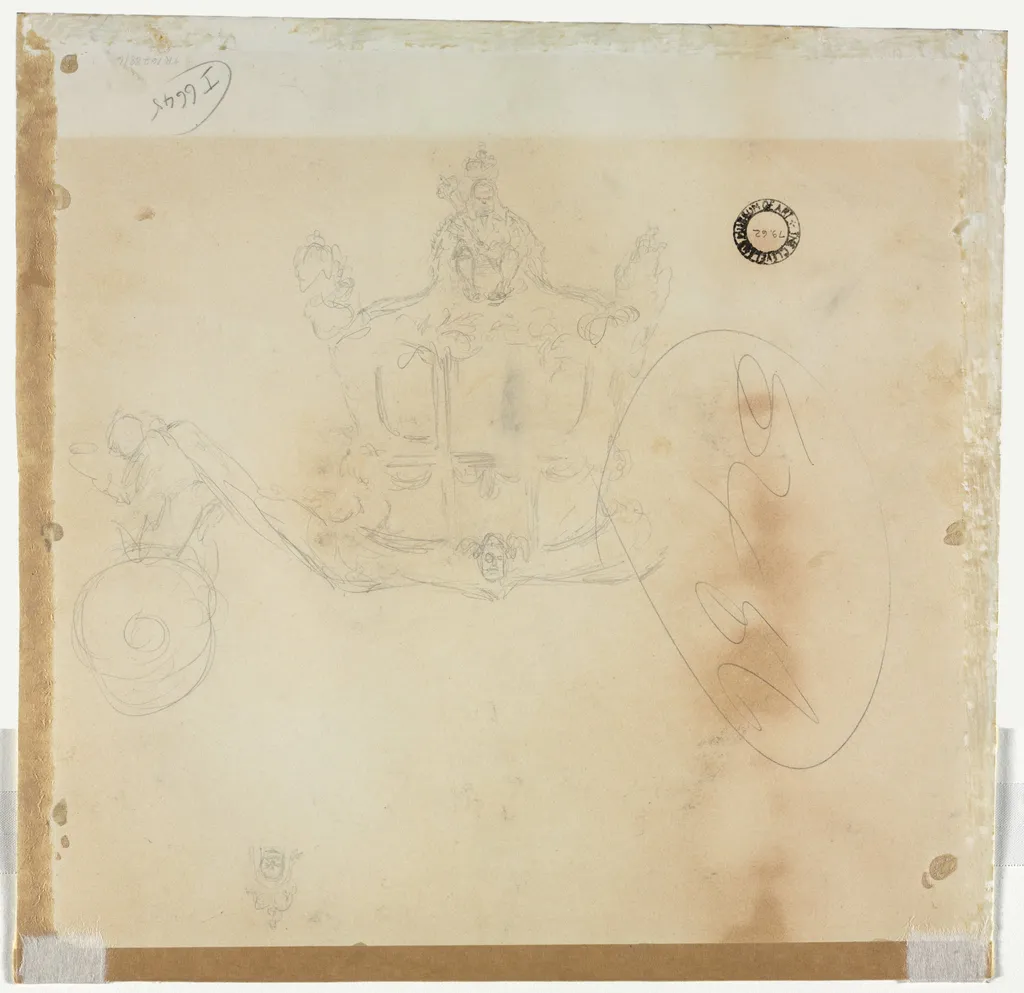
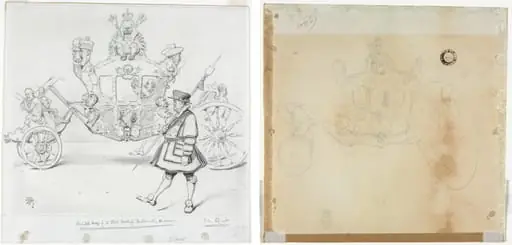
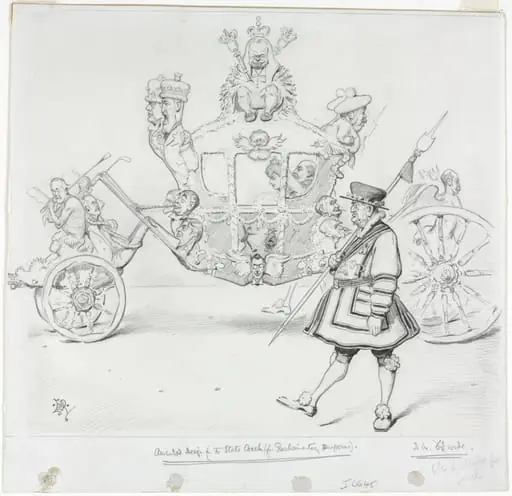
Study for Cab and Front Left Wheel of Coach and Study for Head of Crowned Figure Seated on Top of Coach (verso) is a drawing by the Impressionist artist Edward Tennyson Reed. It dates from 1911 and is held in the collection of the Cleveland Museum of Art.
About this work
Overview
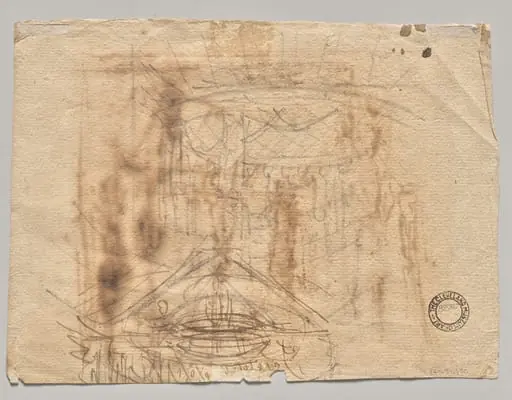
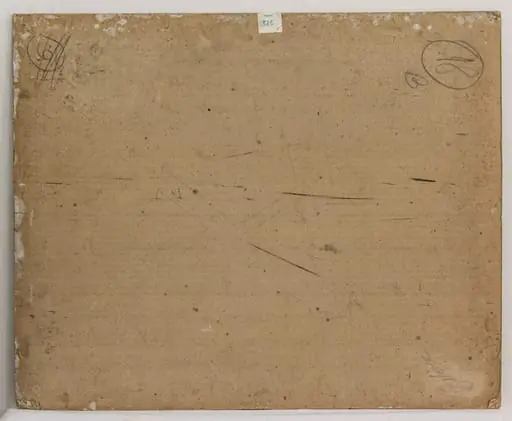
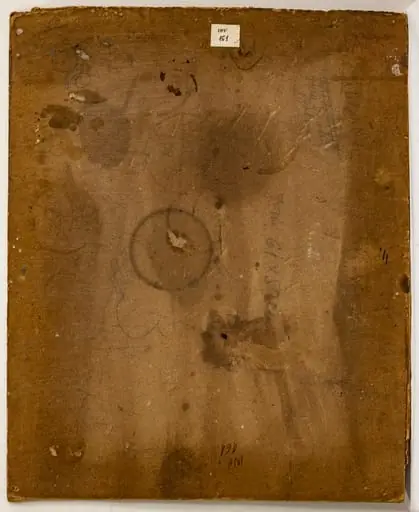
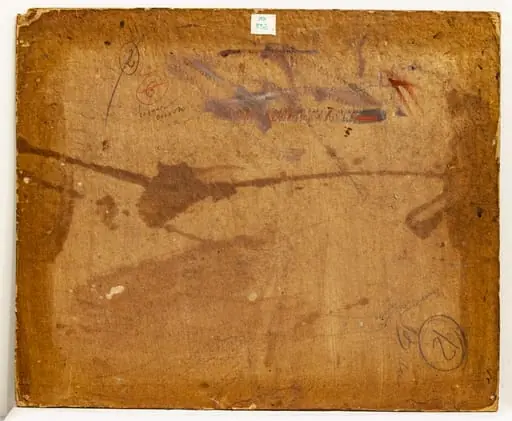
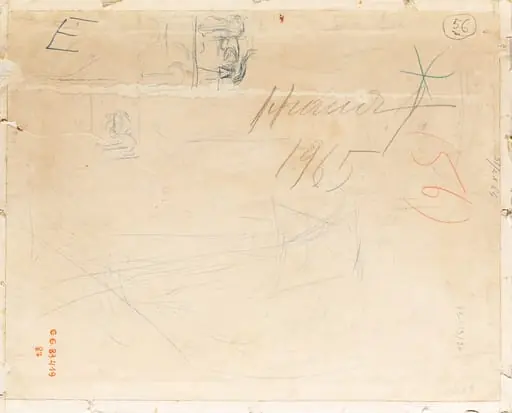
The paper bears signs of age, including faint stains and a museum stamp, confirming its role as a study preserved for its historical value.
This double-sided drawing by Edward Tennyson Reed, dated 1911, captures preliminary observations for a larger composition. One side depicts the front left wheel and undercarriage of a coach, while the reverse shows a crowned figure seated atop it. Executed in ink with loose, rapid strokes, the work reflects an artist’s working process rather than a polished final image. The paper bears signs of age, including faint stains and a museum stamp, confirming its role as a study preserved for its historical value.
Subject & Meaning
The figures and vehicle suggest a ceremonial or allegorical scene, possibly tied to a public procession or historical narrative. The crowned figure, though simplified, implies authority or royalty, while the coach’s ornate structure hints at aristocratic or imperial context. Neither element is fully resolved, indicating Reed was exploring symbolic weight and spatial arrangement before committing to a final design. The sketch’s ambiguity preserves its function as a visual thought, not a statement.
Technique & Style
Reed employed swift, economical linework to capture form without detail. The coach’s mechanical elements are reduced to suggestive contours, while the seated figure receives slightly more attention but remains gestural. The ink flows freely, with varying pressure creating texture and depth. No shading or erasures are evident, suggesting spontaneity. The paper’s texture and wear further emphasize the drawing’s immediacy as a working tool rather than a finished artifact.
History & Provenance
The drawing entered the collection of The Cleveland Museum of Art, where it is cataloged as part of a broader archive of Reed’s preparatory works. Its survival reflects institutional interest in the creative process behind illustrated journalism and editorial art of the early 20th century. The museum’s stamp and the paper’s condition indicate it has been carefully stored since acquisition, though its origins prior to institutional ownership remain undocumented.
Context
Reed was a prominent illustrator for British periodicals such as Punch, where rapid visual thinking was essential. This study aligns with the demands of editorial illustration, where artists needed to quickly visualize complex scenes for publication. The sketch’s informal nature mirrors the fast-paced workflow of newspaper art departments, where ideas were tested on paper before being refined for print. Such studies were rarely intended for public display.
Legacy
Though not a finished work, this drawing offers insight into the iterative methods of early 20th-century illustrators. It preserves the transition from abstract notion to structured composition, a process often lost in published results. As part of the museum’s collection, it contributes to scholarly understanding of how visual narratives were constructed in an era before photography dominated illustration.
Artist & collection

Artist
Edward Tennyson Reed (1860–1933) was an English political cartoonist and illustrator, primarily known for his cartoons in Punch.