Artwork
Nürnberg
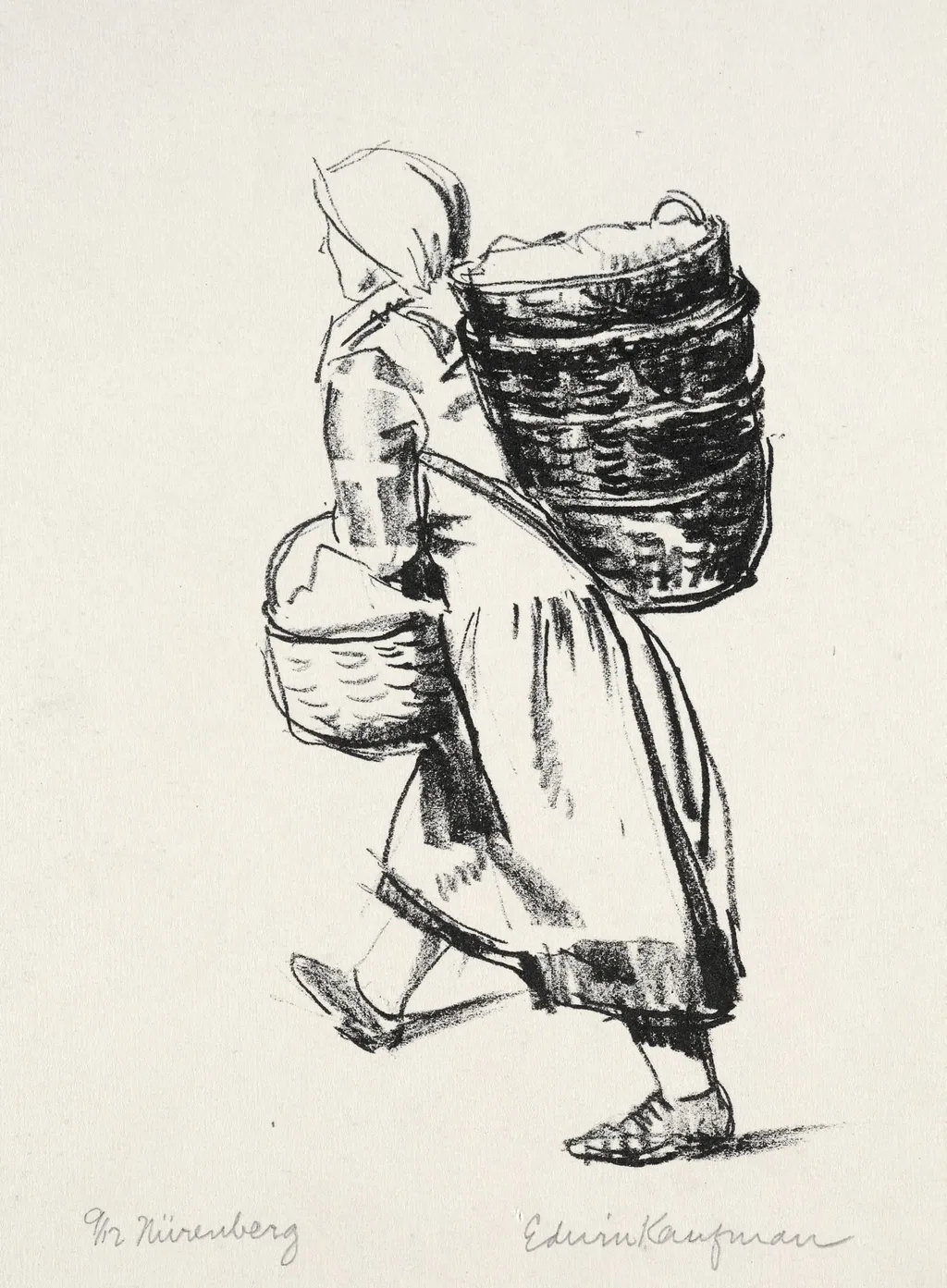
Nürnberg is a print by Edwin Kaufman. It dates from 1932 and is held in the collection of the Cleveland Museum of Art.
About this work
You can learn more about this style by looking at the work of the artist: Edwin Kaufman (American, 1906–1939).
The painting shows a city scene, possibly a street in Cleveland.
It looks old and quiet, with buildings and streets that seem empty.
The artist might have been interested in showing everyday life in Ohio.
The painting has a simple style, with basic shapes and colors.
It doesn't have many details, but that makes it feel calm and peaceful.
The artist's choice of colors and shapes creates a sense of simplicity.
You can learn more about this style by looking at the work of the artist: Edwin Kaufman (American, 1906–1939).
Overview
Nürnberg, created around 1932 by American artist Edwin Kaufman, is a print depicting an urban landscape. Though the title references a German city, the scene likely reflects a quiet street in Cleveland, Ohio. The work is part of the collection at The Cleveland Museum of Art and exemplifies Kaufman’s interest in modest, everyday environments during the early 20th century.
Subject & Meaning
The image portrays an empty urban street lined with simple, unadorned buildings. There is no human presence, no movement, and no overt narrative. This stillness suggests a contemplative view of ordinary life, emphasizing solitude and the quiet rhythm of municipal spaces. Kaufman’s focus on the mundane may reflect a broader interest in the dignity of overlooked places.
Technique & Style
Kaufman employed a reductive visual language, using flat planes of color and minimal detail to construct the scene. Forms are simplified into geometric shapes, and the palette is muted, favoring soft grays, browns, and muted blues. The absence of intricate textures or shading contributes to a serene, almost meditative atmosphere, aligning with early modernist tendencies toward abstraction.
History & Provenance
Created during Kaufman’s brief but active career, Nürnberg was produced around 1932, near the end of his life. The work entered the collection of The Cleveland Museum of Art, where it remains today. Its preservation suggests recognition of its quiet significance within regional modernist printmaking, though Kaufman’s broader oeuvre remains relatively understudied.
Context
Kaufman worked during a period when American artists were turning away from European traditions toward distinctly local subjects. In Ohio, a group of regionalists and modernists explored industrial and urban scenes with emotional restraint. Nürnberg fits within this trend, offering a subdued counterpoint to the more dramatic depictions of the era.
Legacy
Though Edwin Kaufman died young in 1939, his prints like Nürnberg contribute to a lesser-known strand of American modernism that valued stillness over spectacle. The work continues to be referenced in studies of regional printmaking, offering insight into how quiet observation shaped artistic responses to the American city in the early 20th century.
Artist & collection

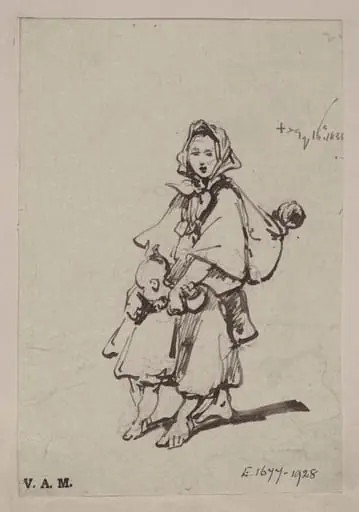 A boatwoman with two children, one of them strapped to her back
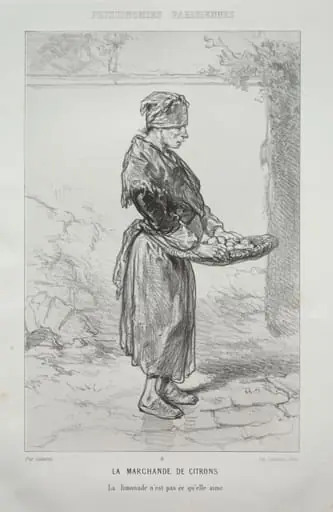 La Marchande de Citrons
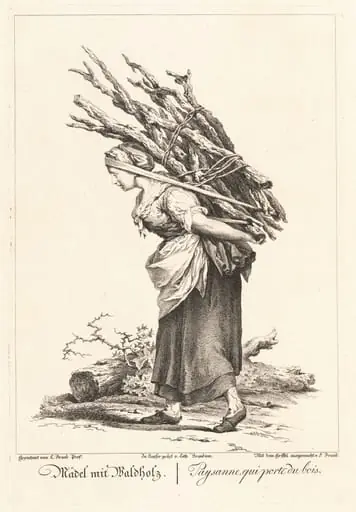 Mädel mit Waldholz (Peasant Girl Carrying Wood)
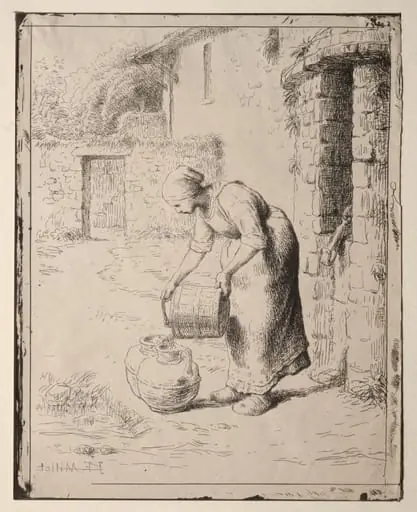 A Woman Emptying a Bucket
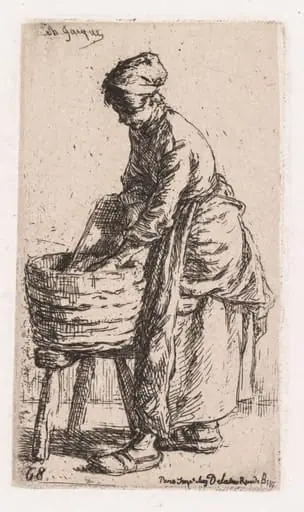 Washerwoman
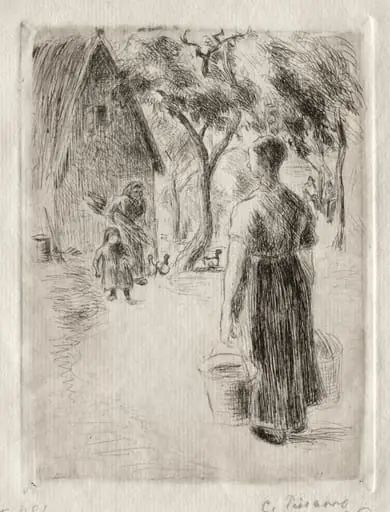 Peasant Woman Carrying Buckets
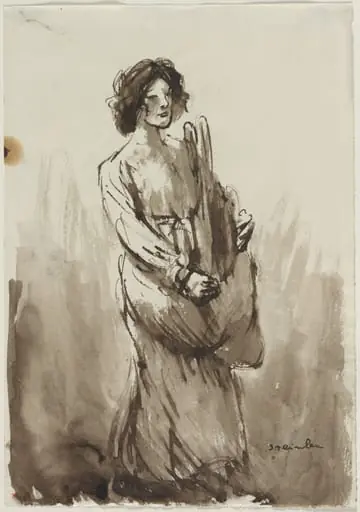 The Bread Carrier
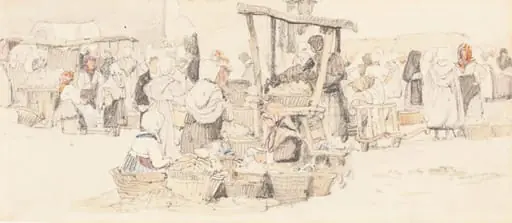 An Outdoor Market
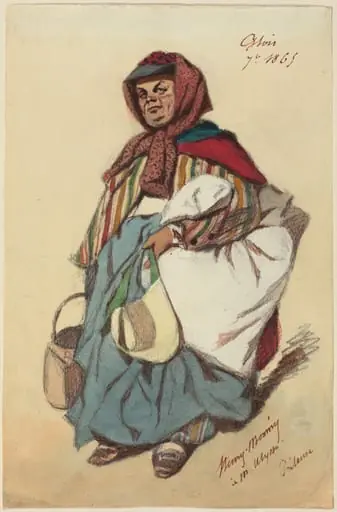 Artois
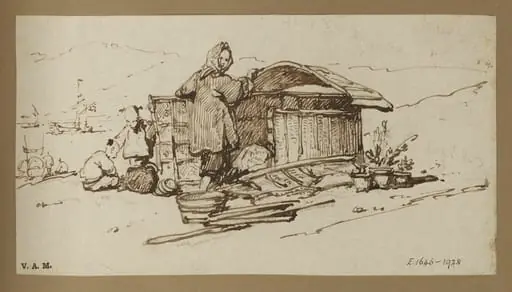 Chinese boatpeople by a makeshift dwelling on the shore
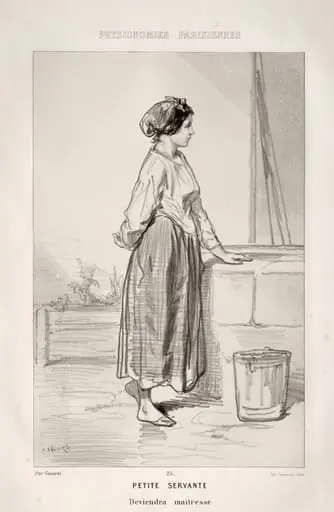 Petite Servante
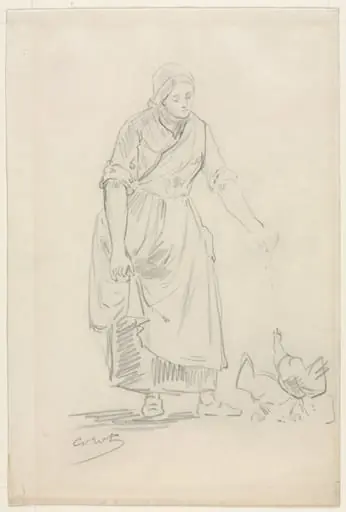 Peasant Girl Feeding Chickens