Artwork
Jokilaakso
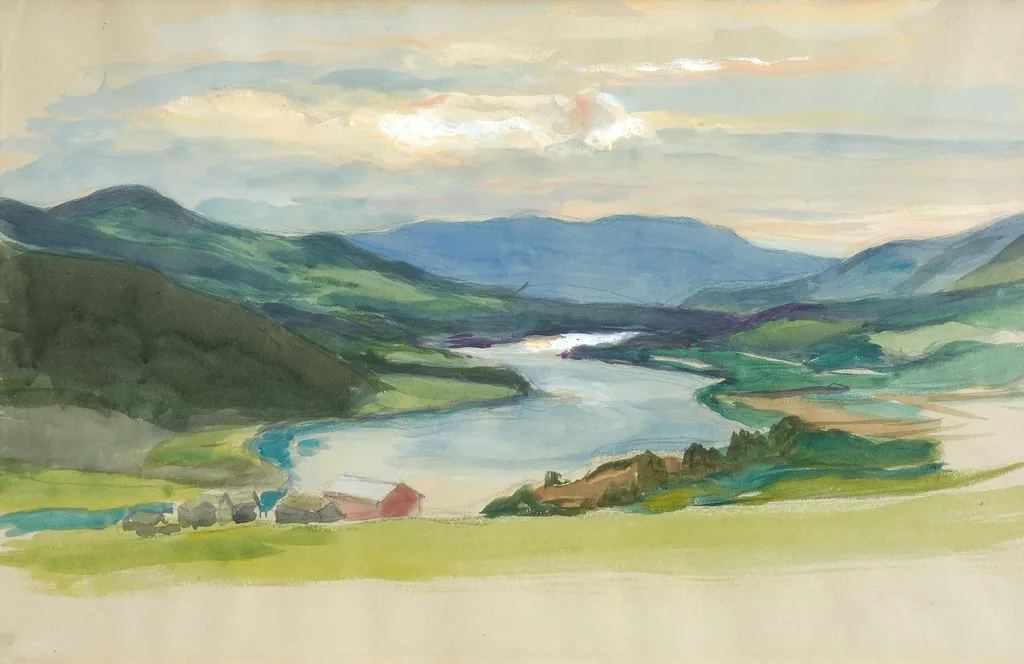
Jokilaakso is a photography by Eero Järnefelt. It dates from 1910 and is held in the collection of the Järvenpää Art Museum.
About this work
Overview
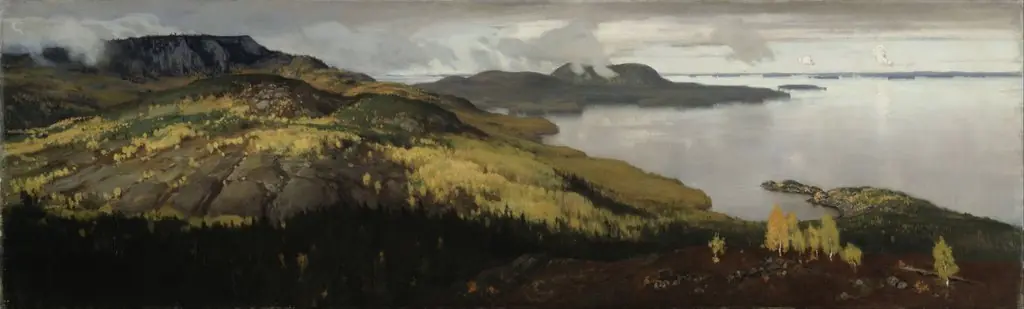
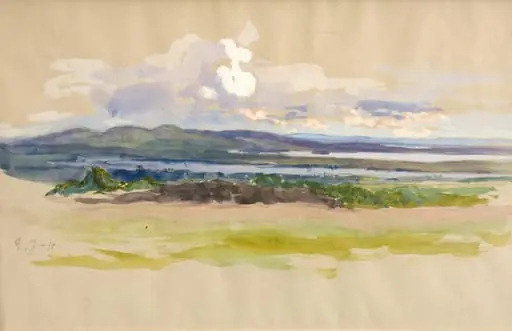
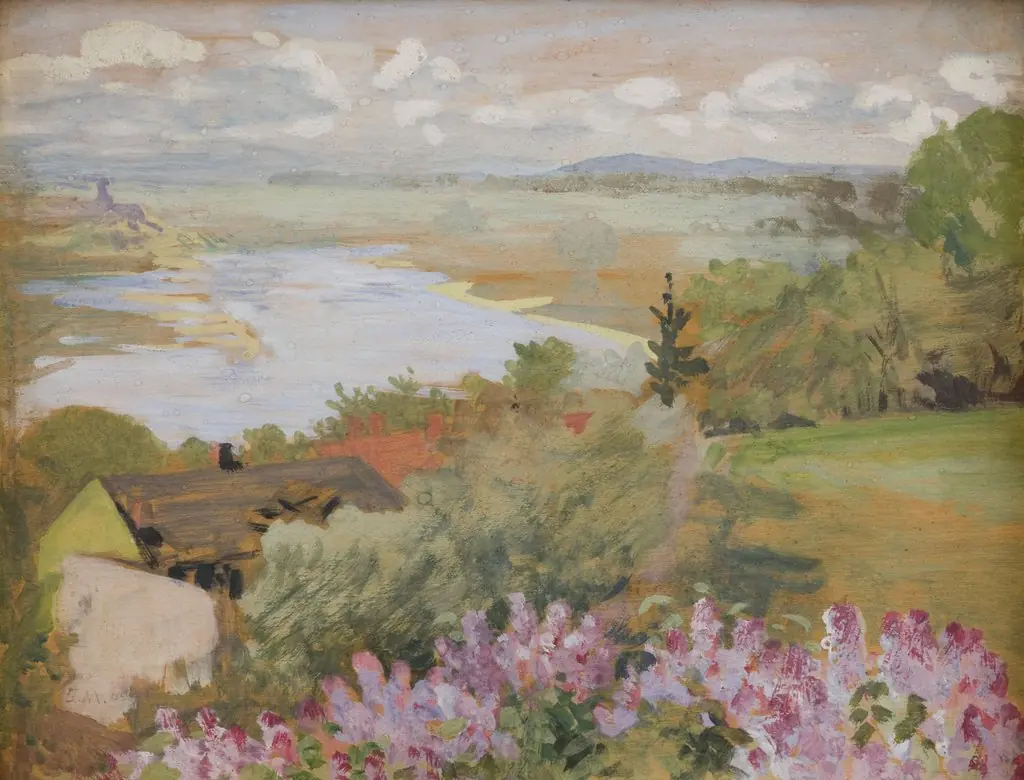
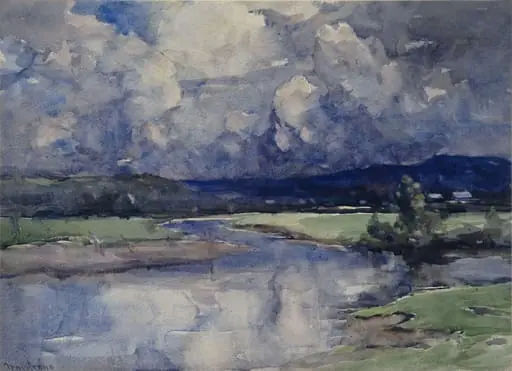
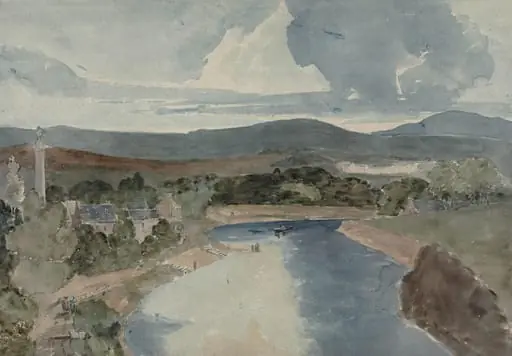
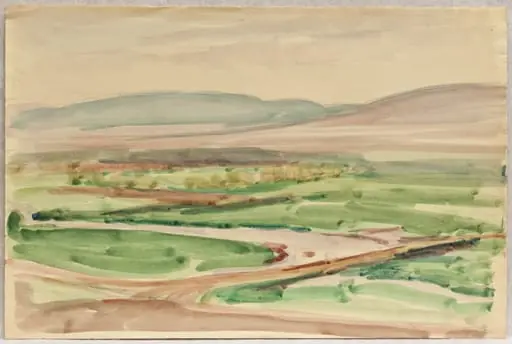
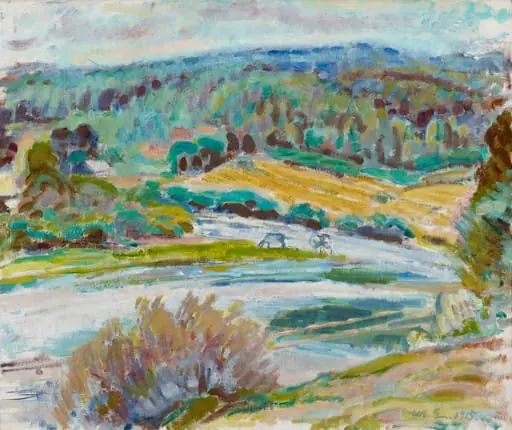
The composition centers on a gentle valley carved by a meandering river, flanked by low hills and scattered dwellings.
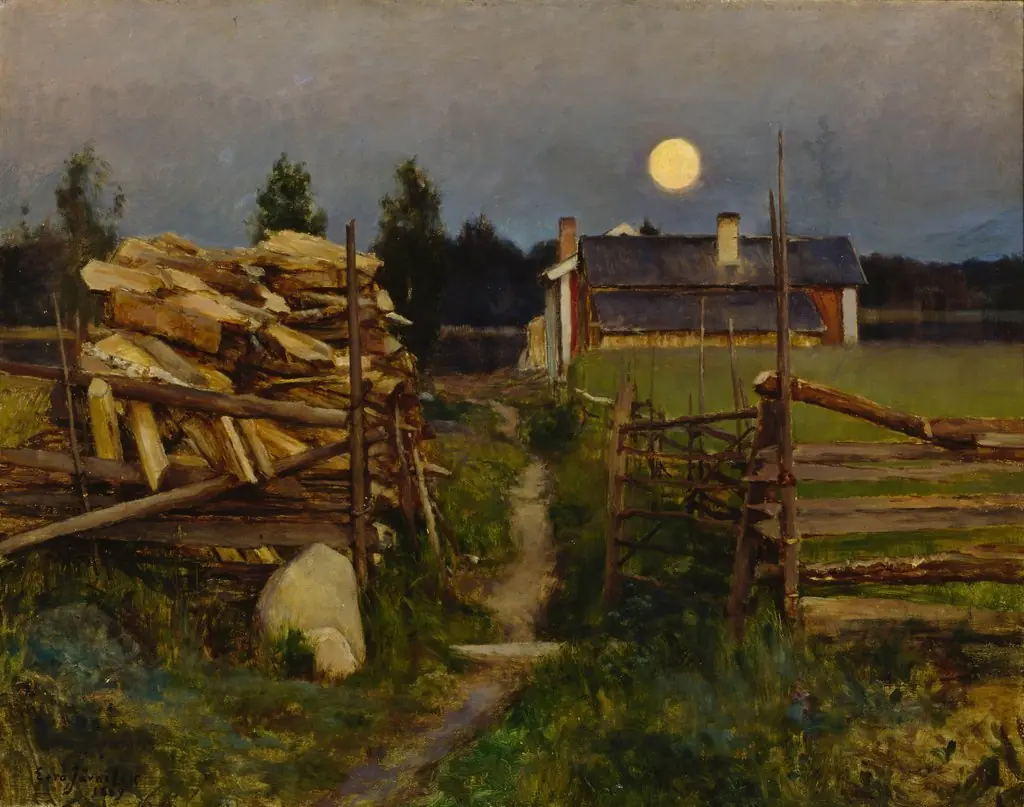
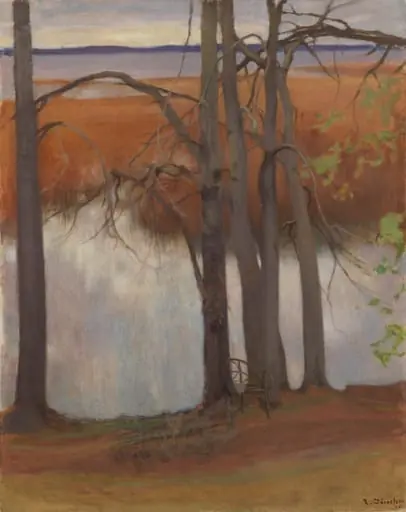
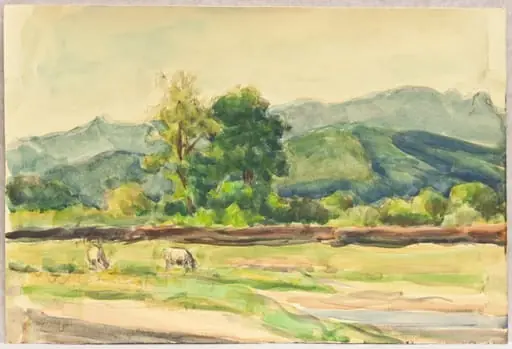
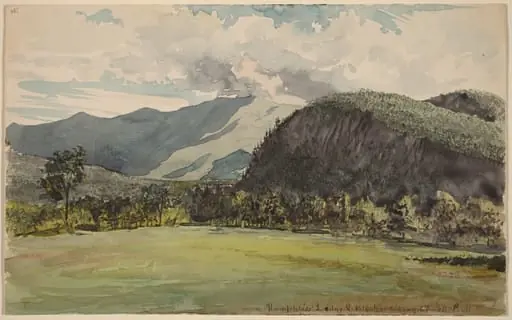
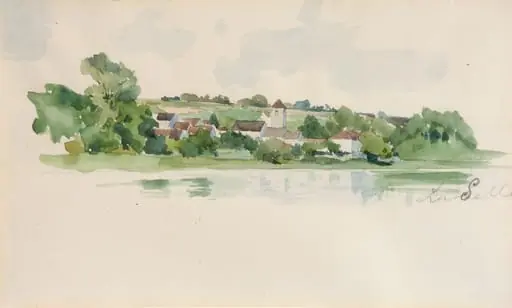
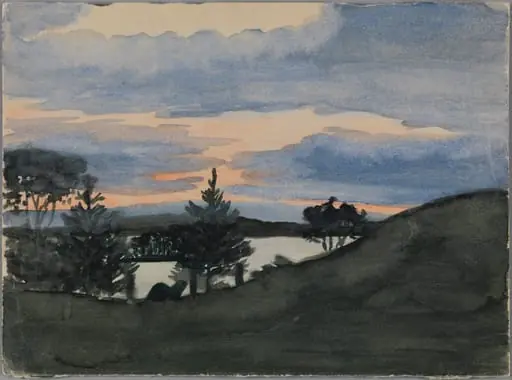
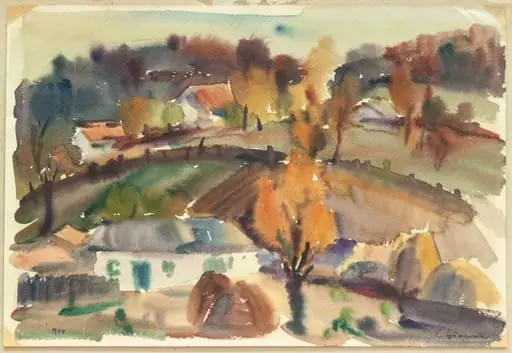
Painted around 1910 by Eero Järnefelt, Jokilaakso captures a quiet Finnish landscape in soft, muted tones. The composition centers on a gentle valley carved by a meandering river, flanked by low hills and scattered dwellings. The atmosphere is subdued, with no figures or overt drama, emphasizing stillness and solitude. The work reflects Järnefelt’s interest in natural light and rural life, rendered with a sensitivity to seasonal calm.
Subject & Meaning
The scene depicts a modest rural valley in southern Finland, likely near the Jokilaakso region, known for its tranquil waterways and scattered homesteads. The absence of human activity and the quiet integration of buildings into the land suggest harmony between settlement and nature. The painting conveys a sense of enduring peace, not as an idealized vision, but as an observed reality of everyday rural existence.
Technique & Style
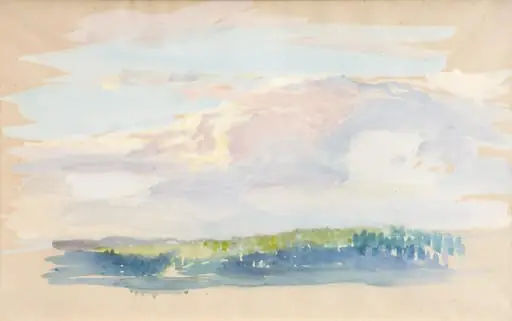
Järnefelt employed loose, fluid brushwork that suggests watercolor influences, with thin layers of paint allowing the canvas to show through in places. Colors are restrained—pale greens, soft blues, and pale yellows—accented by subtle shadows in the hills. The sky is lightly brushed with wisps of cloud, enhancing the sense of air and openness. The technique avoids detail, favoring impressionistic suggestion over precision.
History & Provenance
Created during Järnefelt’s mature period, Jokilaakso was likely painted after his earlier, more socially focused works. It reflects his shift toward landscape as a subject of quiet contemplation. The painting remained in private Finnish collections for much of the 20th century before entering a public museum’s holdings, where it is now preserved as part of Finland’s national artistic record.
Context
In early 20th-century Finland, landscape painting became a vehicle for expressing national identity, especially as the country moved toward independence. Järnefelt’s work, while not overtly political, contributed to this cultural current by portraying the Finnish countryside with dignity and restraint. His approach contrasted with romanticized depictions, favoring understated observation over dramatic effect.
Legacy
Jokilaakso exemplifies Järnefelt’s later style, influencing Finnish artists who sought to capture the nation’s natural quietude without embellishment. Though less known internationally, the painting holds significance in Finland for its honest rendering of rural terrain and its role in shaping a visual language of national landscape. It remains a reference point for artists interested in atmospheric, non-narrative scenery.
Artist & collection

Artist
Erik "Eero" Nikolai Järnefelt was a Finnish painter and art professor. He is best known for his portraits and landscapes of the area around Koli National Park, in the North Karelia region of Finland. He was a medal…