Artwork
Circe Punishes Glaucus by Turning Scylla into a Monster
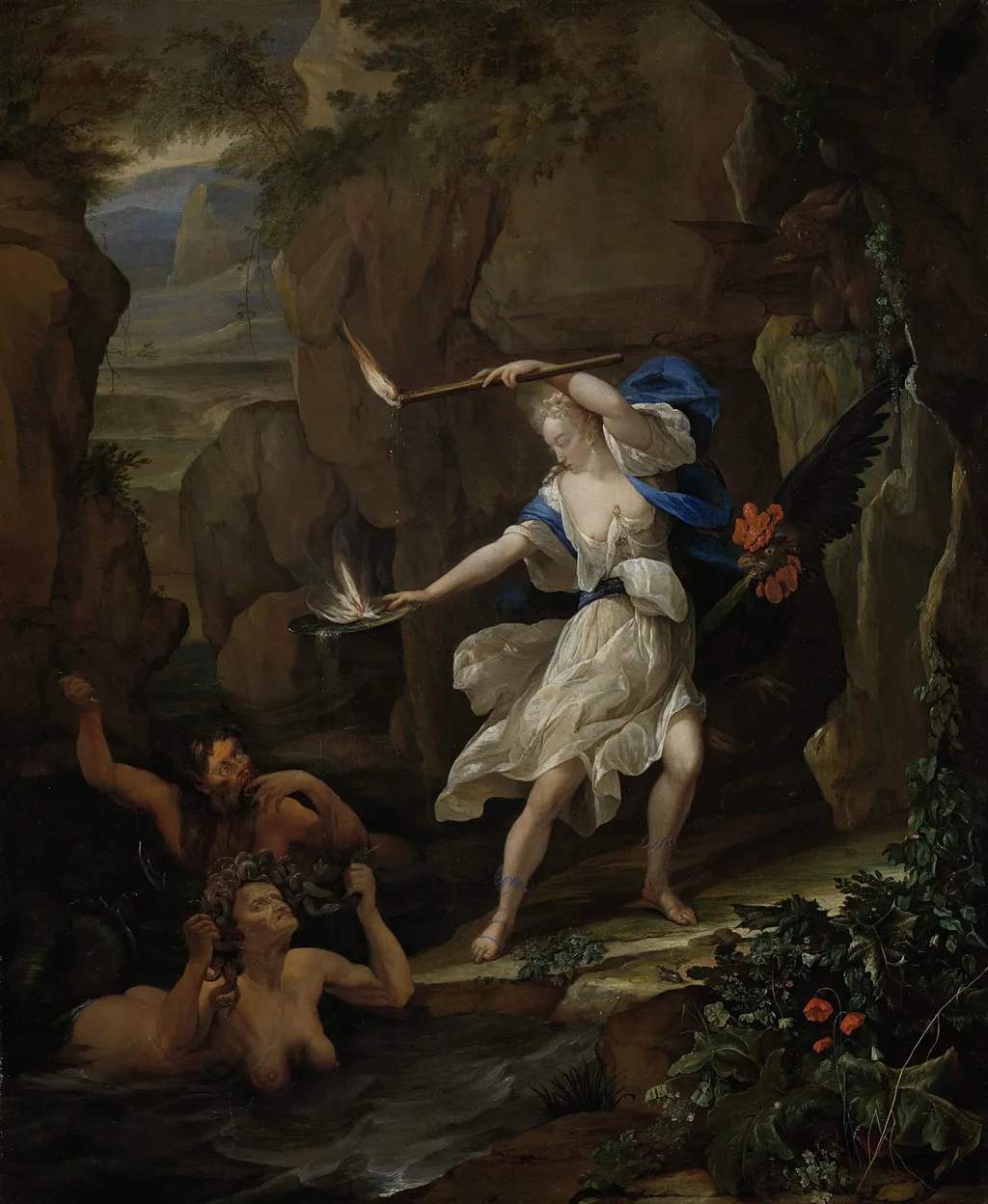
Circe Punishes Glaucus by Turning Scylla into a Monster is an oil painting by the Dutch Golden Age artist Eglon van der Neer. It dates from 1698 and is held in the collection of the Rijksmuseum.
About this work
Overview
Circe Punishes Glaucus by Turning Scylla into a Monster is an oil painting created by Dutch artist Eglon van der Neer in 1698. It belongs to the Dutch Golden Age, characterized by the Netherlands' prolific artistic production during that era.
Subject & Meaning
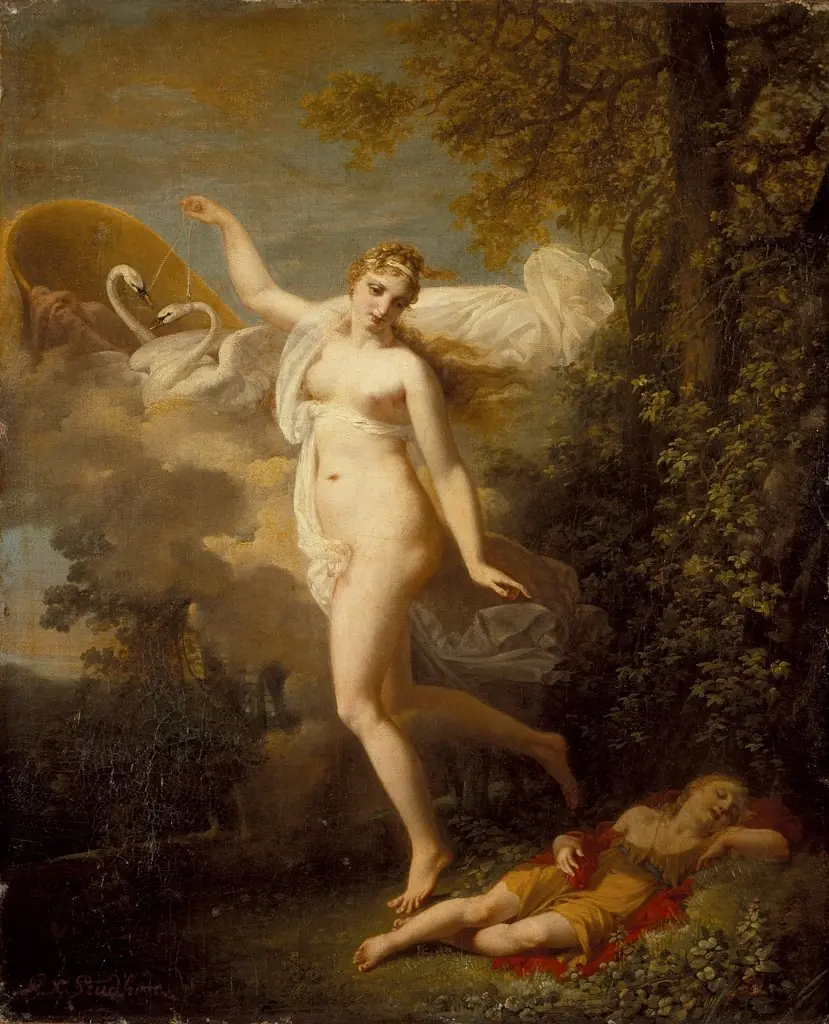
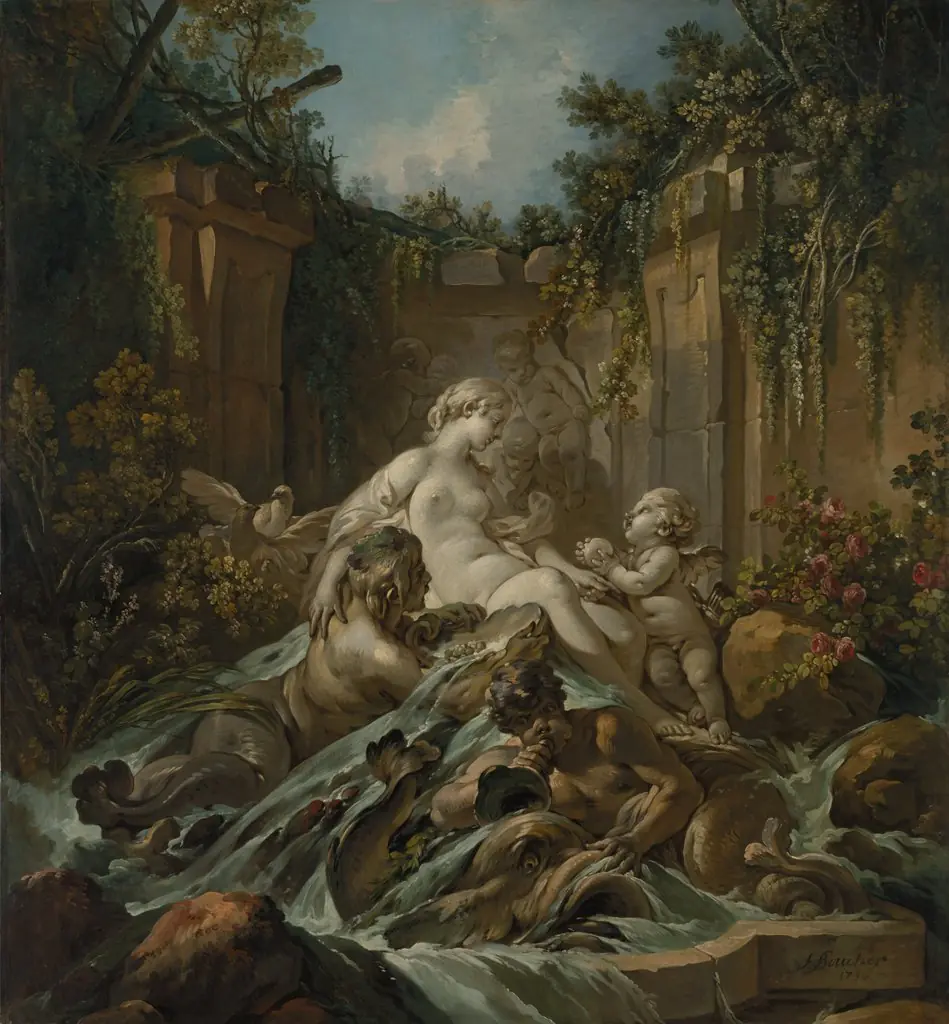
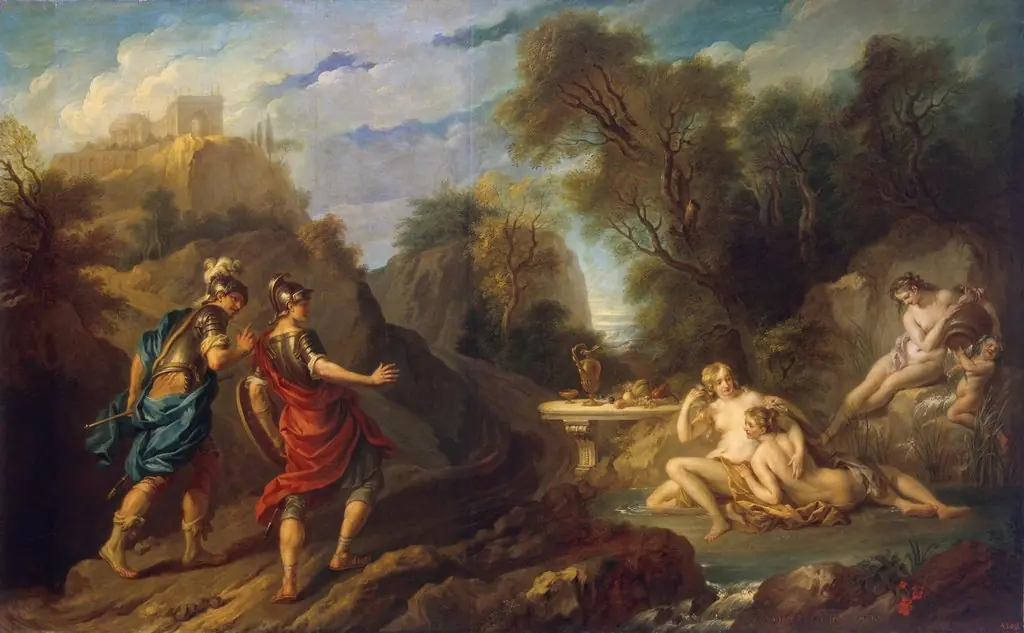
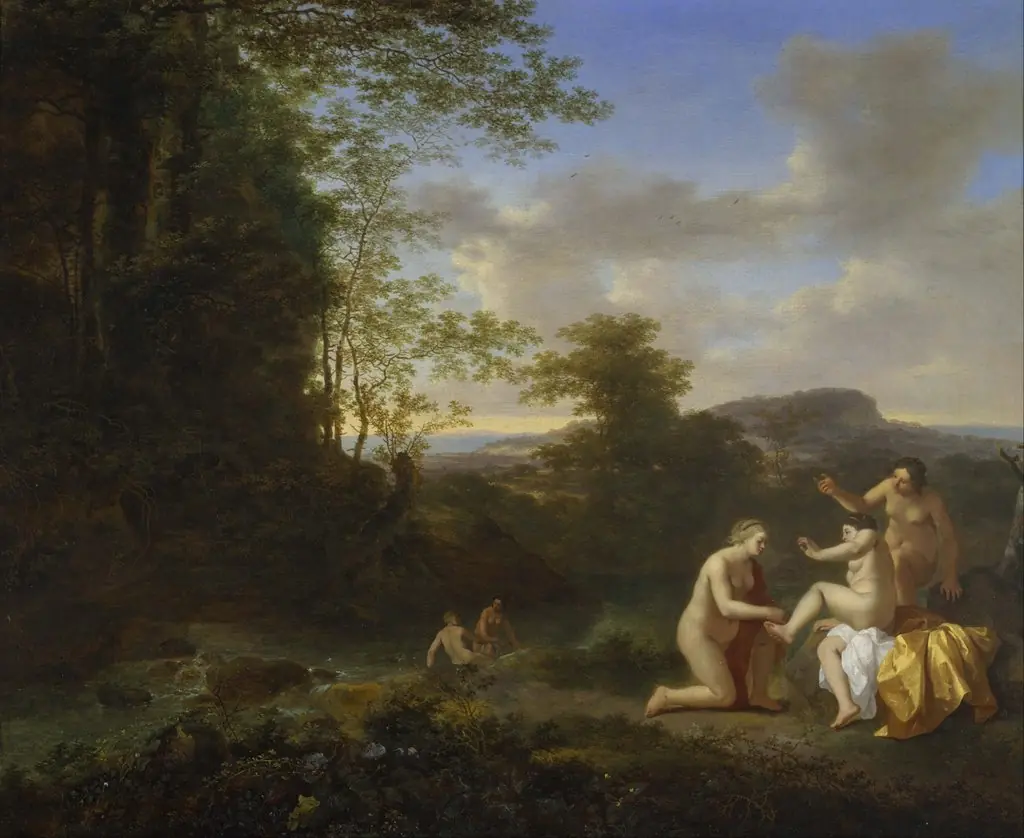
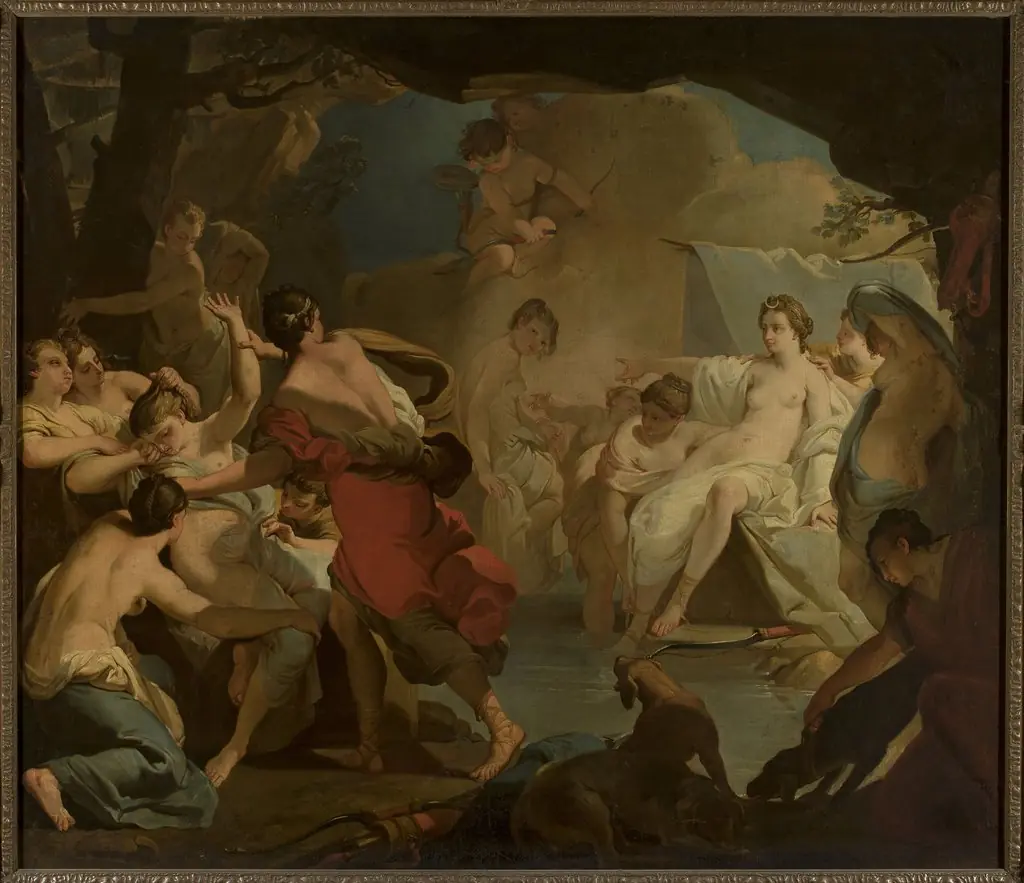
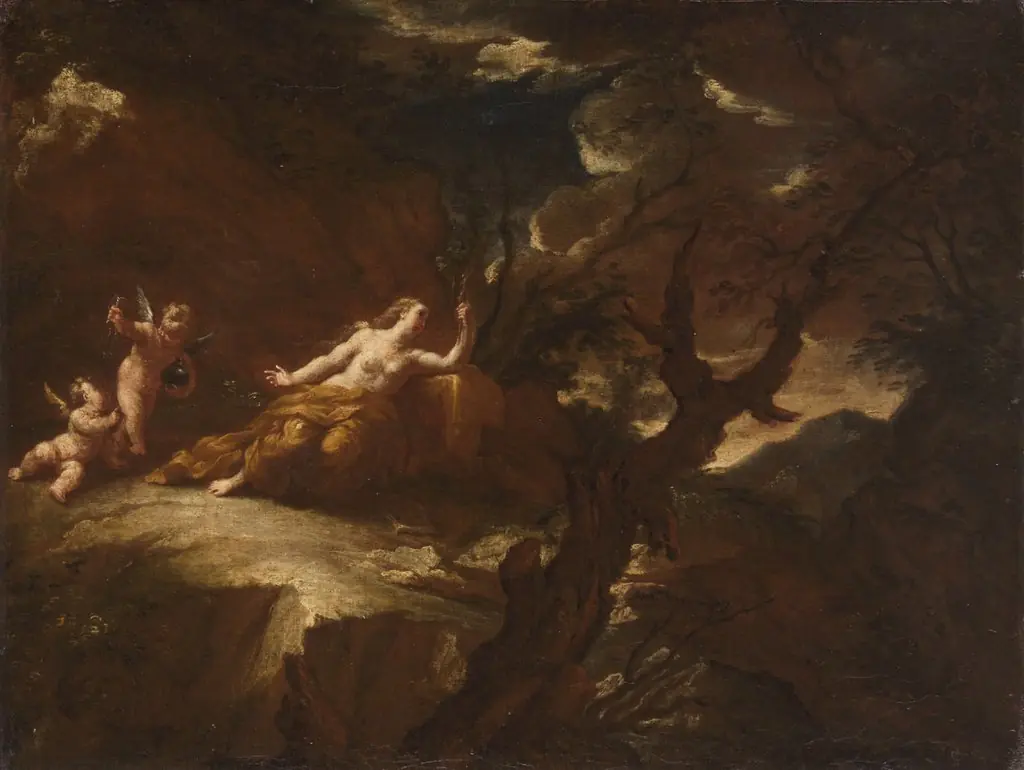
The painting illustrates a mythological scene where the sorceress Circe transforms the nymph Scylla into a monster, acting on the behalf of the scorned sea god Glaucus. The depicted moment conveys a dramatic transformation driven by vengeance.
Technique & Style
Van der Neer employed chiaroscuro, a strong contrast between light and dark, to intensify the scene's emotional impact. The dramatic pose of the central figure, juxtaposed with the reactions of the two men, heightens the sense of foreboding and intensity.
History & Provenance
Completed in 1698, the painting is a product of the Dutch Golden Age. Specific details about its ownership history or exhibitions are not provided in the available information.
Context
As part of the Dutch Golden Age, this work reflects the period's fascination with historical and mythological themes. The use of oil paint and chiaroscuro techniques aligns with the artistic innovations of the time.
Legacy
While specific lasting impacts or notable recognitions of *Circe Punishes Glaucus by Turning Scylla into a Monster* are not detailed, it contributes to the broader legacy of Dutch Golden Age art, showcasing the era's engagement with mythological storytelling through vivid and emotionally charged works.
Own this work as a print
Artist & collection
Artist
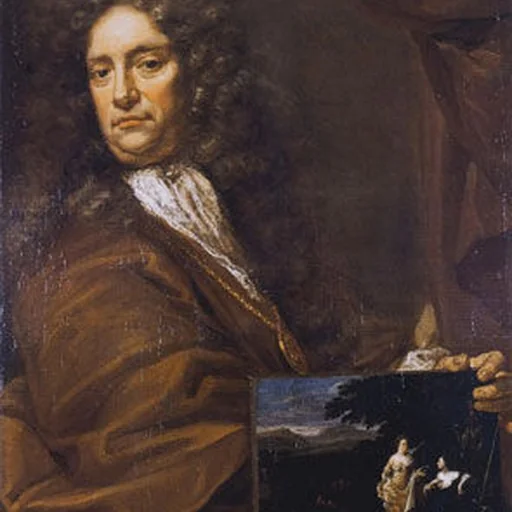
Eglon van der Neer (1635/36 – 3 May 1703) was a Dutch painter of historical scenes, portraits and elegant, fashionable people, and later of landscapes.