Artwork
Tears of Saint Peter
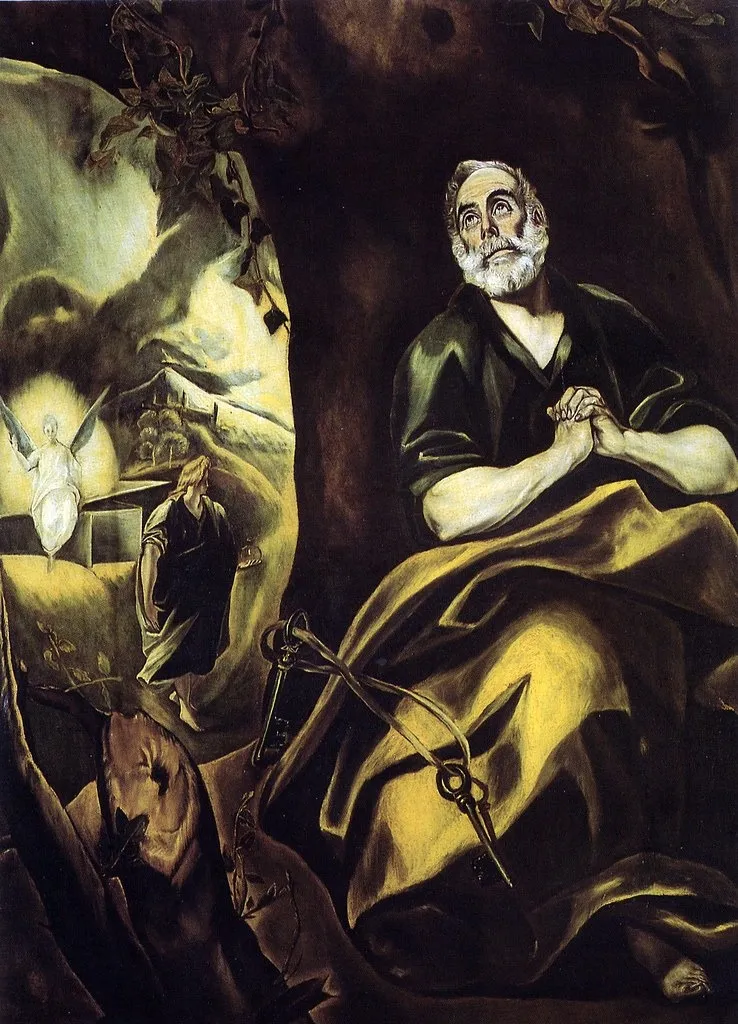
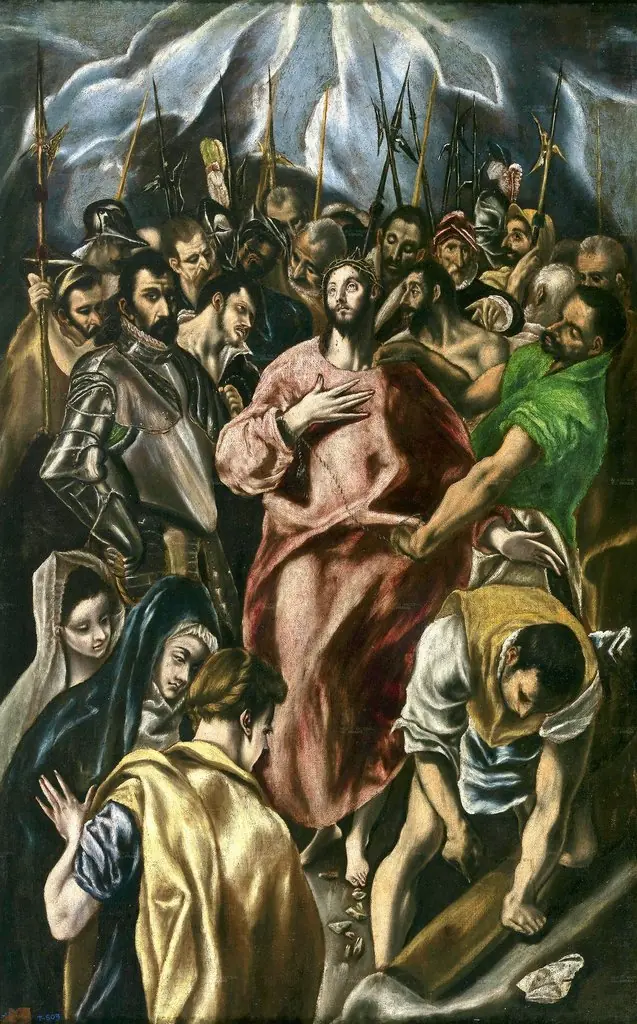
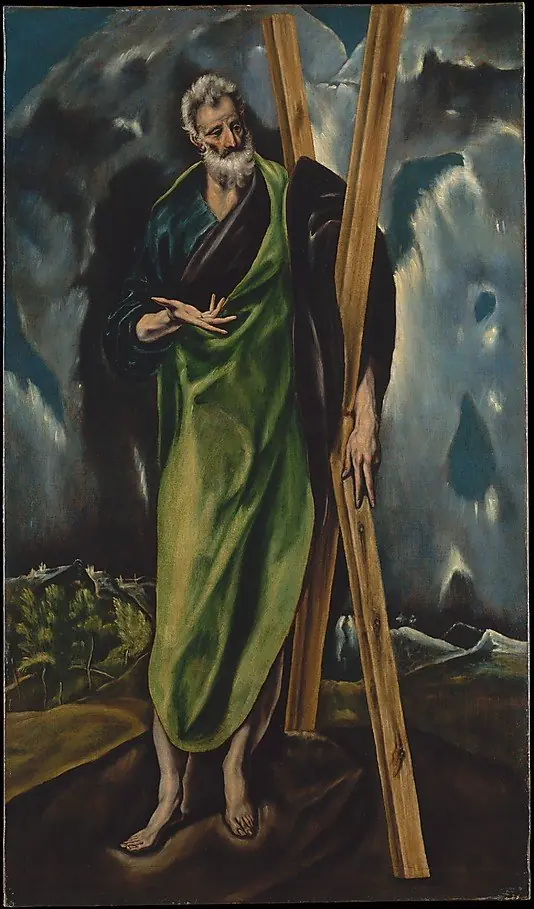
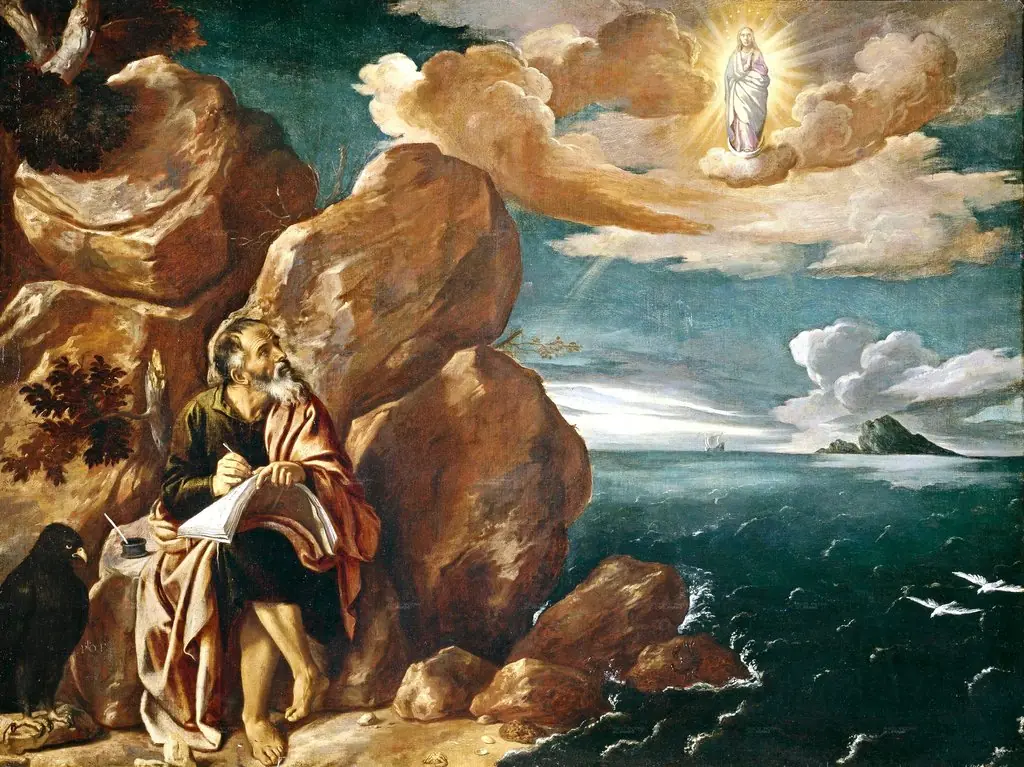
Tears of Saint Peter is an oil painting by the Mannerist artist El Greco. It dates from 1610 and is held in the collection of the Uffizi Gallery.
About this work
Overview
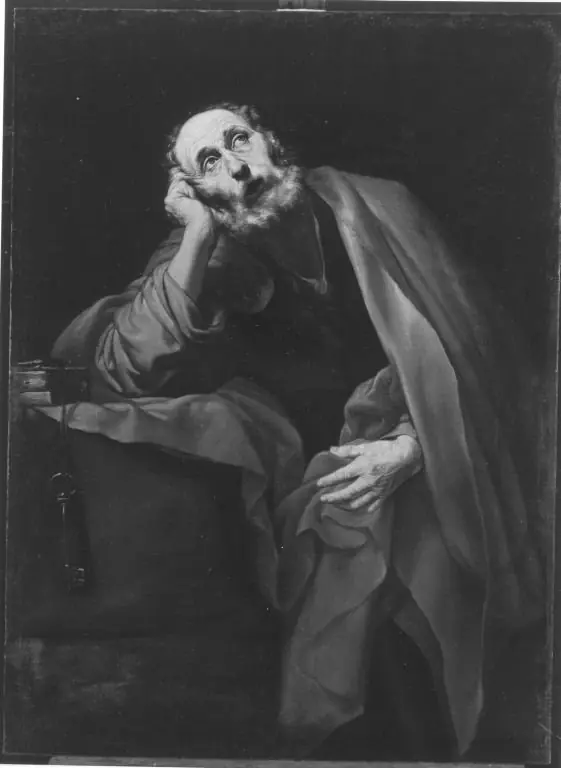
El Greco’s oil painting Tears of Saint Peter, dated to 1610, is part of the Uffizi Gallery’s collection. The work presents a solemn, aged figure seated in shadow, clutching a bundle of keys, while a faintly illuminated cavern opens onto a luminous space where a woman and a diminutive angel stand beside a radiant tomb.
Subject & Meaning
The central figure is traditionally identified as Saint Peter, his furrowed expression suggesting remorse or contemplation. The keys he holds reference the biblical symbolism of Peter as the keeper of heaven’s gates. The surrounding figures—a woman and an angel—appear to witness a moment of penitence, hinting at themes of forgiveness and spiritual responsibility.
Technique & Style
El Greco employs dramatic chiaroscuro, contrasting deep shadows with a bright, almost ethereal background. The painter’s elongated forms and fluid brushwork create a sense of otherworldly tension, while the limited palette of dark robes against luminous highlights emphasizes the emotional intensity of the scene.
History & Provenance
Completed in the early seventeenth century, the canvas entered the Uffizi’s holdings during the museum’s expansion of its Spanish and Italian Baroque acquisitions. Documentation traces its movement from private collections in Spain to its present public display in Florence, where it has been exhibited since the late nineteenth century.
Context
Created near the end of El Greco’s Florentine period, the painting reflects the Counter‑Reformation’s emphasis on personal penitence and the veneration of saints. Its iconography aligns with contemporary devotional works that sought to evoke empathy and moral reflection among viewers.
Artist & collection
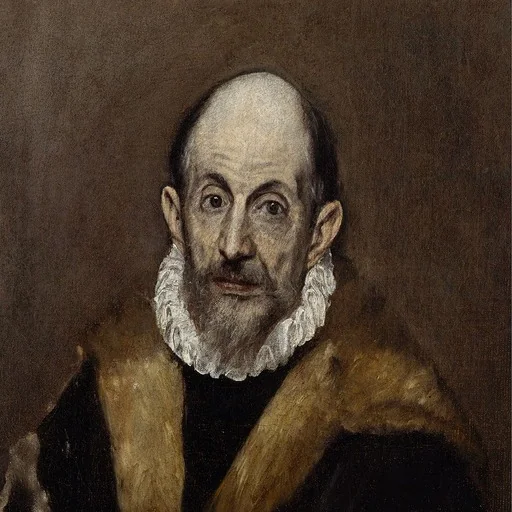
Artist
Doménikos Theotokópoulos was born in 1541 in Candia (modern Heraklion), the capital of Venetian-ruled Crete, where he was trained in the post-Byzantine tradition of icon painting.