Artwork
Saint Thomas the Apostle
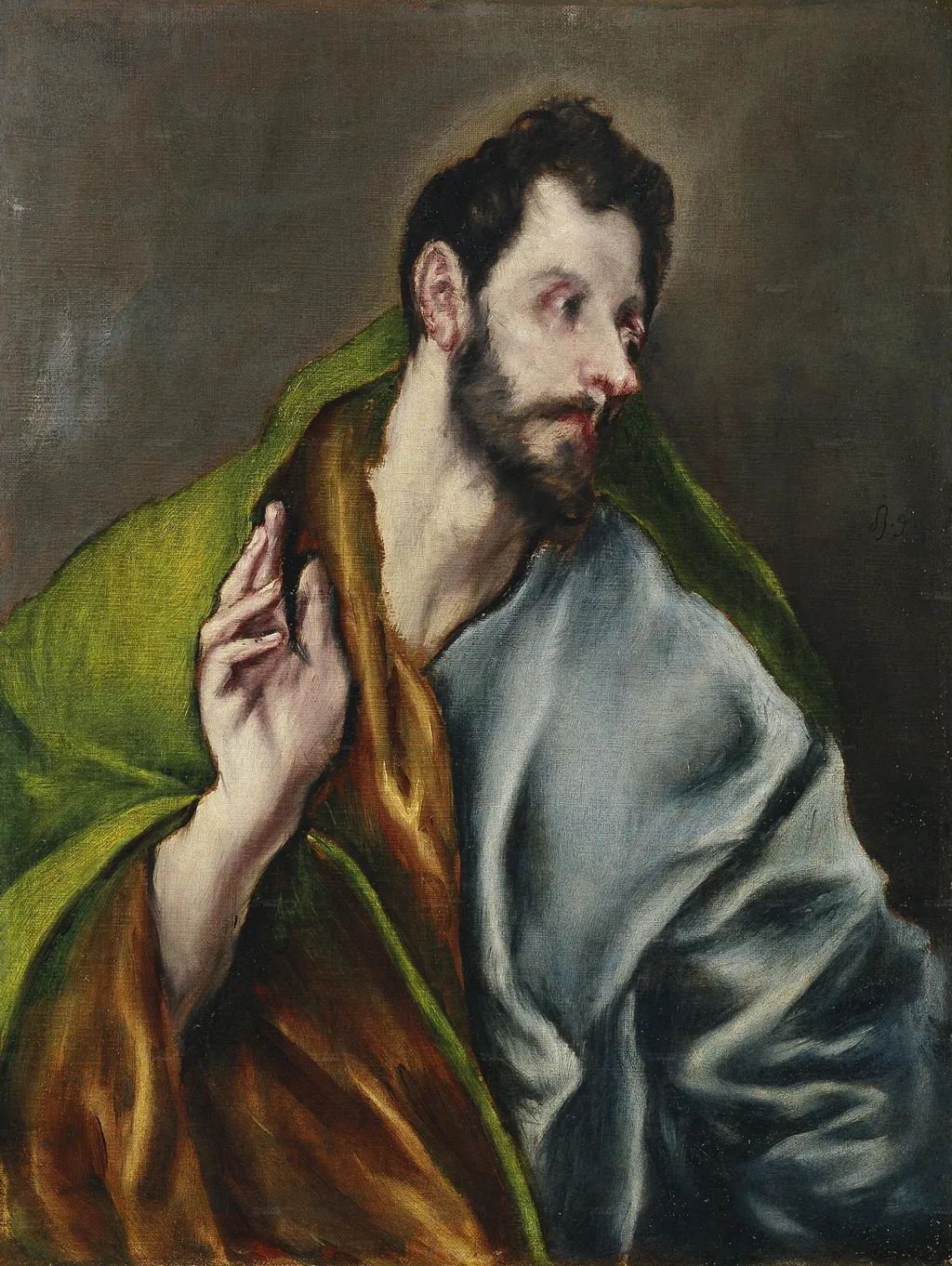
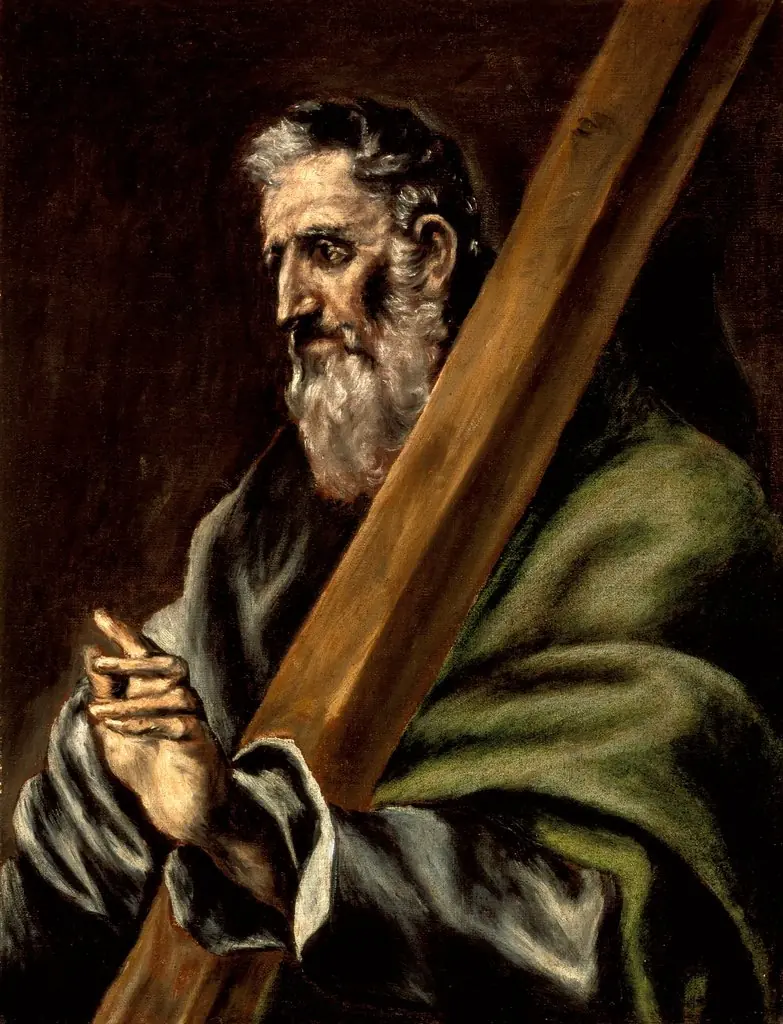
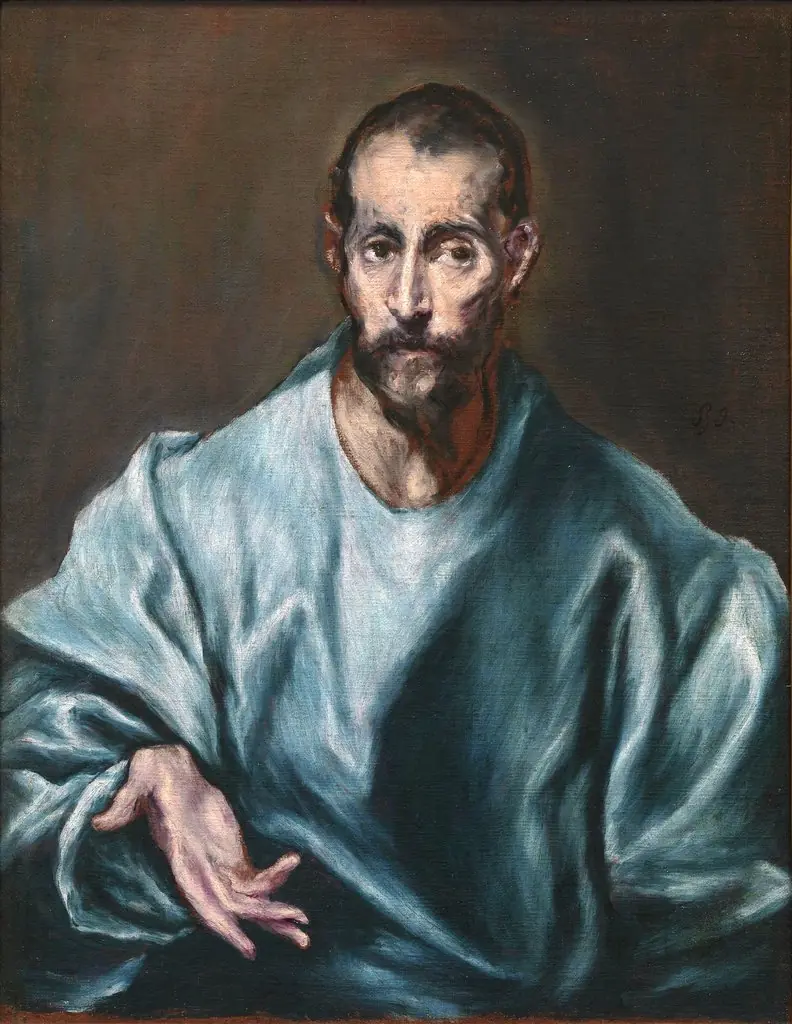
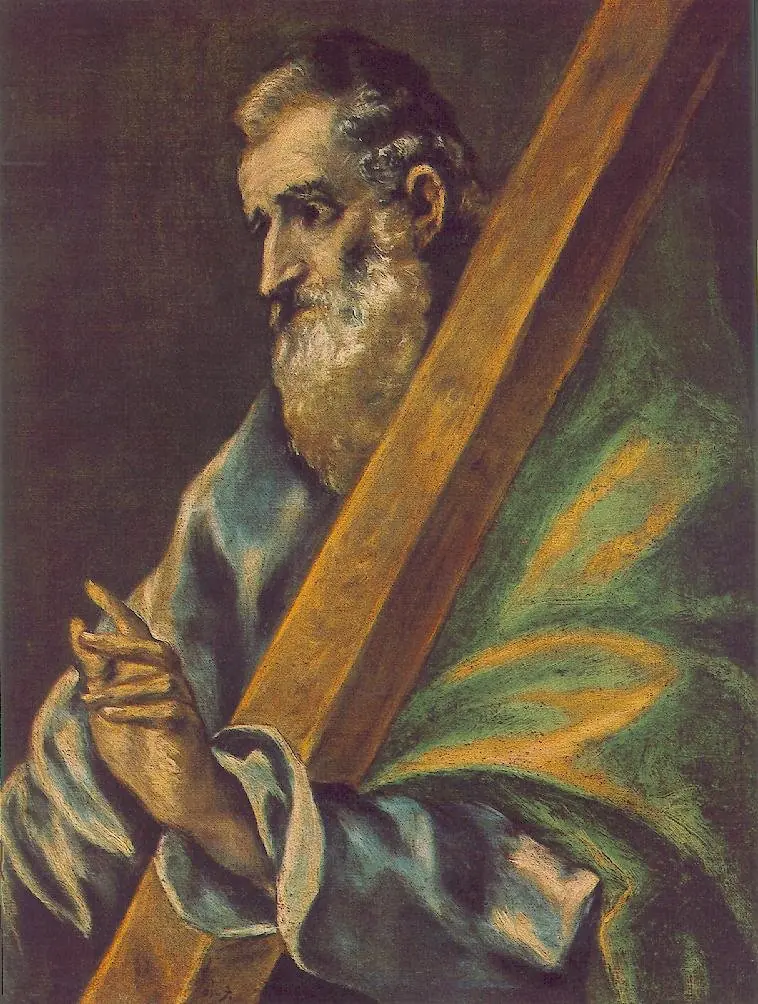
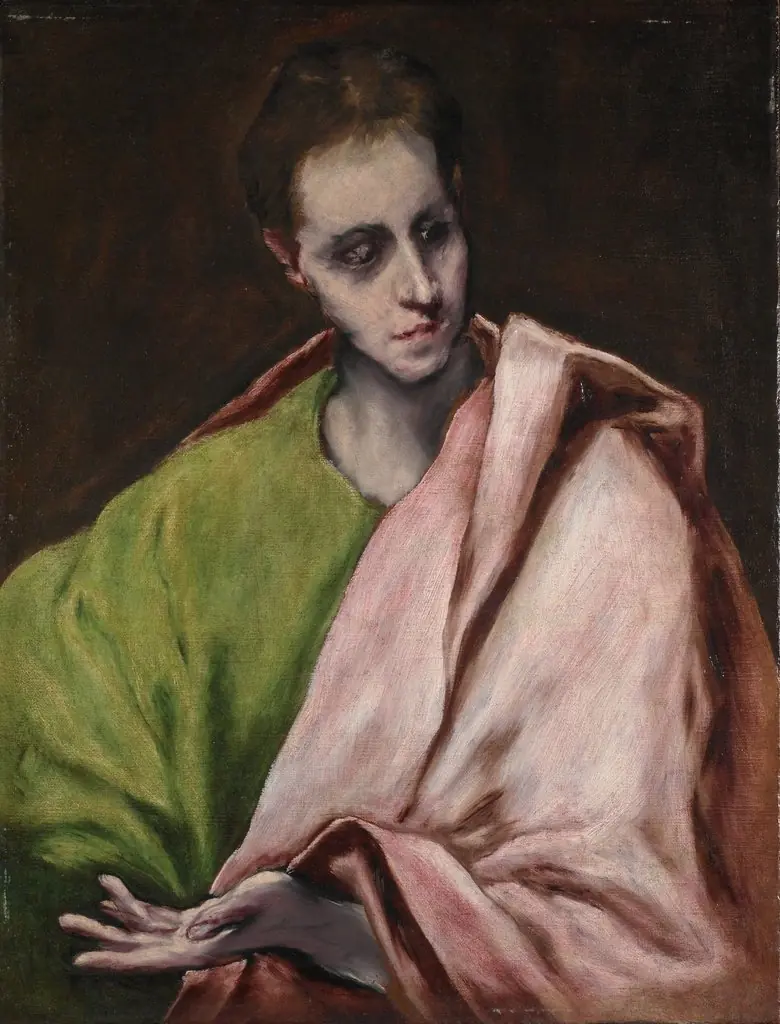
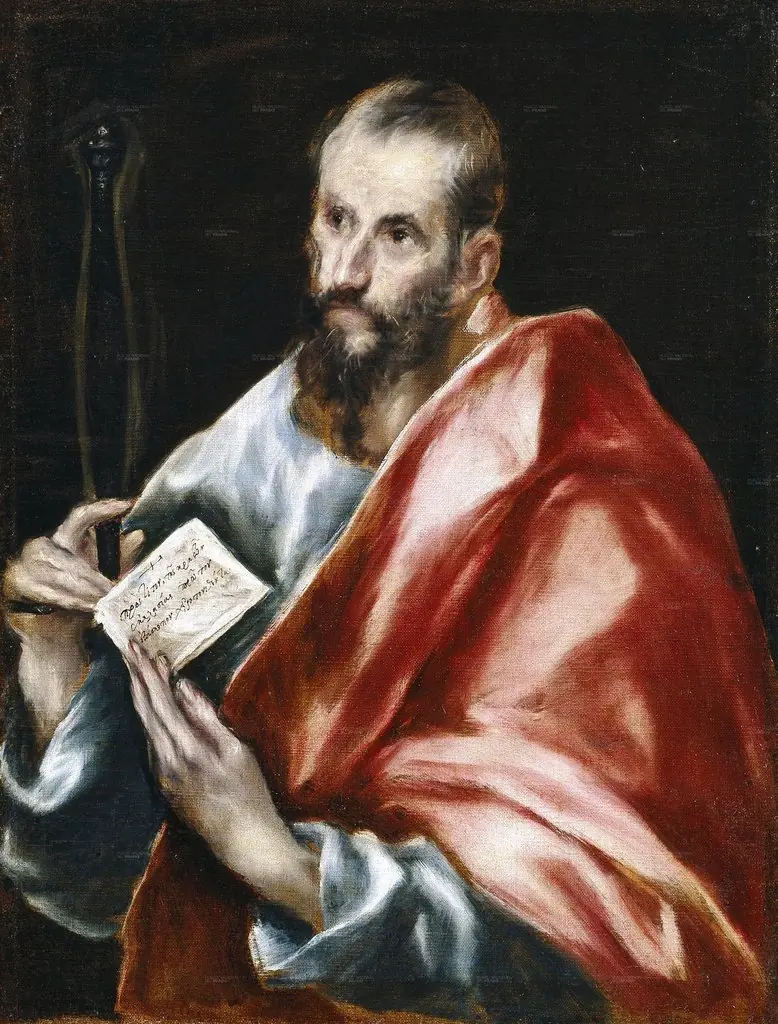
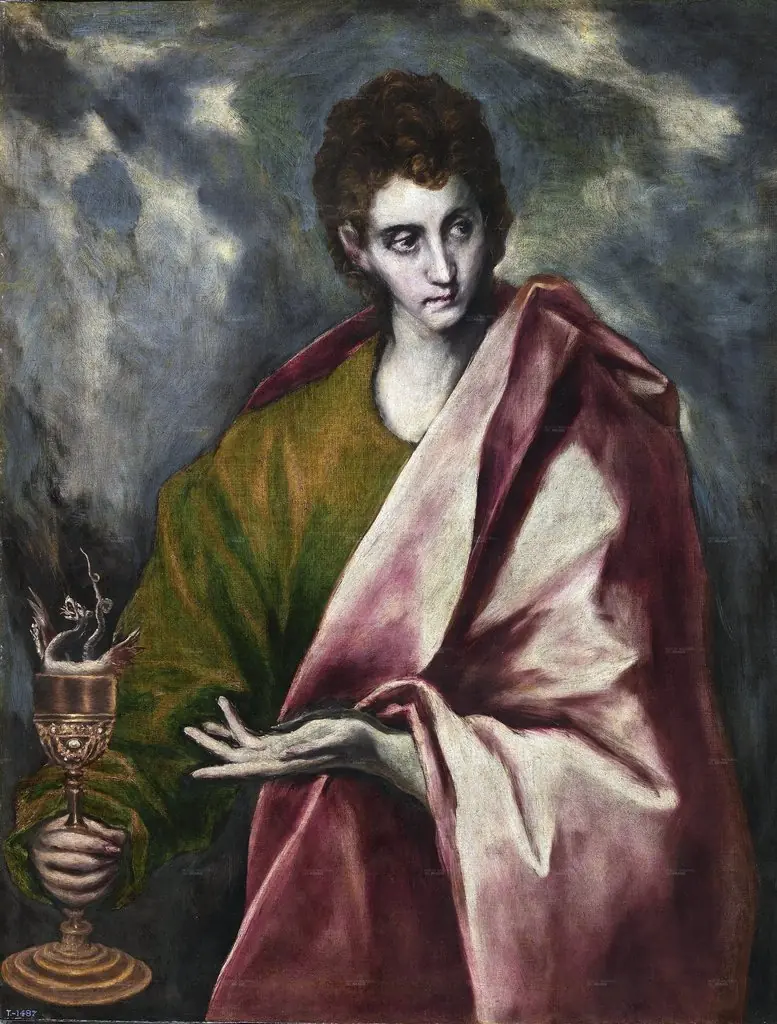
Saint Thomas the Apostle is an oil painting by the Mannerist artist El Greco. It dates from 1608 and is held in the collection of the Museo del Prado.
About this work
El Greco painted a picture of Saint Thomas, one of Jesus’s twelve apostles. It’s oil paint on a canvas, done around 1608. Now it hangs in Madrid’s Museo del Prado.
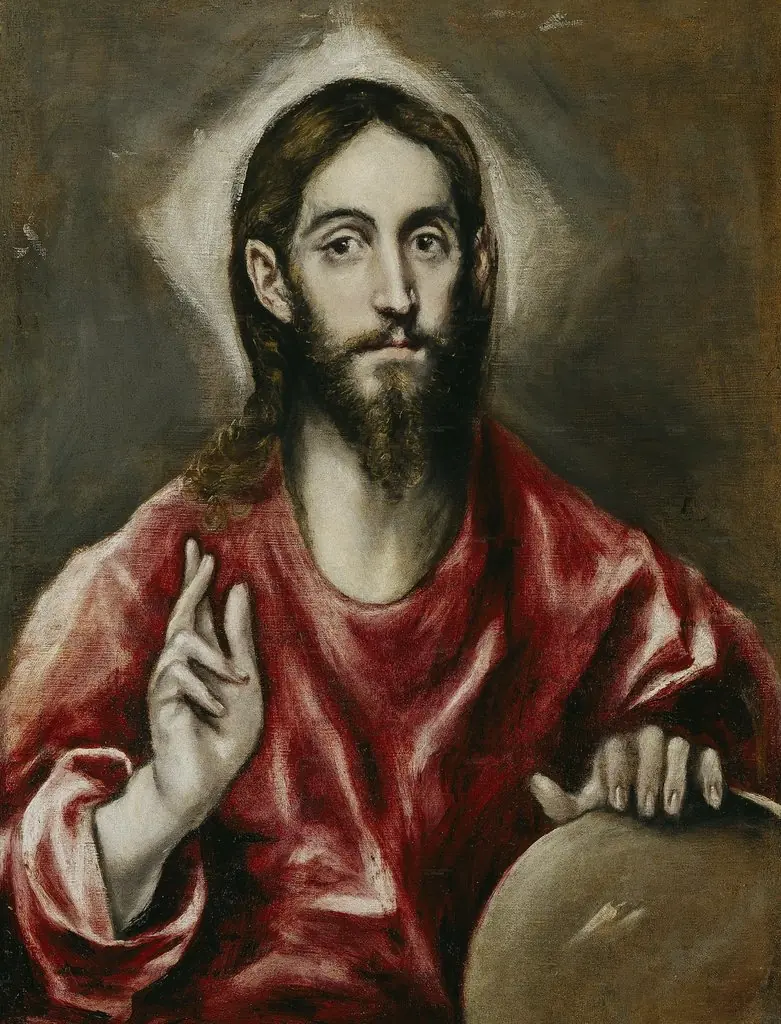
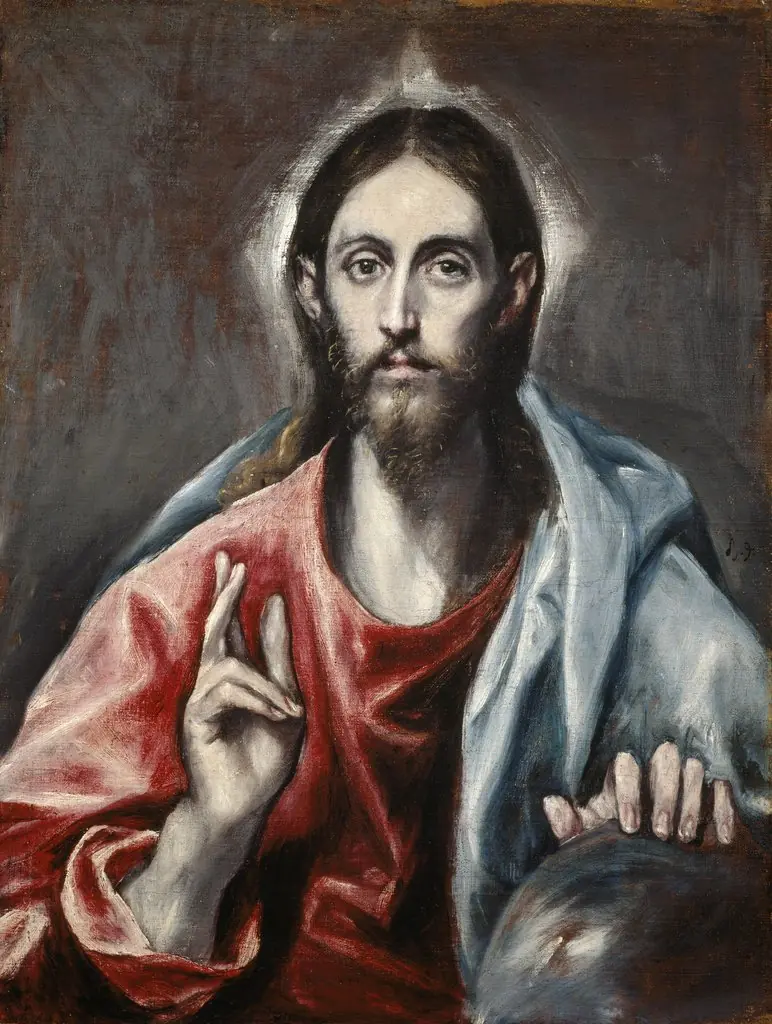
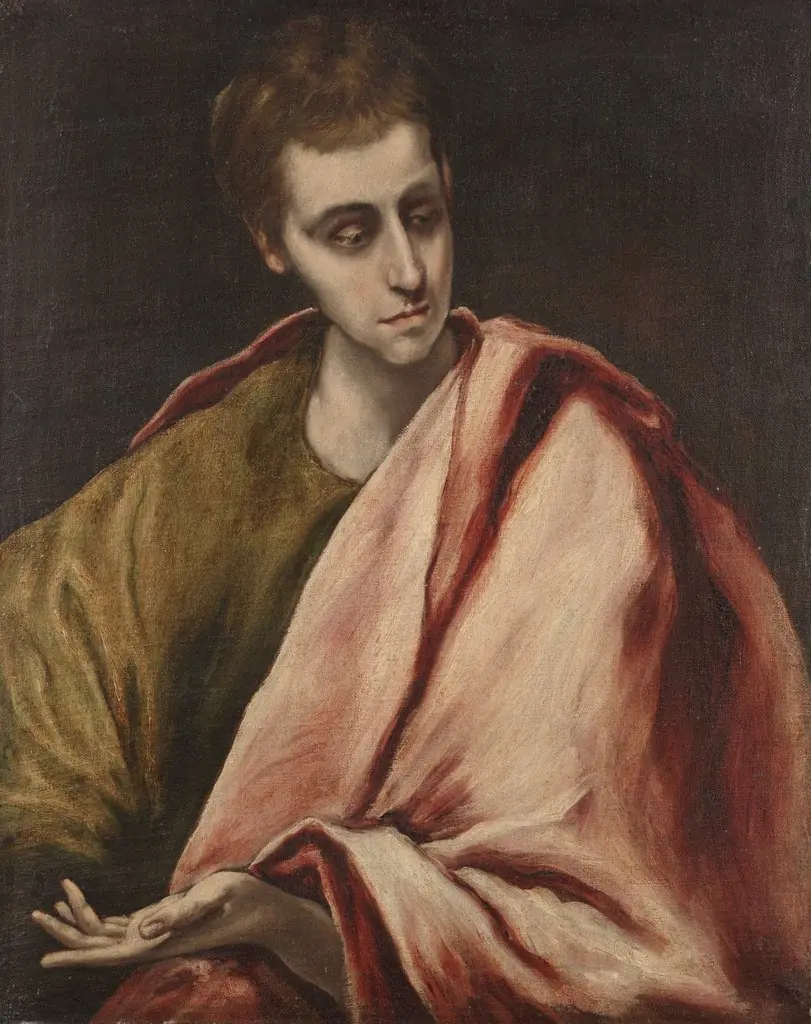
El Greco loved long, stretched-out figures and bright, almost glowing colors. This work shows that style in full swing.
Check out the Museo del Prado to see more of El Greco’s work.
Overview
Created between 1608 and 1614, this oil on canvas portrays Saint Thomas the Apostle. Executed by the Spanish-Mannerist painter El Greco, the work now belongs to the collection of Madrid’s Museo del Prado. It forms part of a larger group of apostolic portraits that the artist produced for a parish church in the village of Almadrones.
Subject & Meaning
The figure represents Thomas, one of the twelve disciples of Jesus, traditionally associated with doubt and the quest for tangible proof of the resurrection. El Greco’s rendering emphasizes the saint’s contemplative pose, inviting viewers to consider themes of faith, inquiry, and spiritual verification.
Technique & Style
Rendered in oil, the painting displays El Greco’s hallmark elongated anatomy and a palette of luminous, almost incandescent hues. The brushwork combines precise modeling of the face with broader, sweeping strokes that convey a sense of spiritual elevation beyond the material plane.
History & Provenance
Originally commissioned for the parish church of Almadrones, the canvas was one of several variants derived from a larger apostolic cycle intended for Toledo Cathedral. In the 20th century, the work entered the Museo del Prado, where it remains on public display.
Context
Art historian Gregorio Marañón cited this portrait as evidence for El Greco’s practice of employing patients from the Hospital del Nuncio as live models, suggesting a link between the artist’s expressive distortions and the physical conditions of his subjects. The painting thus offers insight into the social and medical milieu surrounding the artist’s late career.
Own this work as a print
Artist & collection
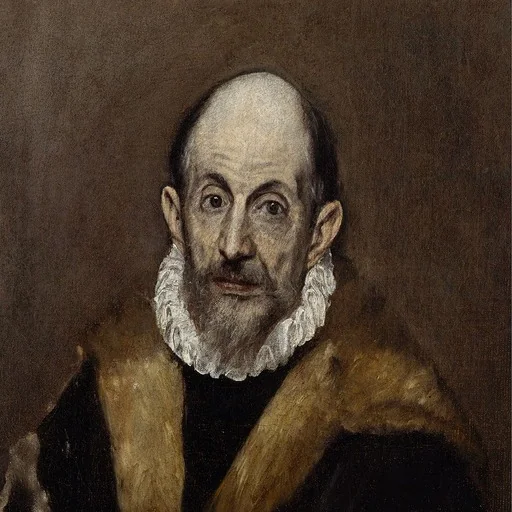
Artist
Doménikos Theotokópoulos was born in 1541 in Candia (modern Heraklion), the capital of Venetian-ruled Crete, where he was trained in the post-Byzantine tradition of icon painting.