Artwork
The Disrobing of Christ
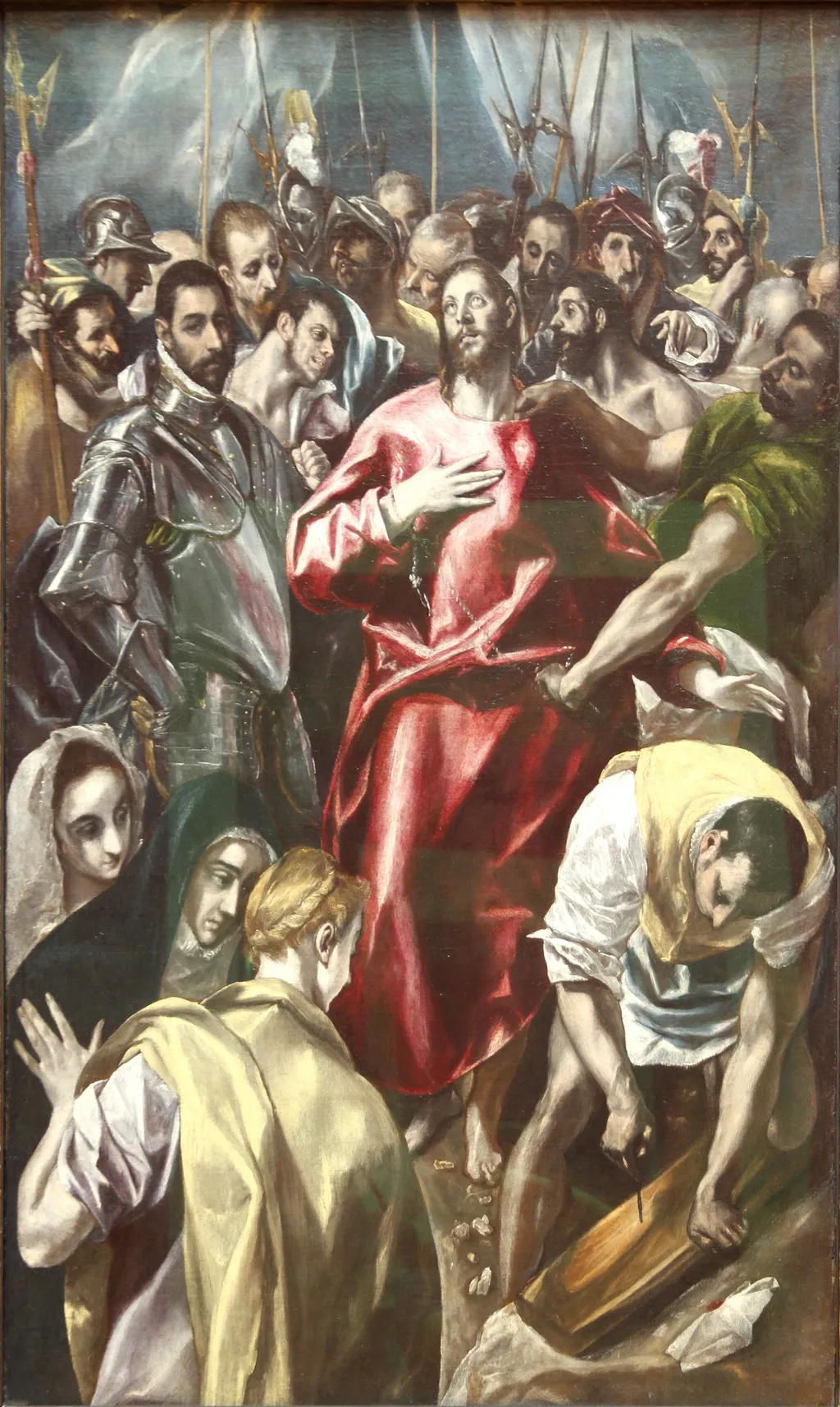
The Disrobing of Christ is an oil painting by the Mannerist artist El Greco. It dates from 1592 and is held in the collection of the Bavarian State Painting Collections.
About this work
Overview
El Greco’s oil painting The Disrobing of Christ, completed in 1592, presents a densely populated scene in which the central figure of Jesus is stripped of his garments. The composition is anchored by a man in a vivid red robe, his outstretched arms and composed expression drawing the viewer’s focus amid a surrounding crowd of armored and robed onlookers.
Subject & Meaning
The work visualizes the biblical moment when Christ is divested of his clothing before crucifixion, emphasizing his calm resolve against the anxiety of the surrounding figures. The varied reactions—tense, worried, or indifferent—highlight the emotional tension inherent in the narrative, inviting contemplation of sacrifice and human response to divine suffering.
Technique & Style
El Greco employs a dramatic chiaroscuro, concentrating light on the central Christ figure while the surrounding participants recede into darker, muted tones. The warm palette, dominated by the striking red of the central robe, creates visual contrast, and the elongated forms and fluid brushwork reflect the artist’s distinctive Mannerist approach.
History & Provenance
Created in the late 16th century, The Disrobing of Christ entered the collection of the Alte Pinakothek in Munich, where it remains on display. Its acquisition history reflects the museum’s focus on European masterpieces, and the painting has been documented in the museum’s catalogues since the early 20th century.
Context
The painting belongs to a series of works El Greco produced for the Church of San Salvador in Toledo, intended to illustrate key moments of the Passion. Its composition and emotional intensity align with Counter‑Reformation aims to evoke piety through vivid, affective imagery, situating the work within both Spanish religious art and broader European Mannerist trends.
Own this work as a print
Artist & collection
Artist
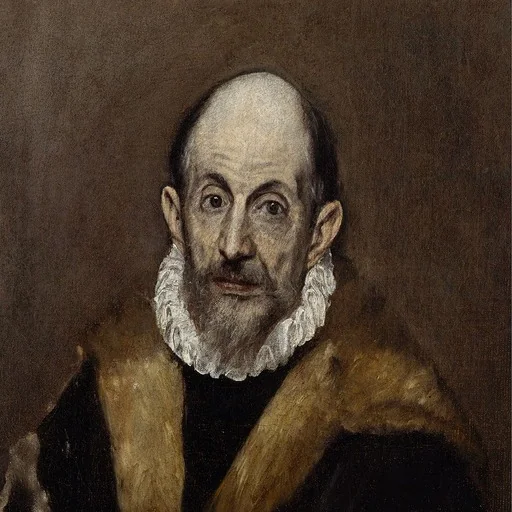
Doménikos Theotokópoulos was born in 1541 in Candia (modern Heraklion), the capital of Venetian-ruled Crete, where he was trained in the post-Byzantine tradition of icon painting.