Artwork
Then give to Caesar what is Caesar's
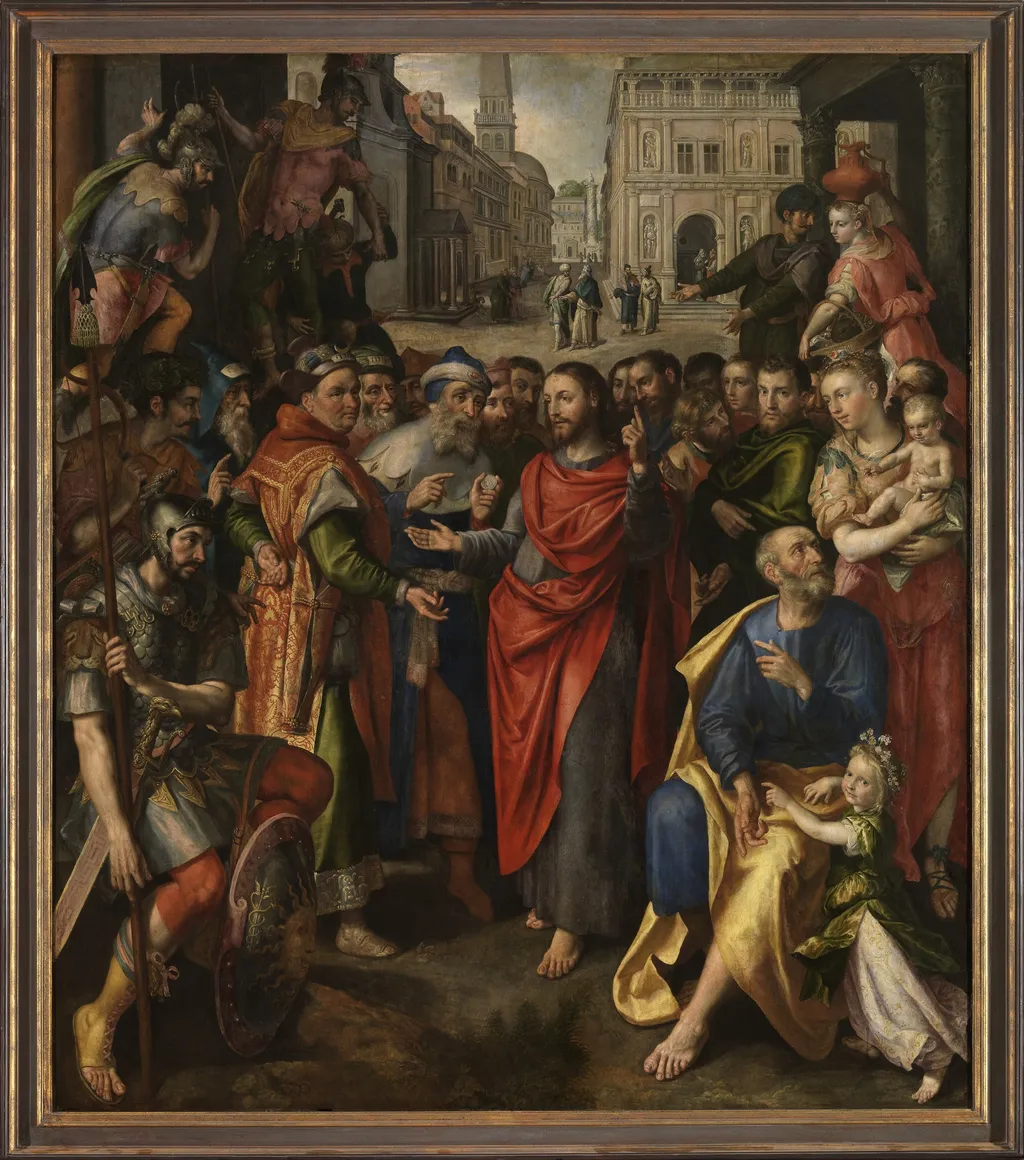
Then give to Caesar what is Caesar's is an oil painting by Maerten de Vos. It dates from 1602 and is held in the collection of the Royal Museum of Fine Arts Antwerp.
About this work
Overview
Then give to Caesar what is Caesar's is a 1602 oil painting by Maerten de Vos, a prominent Flemish history painter of the Spanish Netherlands. The work belongs to the religious genre and is part of the Royal Museum of Fine Arts Antwerp's collection.
Subject & Meaning
The painting depicts a scene from the New Testament (Matthew 22:15-22, Mark 12:13-17, Luke 20:19-26) where Jesus is asked about paying taxes to Caesar. The central figures, amidst a bustling crowd, focus on a coin, illustrating the moment Jesus instructs to 'give to Caesar what is Caesar's'.
Technique & Style
Executed in oil paint, the work features de Vos's characteristic detailed and textured approach. Vibrant, colorful robes contrast with muted, earthy tones in the background, creating a sense of depth. Intricate patterns on clothing and architecture add to the visual richness.
History & Provenance
Created in 1602, during Antwerp's post-Beeldenstorm artistic resurgence, the painting reflects de Vos's role as a leading religious and allegorical painter of his time. It has been preserved in the Royal Museum of Fine Arts Antwerp.
Context
The painting's creation followed the Iconoclastic turmoil (Beeldenstorm) in the Netherlands, a period that saw the destruction of religious images. De Vos's work contributed to the revival of religious art in Antwerp, catering to the renewed demand for such themes.
Legacy
While specific lasting impacts of 'Then give to Caesar what is Caesar's' on subsequent art movements are not widely highlighted, de Vos's overall oeuvre influenced the development of Flemish historical and religious painting in the early 17th century.
Artist & collection
Artist
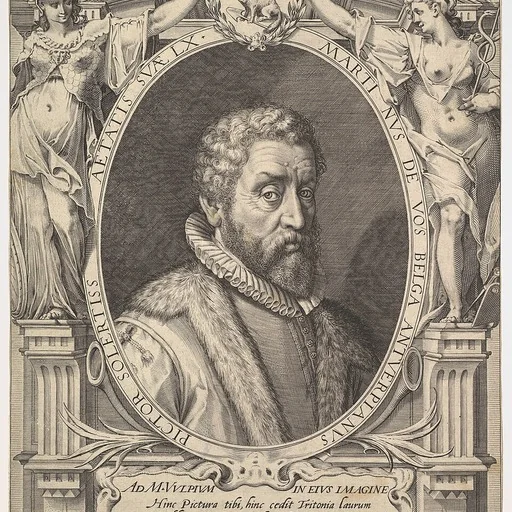
Maerten de Vos, Maerten de Vos the Elder or Marten de Vos (1532 – 4 December 1603) was a Flemish painter, known mainly for his history and allegorical paintings and portraits.

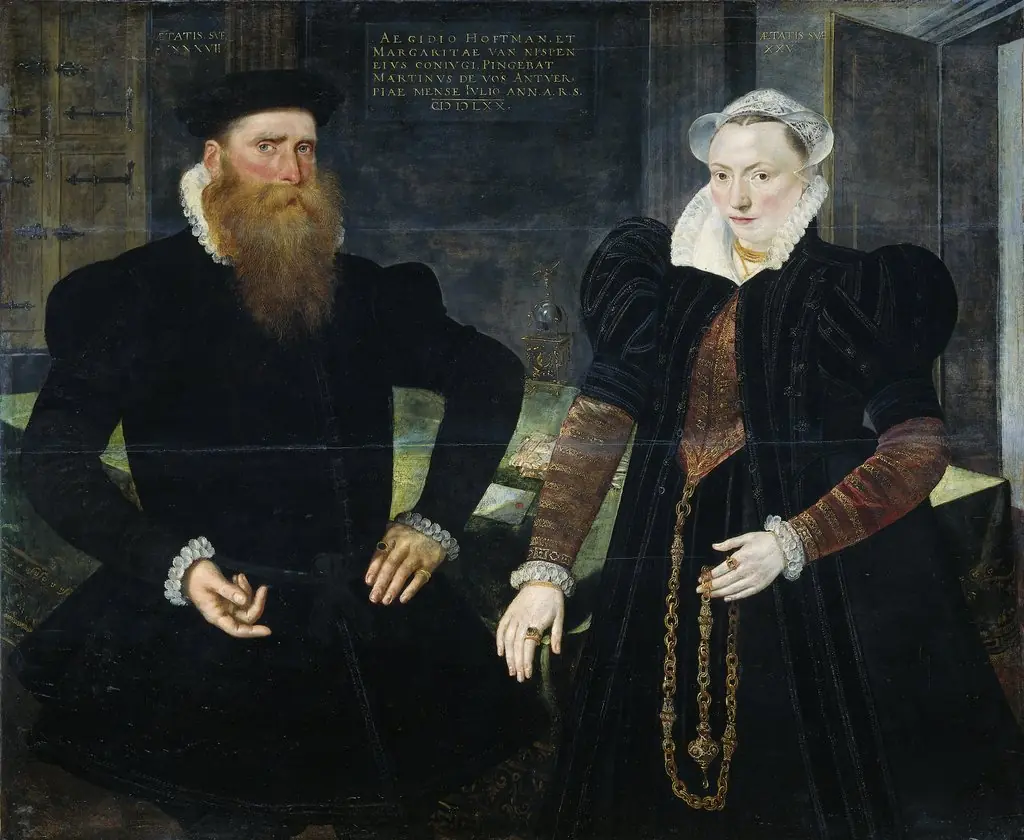
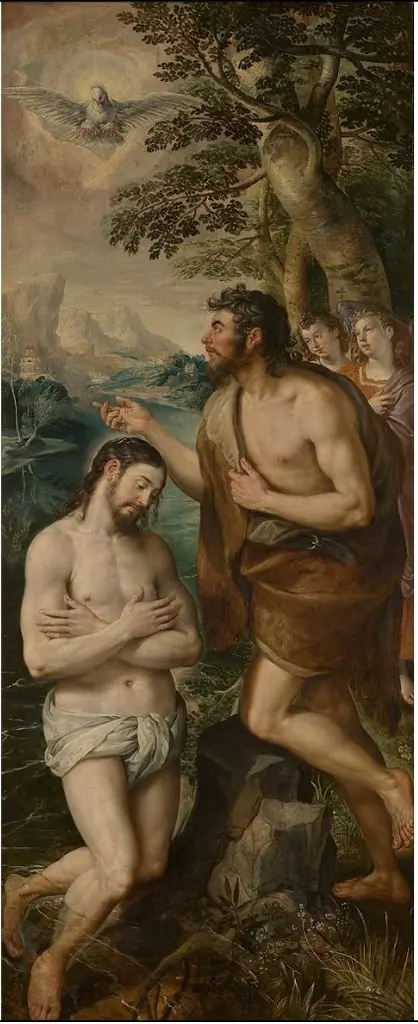
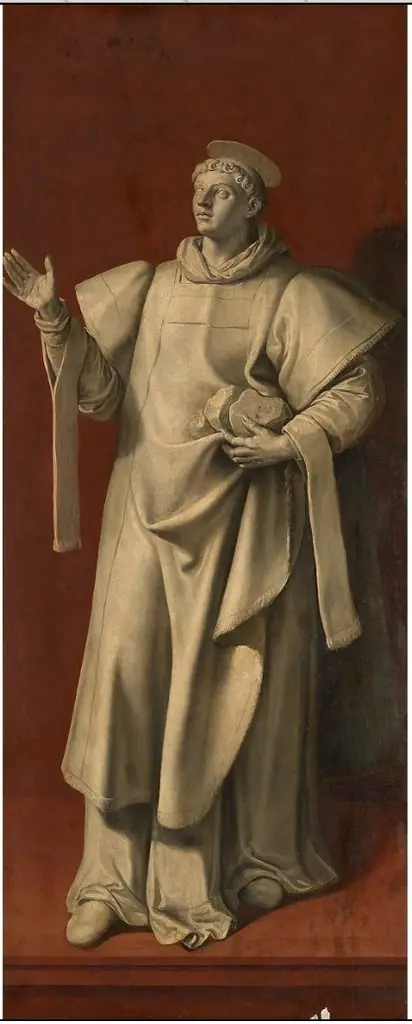
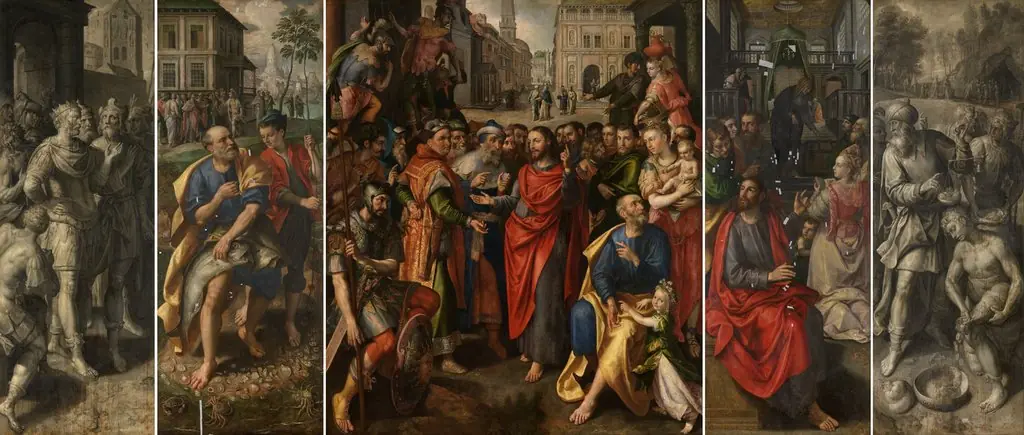 Altarpiece of the Guild of the Minters
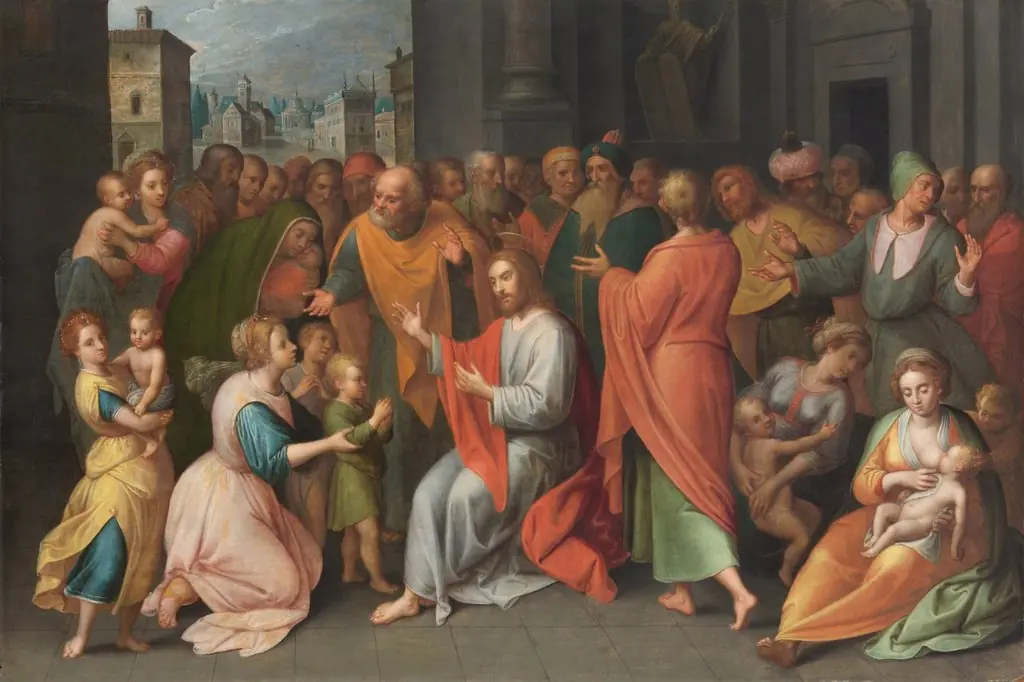 Christ blessing the children
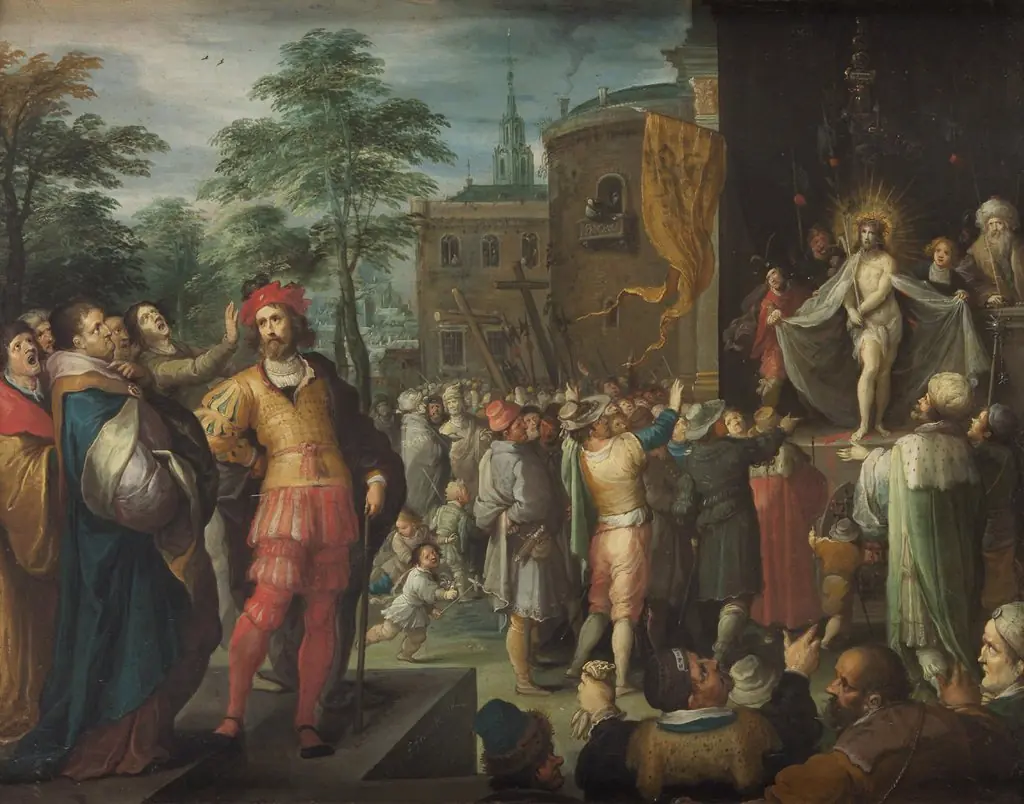 Ecce Homo
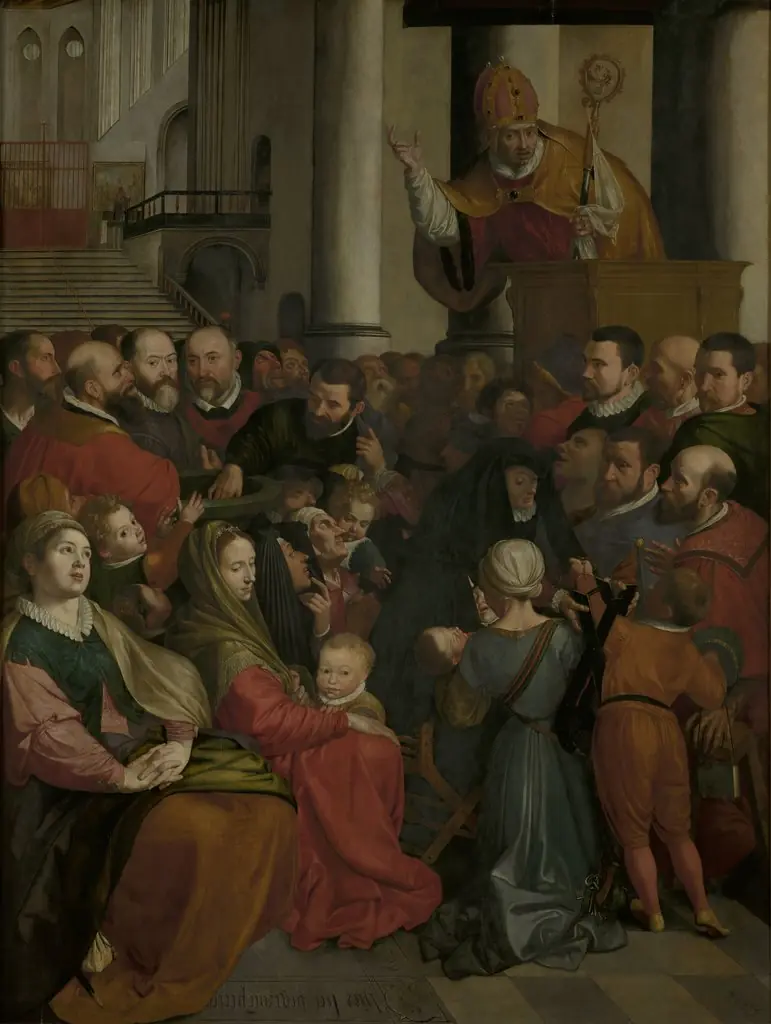 Saint Eligius preaches in Antwerp
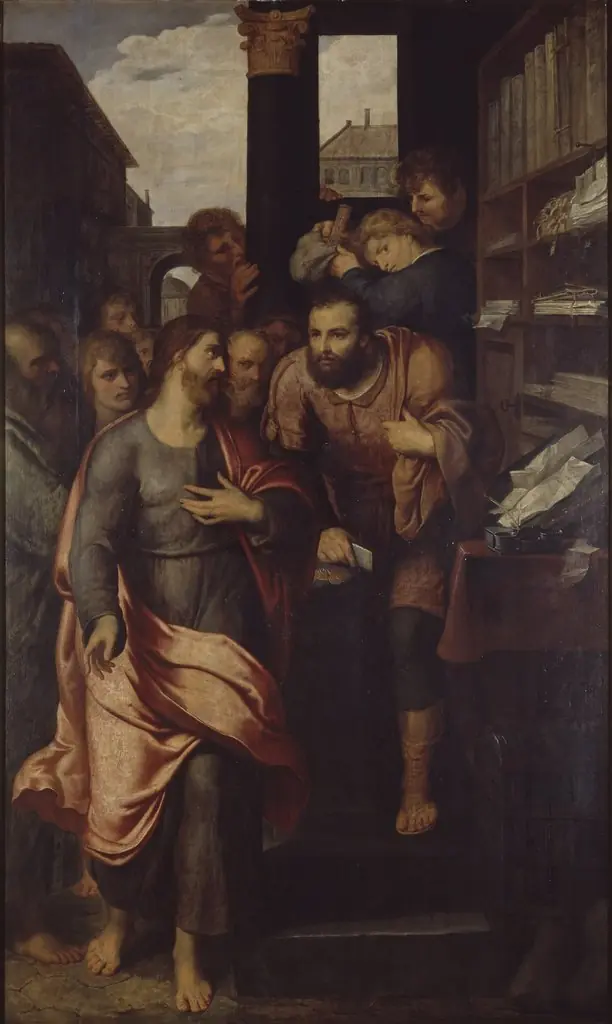 The Calling of Matthew
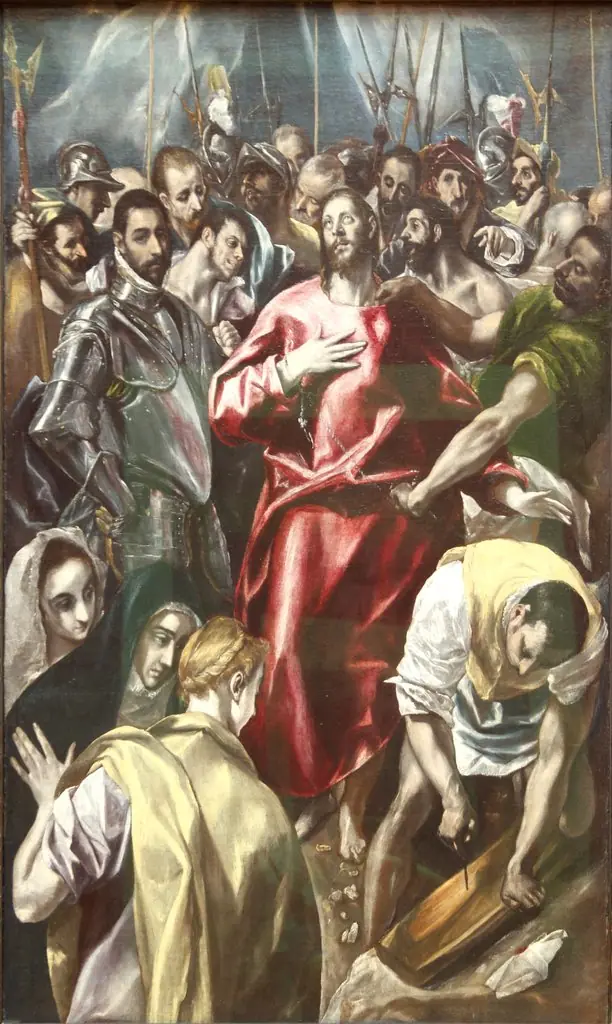 The Disrobing of Christ
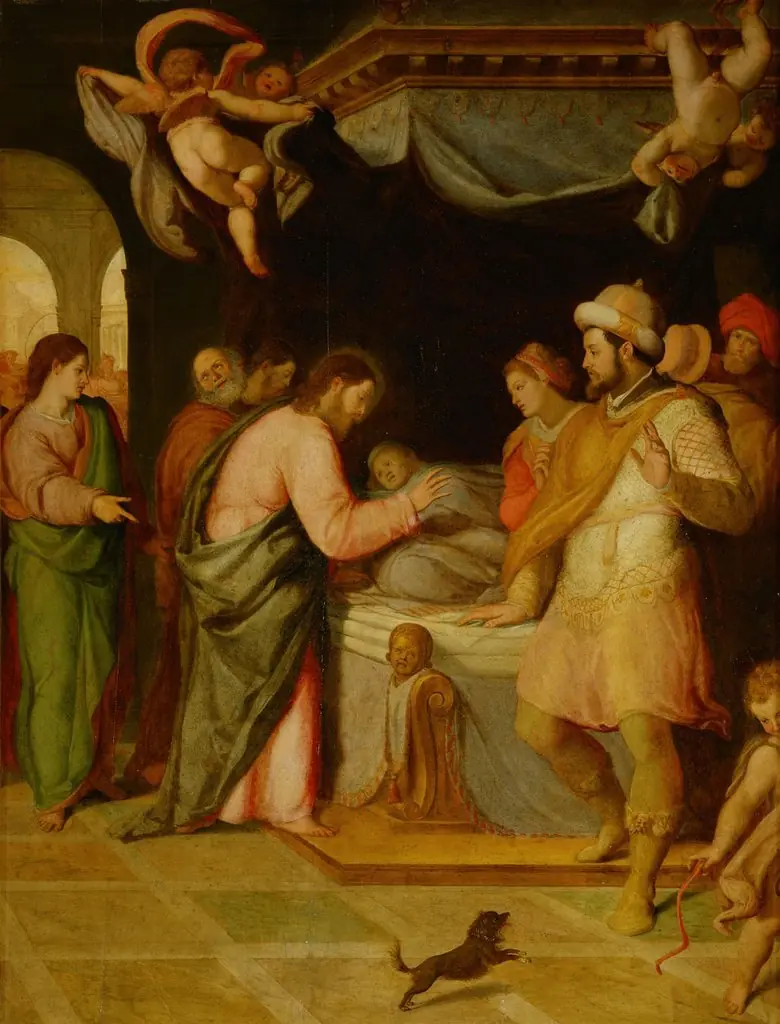 Raising the daughter of Jairus
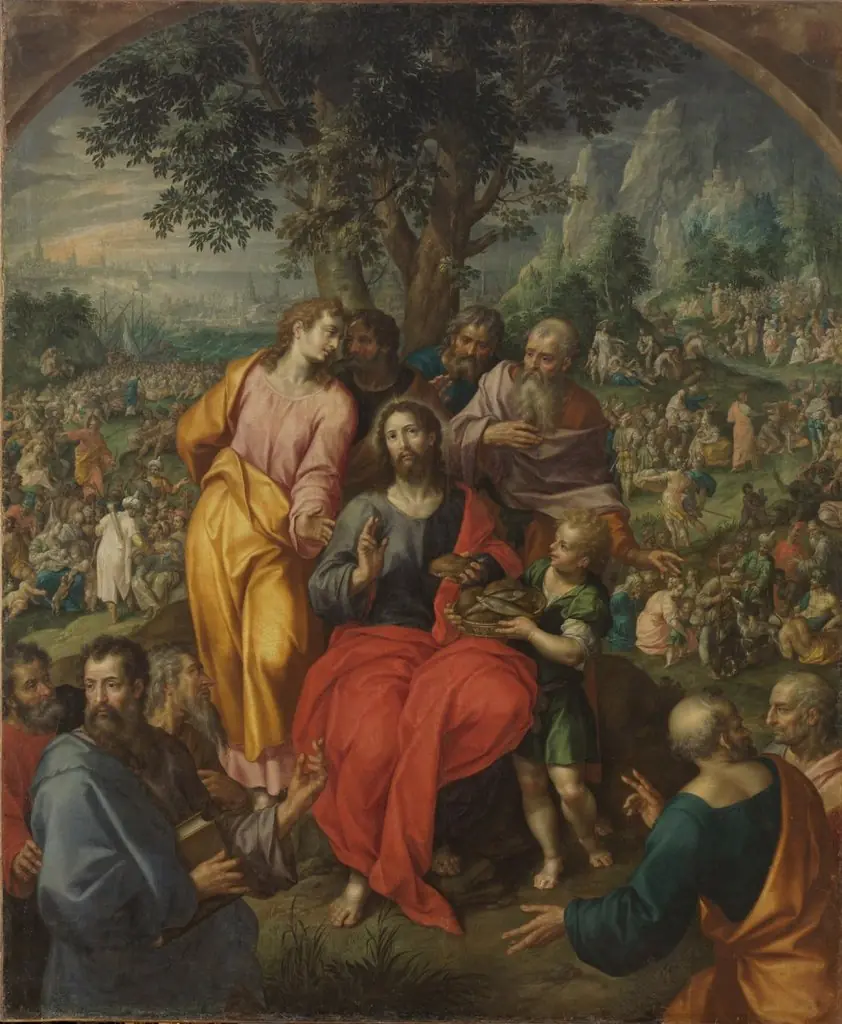 Feeding Of Five Thousand
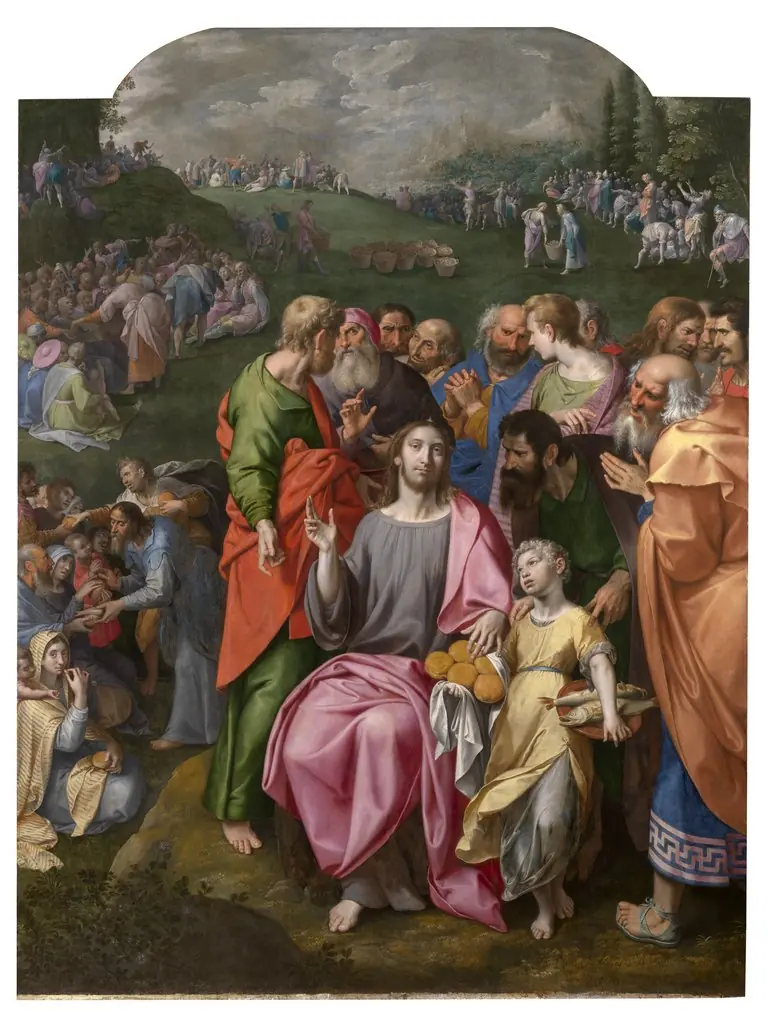 The Multiplication of Loaves and Fishes
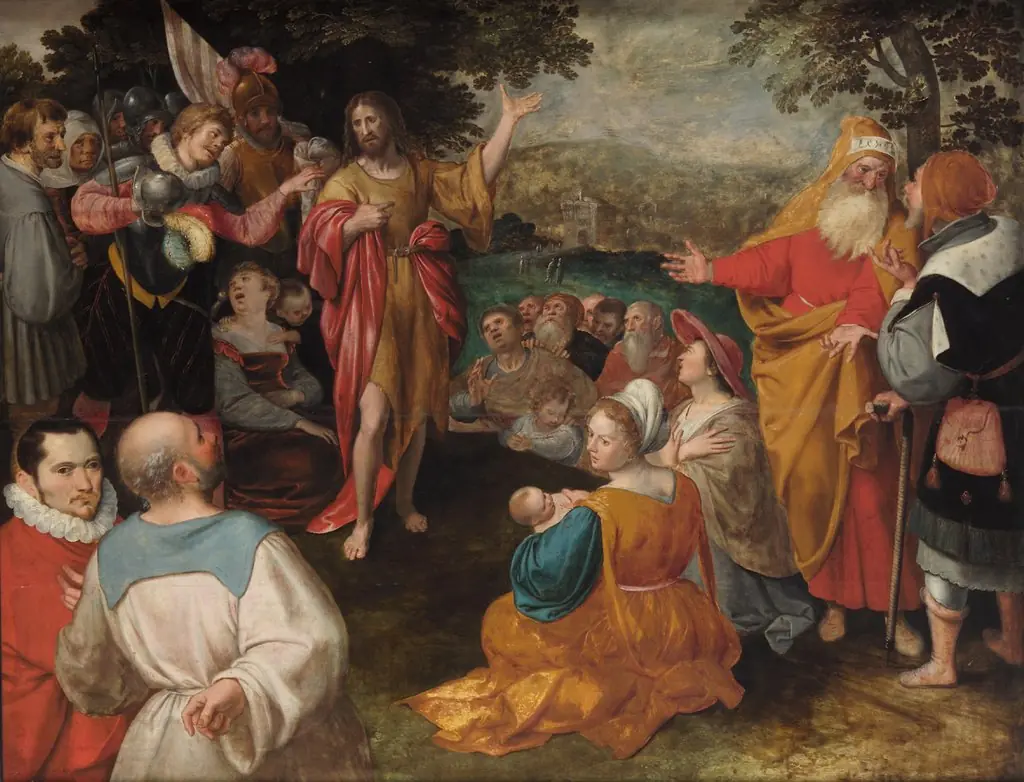 Predigt Johannes d. Täufers
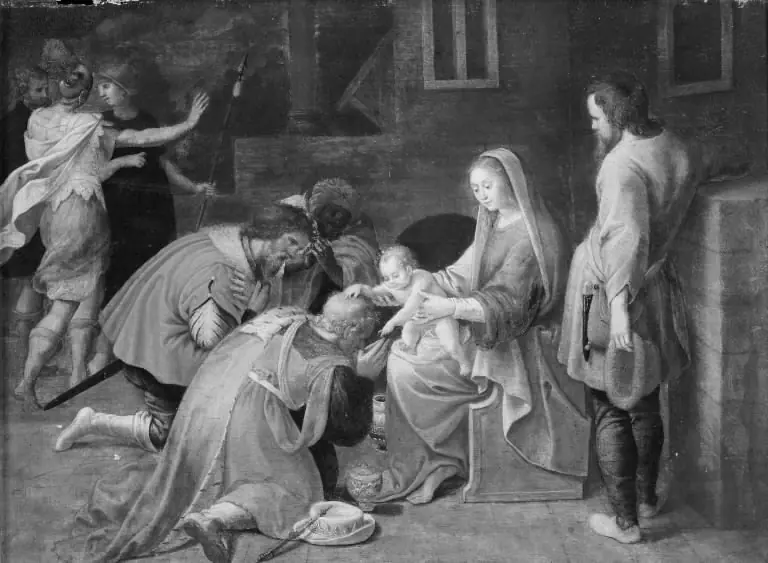
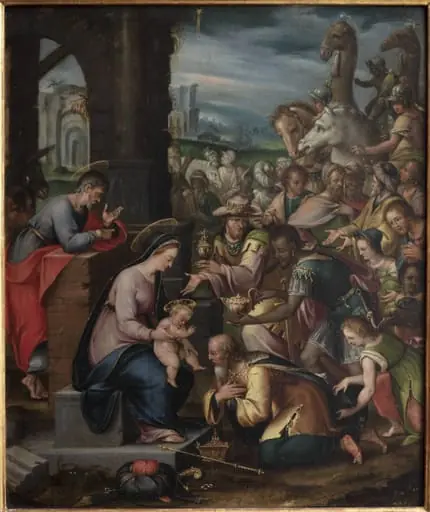 The Adoration of the Magi
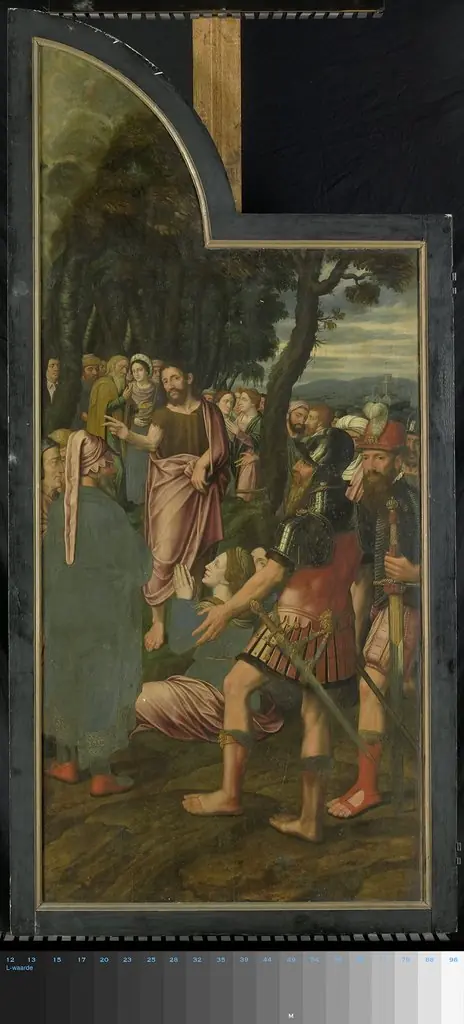 De prediking van Johannes de Doper, linkerpaneel van een drieluik