Artwork
Guy Little Theatrical Photograph
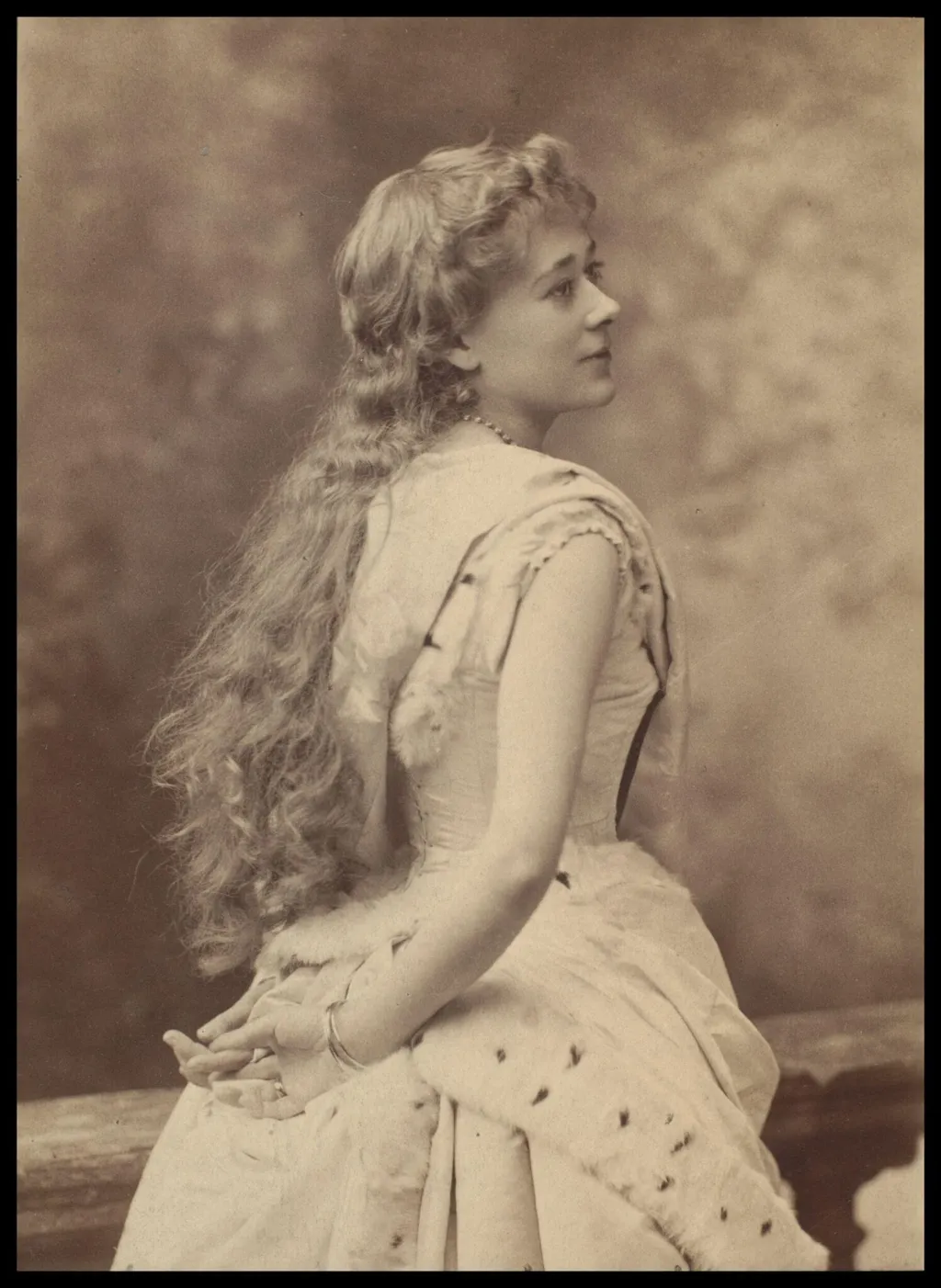
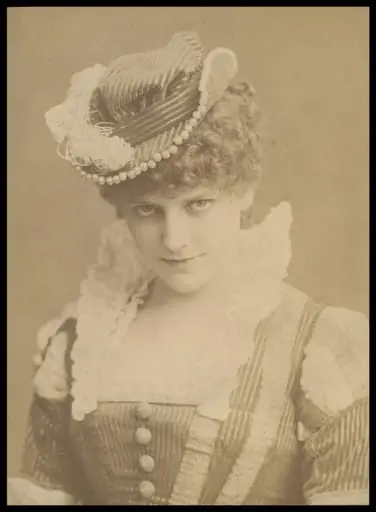
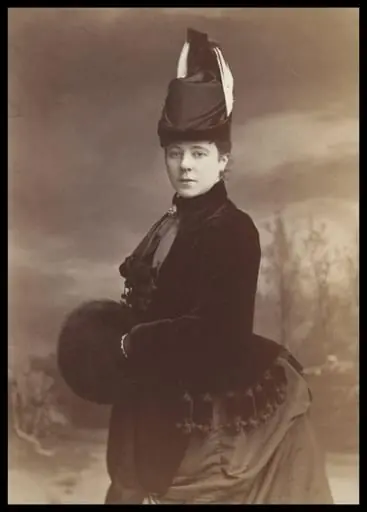
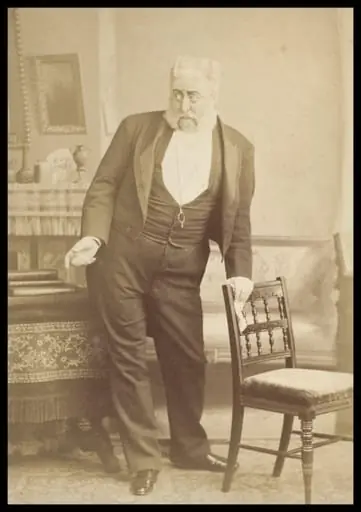
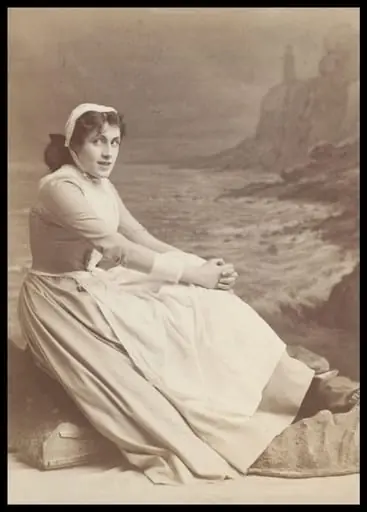
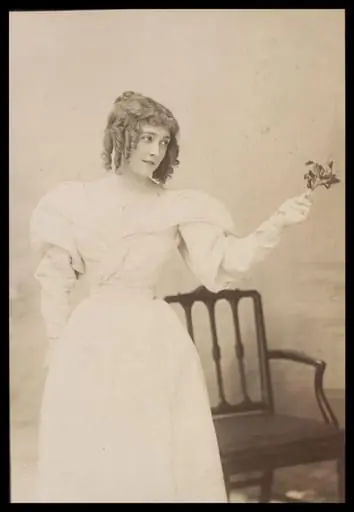
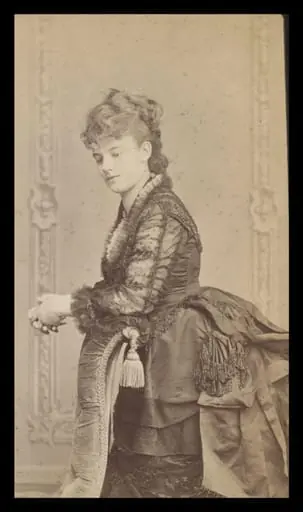
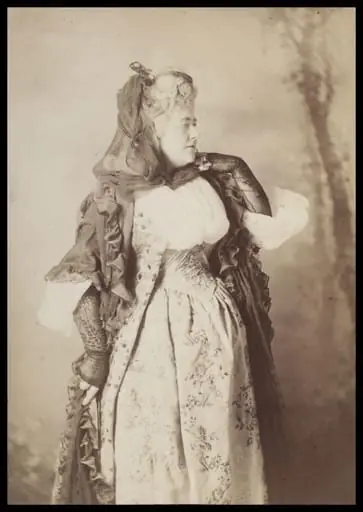
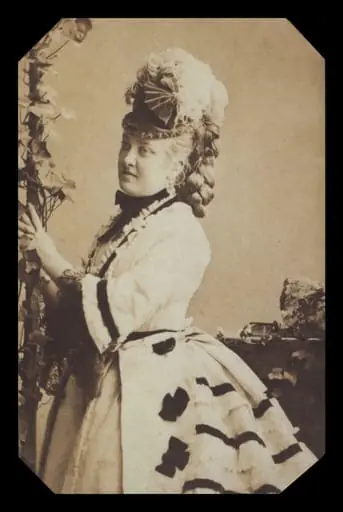
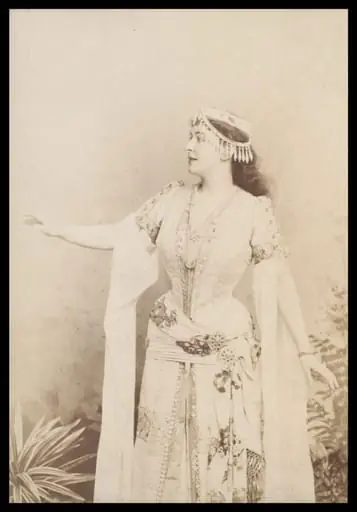
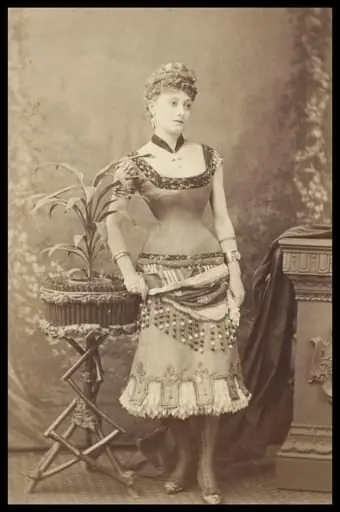
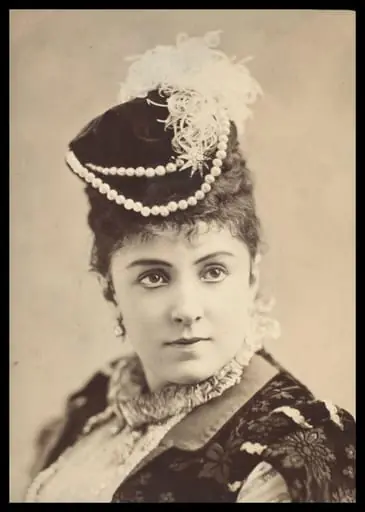
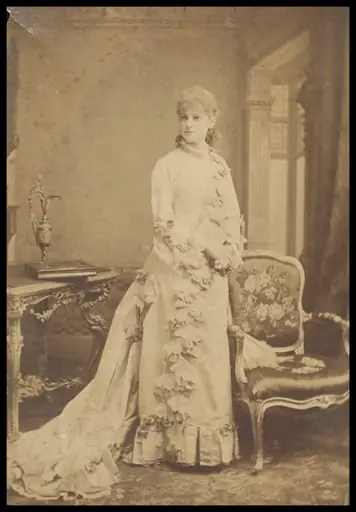
Guy Little Theatrical Photograph is a photographic photography by the Impressionist artist Elliot & Fry. It dates from 1887 and is held in the collection of the Victoria and Albert Museum. This photograph is an albumen print on card stock, created by the London studio Elliott & Fry in 1887.
About this work
These “cabinet cards” replaced tiny calling-card photos and became the trendy way to keep star portraits at home.
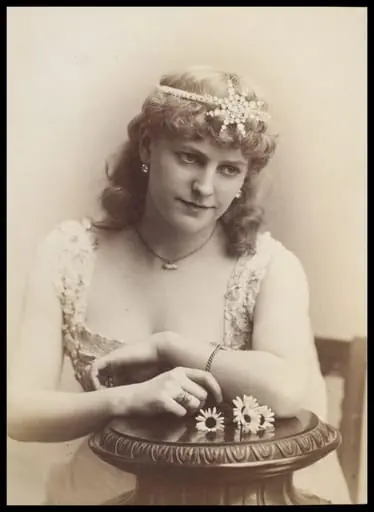
This photo captures actress Sylvia Grey as the Goddess of the Sun in a 1887 stage play. It’s an albumen print made from glass negatives, pasted on stiff card stock.
The image was taken by Elliott & Fry, a big Victorian photo studio. These “cabinet cards” replaced tiny calling-card photos and became the trendy way to keep star portraits at home.
Look up the Victoria and Albert Museum for more objects like this.
Overview
This photograph is an albumen print on card stock, created by the London studio Elliott & Fry in 1887. It depicts actress Sylvia Grey in costume as the Goddess of the Sun from the stage production of Frankenstein at the Gaiety Theatre. Originally part of a private collection assembled by Guy Tristram Little, it was later donated to the Victoria and Albert Museum. The format, known as a cabinet card, was a popular medium for theatrical portraiture in the late Victorian era, replacing the smaller carte de visite.
Subject & Meaning
Sylvia Grey portrays a mythic figure drawn from the theatrical adaptation of Mary Shelley’s novel, blending gothic drama with allegorical imagery. The role of the Goddess of the Sun likely symbolized enlightenment or natural force, contrasting with the creature’s isolation. Such portrayals allowed audiences to engage with abstract themes through recognizable theatrical archetypes, reinforcing the performer’s status as both artist and cultural icon.
Technique & Style
The image was produced using the albumen printing process, which involved coating paper with egg white and salt, then sensitizing it with silver nitrate. It was printed from a glass negative, a standard method for sharp, detailed portraits at the time. Elliott & Fry, known for their theatrical photography, employed formal composition and controlled lighting to emphasize costume and expression, aligning the image with the conventions of studio portraiture.
History & Provenance
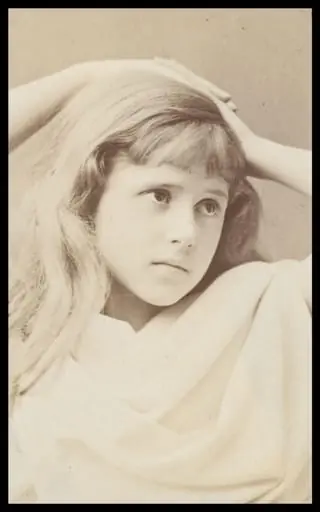
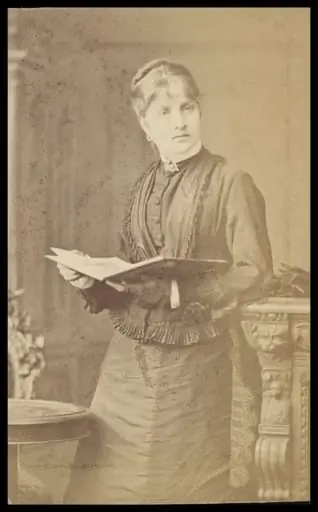
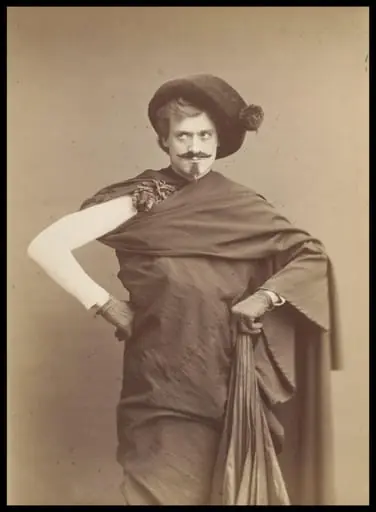
The photograph belonged to Guy Tristram Little, a solicitor and avid collector of ephemera, who systematically mounted and preserved hundreds of cabinet cards and cartes de visite. After his death in 1953, his collection was bequeathed to the V&A. Little was also the executor of Gabrielle Enthoven’s estate, whose theatrical holdings formed the core of the museum’s theatre archive, linking this image to a broader institutional effort to document stage history.
Context
In the 1880s, cabinet cards were widely collected by the middle class as souvenirs of popular performances. Theatrical photography served both promotional and personal functions, allowing fans to maintain a tangible connection to performers. Studios like Elliott & Fry catered to this demand, producing standardized images that circulated in albums, reflecting the era’s fascination with celebrity and the growing intersection of theatre and mass media.
Legacy
This photograph contributes to a significant archive of Victorian theatrical culture preserved at the V&A. As one of many items from Little’s collection, it exemplifies how private collecting shaped institutional memory. Its survival offers insight into audience engagement, costume design, and the visual representation of performance at a time when photography was becoming a primary medium for documenting live art.
Artist & collection
Artist