Artwork
Guy Little Theatrical Photograph
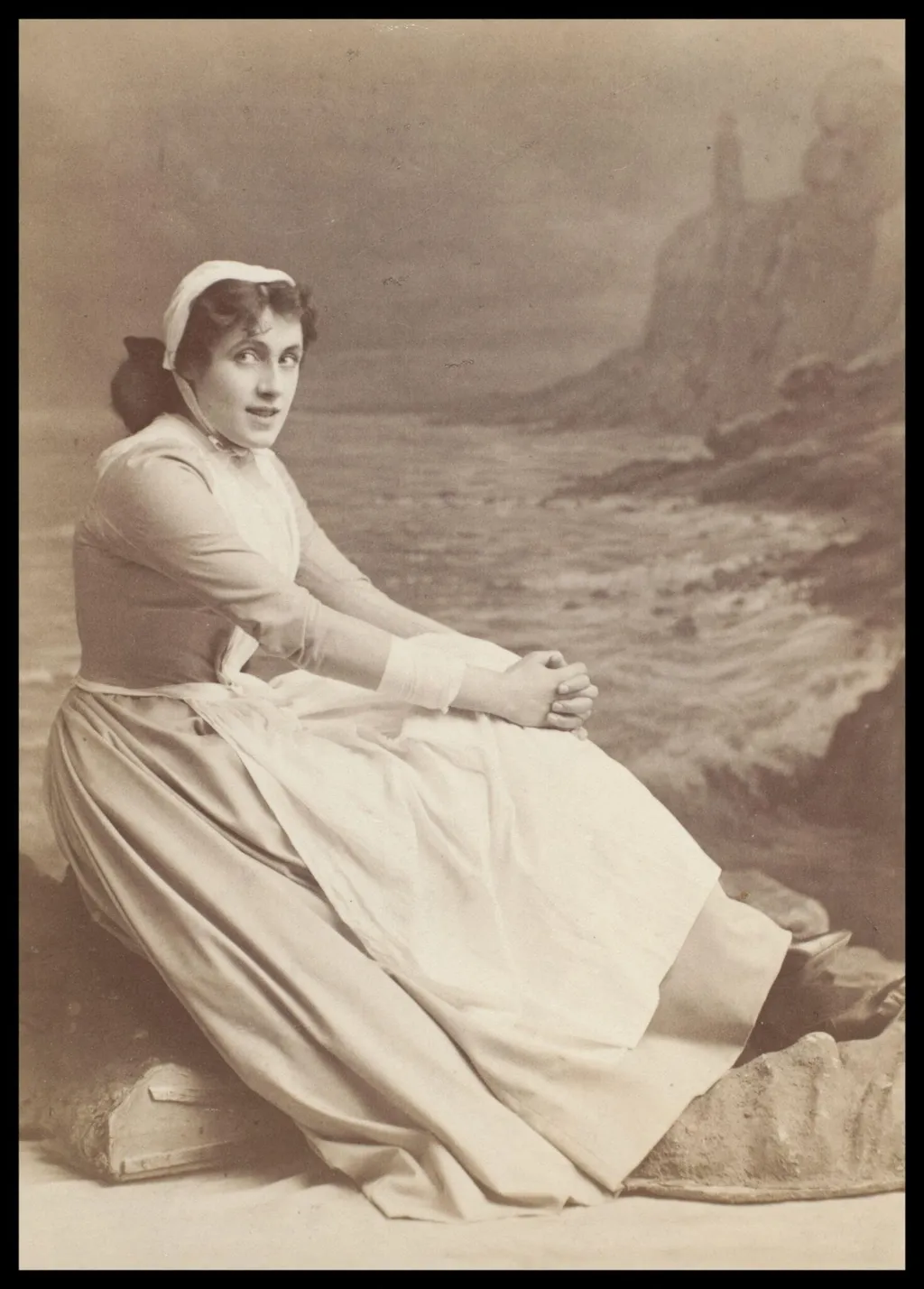
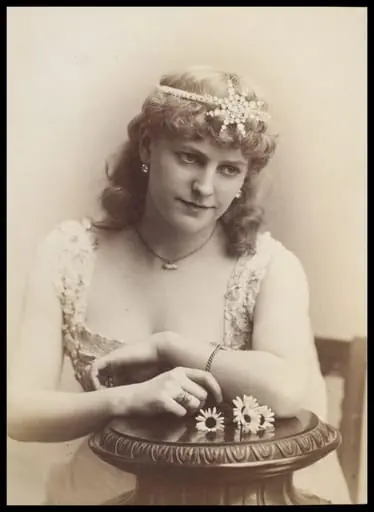
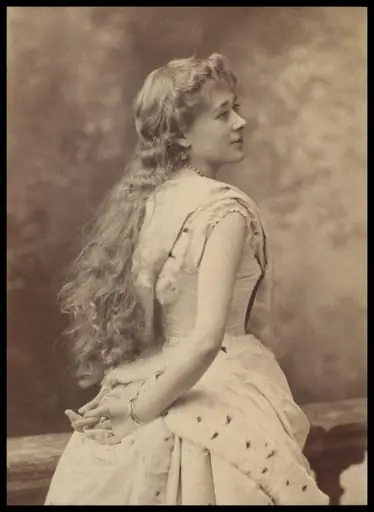
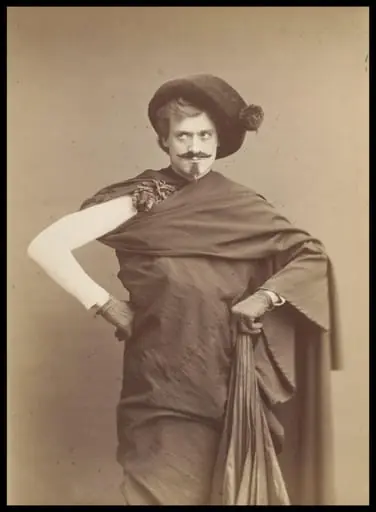
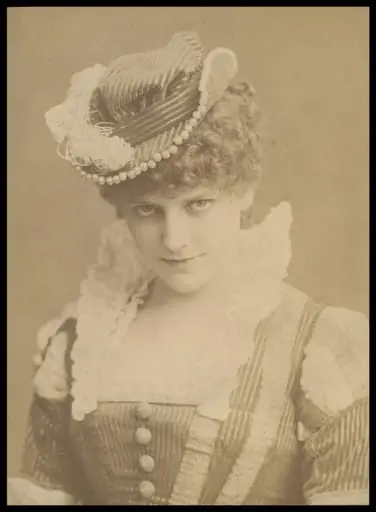
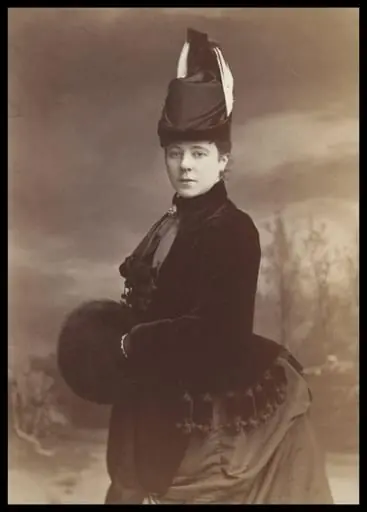
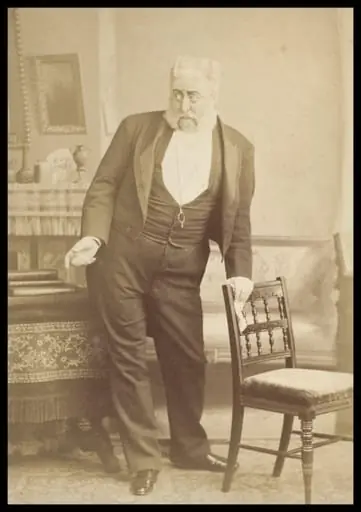
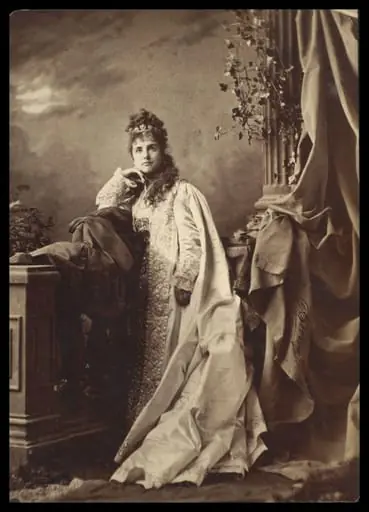
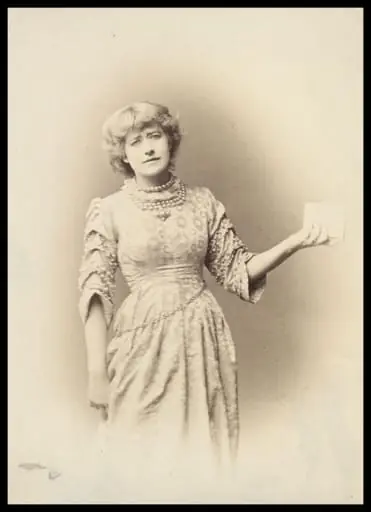
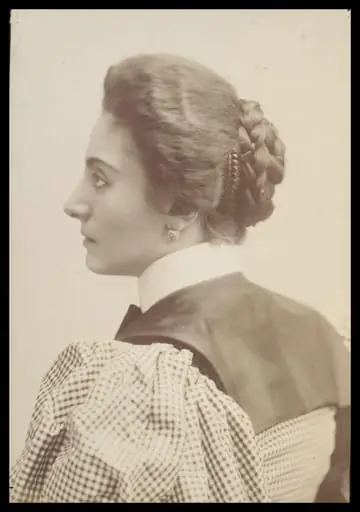
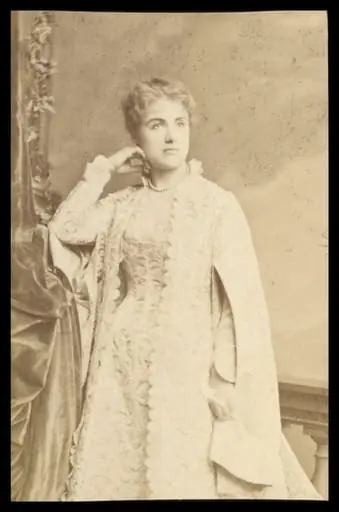
Guy Little Theatrical Photograph is a photographic photography by the Impressionist artist Elliot & Fry. It dates from 1891 and is held in the collection of the Victoria and Albert Museum. This photograph captures Julia Neilson in character as Drusilla from the 1891 production of The Dancing Girl at London’s Haymarket Theatre.
About this work
This photo shows Julia Neilson as Drusilla in a play called *The Dancing Girl* at the Haymarket Theatre. It was taken in 1891 by Elliot & Fry, a photography studio.
Back then, actors often had studio portraits made for fans. These were printed on card, like calling cards, and sold as souvenirs.
Next time you're in London, check out the same photo at the Victoria and Albert Museum.
Overview
This photograph captures Julia Neilson in character as Drusilla from the 1891 production of The Dancing Girl at London’s Haymarket Theatre.
This photograph captures Julia Neilson in character as Drusilla from the 1891 production of The Dancing Girl at London’s Haymarket Theatre. Taken by the established studio Elliot & Fry, it is one of many theatrical portraits collected by Guy Tristram Little, a solicitor and avid keeper of visual memorabilia. The image was originally mounted on a cabinet card, a format popular in the late 19th century, and later removed from its backing and preserved in Little’s personal albums, which he bequeathed to the V&A.
Subject & Meaning
Julia Neilson portrayed Drusilla, a character in a melodramatic play centered on cultural displacement and romantic tension. The photograph preserves her performance in costume, offering a tangible link to the theatrical experience of the time. Such images served as both promotional tools and fan souvenirs, allowing audiences to extend their engagement with the stage beyond the performance itself. The pose and attire reflect the dramatic conventions of the era, emphasizing emotional intensity and exoticized costume design.
Technique & Style
The image was produced using the albumen printing process on paper, mounted on a stiff card backing typical of cabinet cards from the 1880s–1890s. Elliot & Fry, a leading London studio, employed controlled studio lighting and posed compositions to enhance theatricality. The photograph’s sharp focus and formal framing reflect the technical precision of the period, while the absence of background detail directs attention entirely to the actor’s presence and costume, aligning with contemporary portrait conventions.
History & Provenance
The photograph was part of Guy Tristram Little’s extensive collection of theatrical memorabilia, which included thousands of cartes de visite and cabinet cards. Little, a partner in a legal firm and executor of Gabrielle Enthoven’s estate, systematically removed these images from their original mounts and organized them into albums. Upon his death in 1953, the collection was donated to the V&A, forming a key component of its Theatre and Performance holdings.
Context
In the late 19th century, theatrical photography flourished as a commercial and cultural practice. Actors like Neilson were regularly photographed in costume to meet public demand for personal mementos. Cabinet cards replaced earlier cartes de visite as the preferred format, offering greater detail and durability. These images circulated widely, functioning as both advertising and collectibles, and helped shape the public’s visual memory of stage performances before the advent of film.
Legacy
Little’s collection preserved a vast archive of ephemeral theatrical culture, ensuring that performances otherwise lost to time remain visually documented. The photograph of Neilson as Drusilla exemplifies how personal collecting practices contributed to institutional heritage. Today, it serves as a primary resource for scholars studying Victorian theatre, costume, and the evolving relationship between performance and mass media.
Artist & collection
Artist