Artwork
Guy Little Theatrical Photograph
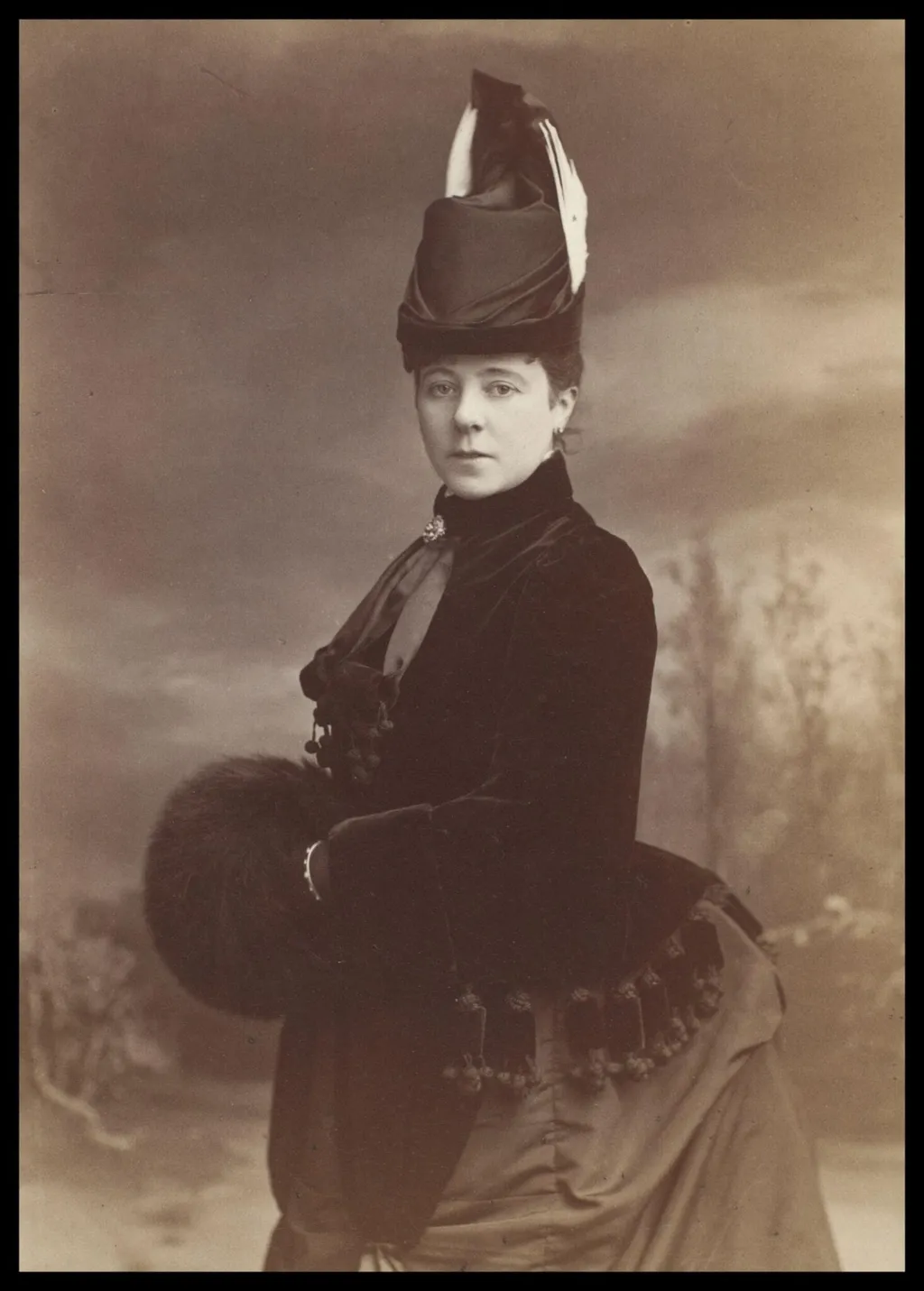
Guy Little Theatrical Photograph is a photographic photography by the Impressionist artist Elliot & Fry. It dates from 1888 and is held in the collection of the Victoria and Albert Museum.
About this work
Overview
Little preserved these images by removing them from their original backings and mounting them in personal albums, later bequeathing the collection to the V&A.
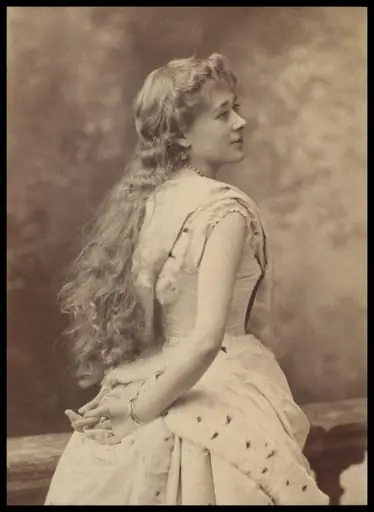
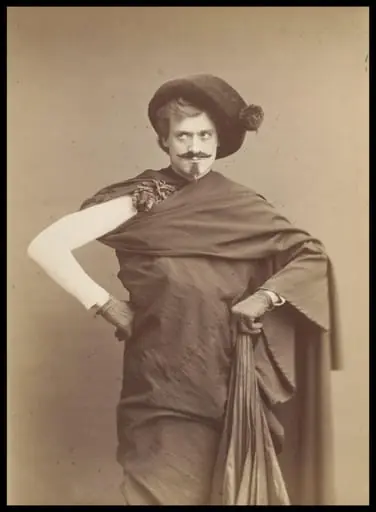
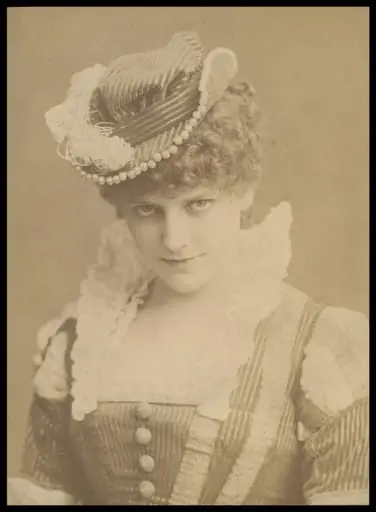
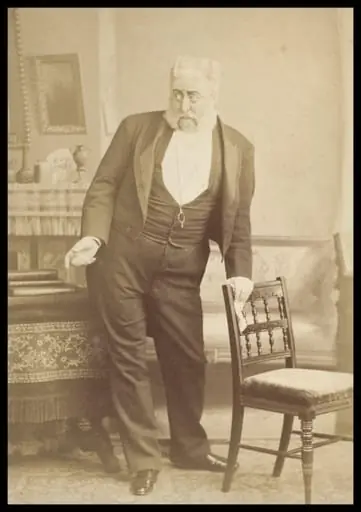
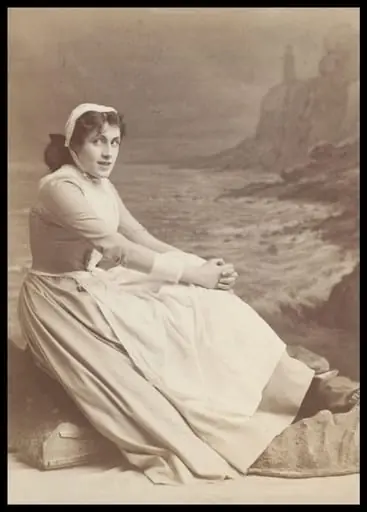
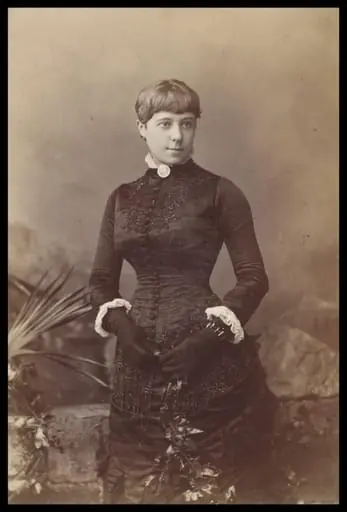
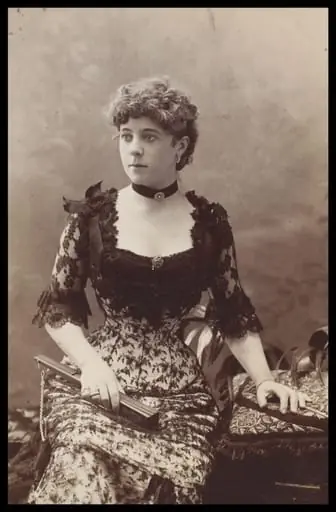
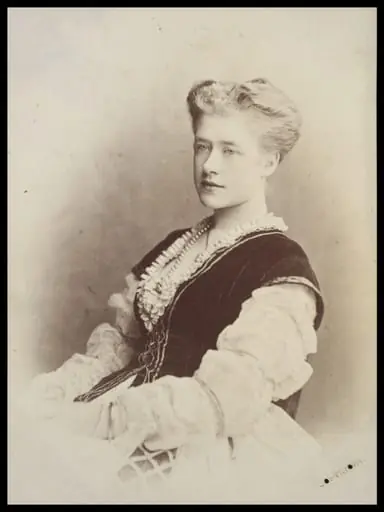
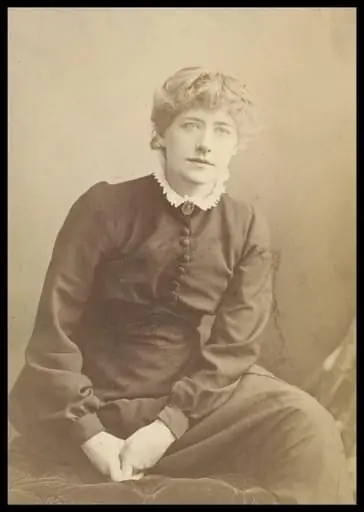
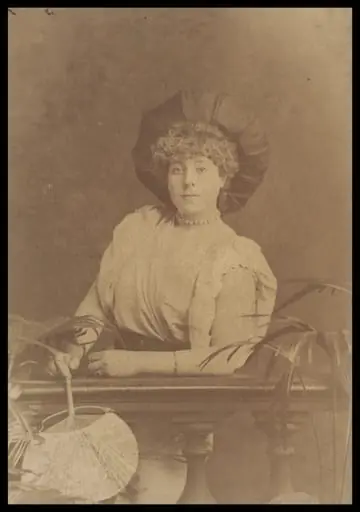
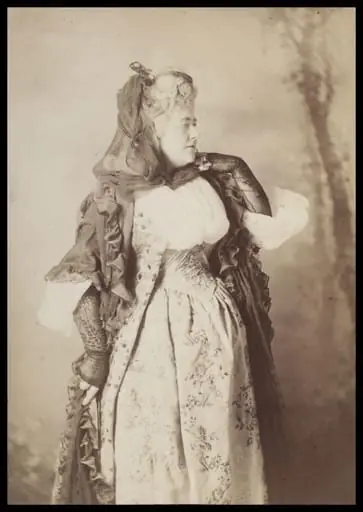
This photograph of actress Nellie Farren is one of many collected by Guy Tristram Little, a legal professional and avid archivist of popular visual culture. Taken in a studio setting during the late 19th century, it belongs to a widespread practice of producing actor portraits on card mounts. Little preserved these images by removing them from their original backings and mounting them in personal albums, later bequeathing the collection to the V&A.
Subject & Meaning
Nellie Farren, a prominent comic actress of the Victorian stage, is depicted here in theatrical costume, reflecting her public persona. Such portraits served as both promotional tools and personal mementos, allowing audiences to connect with performers beyond the stage. The image captures her in character, reinforcing the cultural habit of collecting celebrity likenesses as part of domestic entertainment and social identity.
Technique & Style
The photograph is an albumen print made from a glass negative, printed on thin paper and affixed to a stiff card backing. This was the standard method for cartes de visite and later cabinet cards, which differed primarily in size. The studio lighting and posed composition reflect conventions of the time, emphasizing clarity and formal presentation over spontaneity, typical of commercial portrait photography in mid-to-late Victorian Britain.
History & Provenance
The image was part of Guy Little’s personal collection of theatrical photographs, gathered over decades and systematically mounted in albums. Little, a solicitor and executor of Gabrielle Enthoven’s estate, inherited and expanded her extensive theatrical archive. His collection, donated to the V&A, became foundational to the museum’s Theatre Collections, preserving ephemeral performance culture through physical artifacts.
Context
During the 1860s–1890s, cartes de visite and cabinet cards were mass-produced and widely collected, functioning as early forms of celebrity memorabilia. Actors and actresses were among the most popular subjects, alongside royalty and scenic views. The format’s popularity declined as postcards and newer photographic processes emerged, but the surviving examples now offer insight into Victorian visual habits and the commercialization of fame.
Legacy
Little’s preservation of these images ensured the survival of a fragile, once-common medium that might otherwise have been discarded. His collection, now housed at the V&A, provides scholars with material to study performance, photography, and popular culture in the 19th century. The archive remains a vital resource for understanding how theatrical identity was constructed and consumed outside the live performance space.
Artist & collection
Artist

 Guy Little Theatrical Photographs
 Guy Little Theatrical Photographs
 Guy Little Theatrical Photographs
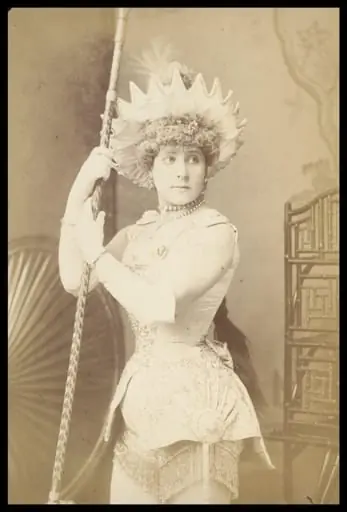 Guy Little Theatrical Photographs
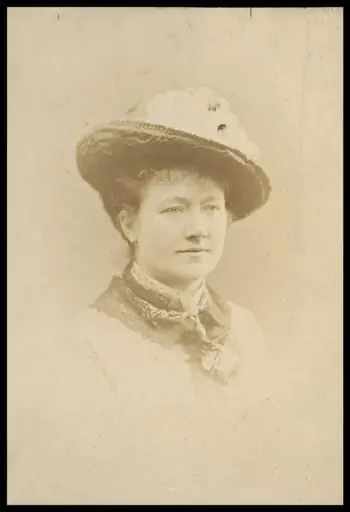 Guy Little Theatrical Photographs
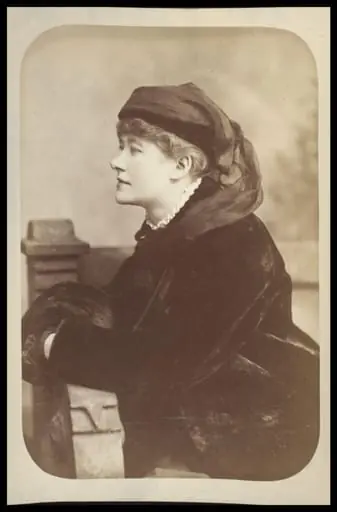 Guy Little Theatrical Photographs
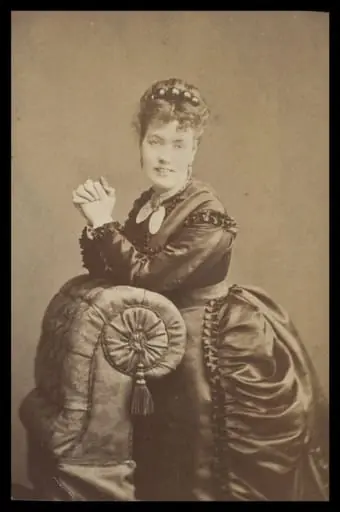 Guy Little Theatrical Photograph
 Guy Little Theatrical Photographs
 Guy Little Theatrical Photographs
 Guy Little Theatrical Photographs