Artwork
Innenansicht einer barocken Kirche
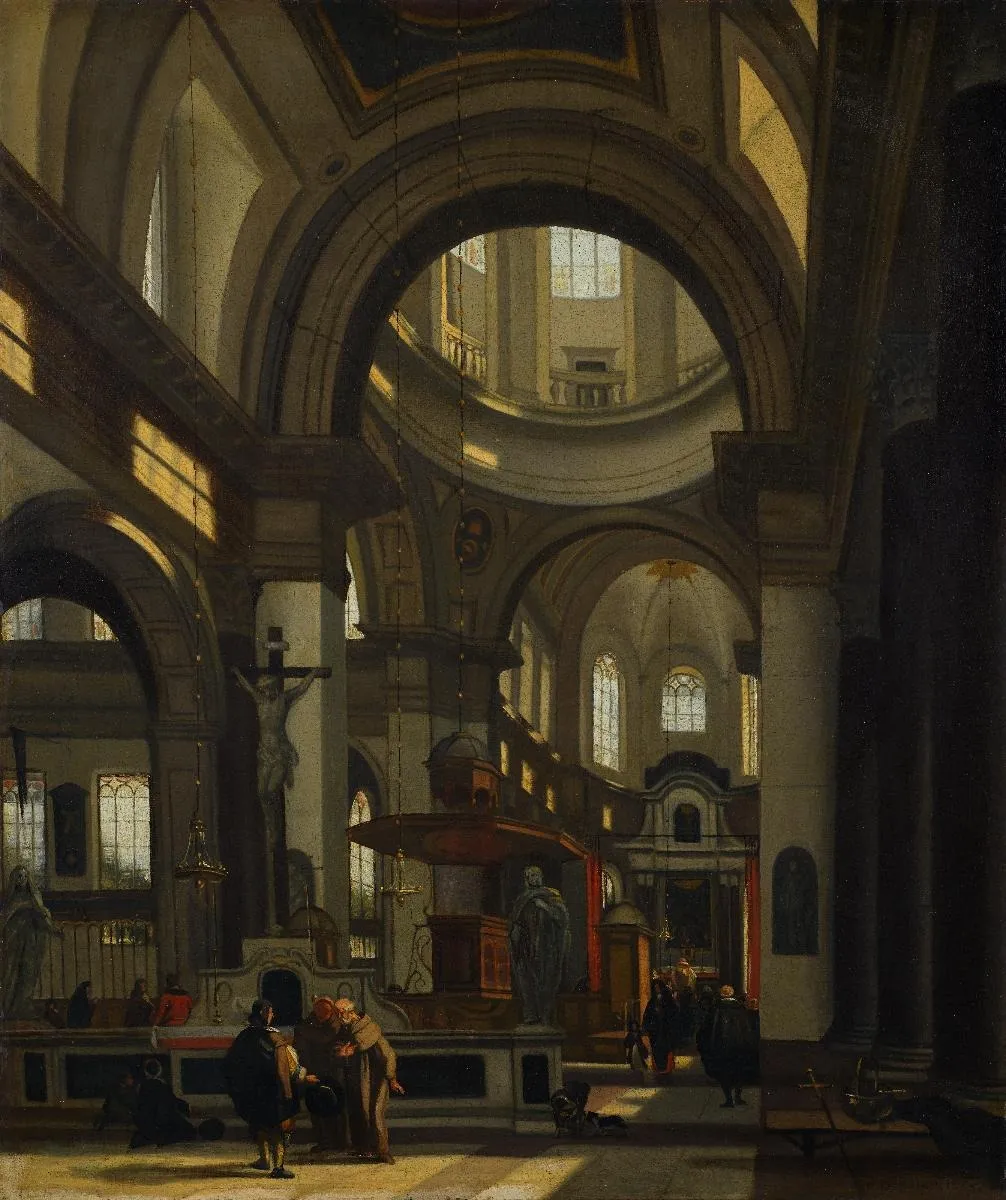
Innenansicht einer barocken Kirche is an oil painting by the Dutch Golden Age artist Emanuel de Witte. It is held in the collection of the Kunsthaus Zürich.
About this work
Overview
Painted in 1693 by Emanuel de Witte, this oil on canvas depicts the interior of a Baroque church. The work is part of the collection at Kunsthaus Zürich and exemplifies de Witte’s focus on architectural spaces imbued with human presence. The composition emphasizes spatial depth and the interplay of light and shadow, characteristic of Dutch interior painting in the late 17th century.
Subject & Meaning
A group of men near the altar engage in subdued conversation, hinting at the intersection of religious ritual and everyday social life.
The scene captures a quiet moment within a sacred space, where worshippers are arranged in varied postures—standing, kneeling, seated—suggesting private devotion amid communal worship. A group of men near the altar engage in subdued conversation, hinting at the intersection of religious ritual and everyday social life. The absence of overt ceremony underscores a contemplative, intimate atmosphere.
Technique & Style
De Witte employs chiaroscuro to model the vaulted ceiling and stone surfaces, enhancing the illusion of depth. Soft, directional light enters through a high arched window, illuminating dust motes and architectural details while casting gentle shadows across the floor. The brushwork is precise yet unobtrusive, allowing the architecture to dominate while subtly integrating figures as natural elements within the space.
History & Provenance
The painting was completed in the final years of de Witte’s career, during which he specialized in church interiors. It entered the Kunsthaus Zürich collection in the 20th century, following earlier ownership by private collectors in the Netherlands. Its preservation reflects sustained interest in Dutch Golden Age architectural painting, though its specific provenance prior to the 1900s remains partially undocumented.
Context
In late 17th-century Holland, church interiors were popular subjects, reflecting both Protestant austerity and the cultural value placed on spatial order. De Witte’s works diverged from grand religious narratives, instead focusing on the quiet dignity of ordinary life within sacred architecture. This painting aligns with a broader trend of secularized spiritual observation in Dutch art after the Reformation.
Legacy
De Witte’s church interiors influenced later artists interested in architectural perspective and atmospheric lighting. While not widely celebrated in his lifetime, his careful rendering of light and space contributed to the evolution of interior painting in Europe. Today, his works are studied for their nuanced depiction of social behavior within religious settings, offering insight into Dutch civic and spiritual life.
Artist & collection

Artist
Emanuel de Witte was born circa 1617 in Alkmaar, the son of Pieter de Wit, a local schoolmaster.

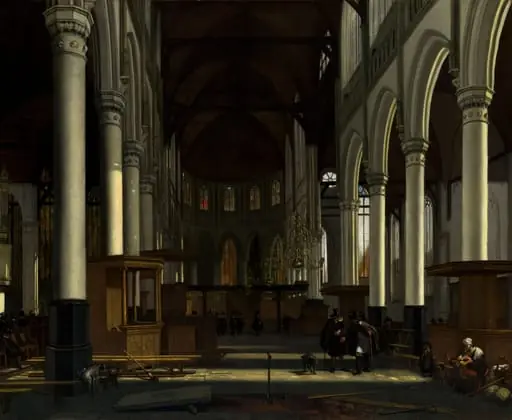 The Interior of the Oude Kerk, Amsterdam
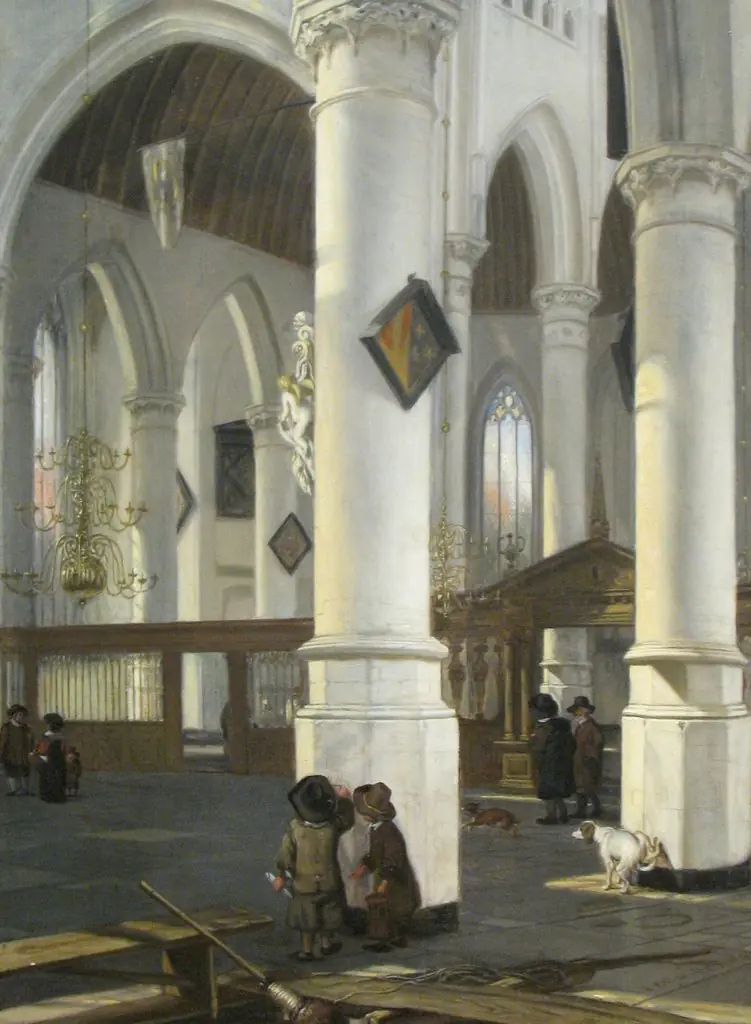 Interior of the Oude Kerk, Delft
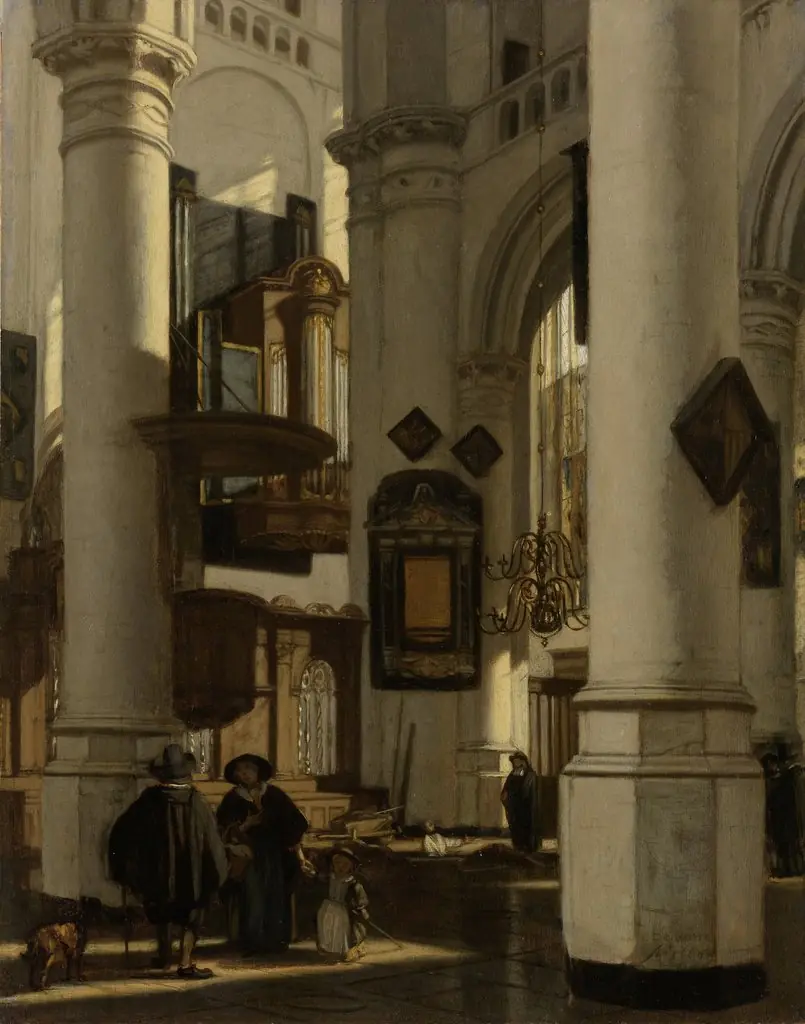 Interior of a Protestant, Gothic Church, with a Gravedigger in the Choir
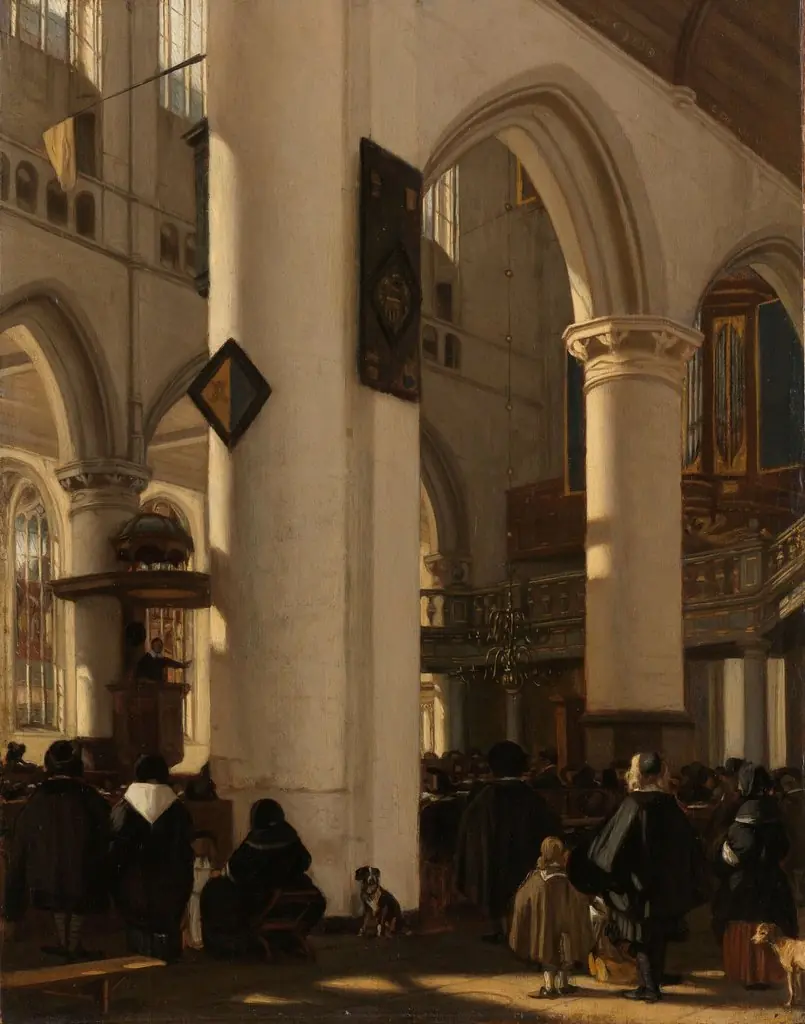 Interior of a Protestant, Gothic Church during a Service
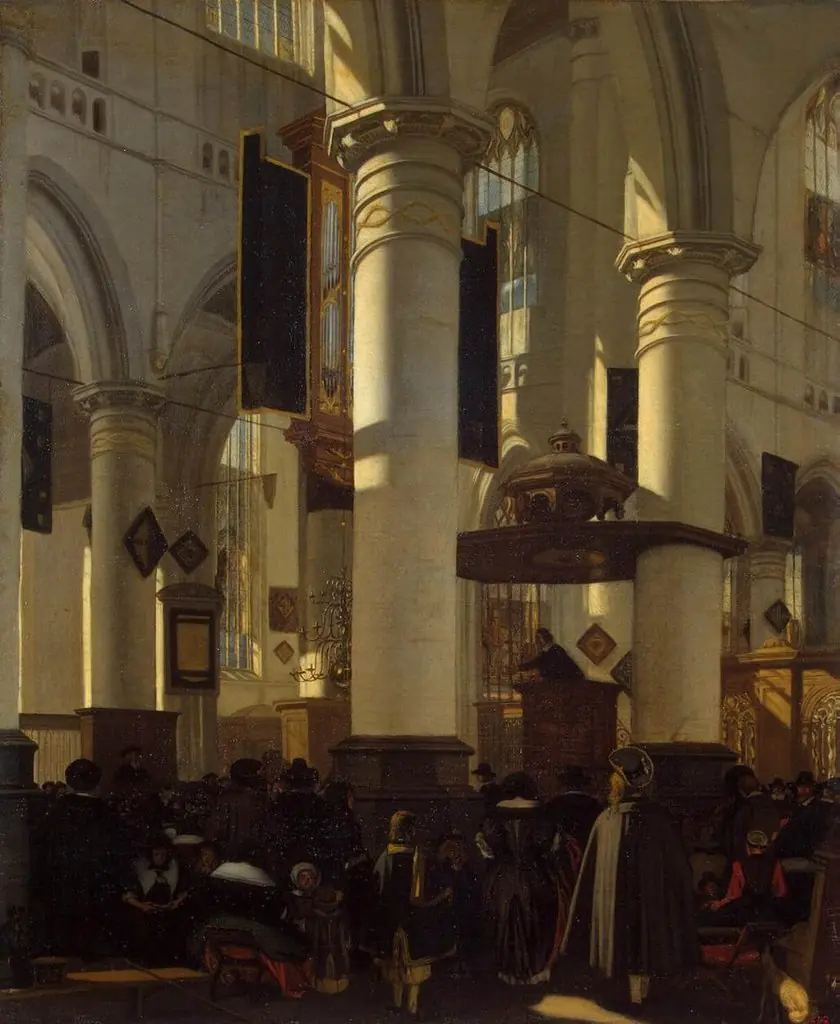 Interior of a Church
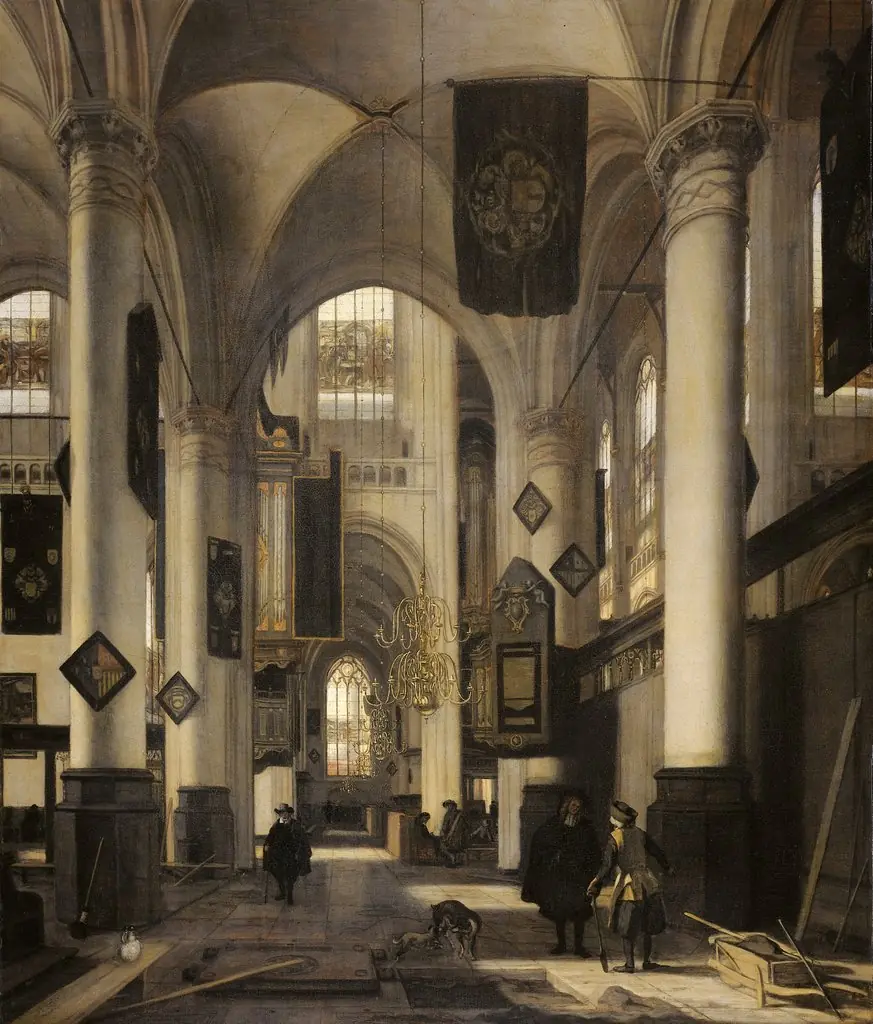 Interior of a Protestant Gothic Church
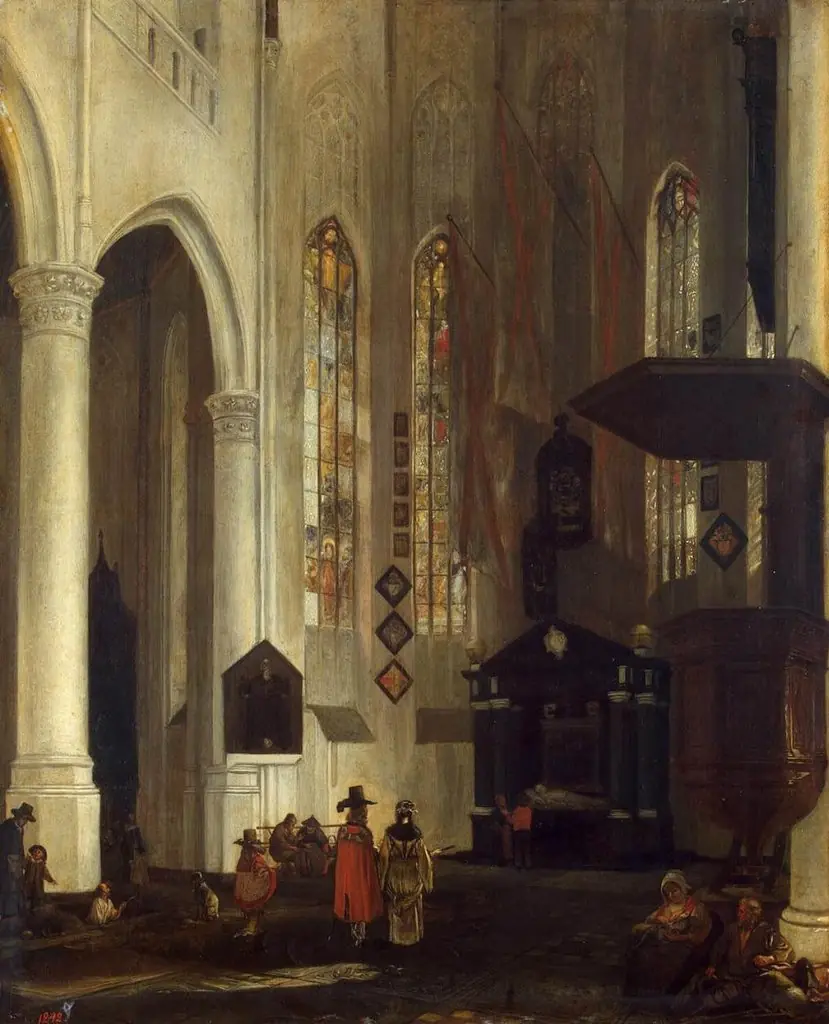 Old Church (Oudekerk) in Delft with the Tomb of Admiral Pieter Pieterszoon Hein (Heyn)
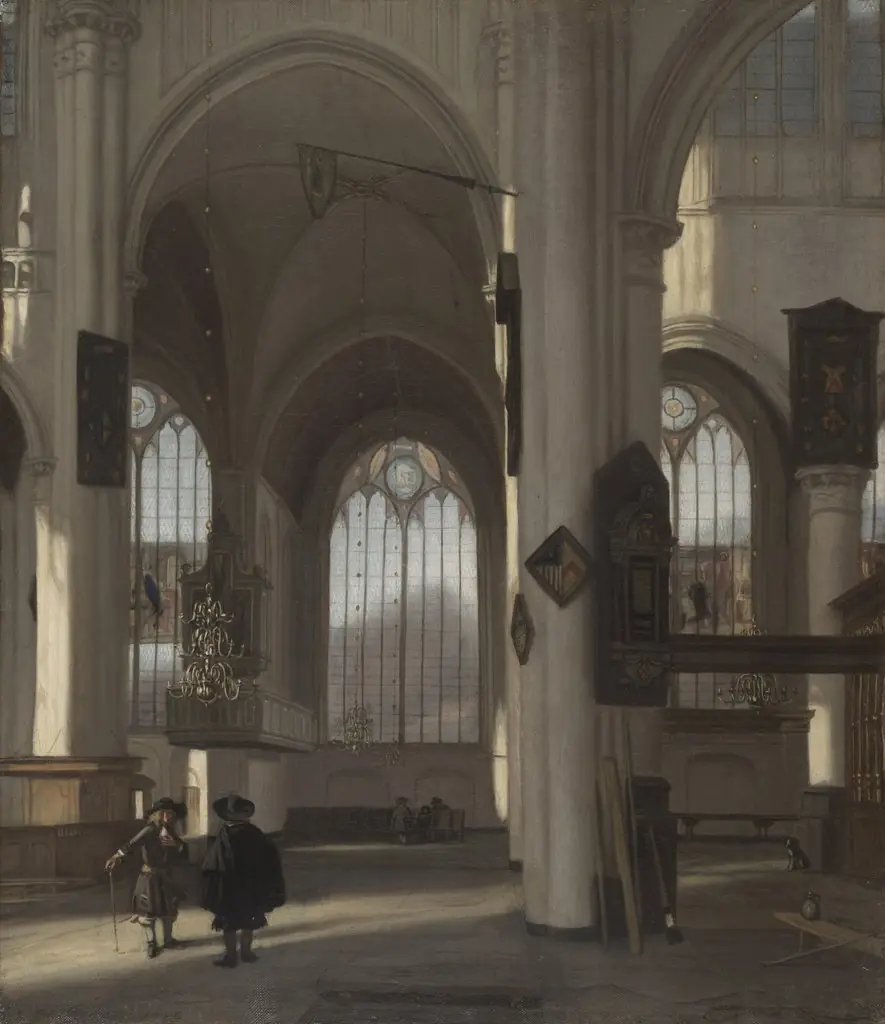 Interior of a Church
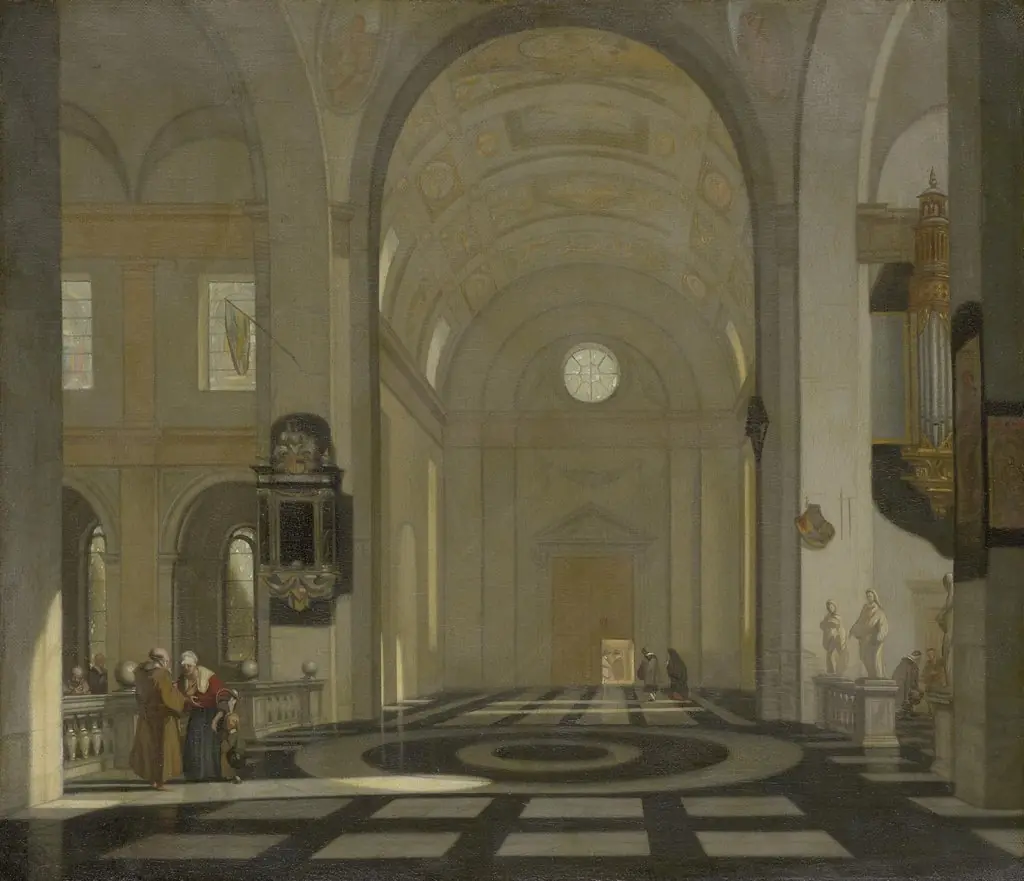 Interior of a Baroque Church
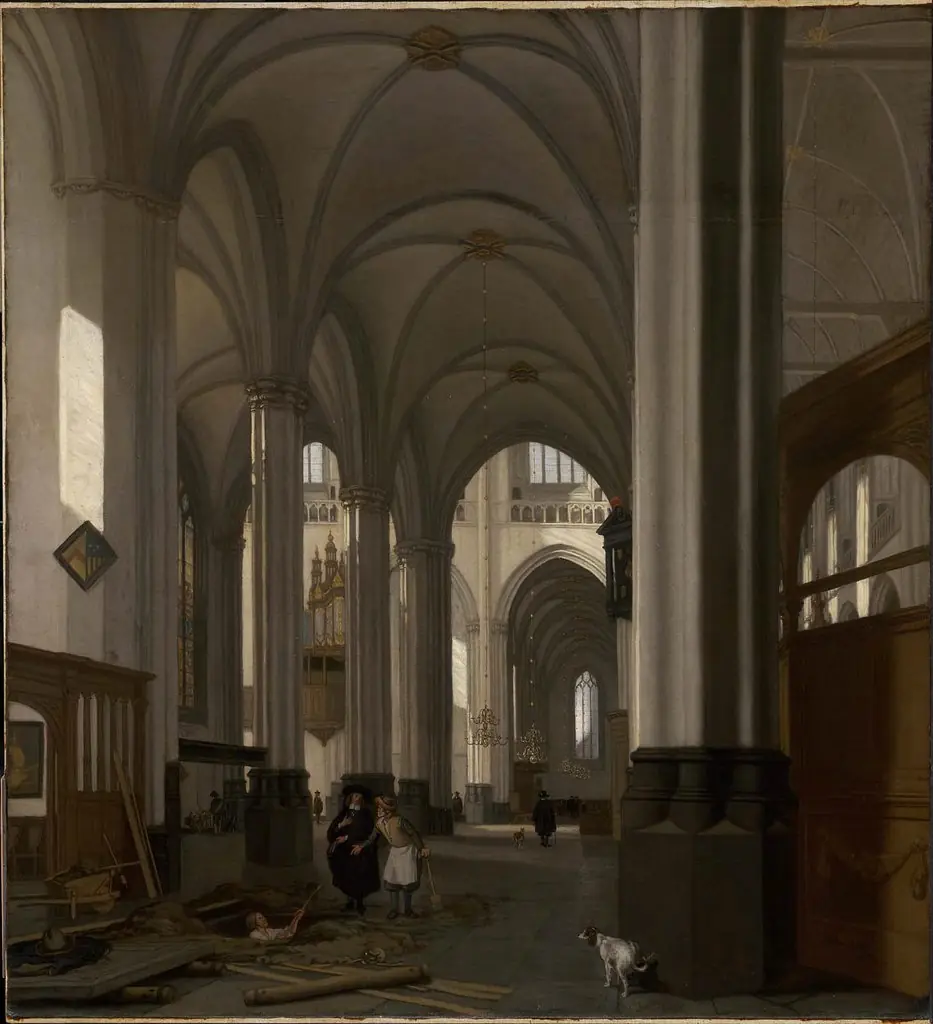 Interior of the Nieuwe Kerk, Amsterdam
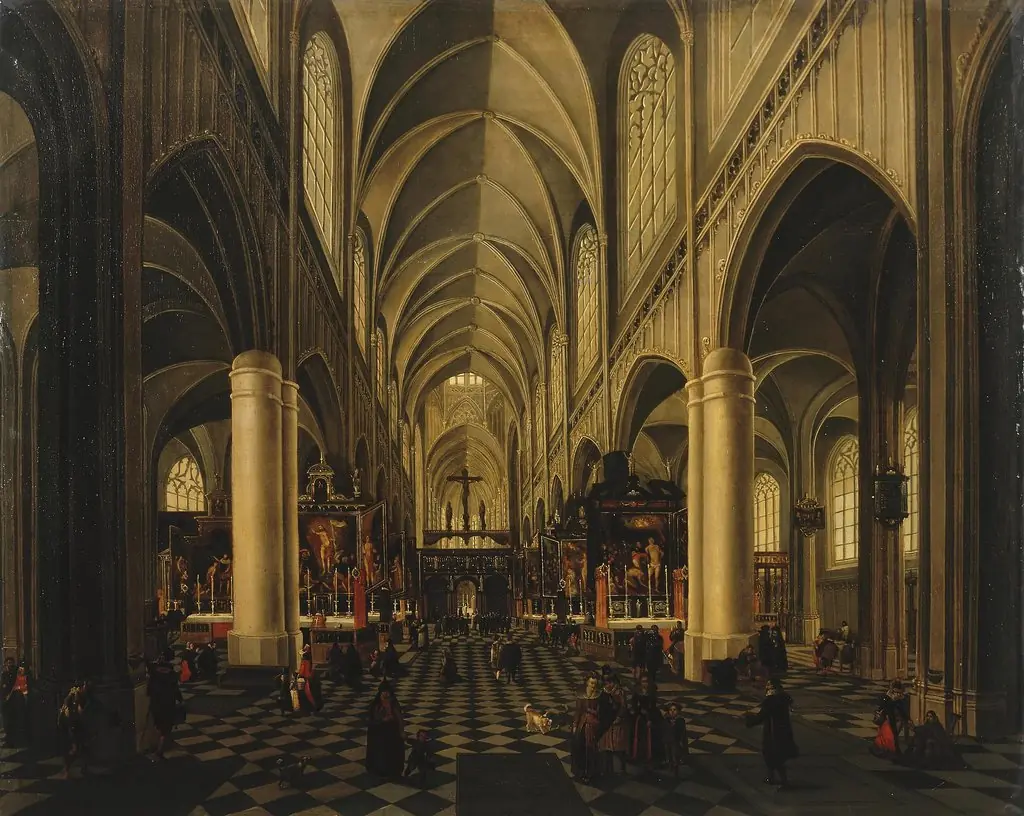 Interior of a Gothic Church
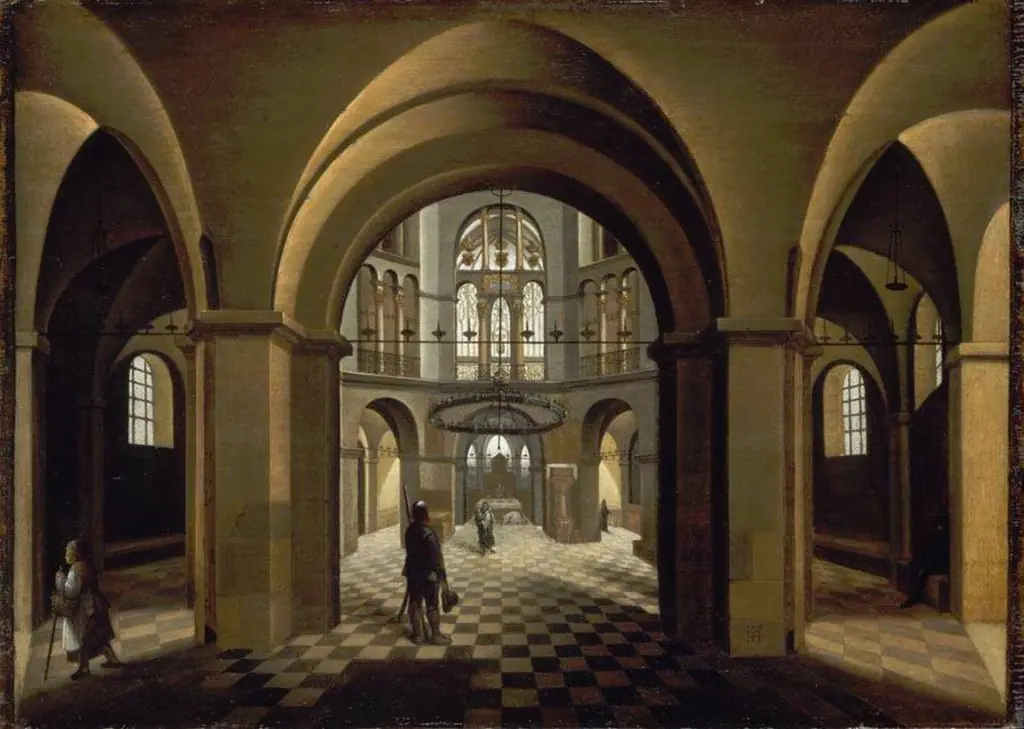 Interior of the Palatine Chapel in the Cathedral of Aachen
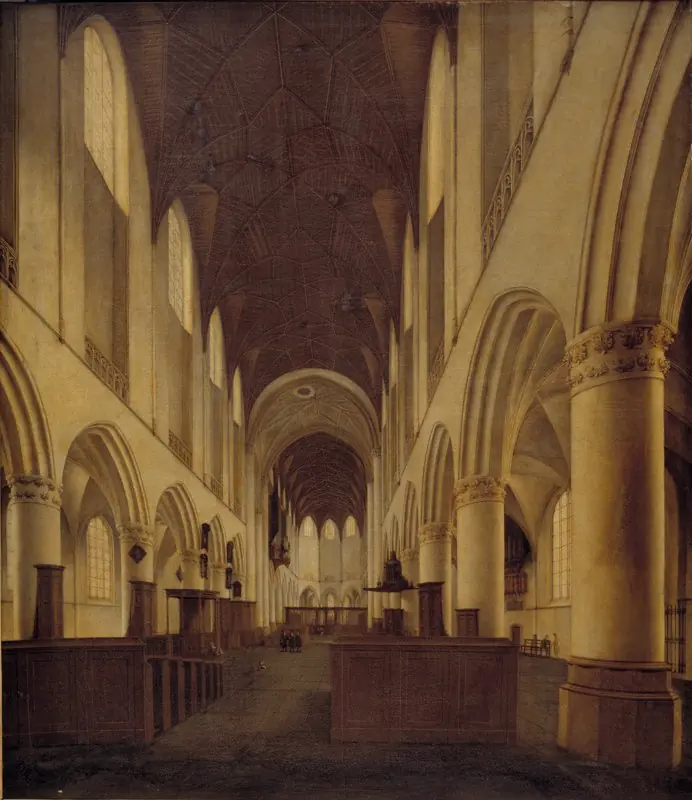 Interior of St Bavo Church in Haarlem. View from the Nave towards the Choir
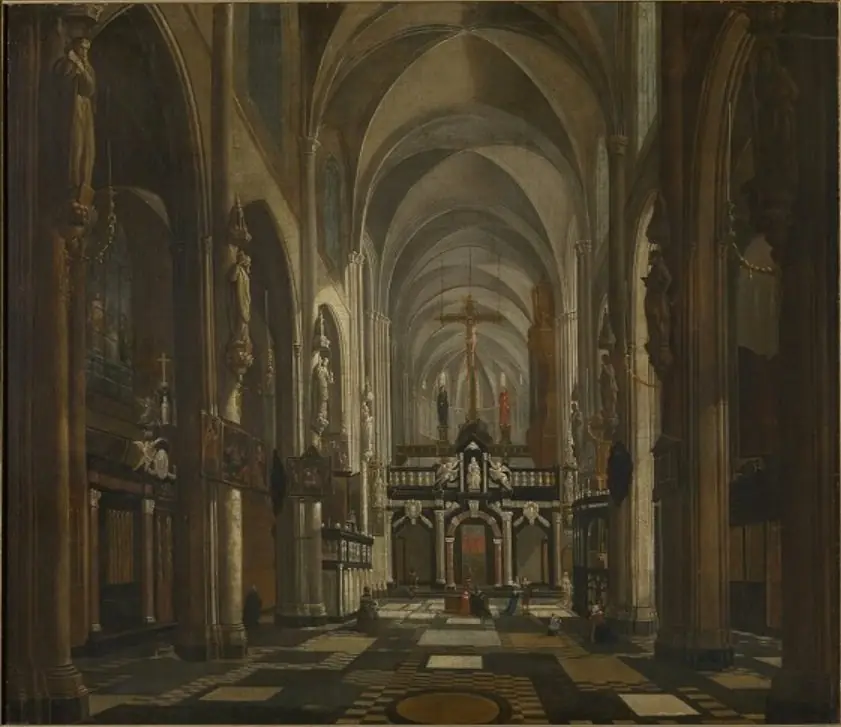 Interior of the former Saint Donatus Church in Bruges
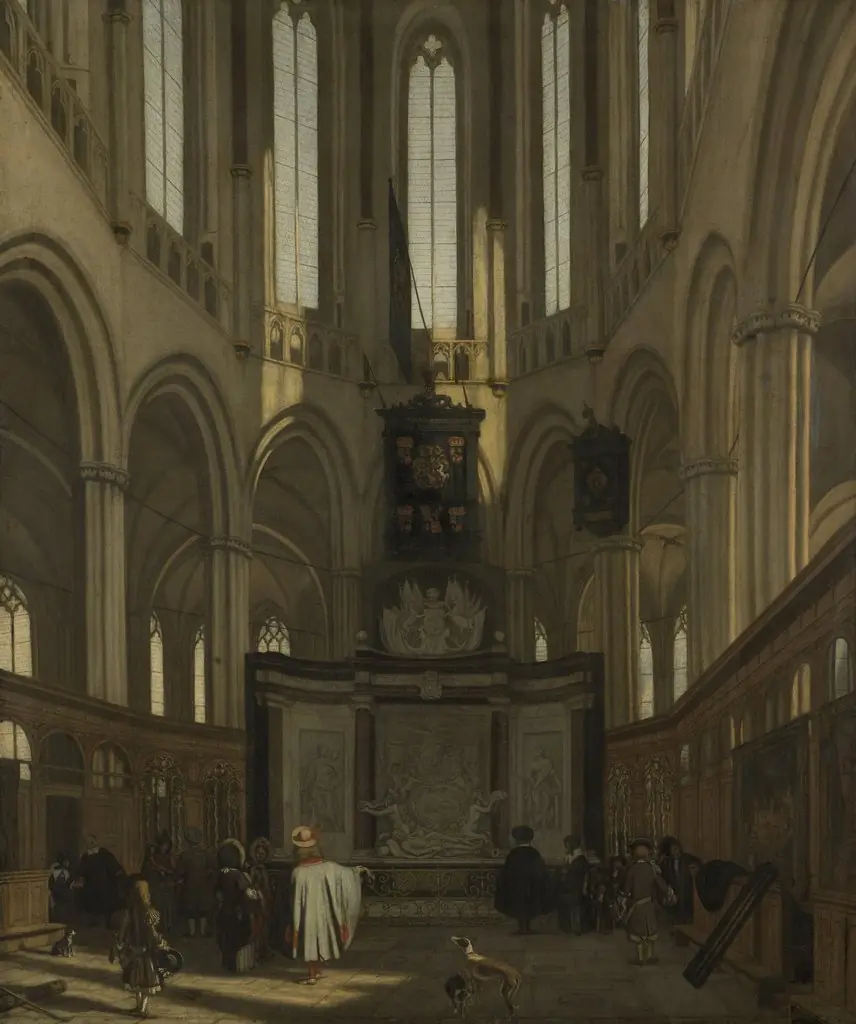 The Tomb of Michiel de Ruyter in the Nieuwe Kerk, Amsterdam
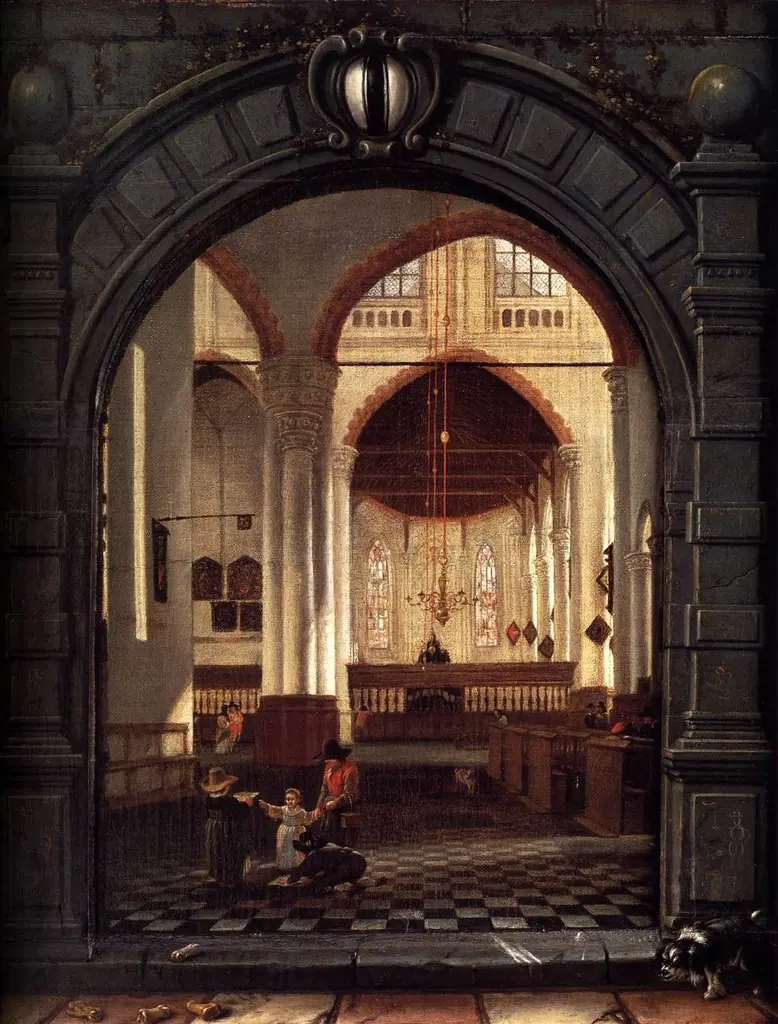 Interior of the Oude Kerk, Delft, Seen through a Stone Archway
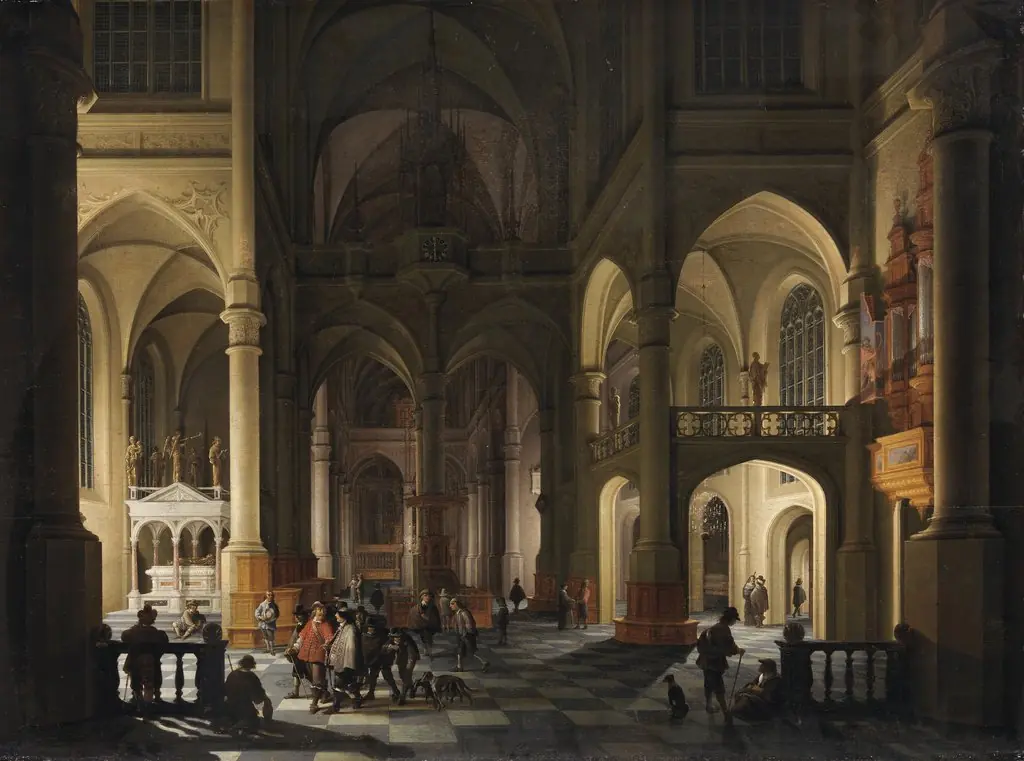 An Interior of a Church
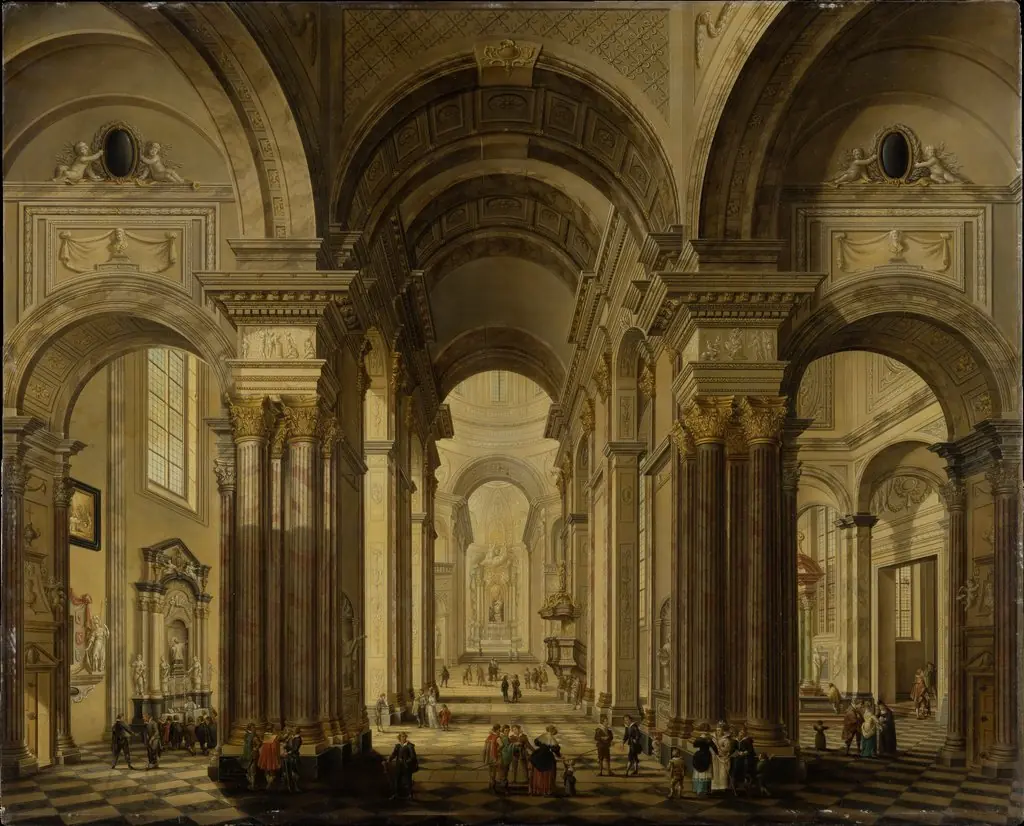 Interior of a Baroque Church