Artwork
Greenwich Park
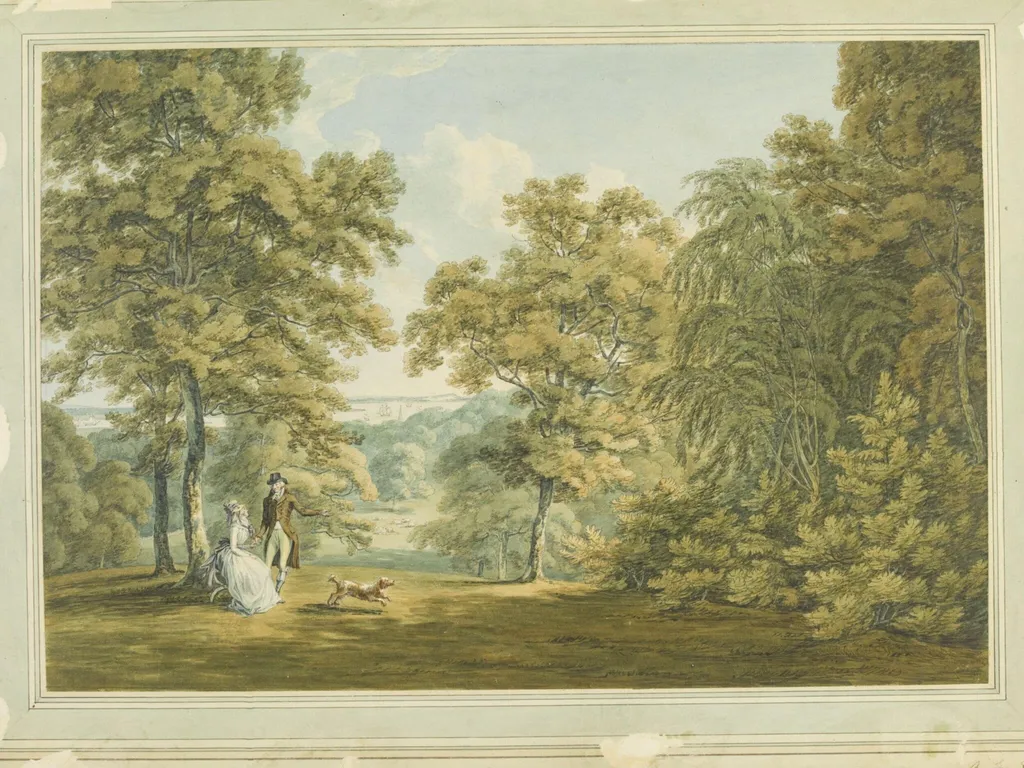
Greenwich Park is a watercolor work on paper by the British Romanticist artist John Emes. It dates from 1794 and is held in the collection of the Victoria and Albert Museum.
About this work
Overview
Created circa 1794, *Greenwich Park* is a watercolour painting by the British artist John Emes. It captures a quiet moment in a London park, rendered with delicate washes that emphasize atmosphere over detail. The work is part of the Victoria and Albert Museum’s collection and reflects the emerging sensibilities of British Romanticism, favoring naturalism and emotional tone over formal grandeur.
Subject & Meaning
The scene portrays a seated woman in a white gown beside a standing man in a dark coat, their posture suggesting quiet companionship.
The scene portrays a seated woman in a white gown beside a standing man in a dark coat, their posture suggesting quiet companionship. A spaniel, mid-motion, dashes toward them, introducing subtle movement into the stillness. The figures are small within the landscape, reinforcing a sense of harmony between humans and nature. The painting evokes contemplation rather than narrative, aligning with Romantic ideals of introspection and tranquility.
Technique & Style
Emes employed transparent watercolour washes to achieve a soft, luminous quality. Delicate layering suggests distance in the rolling hills and hazy sky, while fine brushwork defines the figures and dog without sharp outlines. The absence of heavy detail and the gentle blending of tones reflect the Romantic preference for mood and atmosphere, distinguishing it from the precision of earlier topographical traditions.
History & Provenance
John Emes, primarily known as an engraver, produced a modest body of watercolours, of which *Greenwich Park* is a surviving example. The painting entered the Victoria and Albert Museum’s collection through its established holdings of British decorative and fine arts. Its provenance prior to museum acquisition remains undocumented, though it likely circulated among private collectors in the 19th century.
Context
Painted during the height of British Romanticism, *Greenwich Park* responds to a cultural shift toward valuing nature as a source of emotional resonance. While urbanization expanded London, parks like Greenwich offered accessible retreats, idealized in art as sanctuaries of peace. Emes’s work aligns with contemporaries who depicted everyday rural or semi-rural scenes with quiet dignity, away from grand historical themes.
Legacy
Though John Emes is not widely remembered today, *Greenwich Park* endures as a representative example of late 18th-century British watercolour practice. It illustrates how amateur and professional artists alike used the medium to explore intimate, lyrical landscapes. The painting contributes to the broader understanding of how Romantic sensibilities manifested in smaller, personal works rather than monumental canvases.
Artist & collection
Artist
John Emes (1762–1810) was a British engraver and watercolour painter. His wife Rebecca Emes ran a successful silver business after his death.

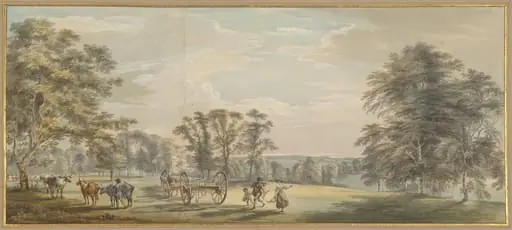 Dawn in Luton Park
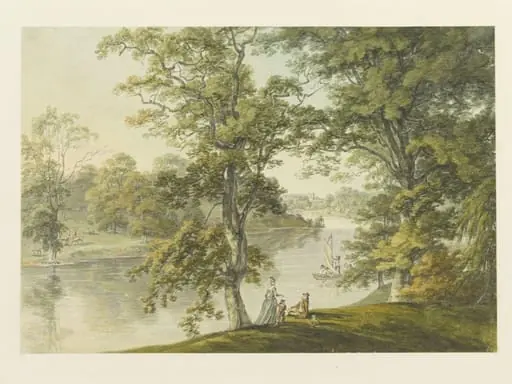 Wynnstay Park, Derbyshire
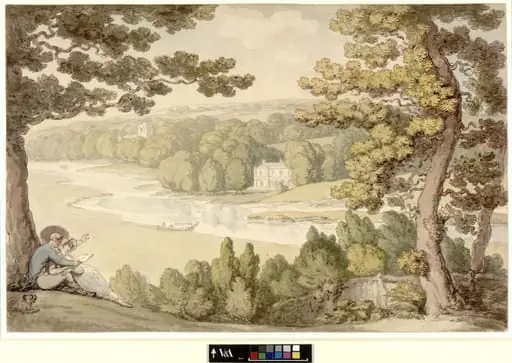 The Country House
 Windsor Castle from the Great Park, near the End of the Long Walk
 Deer Resting in Albury Park
 St. James's Park
 Untitled
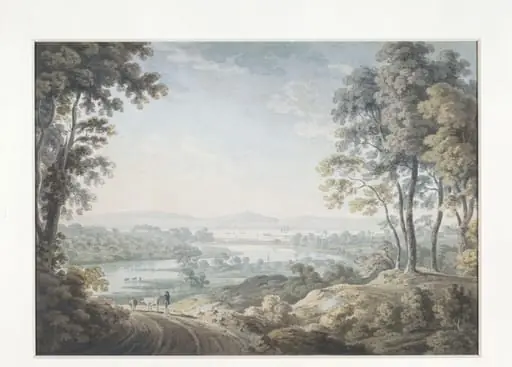 Lymington River, with the Isle of Wight in the distance
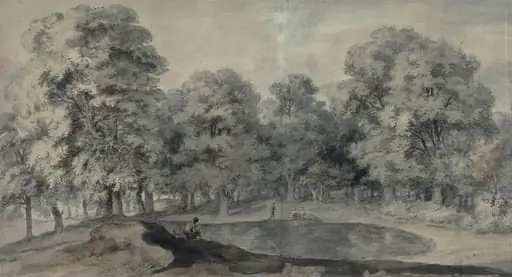 Leg of Mutton Pond, Hampstead Heath
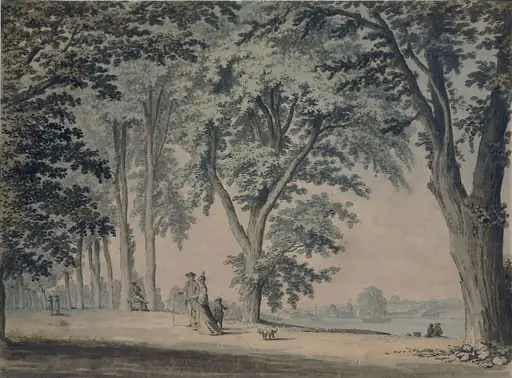 Trees by the Thames, opposite Hammersmith