Artwork
Let the Children Come to Me
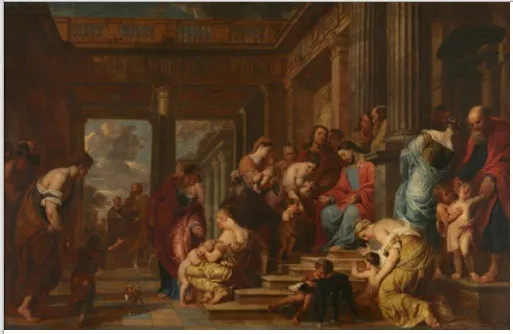
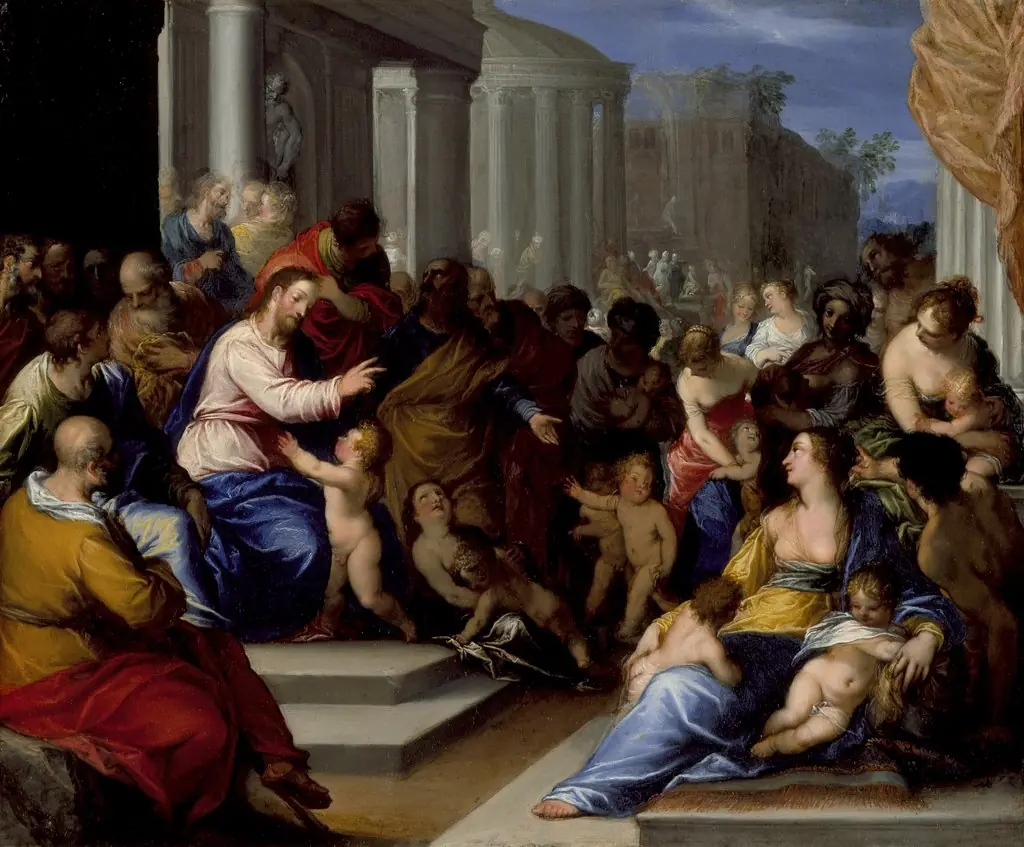
Let the Children Come to Me is an oil painting by the Flemish Baroque painting artist Erasmus Quellinus II. It dates from 1664 and is held in the collection of the Royal Museums of Fine Arts of Belgium.
About this work
Overview
The painting is part of the Royal Museums of Fine Arts of Belgium’s collection, where it remains accessible to the public.
Painted in 1664 by Erasmus Quellinus II, this oil-on-canvas work illustrates a biblical episode from the Gospels. A central figure, likely Christ, sits on stone steps holding a child, surrounded by a diverse group of figures. The composition reflects the Flemish Baroque tradition, emphasizing emotional engagement and structured spatial depth. The painting is part of the Royal Museums of Fine Arts of Belgium’s collection, where it remains accessible to the public.
Subject & Meaning
The scene depicts Christ welcoming children, as described in the Gospel of Mark, where he teaches that the kingdom of heaven belongs to those who receive it like a child. The central figure’s gesture of inclusion, paired with the varied postures of the surrounding figures—kneeling, standing, reaching—conveys reverence and humility. The presence of multiple children underscores the theme of innocence and divine acceptance.
Technique & Style
Quellinus employed oil paint to achieve rich, warm tonalities and soft transitions between light and shadow. Figures are rendered with careful attention to drapery, their robes in red, blue, and gold creating visual rhythm against a muted architectural backdrop. The spatial arrangement, with steps leading to a colonnaded structure, guides the viewer’s eye toward the central group, reflecting Baroque concerns with narrative clarity and emotional resonance.
History & Provenance
Commissioned during the later phase of Quellinus’s career, the painting reflects his longstanding association with the Rubens workshop and the broader Antwerp artistic community. It entered the Royal Museums of Fine Arts of Belgium’s holdings through institutional acquisitions in the 19th century, likely from a private or ecclesiastical collection in the Southern Netherlands. Its preservation has remained consistent since its creation.
Context
Created in the mid-17th century, the work emerged during a period when the Catholic Church in the Southern Netherlands actively promoted religious imagery to reinforce doctrinal teachings. Quellinus, trained under Rubens, adapted the grandeur of Baroque composition to intimate devotional subjects. This painting aligns with contemporary altarpieces meant to inspire piety among congregations through accessible, emotionally charged scenes.
Legacy
Though less widely known than his contemporaries, Quellinus’s work contributed to the continuity of Flemish Baroque religious painting. His careful balance of narrative detail and compositional harmony influenced regional artists who followed. This painting remains a representative example of how theological themes were rendered with human warmth and formal discipline in post-Reformation Flanders.
Artist & collection
Artist
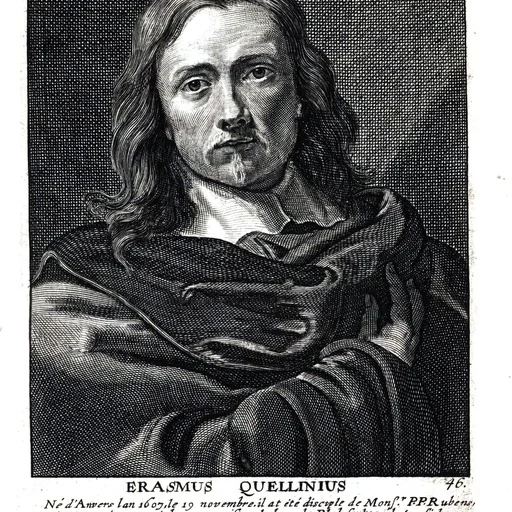
Erasmus Quellinus the Younger or Erasmus Quellinus II (November 19, 1607 – November 11, 1678) was a Flemish painter, engraver, draughtsman and tapestry designer who worked in various genres including history, portrait, allegorical, battle…

Museum
Royal Museums of Fine Arts of Belgium
Continue through works from the same source collection.
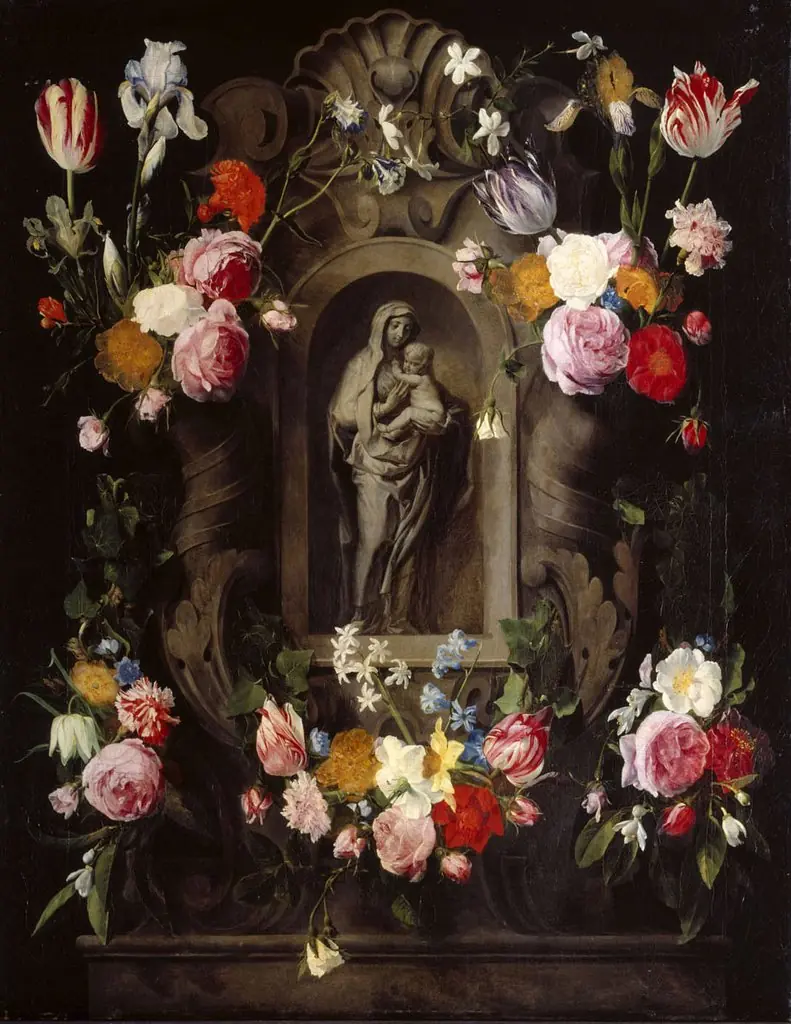 Madonna & Child Statuette in a Niche surrounded by a Garland of Flowers
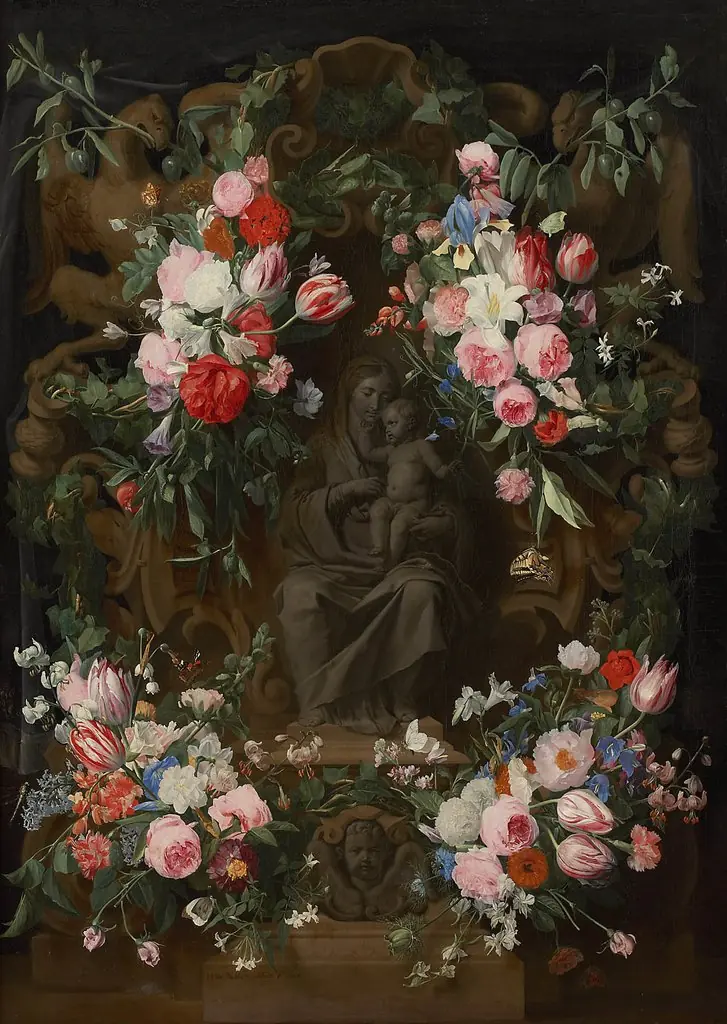 Seated Maria in a Flower Garland
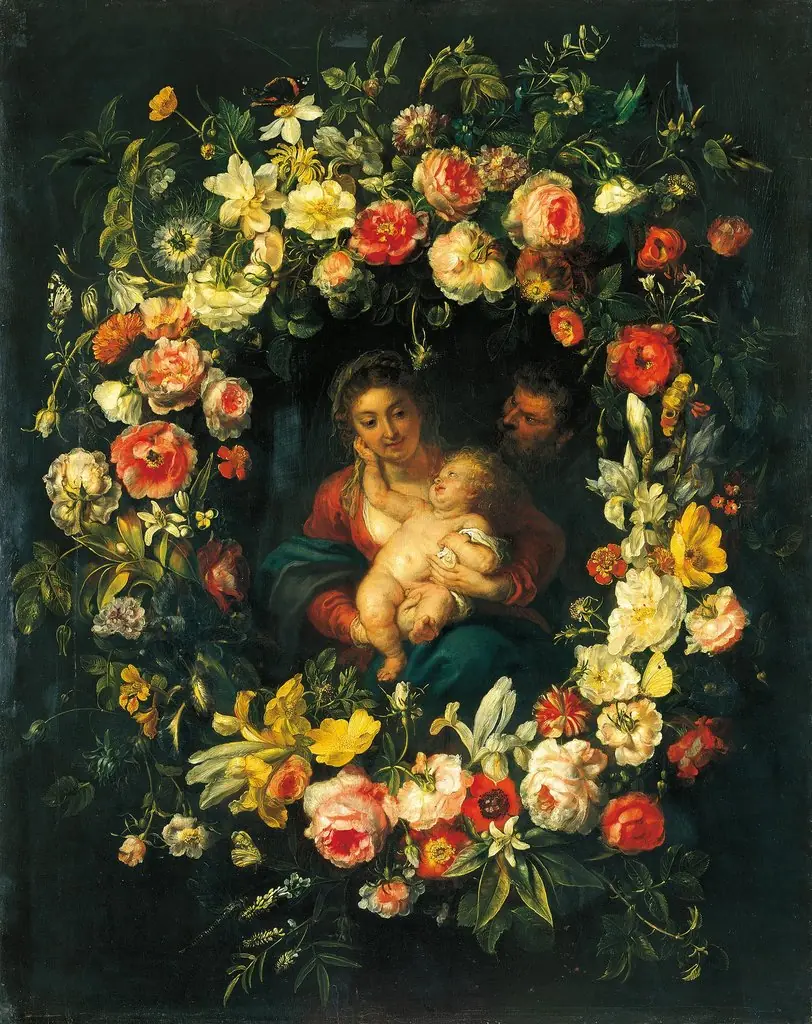 Holy Family in a Wreath of Flowers
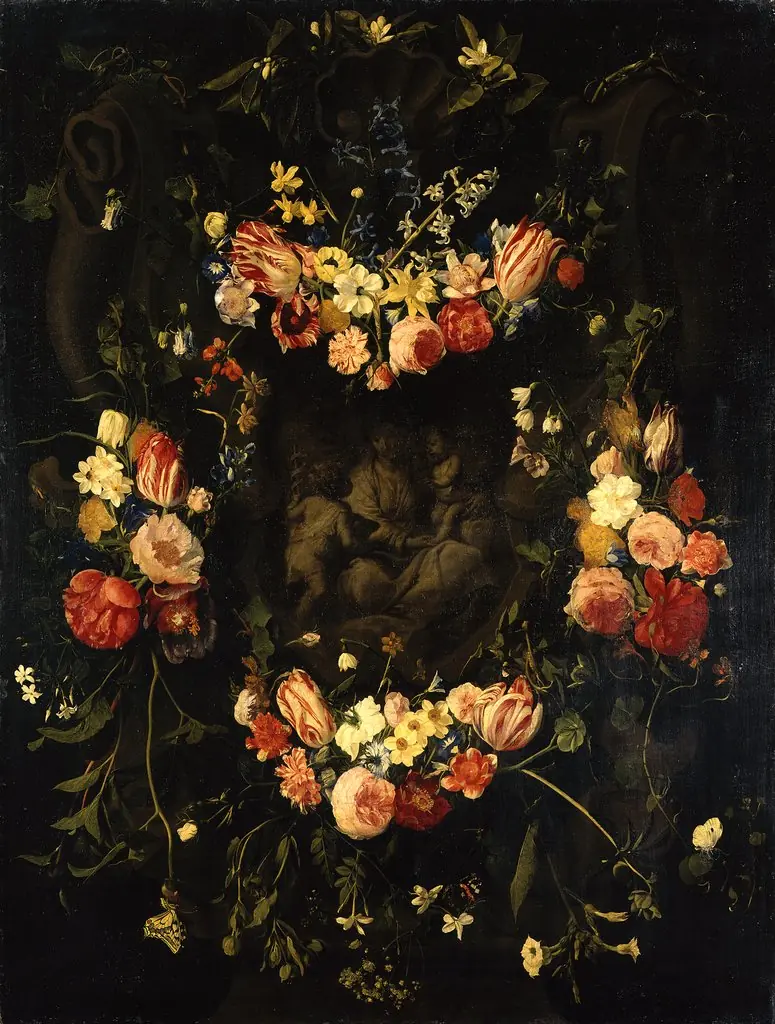 Cartouche addorned with flowergarlands surrounding a depiction of the Holy Family with the infant Saint John the Baptist
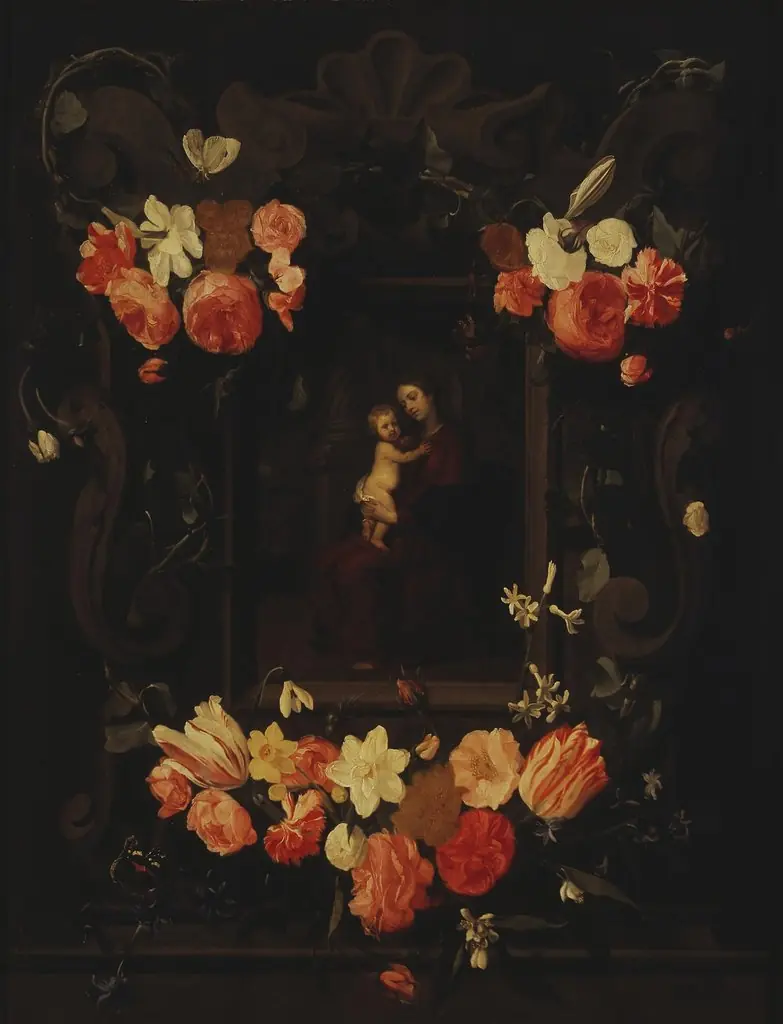 Madonna and Child Framed a Garland of Flowers
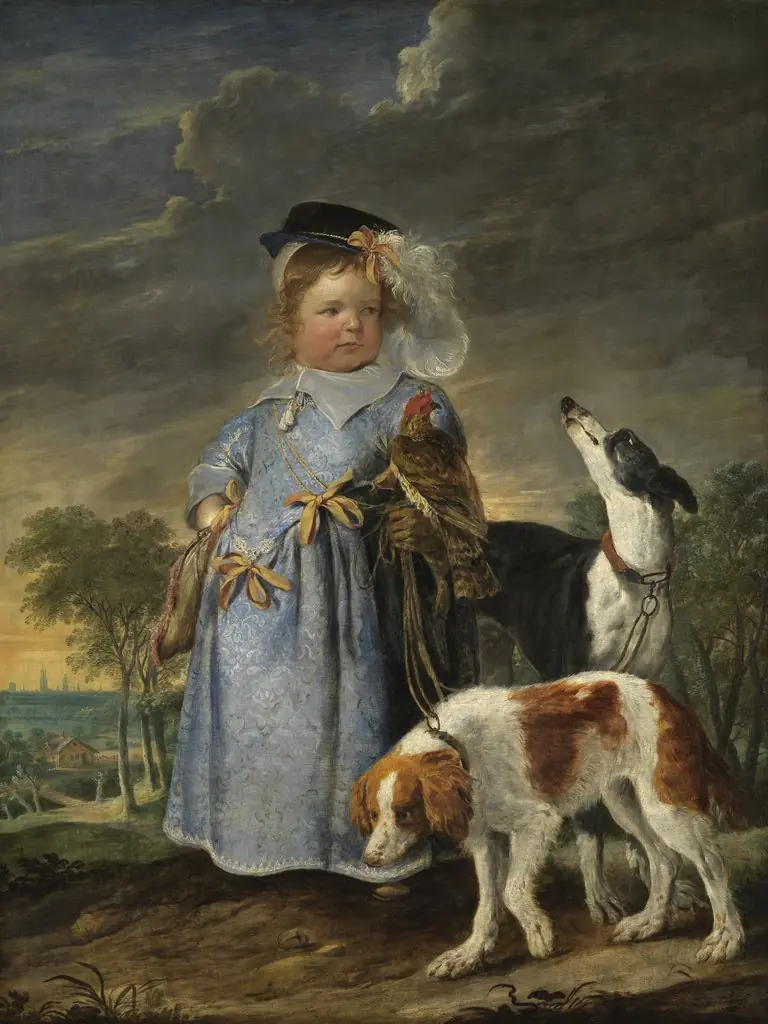 Portrait of a Boy
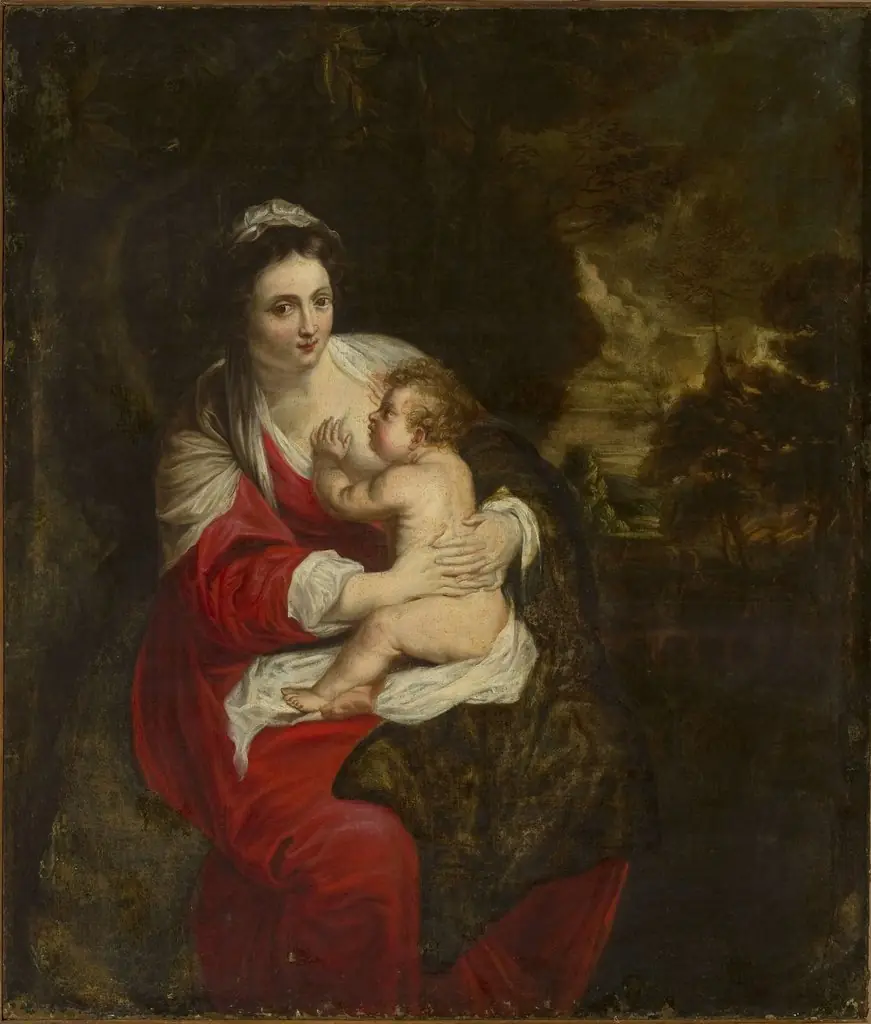 Madonna with Child Jesus
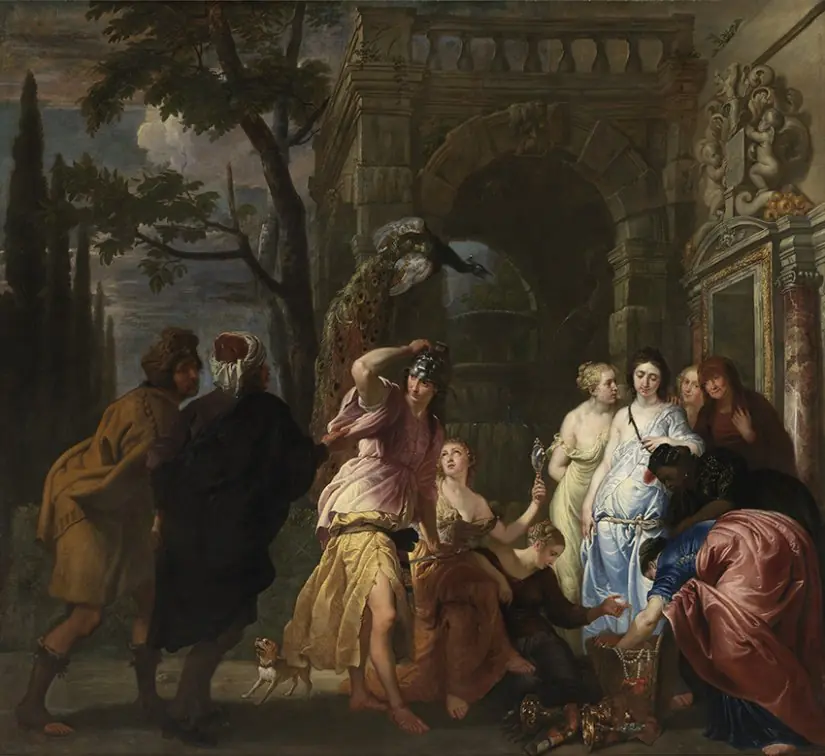 Achilles among the Daughters of Lycomedes
 The Adoration of the Shepherds
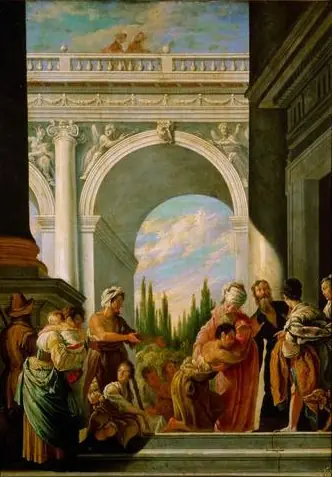 Gleichnis vom verlorenen Sohn
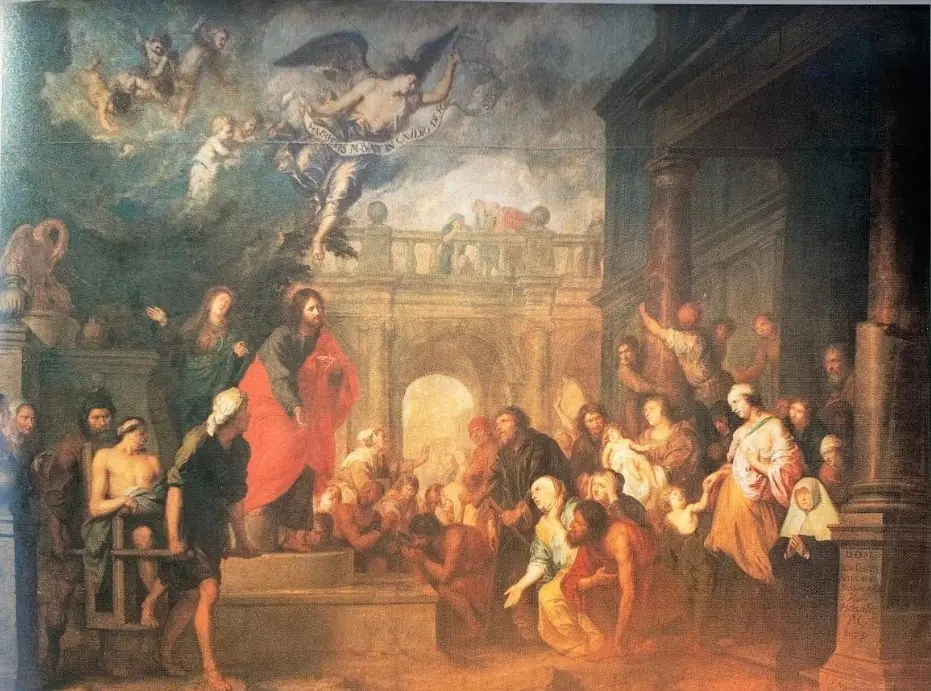 Christ Healing the Sick People Lying near the Pool of Bethesda
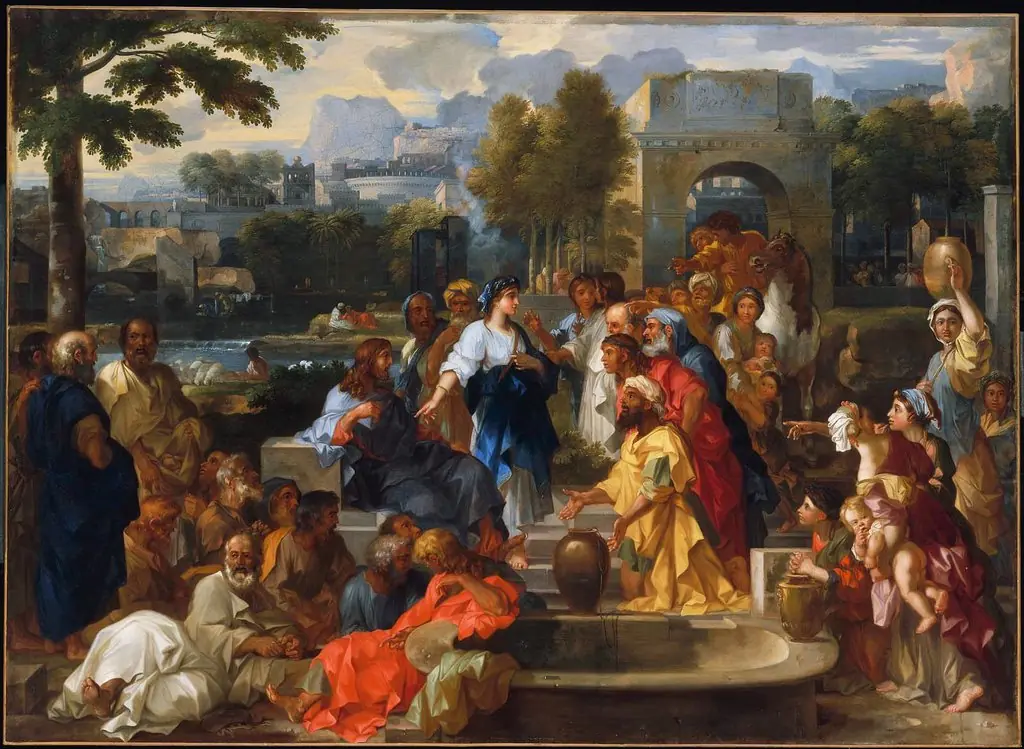 Christ and the Samaritan Woman
 The Adoration of the Magi
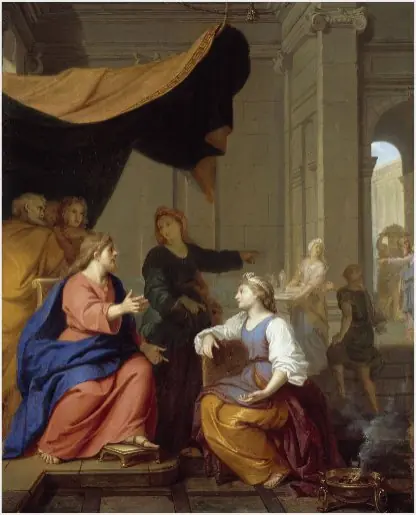 Christ in the House of Martha and Mary
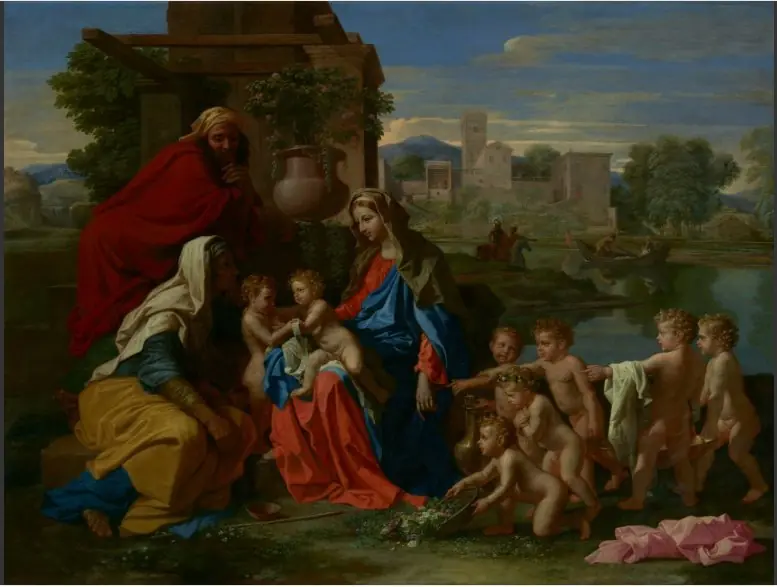 The Holy Family
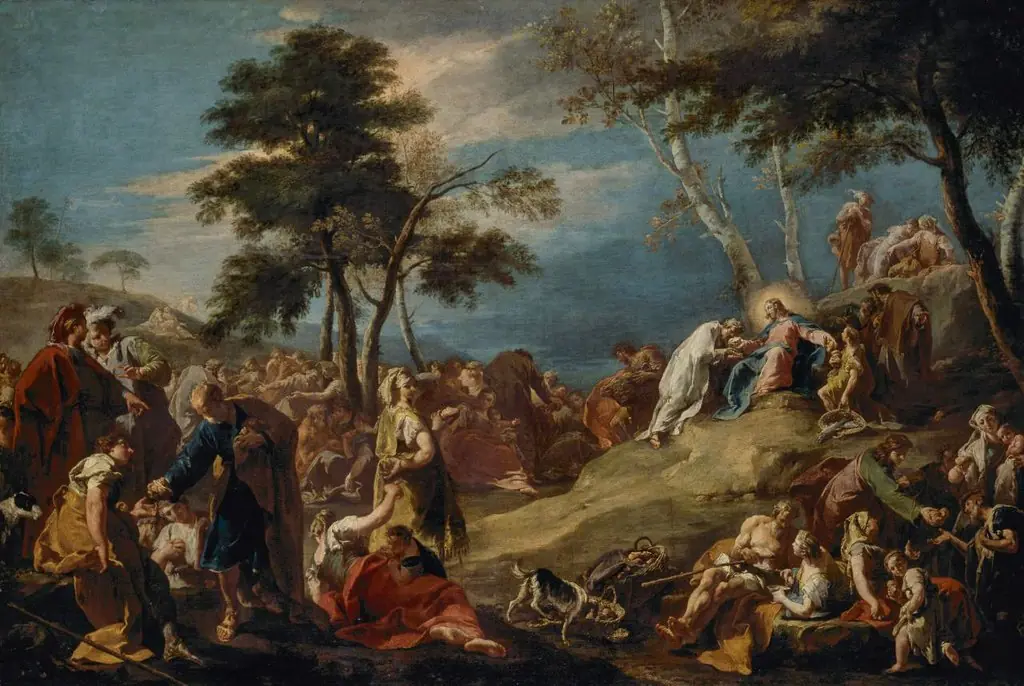 The miracle of the loaves and fishes
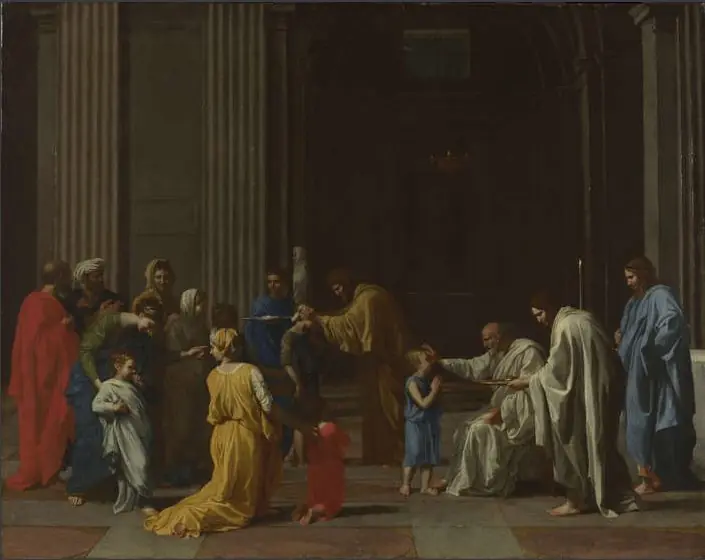 Confirmation
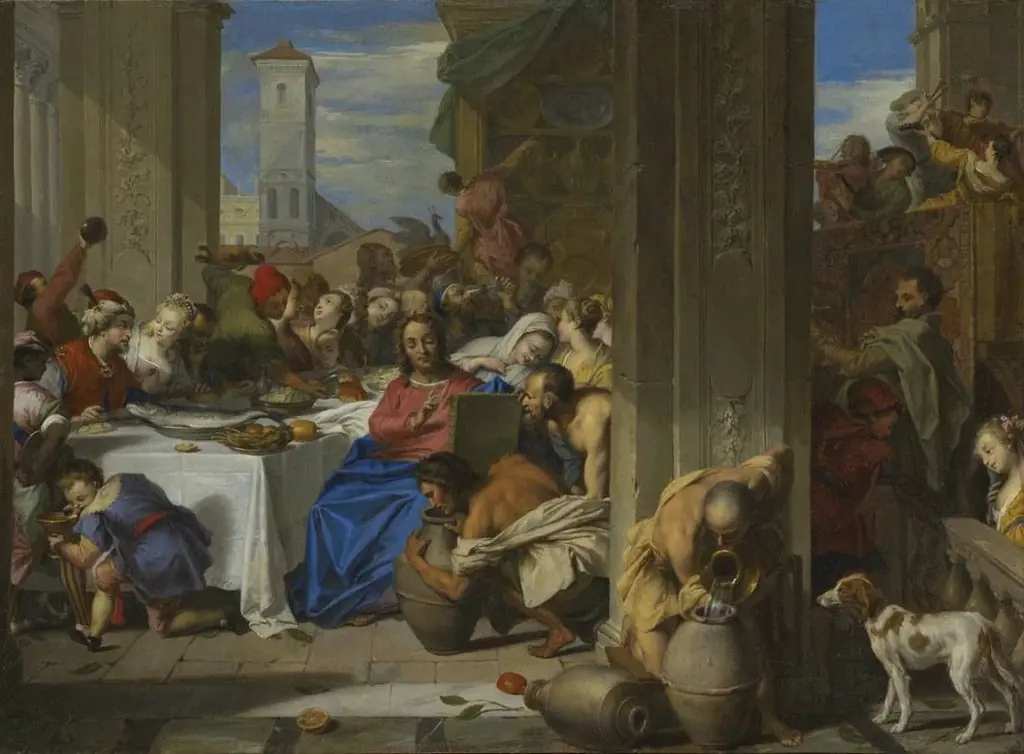 Die Hochzeit zu Kana
 Birth of St John the Baptist
 Suffer Little Children to Come Unto Me