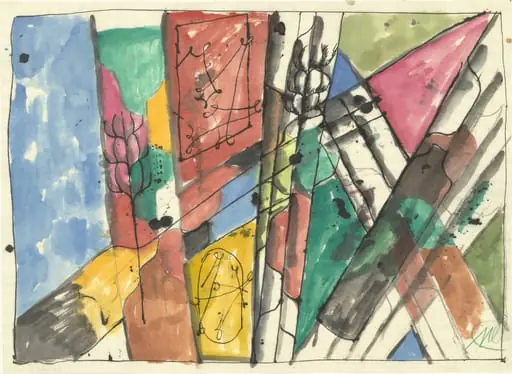
Artwork
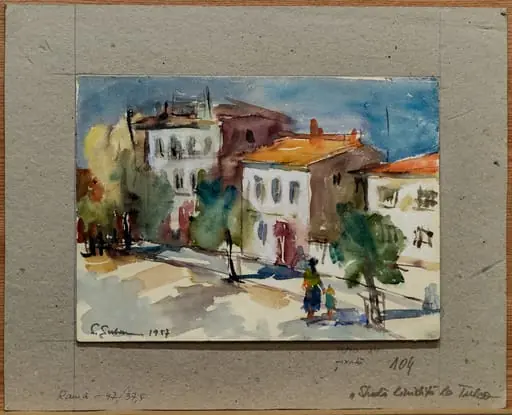
Stradă veche la Tulcea (Casă cu cerdac)
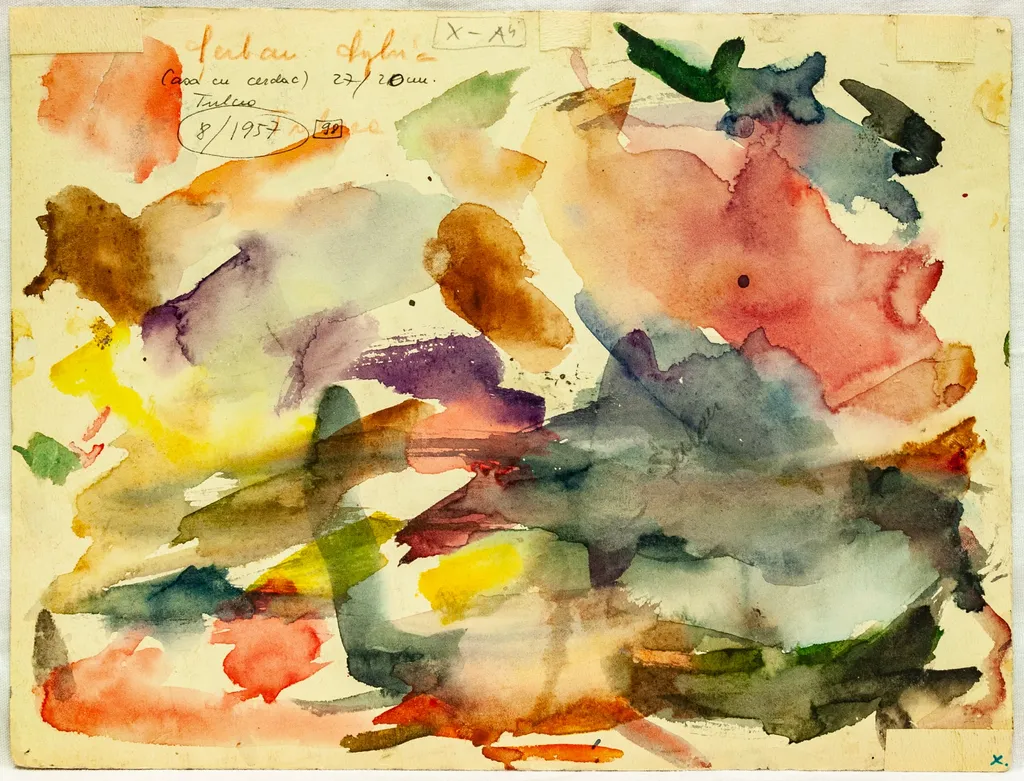
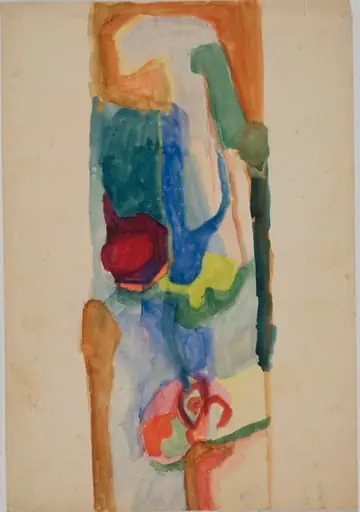
Stradă veche la Tulcea (Casă cu cerdac) is an unspecified painting by Silvia Șerban. It is held in the collection of the Gavrila Simion Eco-Museum Research Institute Tulcea. This work depicts a hazy urban scene in Tulcea, rendered with rapid, unrefined brushwork.
About this work
Overview
Paint is applied unevenly—thin in places where paper shows through, thick in others—and color fields bleed into one another without clear boundaries.
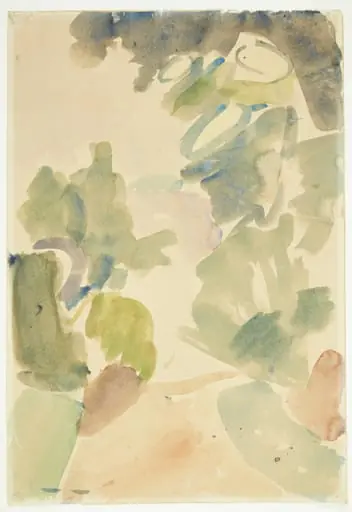
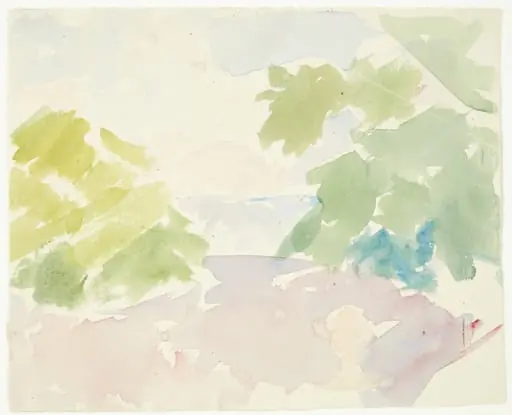
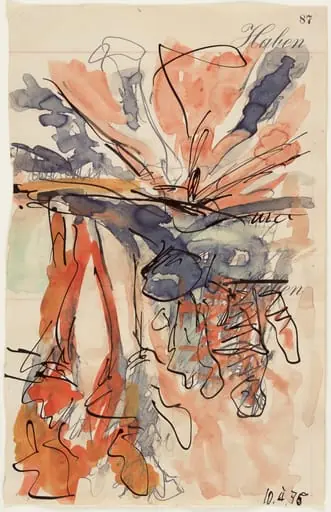
This work depicts a hazy urban scene in Tulcea, rendered with rapid, unrefined brushwork. The composition resists clear definition, favoring expressive abstraction over topographical accuracy. Paint is applied unevenly—thin in places where paper shows through, thick in others—and color fields bleed into one another without clear boundaries. Black linear marks interrupt the surface, suggesting gestural additions made after the initial washes.
Subject & Meaning
Though titled after a street in Tulcea, the painting offers no literal representation of architecture or landscape. Instead, it evokes the sensory impression of a place—its light, movement, and texture—through color and gesture. The ambiguity invites interpretation not as a record of location, but as a fleeting emotional response to the environment, prioritizing atmosphere over detail.
Technique & Style
The artist employed water-based pigments with loose, spontaneous handling. Colors are layered without blending, creating abrupt transitions between red, yellow, and green zones. The paper’s texture remains visible, enhancing the raw quality. Black strokes, applied later, act as structural accents, contrasting the fluidity of the washes and introducing a sense of urgency or interruption.
History & Provenance
The work is part of a broader body of studies produced during the artist’s travels in Dobruja, likely created in the early 20th century. It was later acquired by the Museum of Ethnography, where it resides among other regional sketches and watercolors documenting everyday life in Romania’s southeastern territories. Its informal nature suggests it was made as a personal observation rather than a commissioned piece.
Context
This piece aligns with early modernist tendencies in Romanian art, where artists turned away from academic realism toward expressive, immediate responses to their surroundings. Similar works from this period reflect a fascination with vernacular architecture and local color, often rendered with minimal detail to capture mood over precision. The use of paper instead of canvas underscores its status as a study or sketch.
Legacy
Though not widely exhibited outside regional collections, this work exemplifies a shift in Romanian visual culture toward subjective representation. Its raw technique influenced later generations of artists who valued emotional authenticity over polished finish. It remains a quiet testament to the artist’s engagement with place through direct, unmediated observation.
Artist & collection
Artist
Silvia Șerban made prints and paintings of streets, houses, and people in Tulcea in the 1960s–70s.
Museum
Gavrila Simion Eco-Museum Research Institute Tulcea
Continue through works from the same source collection.
![Mont Sainte-Victoire [recto], by Paul Cezanne](https://artifactworldgallery.com/img/paul-cezanne--mont-sainte-victoire-recto--ac2b35e7d8893d5c-w320.webp)