Artwork
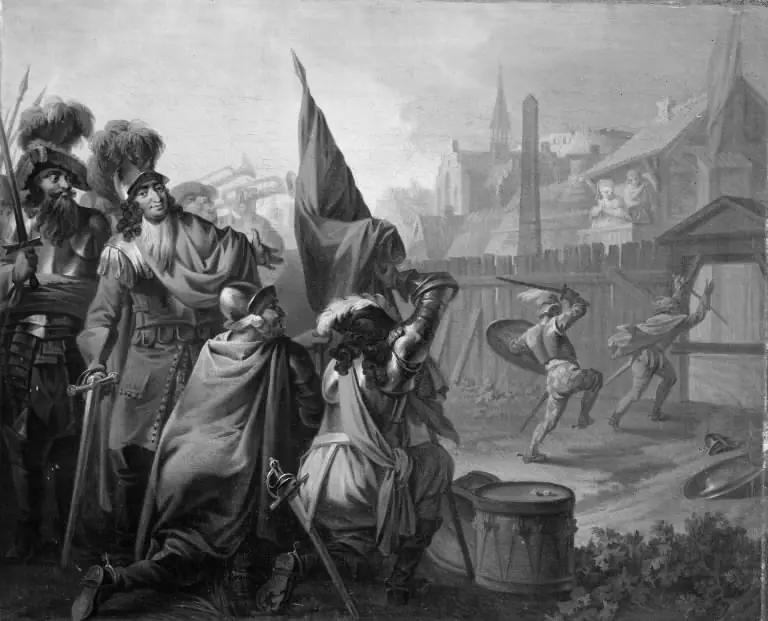
Rolf Krake og hans mænd springer over ilden
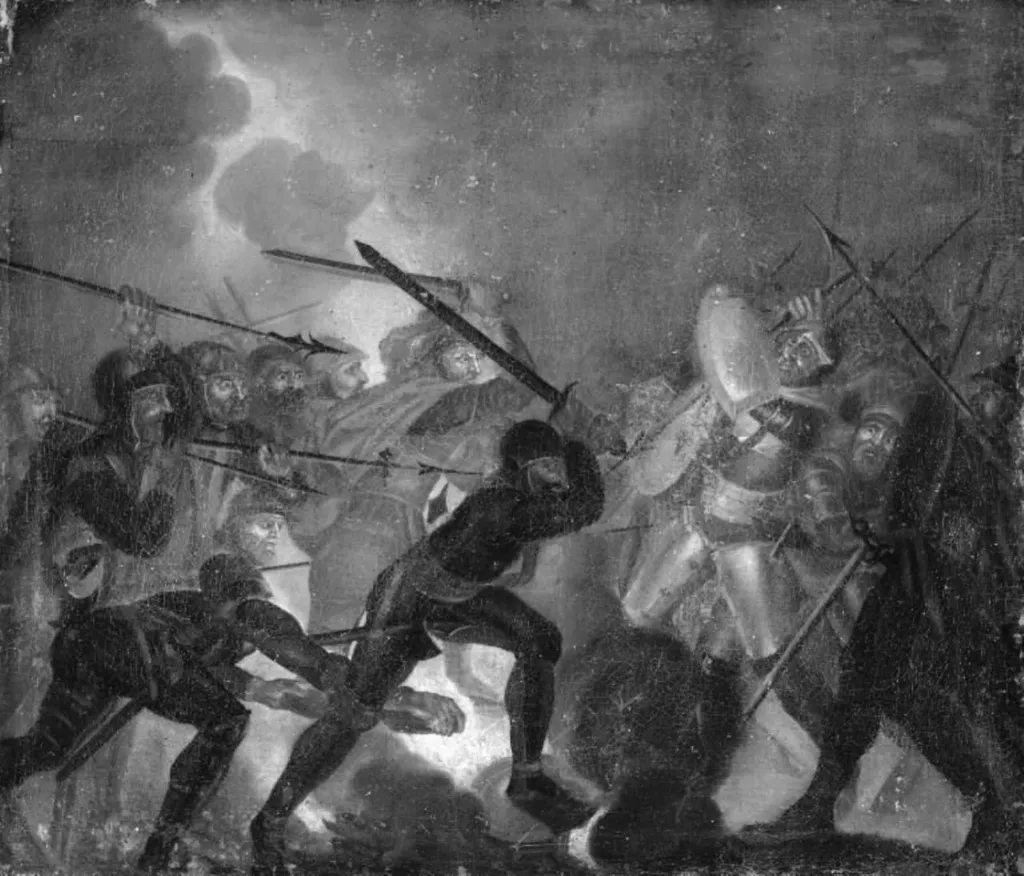
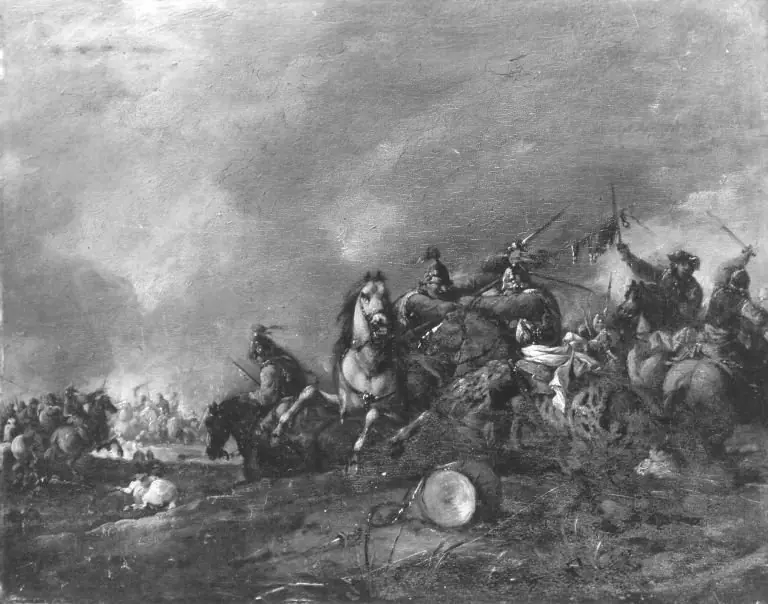
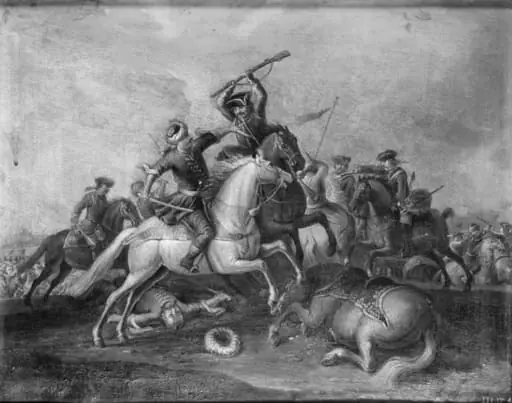
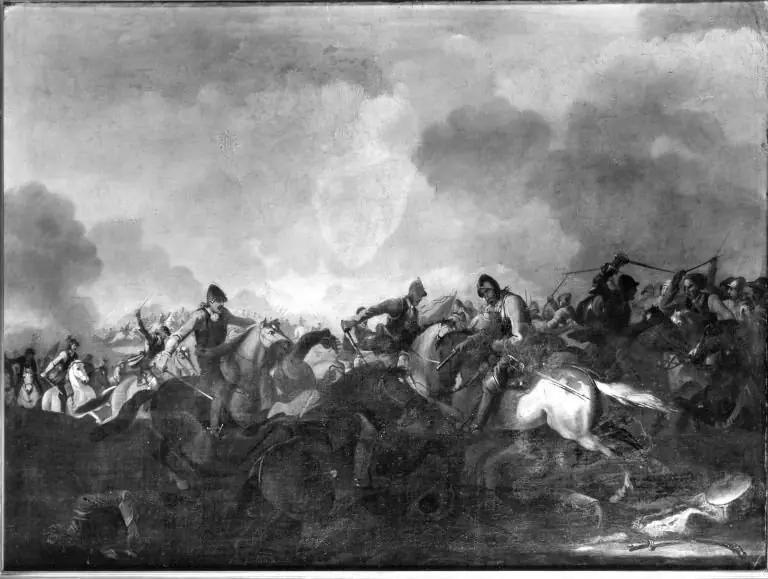
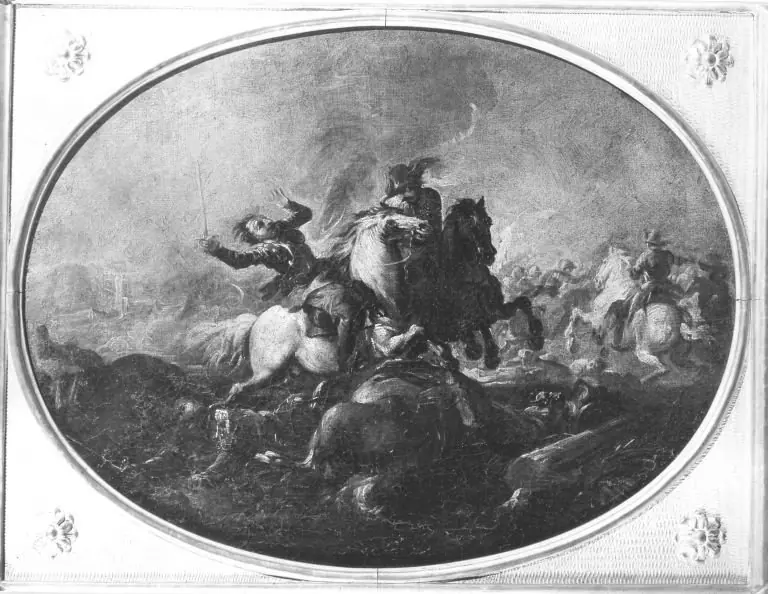
Rolf Krake og hans mænd springer over ilden is an oil painting by the Rococo painting artist Eric Paulsen. It dates from 1790 and is held in the collection of the Statens Museum for Kunst.
About this work
Overview
Though Pauelsen was active in Denmark’s artistic circles, he remained less prominent than peers like Juel and Abildgaard.
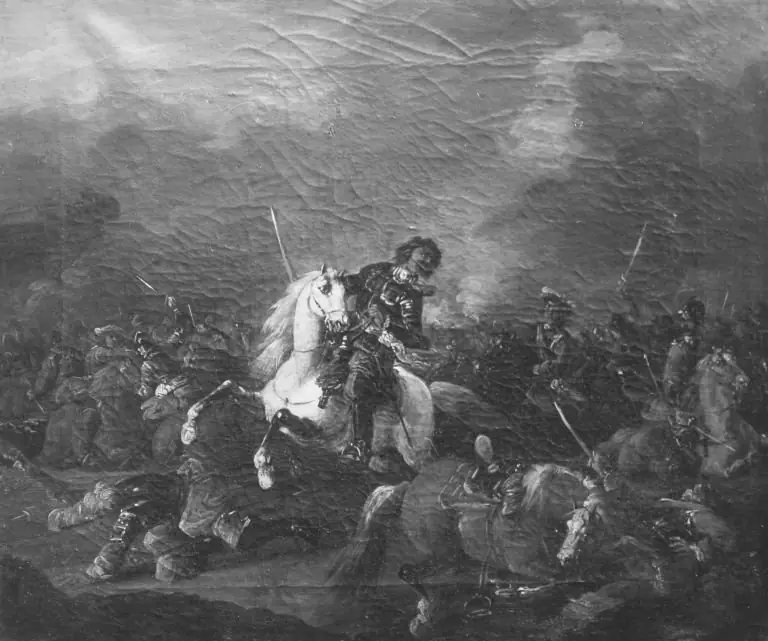
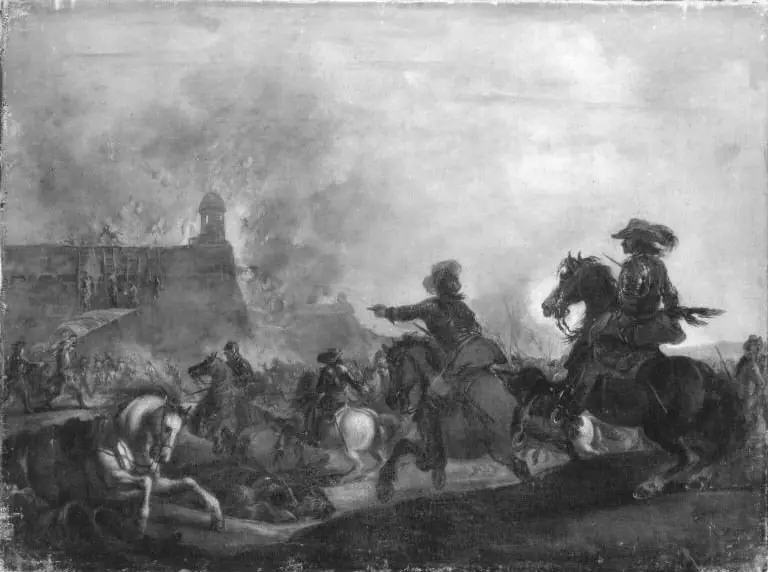
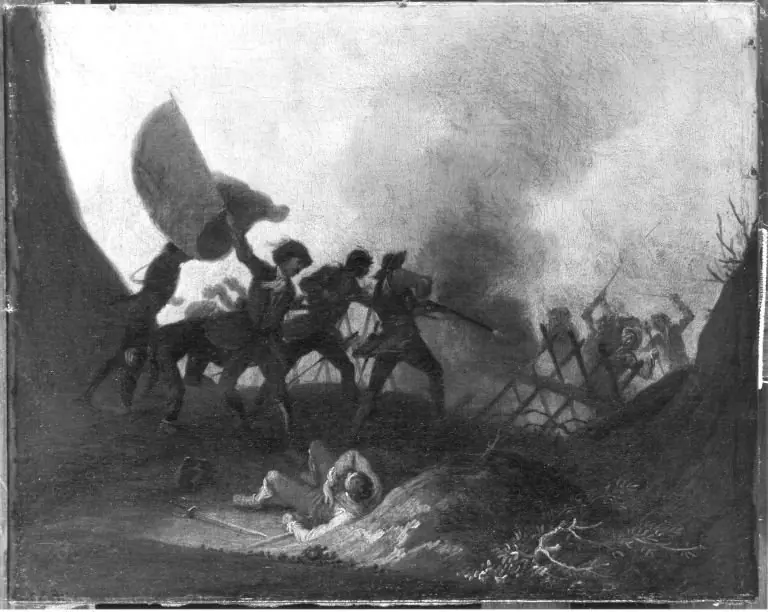
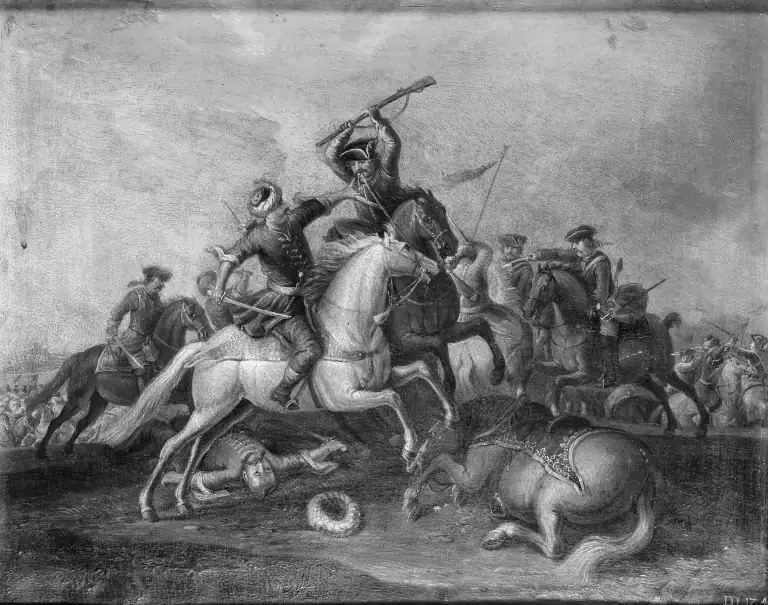
Erik Pauelsen painted *Rolf Krake og hans mænd springer over ilden* in 1790 using oil on canvas. The work depicts a legendary Norse battle scene, capturing a moment of violent action as warriors leap through flames. Though Pauelsen was active in Denmark’s artistic circles, he remained less prominent than peers like Juel and Abildgaard. He died by suicide later that year, shortly after completing this piece.
Subject & Meaning
The painting illustrates the mythic Danish king Rolf Krake and his men crossing a fiery barrier, a scene drawn from Norse legend. It conveys themes of courage, fate, and the supernatural, reflecting 18th-century interest in national mythology. The chaotic composition emphasizes the perilous leap, suggesting both heroism and doom. The subject was part of a broader cultural revival of Scandinavian heroic tales during the period.
Technique & Style
Pauelsen employed chiaroscuro to heighten the drama of the battle, using stark contrasts between shadow and light to define muscular forms and swirling motion. The palette is restrained—dominated by deep browns, blacks, and muted reds—enhancing the sense of heat and chaos. Brushwork is energetic but controlled, with figures rendered in dynamic, overlapping poses that convey urgency without idealized grace.
History & Provenance
Completed in 1790, the painting entered the collection of Statens Museum for Kunst shortly after its creation. It remained relatively obscure in public discourse, overshadowed by Pauelsen’s more celebrated contemporaries. Its survival and preservation reflect institutional interest in Denmark’s lesser-known artists, even as the work never achieved widespread fame during the artist’s lifetime.
Context
In late 18th-century Denmark, there was a growing fascination with pre-Christian Norse history as a source of national identity. Artists turned to mythological and historical subjects to distinguish Danish culture from prevailing French and German trends. Pauelsen’s painting aligns with this trend, though his personal style remained more intimate and less grandiose than that of academic contemporaries.
Legacy
Though Pauelsen’s career was brief and his output limited, this painting endures as one of the few large-scale mythological works by a Danish artist of the period. It offers insight into how national legends were visualized before the Romantic era’s full flowering. Today, it serves as a quiet testament to the ambitions of artists working outside the mainstream of their time.
Artist & collection
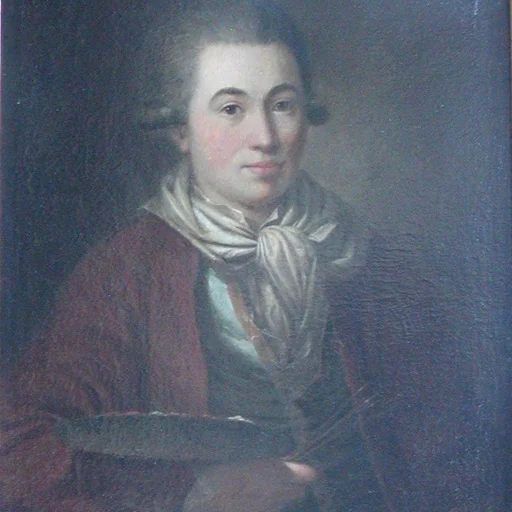
Artist
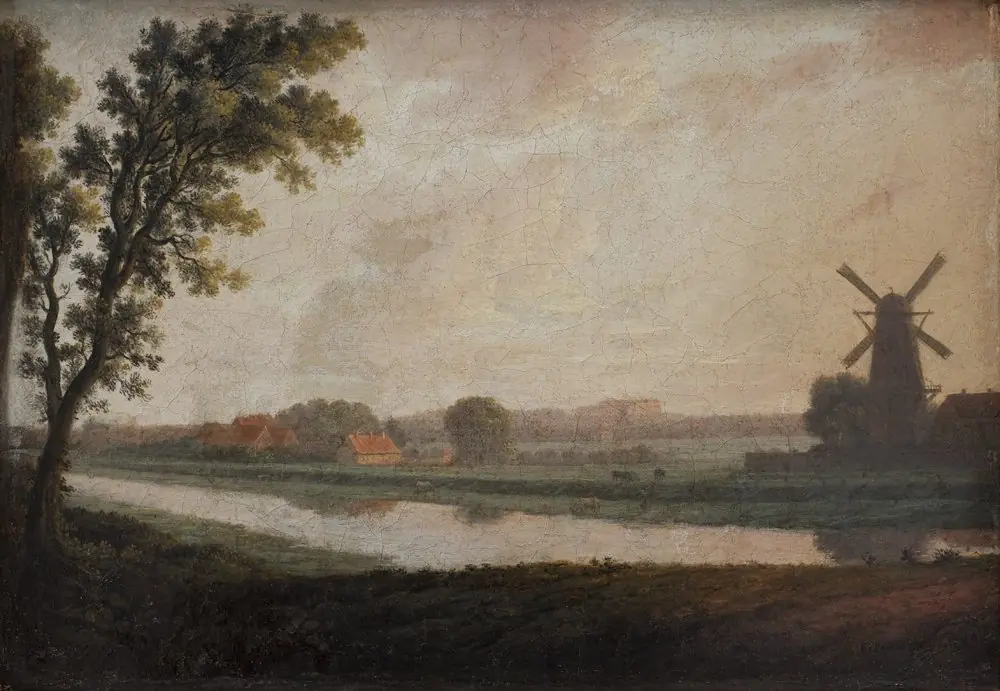
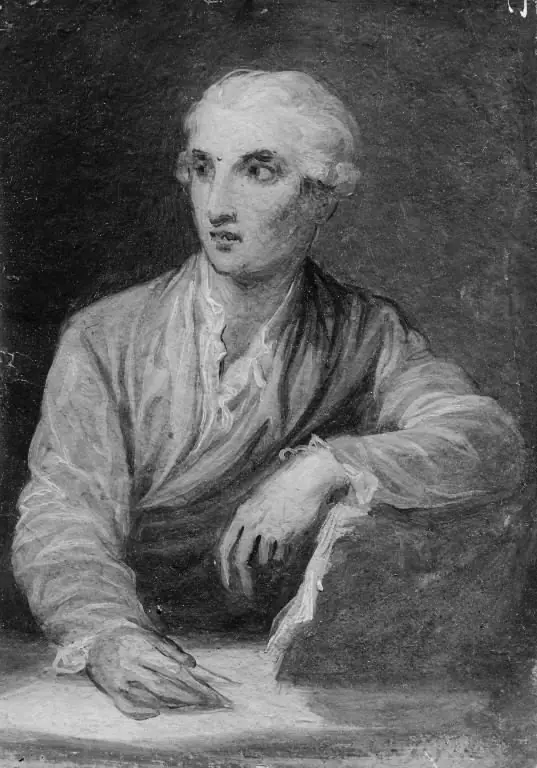
Erik Pauelsen (2 or 14 October 1749 – 20 February 1790) was a Danish painter. He is most notable for his landscapes and was also a popular portraitist. However, he did not experience the same level of success as Jens…