Artwork
Bryce-Wright and Prof. Owen
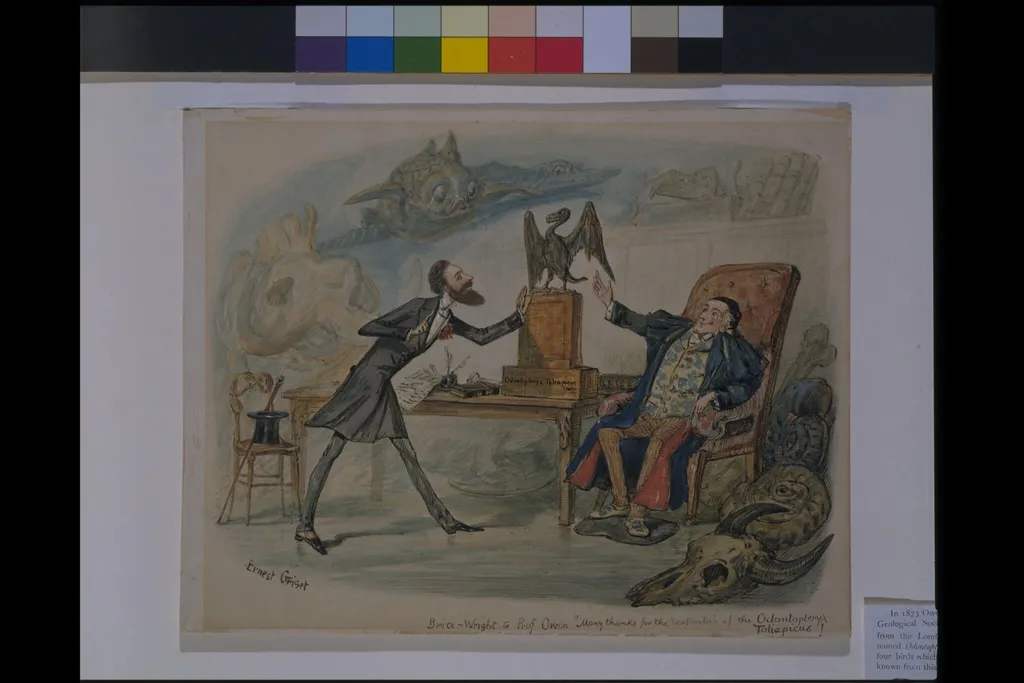
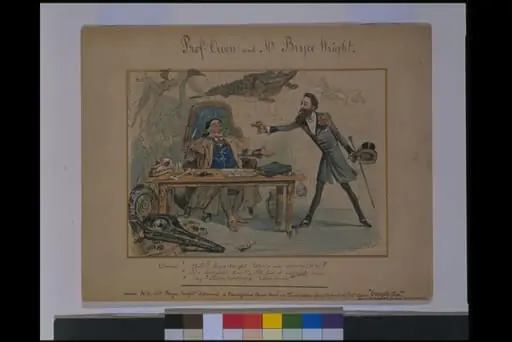
Bryce-Wright and Prof. Owen is a drawing by the Impressionist artist Ernest Griset. It dates from 1873 and is held in the collection of the Victoria and Albert Museum.
About this work
Overview
The scene unfolds in a cluttered study, blending realism with satirical intent.
Created in 1873 by Ernest Griset, this ink and wash drawing captures a fictionalized encounter between two British scientific figures: Richard Owen, a leading anatomist and critic of Darwinian evolution, and Bryce McMurdo Wright, a mineralogist. The scene unfolds in a cluttered study, blending realism with satirical intent. Griset, known for his precise draftsmanship and wit, uses the setting to underscore tensions between emerging biological theories and established natural history practices.
Subject & Meaning
The drawing portrays Owen, standing and holding a large bird, as the dominant figure, his posture suggesting authority. Wright, seated in vividly colored attire, appears more relaxed, perhaps symbolizing a contrast in temperament or approach. The presence of animal remains and skeletal specimens around them evokes the era’s preoccupation with classification. The bird, likely a vulture, may allude to Owen’s association with extinct megafauna and his resistance to evolutionary narratives that challenged fixed species.
Technique & Style
Griset employed fine ink lines and subtle washes to render textures—fabric, fur, bone—with meticulous detail. The composition directs attention to the central figures through diagonal lines created by the bird’s outstretched wings and the tilted skull on the floor. The contrast between Owen’s somber suit and Wright’s flamboyant clothing heightens the visual tension. Background elements, though crowded, are rendered with clarity, reinforcing the scholarly atmosphere without overwhelming the narrative.
History & Provenance
The drawing was produced during a period of intense debate over evolution and natural classification. Griset, a frequent contributor to periodicals like Punch, often illustrated scientific controversies for public audiences. This piece likely originated as a magazine illustration, though its current location and early ownership remain undocumented. Its survival suggests it was valued for its commentary on scientific personalities rather than its artistic merit alone.
Context
In the 1870s, Owen’s influence in British science remained strong despite growing support for Darwin’s theories. The drawing reflects public fascination with the personalities behind scientific disputes. The inclusion of Wright, a lesser-known figure, may have been chosen for his colorful appearance to balance Owen’s stern image. The setting—a study filled with specimens—mirrors the institutional spaces where natural history was curated and contested, making the scene both specific and emblematic of its time.
Legacy
Though not widely exhibited today, the drawing endures as a visual record of how scientific authority was portrayed in the Victorian era. It captures the interplay between fact and caricature in public discourse on evolution. Griset’s work, often overlooked in art history, provides insight into how visual media shaped perceptions of science before photography became dominant. The piece remains a quiet testament to the human dimensions of intellectual conflict.
Artist & collection
Artist
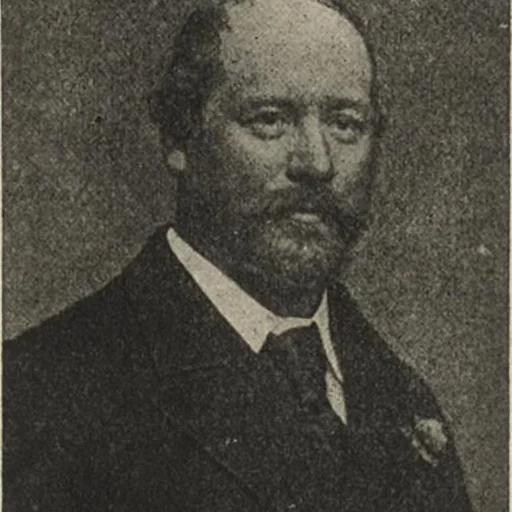
Ernest Henri Griset (24 August 1843, Boulogne-sur-Mer, – 22 March 1907, London) was a French-born painter and illustrator noted for the humorous interpretations of his subjects.

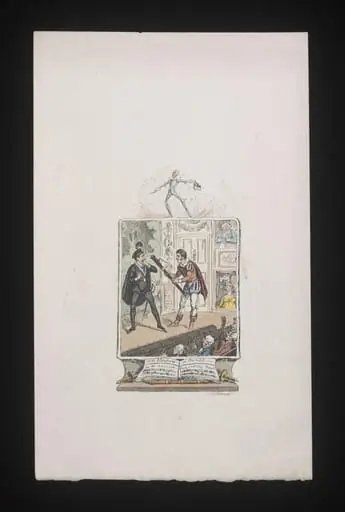 Tom Blanchard in Hamlet. For the Bassoon. Lady Coventry's Minuet
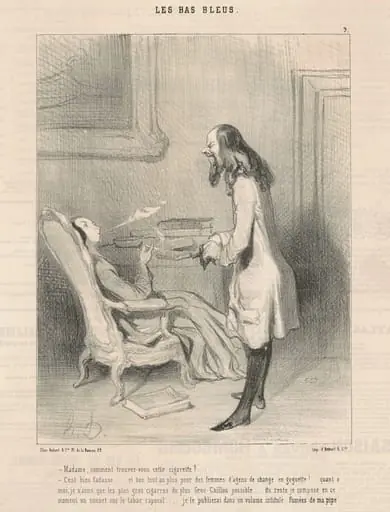 Madame, comment trouvez-vous cette cigarette?
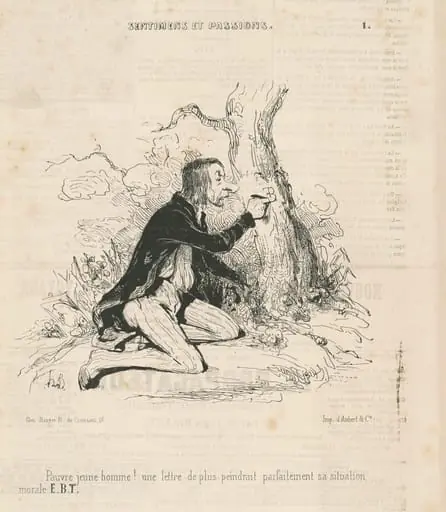 Pauvre jeune homme!
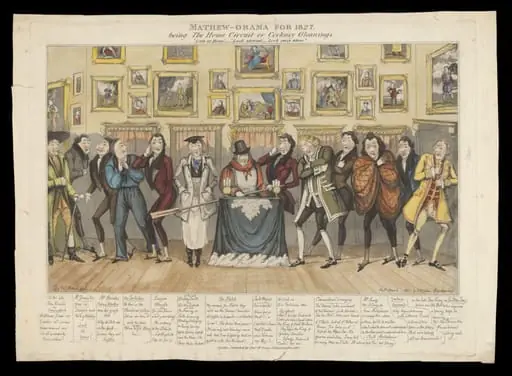 H Beard Print Collection
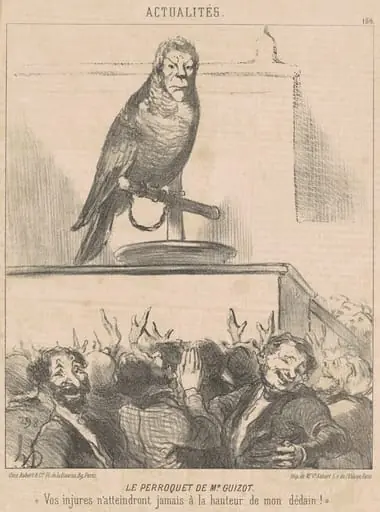 Le perroquet de M. Guizot
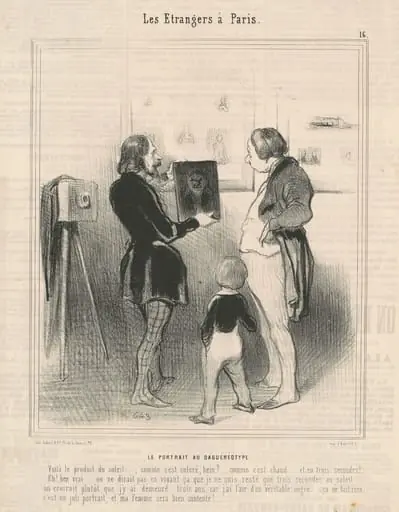 Le portrait au daguéréotype
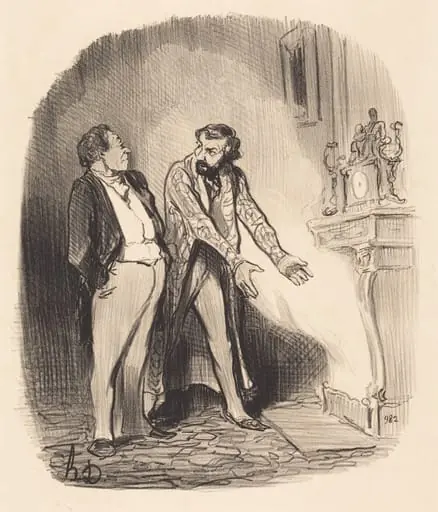 Mais monsieur le propriétaire, voyez...
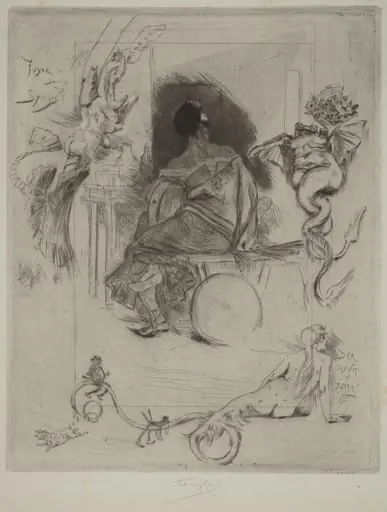 La Dernière Maja
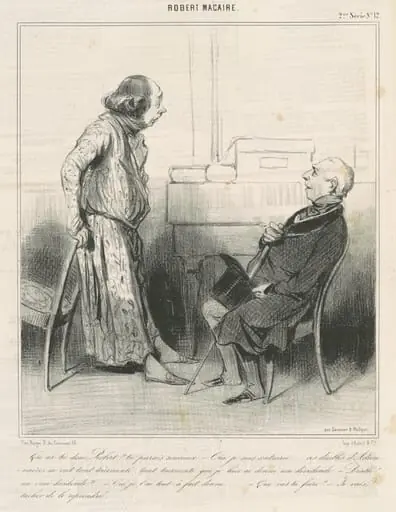 Qu'as-tu donc, Robert? ...
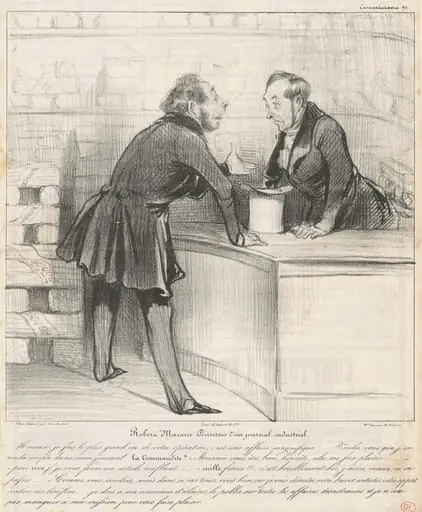 Robert Macaire Directeur
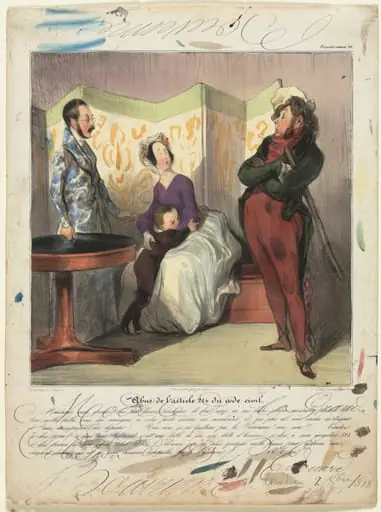 Breach of Article 24 of the Civil Code