Artwork
Robert Macaire Directeur
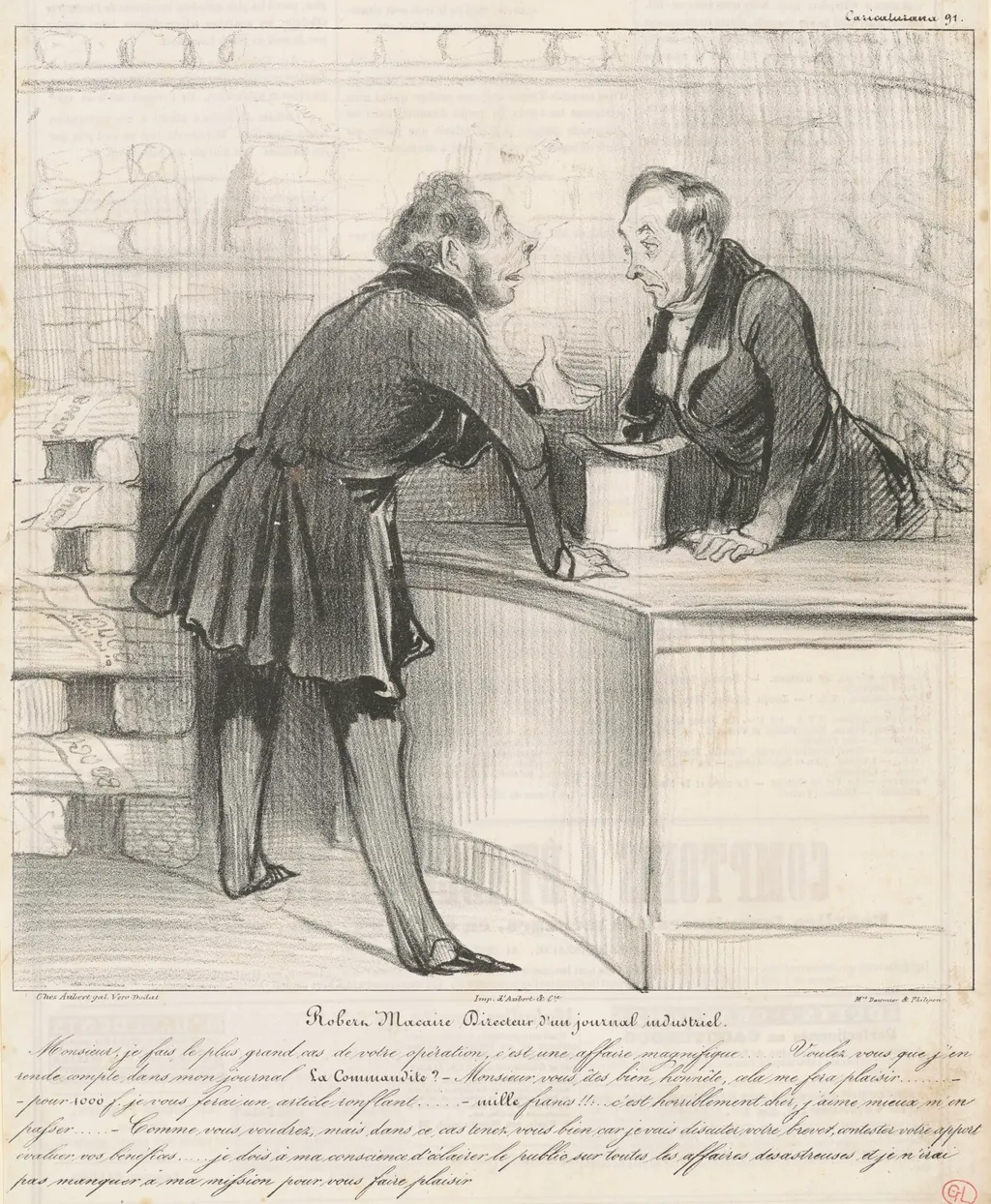
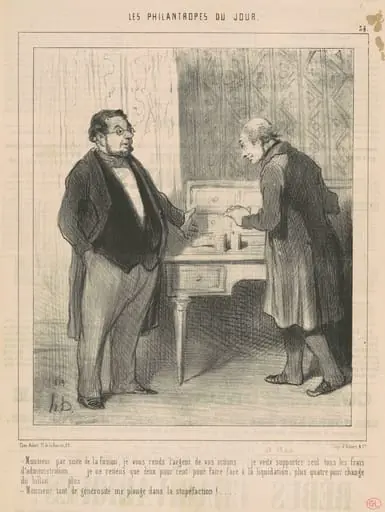
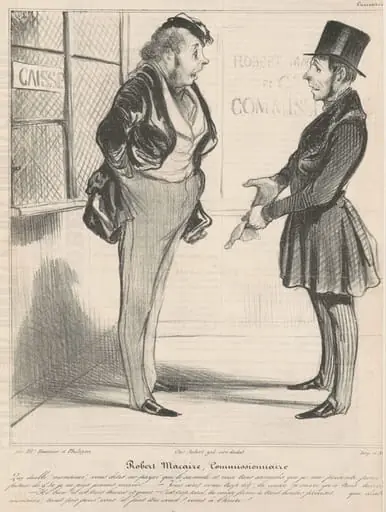
Robert Macaire Directeur is an ink print by the Romanticist artist Honoré Daumier. It dates from 1838 and is held in the collection of the National Gallery of Art.
About this work
Overview
Daumier used lithography to produce this image quickly and economically, aligning with his practice of creating timely social commentary for periodicals.
Robert Macaire Directeur is a lithograph by Honoré Daumier, produced in 1838. It portrays a bustling newspaper office where two men engage in animated conversation. The scene reflects the energetic, often chaotic environment of journalistic work in early 19th-century France. Daumier used lithography to produce this image quickly and economically, aligning with his practice of creating timely social commentary for periodicals.
Subject & Meaning
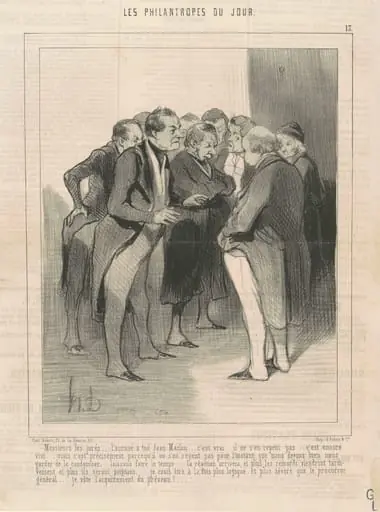
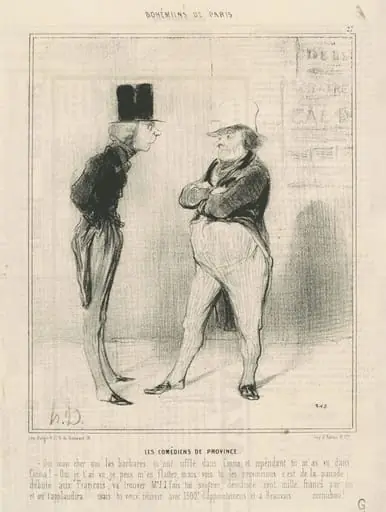
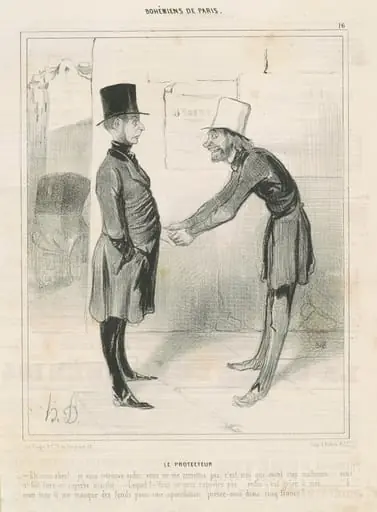
The two figures represent archetypes of the press: one a brash editor, the other a subordinate. Their exaggerated expressions and gestures mock the performative nature of journalistic authority. The cluttered shelves of papers suggest an overwhelming flood of information, hinting at the superficiality and haste of news production. Daumier critiques the theater of power within media institutions, not through overt outrage but through ironic observation.
Technique & Style
Daumier employed lithography, a method allowing rapid reproduction of drawn images on stone. His loose, energetic lines capture movement and emotion with minimal detail. The contrast between dense, scribbled backgrounds and the sharply defined figures directs attention to the interaction. The style is caricatural yet precise, balancing humor with structural clarity to enhance the satirical effect without sacrificing readability.
History & Provenance
Created during Daumier’s prolific period contributing to the satirical journal La Caricature, the print was part of a broader campaign targeting political and media figures. It was not commissioned as fine art but circulated widely among the urban public. Original impressions are rare; most surviving examples come from periodical publications or later authorized editions, reflecting its role as mass-produced social critique rather than a collectible object.
Context
In 1830s France, press freedom was fragile, and censorship was frequent. Daumier’s work emerged amid rising public interest in political satire and the expansion of illustrated journalism. Robert Macaire, a recurring character in popular theater, symbolized the unscrupulous opportunist. By naming the editor after this figure, Daumier linked journalism to theatrical deception, resonating with audiences familiar with the stage parody.
Legacy
The print exemplifies Daumier’s influence on modern editorial illustration and political cartooning. Its blend of visual wit and institutional critique set a precedent for later satirists. Though not widely exhibited in his lifetime as fine art, its circulation in periodicals ensured its impact on public perception of media power. Today, it remains a key reference in studies of 19th-century visual satire and the ethics of representation.
Artist & collection
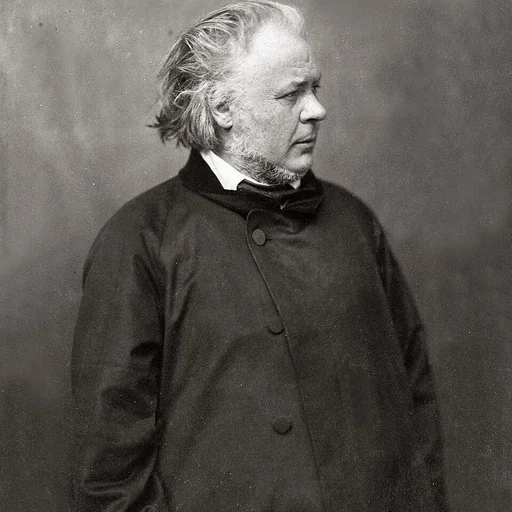
Artist
Honoré-Victorin Daumier was a French painter, sculptor, and printmaker, whose many works offer commentary on the social and political life in France, from the Revolution of 1830 to the fall of the Second French Empire in 1870.