Artwork
Staalmeesters. After Rembrandt
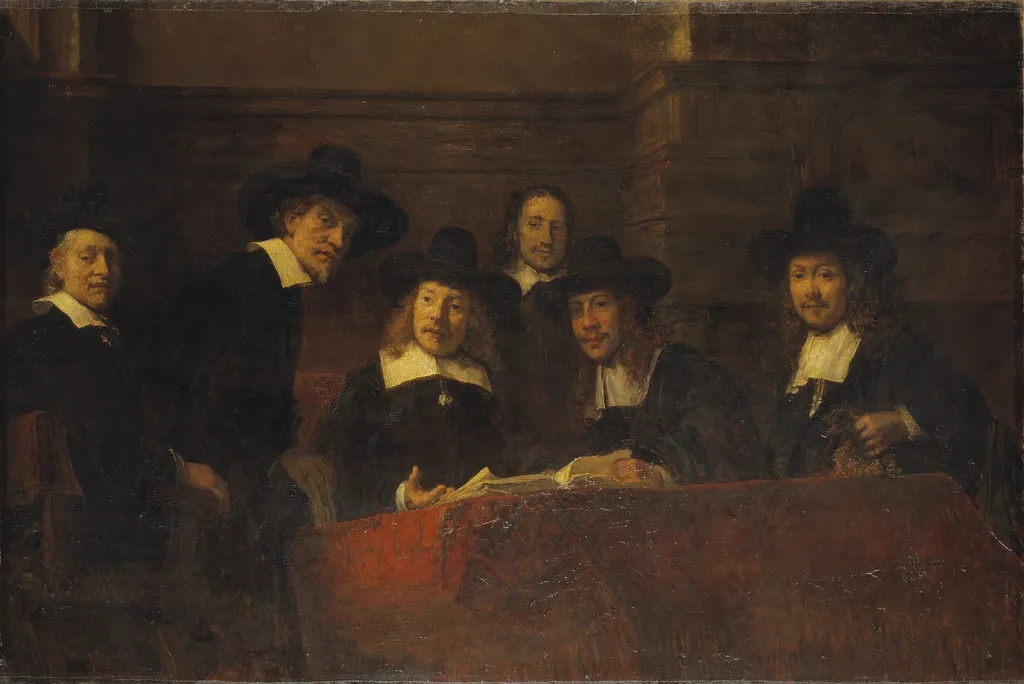
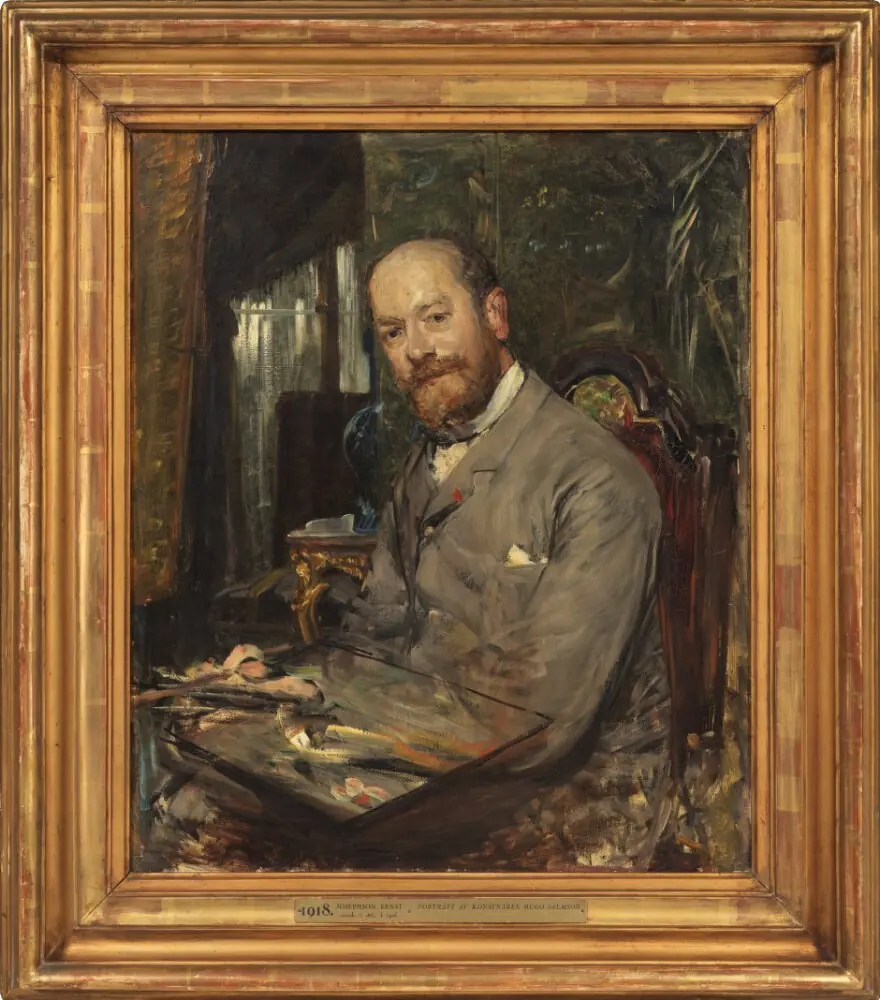
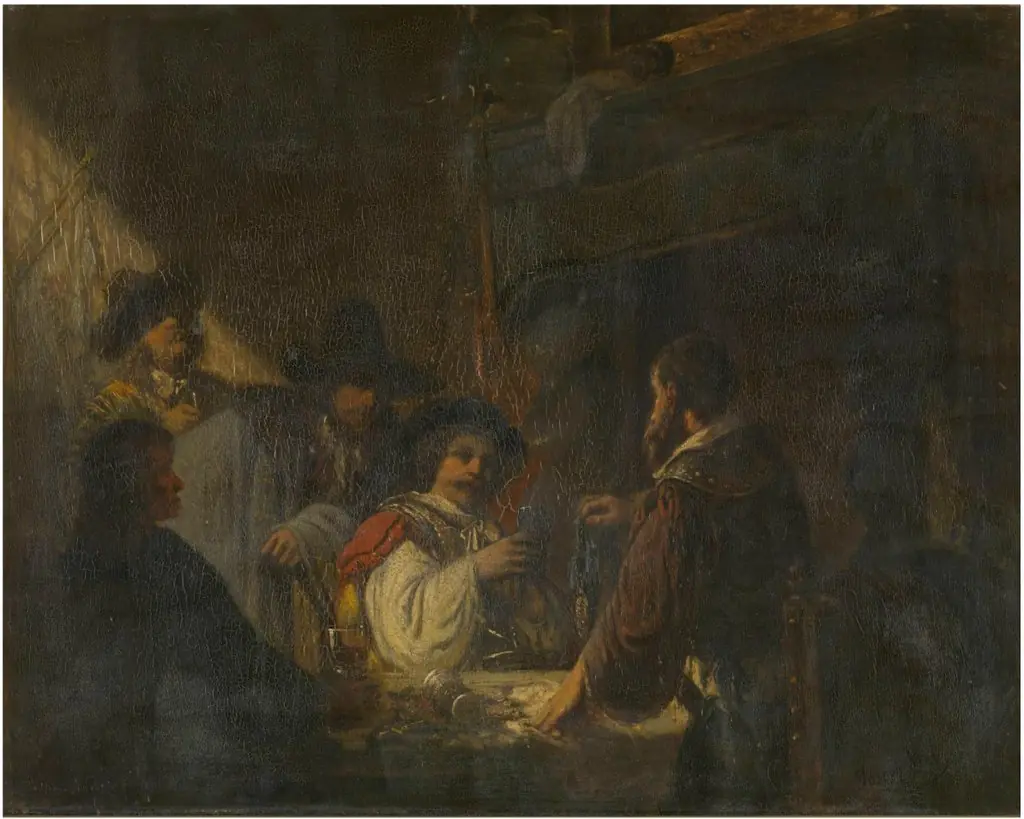
Staalmeesters. After Rembrandt is an oil painting by the Realist artist Ernst Josephson. It dates from 1888 and is held in the collection of the Nationalmuseum.
About this work
Overview
After Rembrandt* in 1888 as an oil-on-canvas work, directly engaging with the tradition of Dutch group portraiture.
Ernst Josephson painted *Staalmeesters. After Rembrandt* in 1888 as an oil-on-canvas work, directly engaging with the tradition of Dutch group portraiture. Though Swedish, Josephson looked to Rembrandt’s compositional gravity and lighting for inspiration. The painting belongs to the Nationalmuseum’s collection in Stockholm and reflects his interest in historical subjects rendered with psychological depth and restrained realism.
Subject & Meaning
The painting portrays a gathering of men in formal, dark clothing, seated around a table with papers and gestures suggesting deliberation. One figure, distinguished by a wide-brimmed hat and crisp white collar, appears as a focal point, possibly a leader or elder. The scene evokes civic or professional authority, though no specific historical event is identified. The mood is solemn, emphasizing quiet dignity over narrative drama.
Technique & Style
Josephson employed chiaroscuro to model forms and direct attention toward the central group, echoing Rembrandt’s use of light and shadow. Brushwork is controlled but not overly polished, preserving a sense of tactile presence. The palette is muted—browns, blacks, and muted grays—with subtle contrasts in fabric and skin tone to suggest texture and age. The composition is tightly arranged, reinforcing the gravity of the moment.
History & Provenance
Completed in 1888, the painting was acquired by the Nationalmuseum in Stockholm shortly after its creation. Josephson, known for blending Swedish realism with Northern European traditions, produced this work during a period of renewed interest in historical portraiture. It has remained in the museum’s collection since, without significant provenance changes or public exhibitions beyond institutional displays.
Context
In late 19th-century Sweden, artists like Josephson sought to connect with broader European artistic lineages, particularly Dutch Golden Age painting. *Staalmeesters* reflects this trend, responding to both academic training and a cultural desire to align Swedish art with historical gravitas. While not a direct copy, the work engages with Rembrandt’s legacy as a model for psychological depth in group portraiture.
Legacy
The painting stands as an example of how Scandinavian artists reinterpreted Dutch traditions in the 19th century. It does not seek to replicate Rembrandt but to inhabit his visual language with contemporary sensitivity. Josephson’s version contributes to a broader dialogue on authority, representation, and the endurance of formal portraiture beyond its original context.
Own this work as a print
Artist & collection
Artist
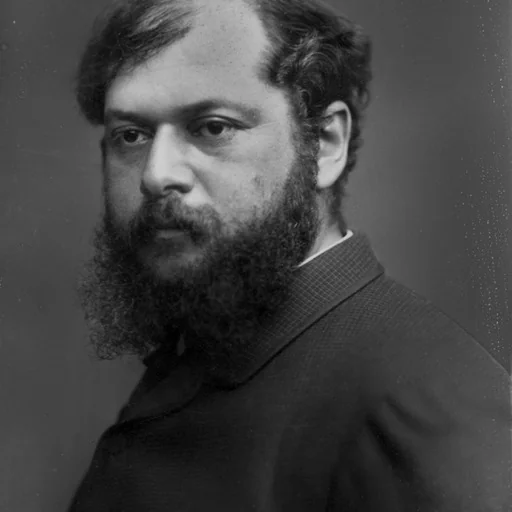
Ernst Abraham Josephson (1851–1906) was a Swedish painter and poet. He specialized in portraits, genre scenes of folklife and folklore.

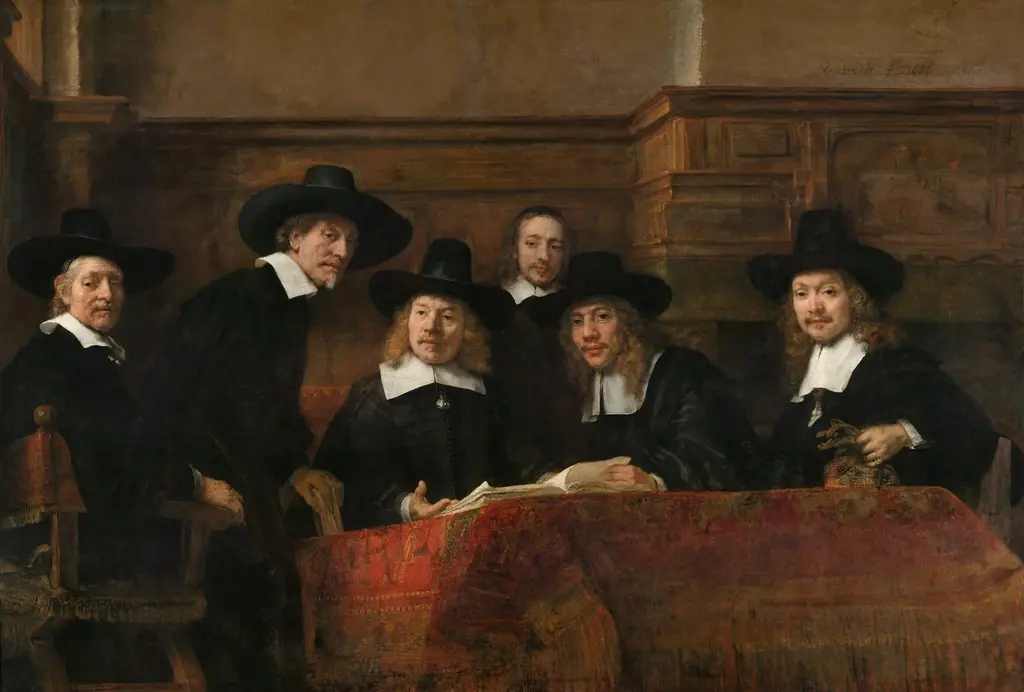 Syndics of the Drapers' Guild
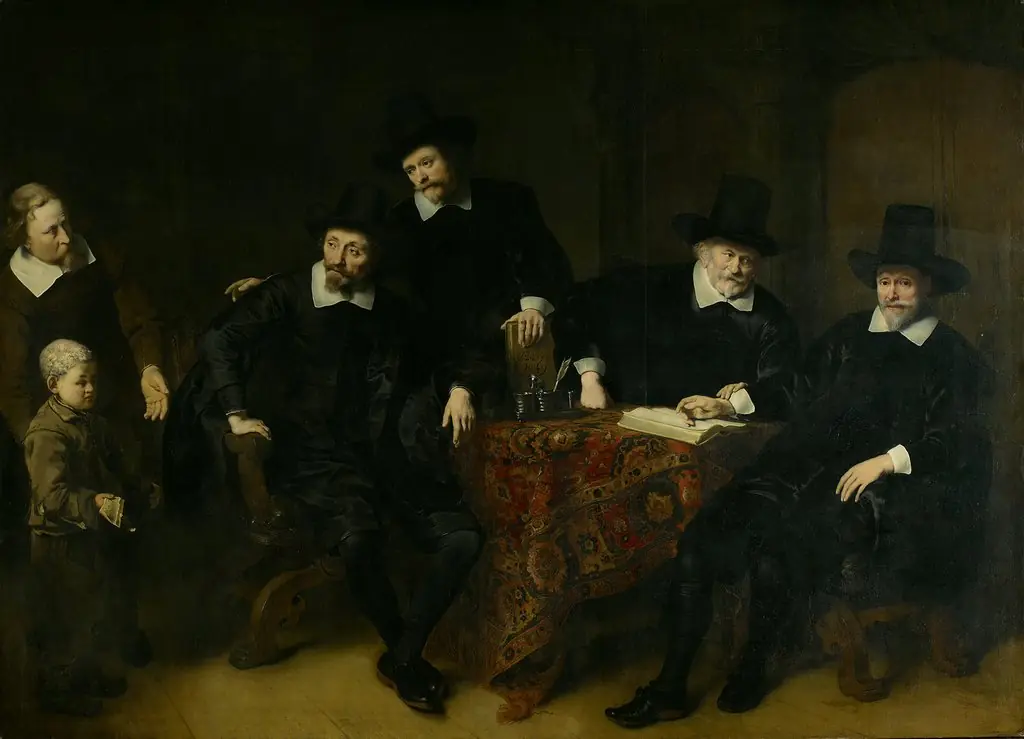 The Regents of the Leper's house in Amsterdam in 1649
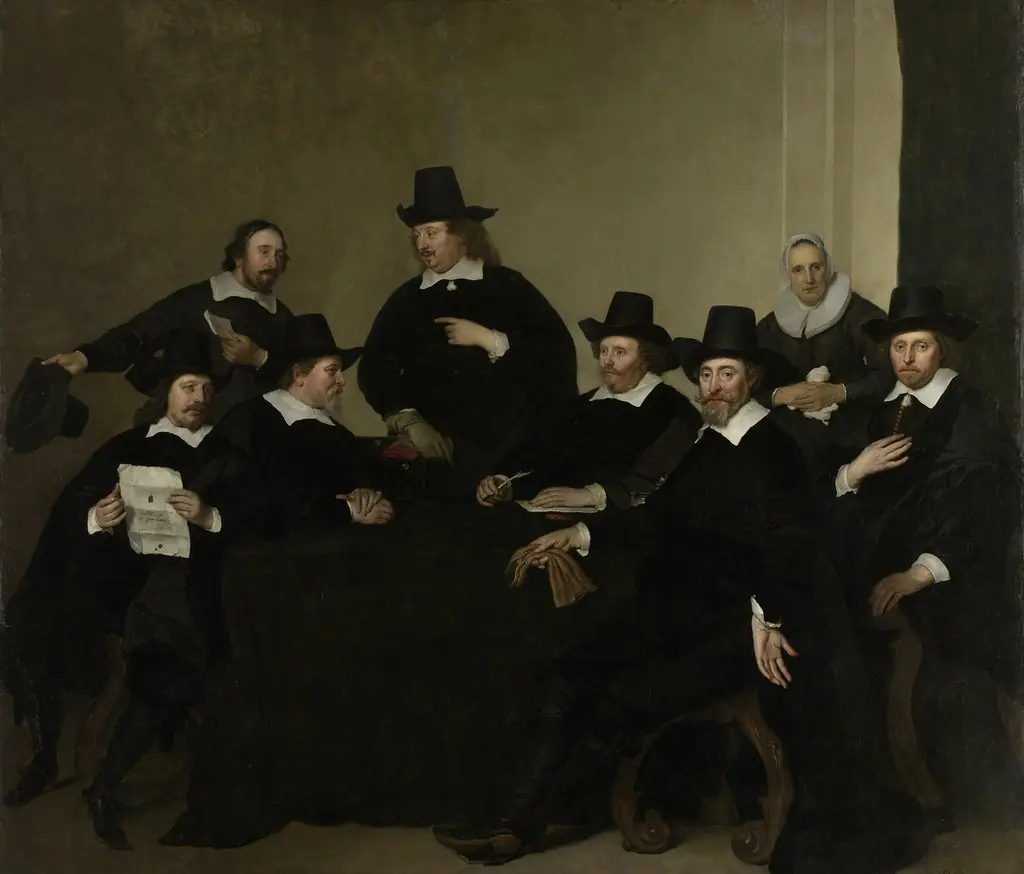 The regents of the Nieuwe Zijds institute for the outdoor relief of the poor, Amsterdam, ca 1650
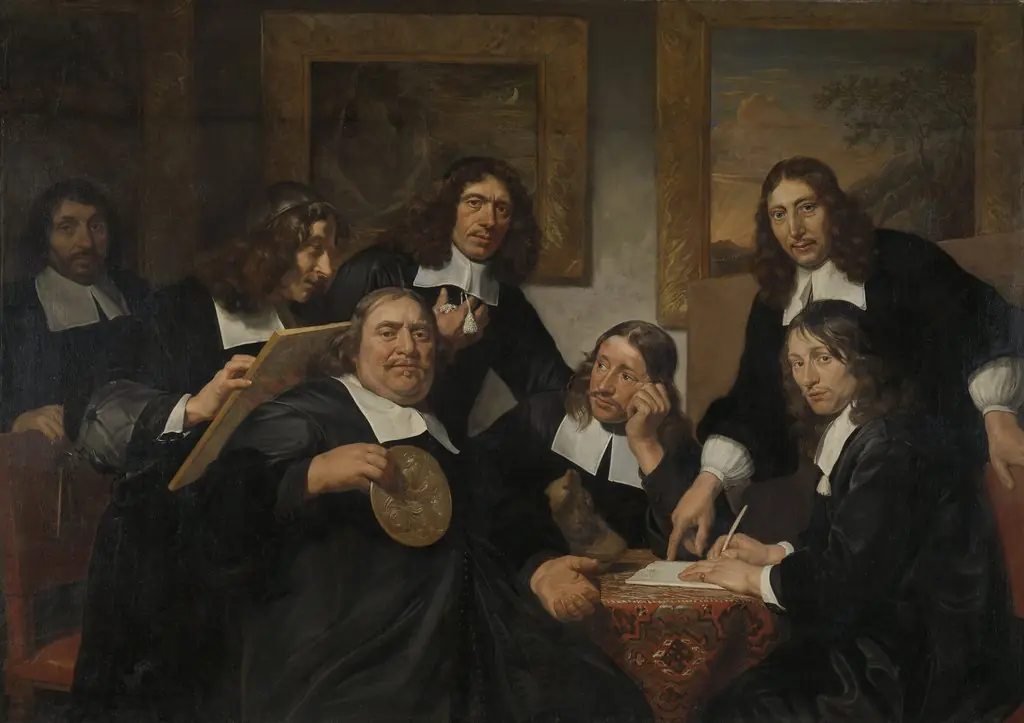 The governors of the guild of St. Luke, Haarlem, 1675
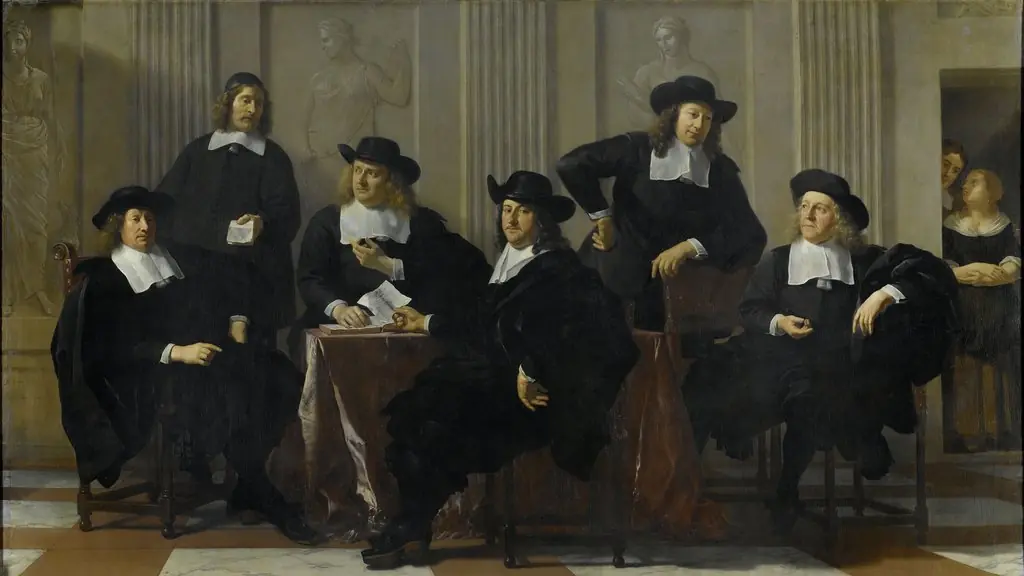 The Regents of the Spinhuis and Nieuwe Werkhuis, Amsterdam
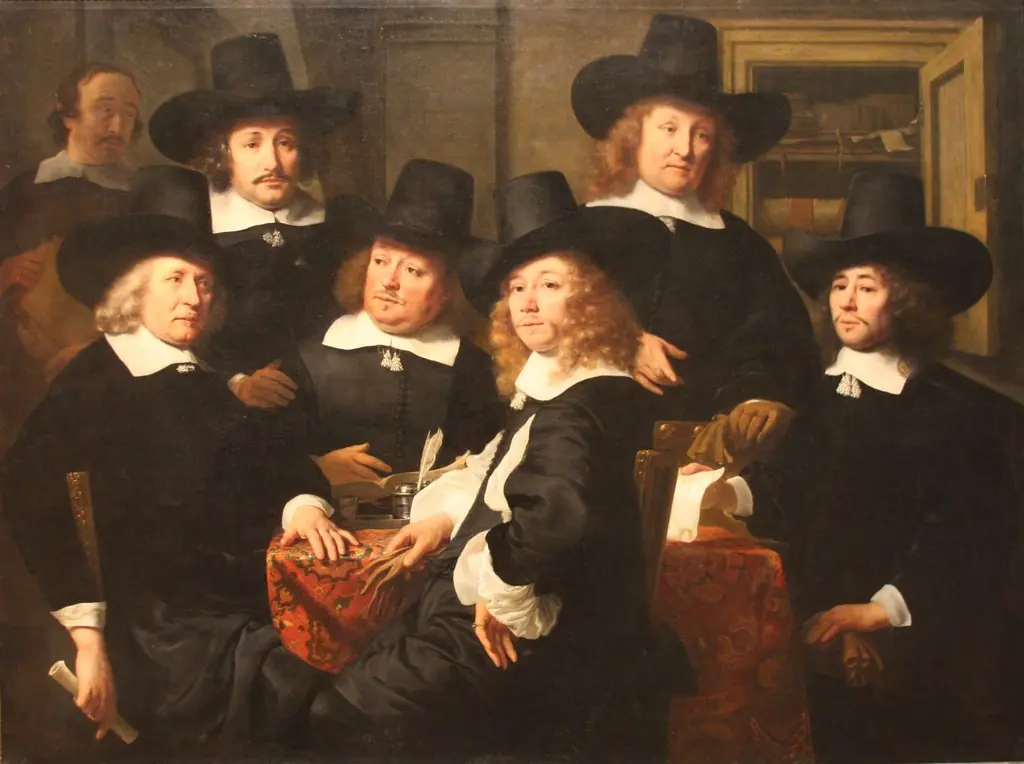 Six regents and the beadle of the Nieuwe Zijds institute for the outdoor relief of the poor
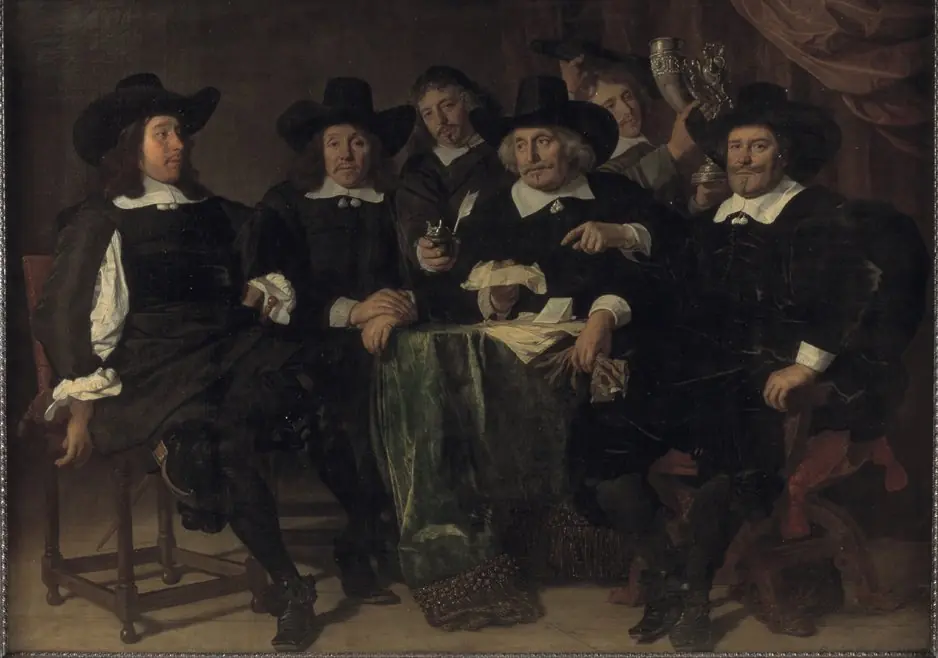 The directors of the Amsterdam civic guard of St. George in 1656
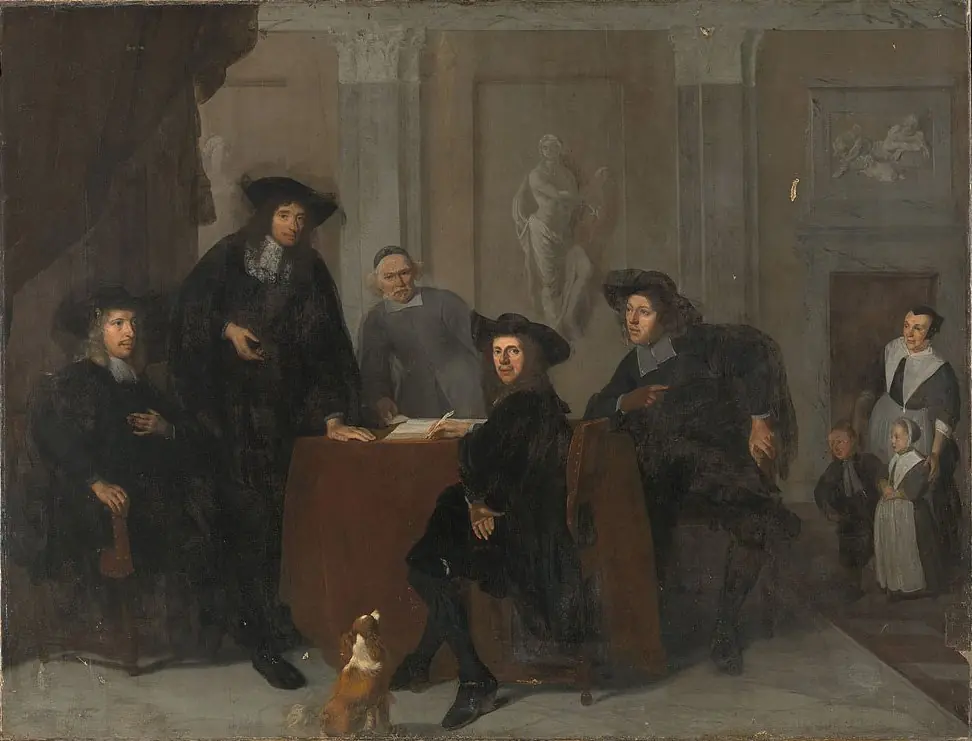 Regents of the Leper's house in Amsterdam
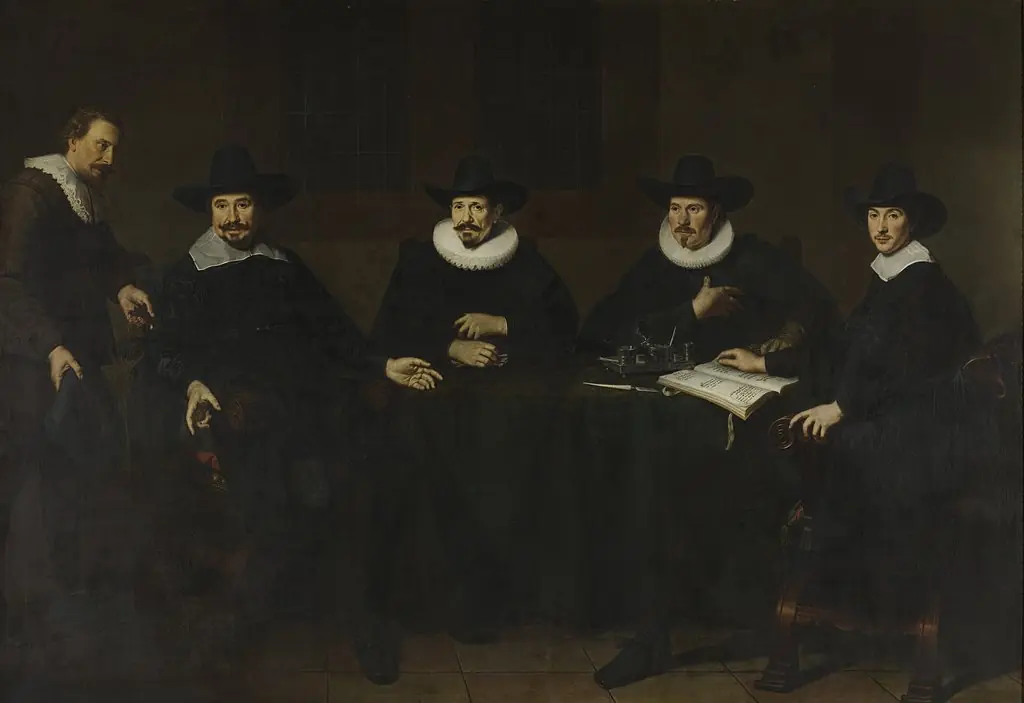 The directors of the serge cloth industry, Amsterdam, 1643
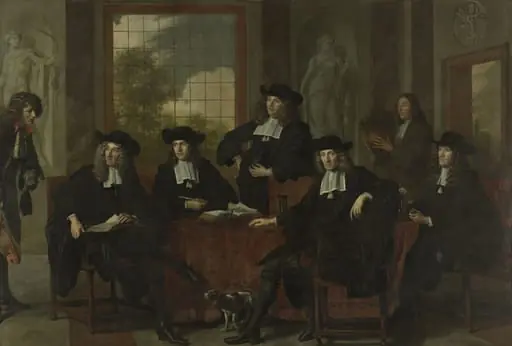 The Superintendents of the Collegium Medicum in Amsterdam, 1683
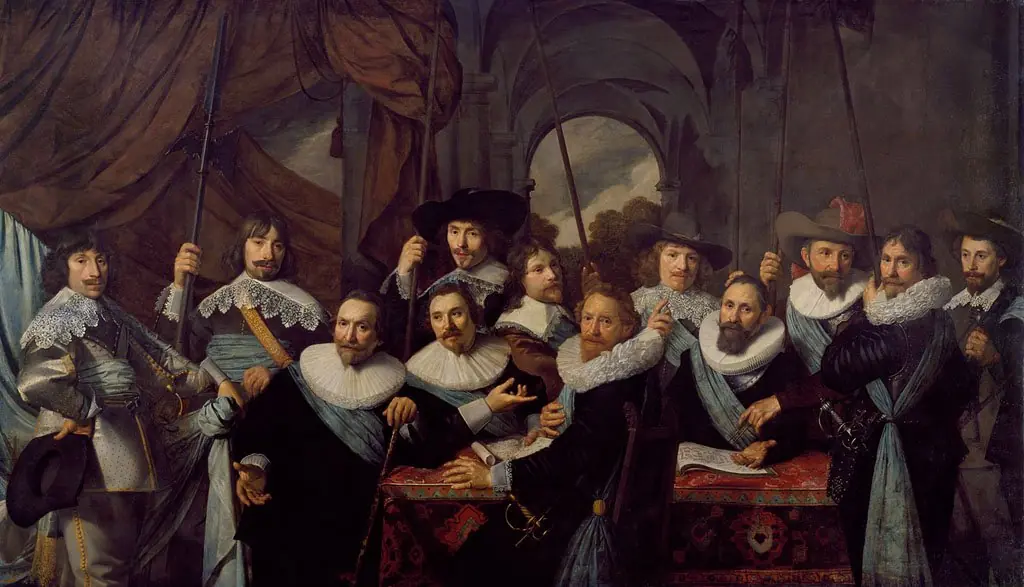 Members of the civic guard company of Captain Dirck Tholinx and Lieutenant Pieter Adriaenszn Raep
 Scene from the life of Rembrand