Artwork
Cyclamen
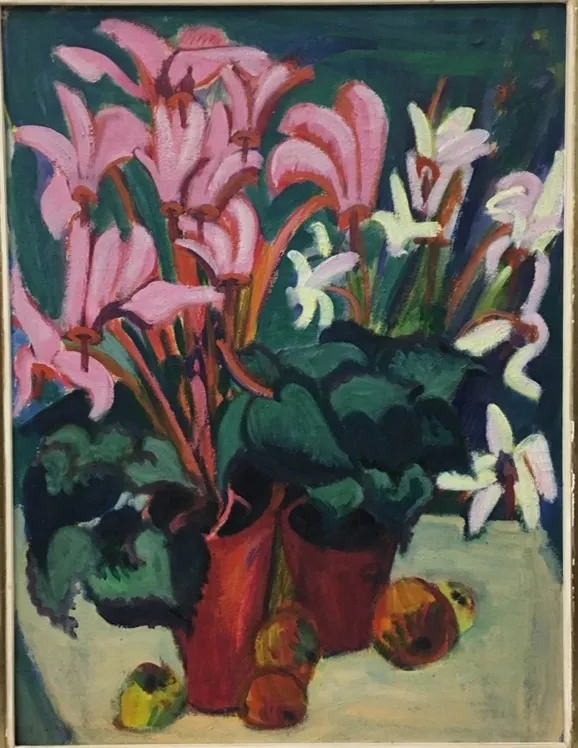
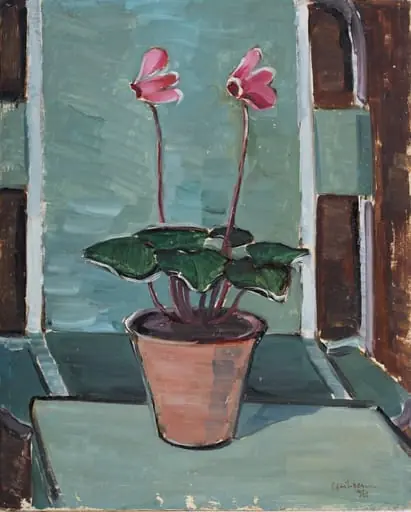
Cyclamen is an oil painting by Ernst Ludwig Kirchner. It dates from 1918 and is held in the collection of the Metropolitan Museum of Art.
About this work
Overview
It is a still life depicting flowering cyclamen in ceramic pots, rendered with deliberate brushwork and a restrained palette.
Ernst Ludwig Kirchner painted *Cyclamen* in 1918 using oil on canvas. The work belongs to his later period, following his involvement with the Expressionist group Die Brücke. It is a still life depicting flowering cyclamen in ceramic pots, rendered with deliberate brushwork and a restrained palette. The painting is part of the permanent collection at The Metropolitan Museum of Art, reflecting its significance within Kirchner’s oeuvre and early 20th-century German art.
Subject & Meaning
The painting presents a quiet arrangement of cyclamen flowers in domestic pots, accompanied by what appear to be small fruits or bulbs at the base. Unlike traditional still lifes, the composition avoids ornamental flourish, instead emphasizing solitude and intimacy. The flowers, neither idealized nor dramatic, suggest a moment of private observation—perhaps a reflection on resilience or transience, common themes in Kirchner’s post-war work.
Technique & Style
Kirchner applied oil paint with thick, directional strokes that emphasize texture, particularly in the petals and leaves. The brushwork is expressive yet controlled, avoiding the agitation seen in his earlier urban scenes. Colors are subdued—soft pinks, muted greens, and earthy browns—creating a somber harmony. The dark background recedes, allowing the forms to emerge with quiet presence, enhancing the sense of spatial depth without perspective tricks.
History & Provenance
Painted in 1918 during Kirchner’s time in Davos, Switzerland, where he sought treatment for mental and physical ailments, *Cyclamen* reflects a period of introspection. It entered The Metropolitan Museum of Art’s collection in the mid-20th century, acquired as part of broader efforts to document German Expressionism. Its provenance traces back to private European collections before institutional acquisition.
Context
Created in the aftermath of World War I, the painting diverges from Kirchner’s earlier, more turbulent cityscapes. Isolated in the Swiss Alps, he turned to nature and domestic objects as subjects, seeking calm amid personal and societal upheaval. This shift aligns with broader trends among Expressionists who, after the war, explored quieter, more introspective themes in their work.
Legacy
*Cyclamen* exemplifies Kirchner’s ability to infuse simple subjects with emotional weight through color and gesture. While less known than his street scenes, this still life reveals his evolving sensitivity to form and atmosphere. It remains a key reference in studies of Expressionist still life, illustrating how personal and historical trauma could transform the depiction of everyday objects.
Artist & collection

Artist
Ernst Ludwig Kirchner (6 May 1880 – 15 June 1938) was a German expressionist painter and printmaker.

![Dance Hall Bellevue [obverse], by Ernst Ludwig Kirchner](https://artifactworldgallery.com/img/ernst-ludwig-kirchner--dance-hall-bellevue-obverse--d1e14aac4297c69e-w320.webp)
![Nude Figure [reverse], by Ernst Ludwig Kirchner](https://artifactworldgallery.com/img/ernst-ludwig-kirchner--nude-figure-reverse--4b135f0364753e98-w320.webp)
![Two Nudes [obverse], by Ernst Ludwig Kirchner](https://artifactworldgallery.com/img/ernst-ludwig-kirchner--two-nudes-obverse--eb3914183f0bc96d-w320.webp)
![Dancing Couple in the Snow [reverse], by Ernst Ludwig Kirchner](https://artifactworldgallery.com/img/ernst-ludwig-kirchner--dancing-couple-in-the-snow-reverse--87ca007d7c05b553-w320.webp)
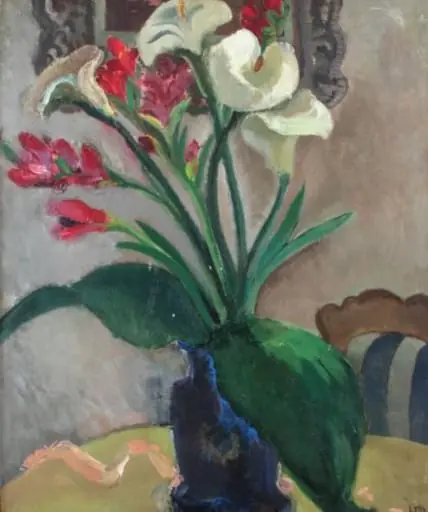 Gladiole (Cale)
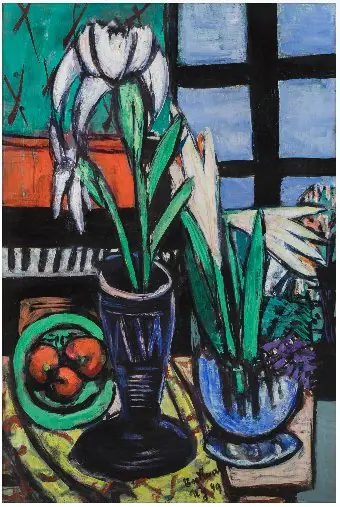 Still Life with Lilies
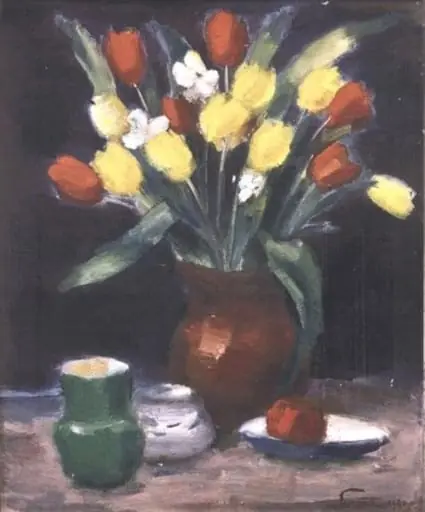 Natură moartă cu lalele
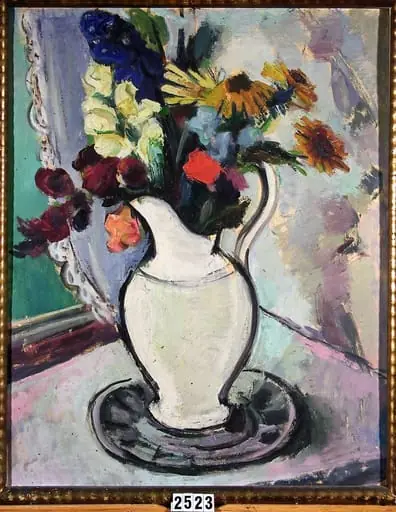 Cană cu flori
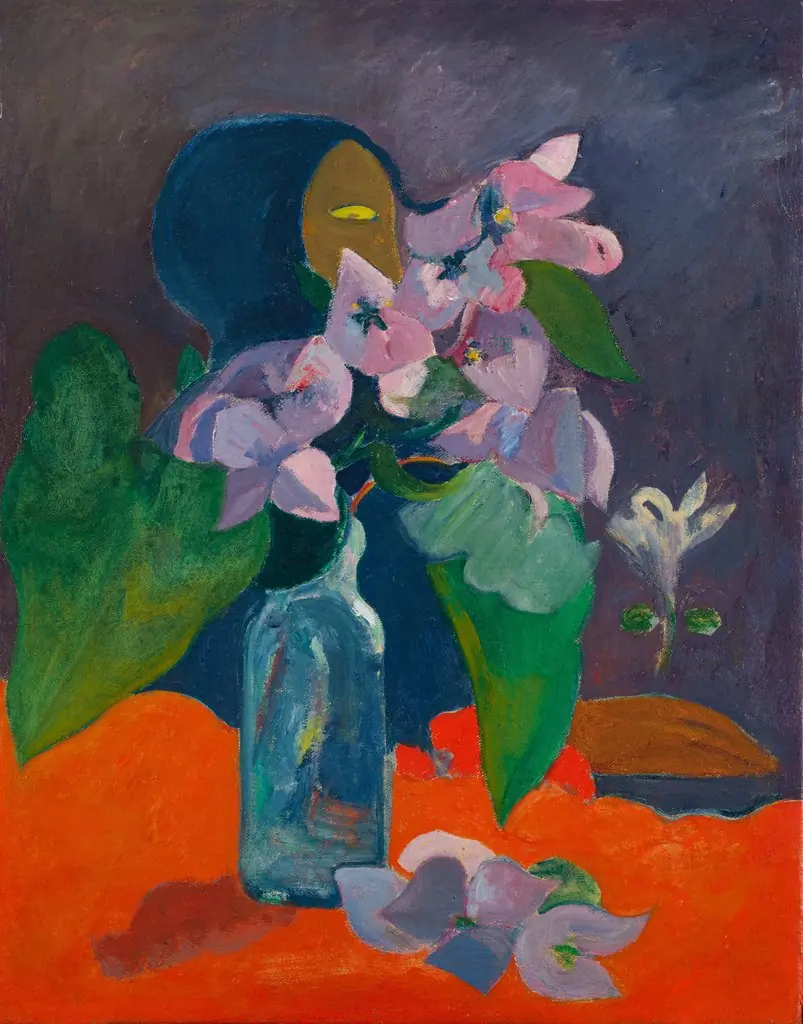 Still Life with Flowers and Idol
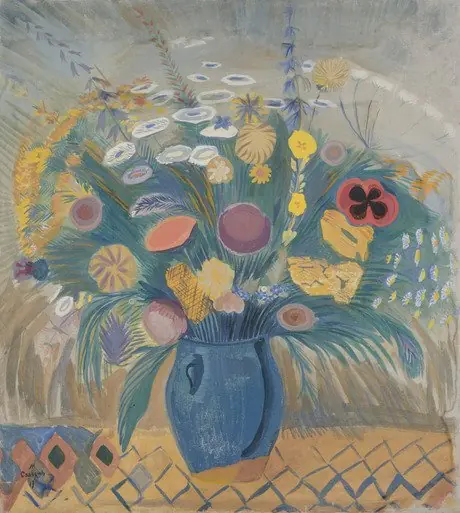 Flowers from Kalaki
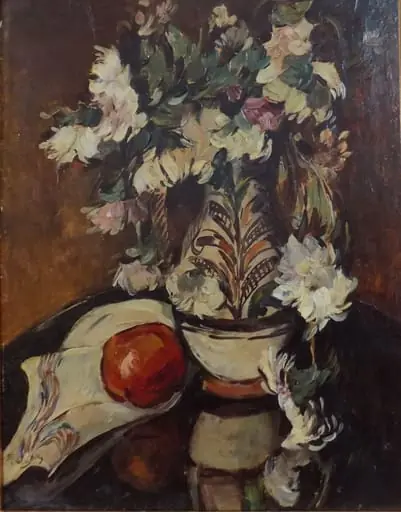 Natură statică
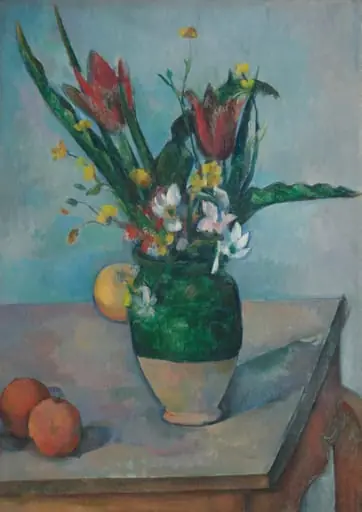 The Vase of Tulips
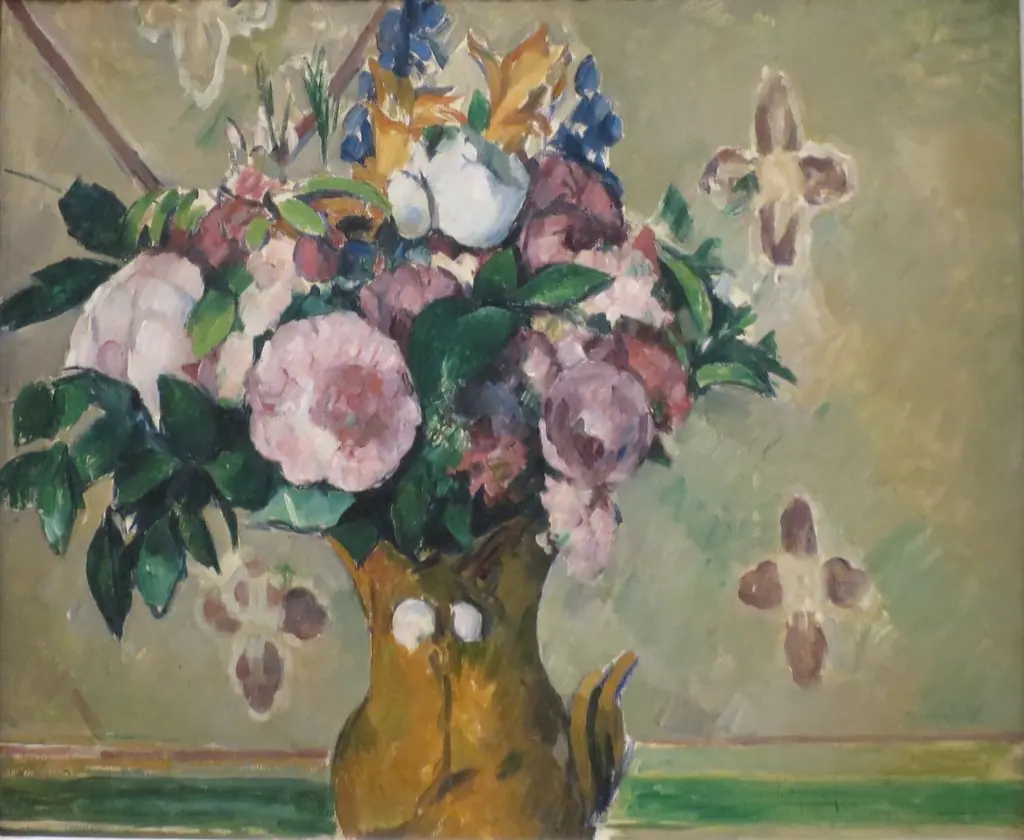 Fleurs dans un vase rouge
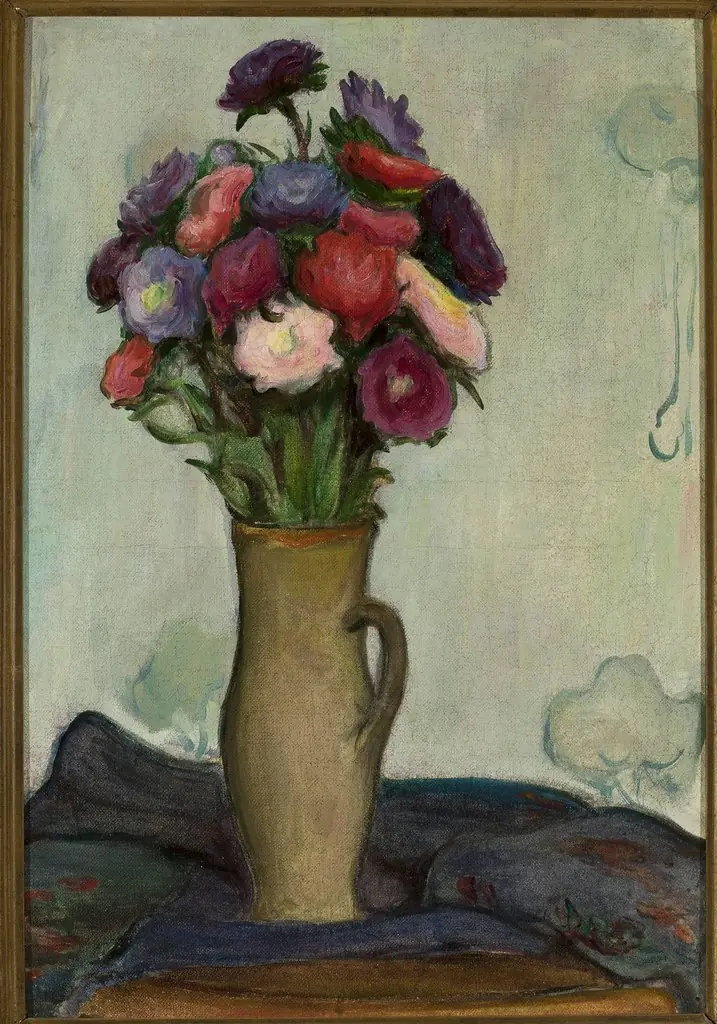 Flowers in a vase /Asters/
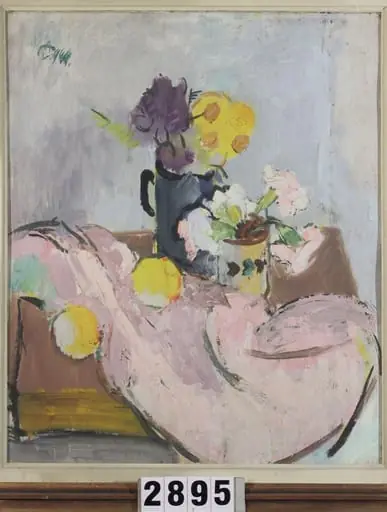 Natură statică cu flori
 Eboșă cu un ghiveci de flori, ciclame, cu frunze verzi, scurte și cu două flori roșii cu tijă foarte înaltă. Fundal verde și brun. Semnat și datat dreapta jos, cu roșu: P. Hârtopeanu (1)961.