Artwork
Kummeralp Mountain and Two Sheds
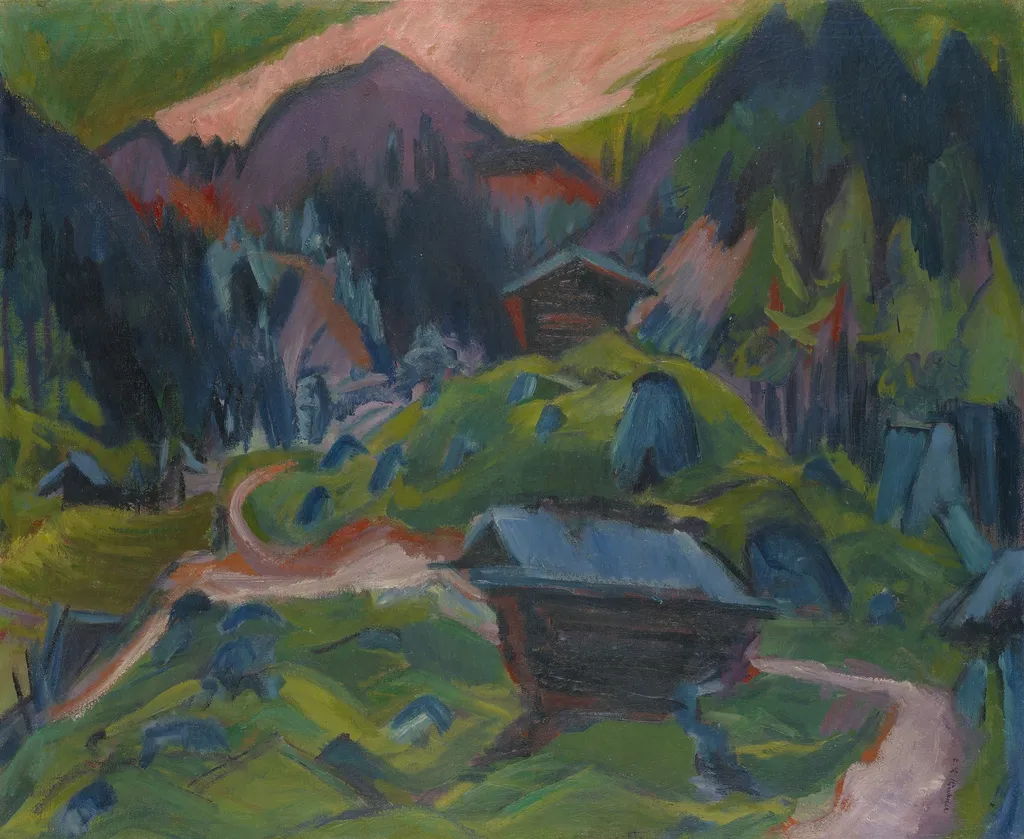
Kummeralp Mountain and Two Sheds is an unspecified painting by Ernst Ludwig Kirchner. It dates from 1920 and is held in the collection of the Art Institute of Chicago.
About this work
Overview
The work belongs to a series of landscapes he produced after relocating from urban Berlin to the Alpine region, where nature became a central subject.
Ernst Ludwig Kirchner painted *Kummeralp Mountain and Two Sheds* in 1920, during a period of intense personal and artistic reflection following his time in Davos, Switzerland. The work belongs to a series of landscapes he produced after relocating from urban Berlin to the Alpine region, where nature became a central subject. His style remained rooted in Expressionism, emphasizing emotional resonance over naturalistic detail.
Subject & Meaning
The painting presents two modest wooden sheds nestled at the base of a rugged mountain slope, with a narrow path leading toward them. These structures, simple and isolated, suggest solitude and retreat. Kirchner’s choice of subject reflects his search for stability and renewal in the mountains, away from the chaos of city life. The sheds are not idealized but rendered with quiet dignity, anchoring the composition in quiet human presence.
Technique & Style
Kirchner employed vigorous, directional brushwork and heightened color contrasts to convey the energy of the landscape. The mountain forms are built from layered blues and greens, while the sheds are painted in ochres and browns, creating a tactile warmth against the cool terrain. Forms are simplified and slightly distorted, not to deceive the eye but to express inner feeling. The composition directs attention through the path, guiding the viewer into the scene’s stillness.
History & Provenance
Created after Kirchner moved to Davos in 1917 for health reasons, the painting emerged from his daily observations of the surrounding Alps. It was likely painted during a period of relative stability, though he continued to struggle with mental health. The work remained in private collections until entering a public museum’s holdings, where it is now preserved as part of his later Alpine oeuvre.
Context
In the aftermath of World War I, many German artists turned to nature as a refuge from societal trauma. Kirchner’s Alpine works contrast with his earlier urban scenes, reflecting a shift from frenetic energy to contemplative stillness. His engagement with mountain landscapes aligned with broader European trends seeking spiritual or psychological renewal in the natural world.
Legacy
Though less widely known than his Berlin street scenes, *Kummeralp Mountain and Two Sheds* exemplifies Kirchner’s sustained commitment to Expressionist principles in his later years. It contributes to the understanding of how his style evolved under isolation and physical hardship, revealing a quieter, more introspective dimension of his artistic voice that influenced postwar German landscape painting.
Own this work as a print
Artist & collection
Artist
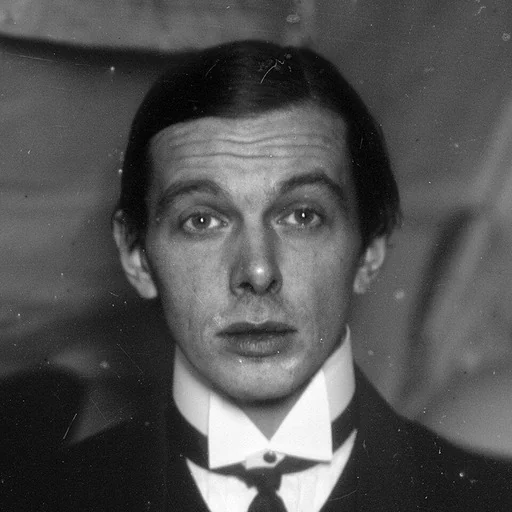
Ernst Ludwig Kirchner (6 May 1880 – 15 June 1938) was a German expressionist painter and printmaker.

![Dance Hall Bellevue [obverse], by Ernst Ludwig Kirchner](https://artifactworldgallery.com/img/ernst-ludwig-kirchner--dance-hall-bellevue-obverse--d1e14aac4297c69e-w320.webp)
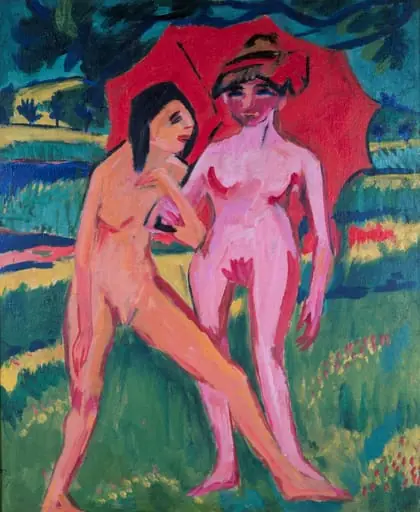
![Nude Figure [reverse], by Ernst Ludwig Kirchner](https://artifactworldgallery.com/img/ernst-ludwig-kirchner--nude-figure-reverse--4b135f0364753e98-w320.webp)
![Two Nudes [obverse], by Ernst Ludwig Kirchner](https://artifactworldgallery.com/img/ernst-ludwig-kirchner--two-nudes-obverse--eb3914183f0bc96d-w320.webp)
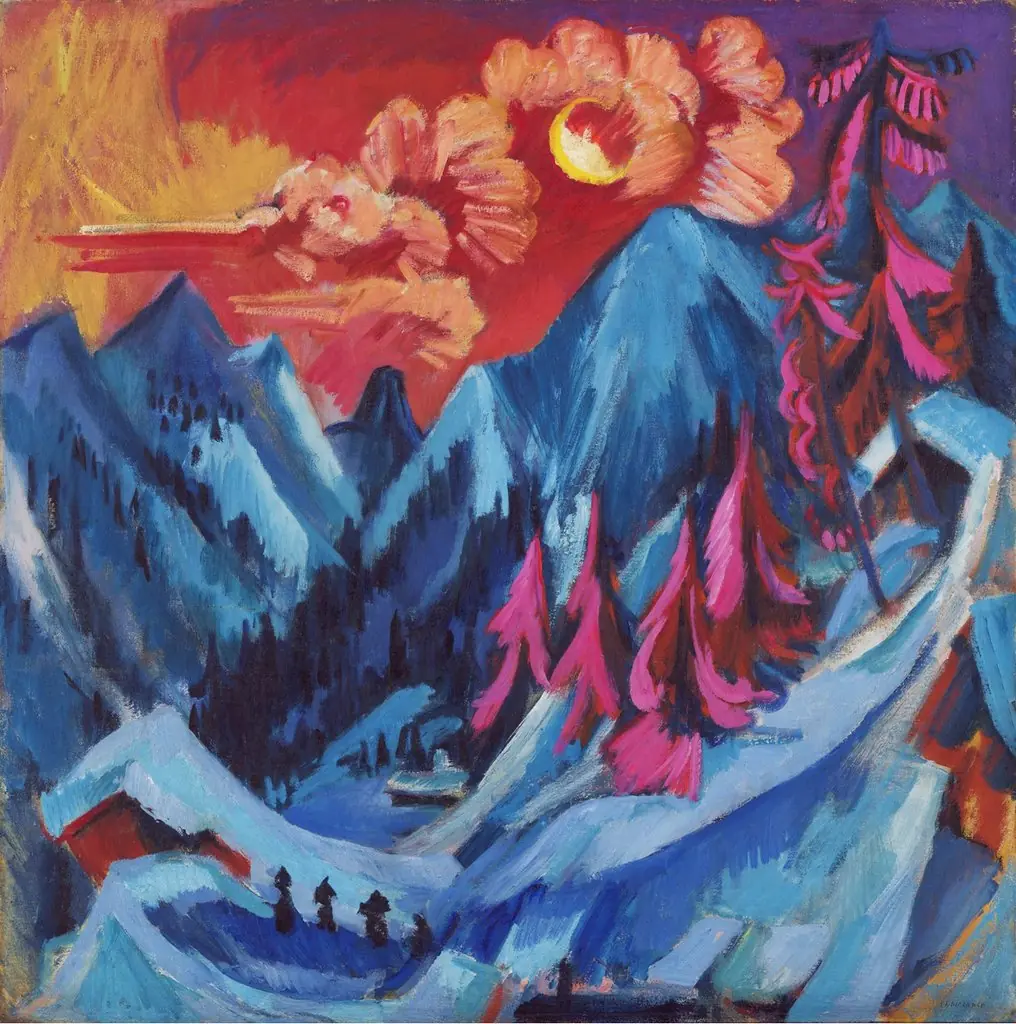
![Dancing Couple in the Snow [reverse], by Ernst Ludwig Kirchner](https://artifactworldgallery.com/img/ernst-ludwig-kirchner--dancing-couple-in-the-snow-reverse--87ca007d7c05b553-w320.webp)
 Summer Landscape with Shielings. Study from North Norway
 Landschaft Sertigtal
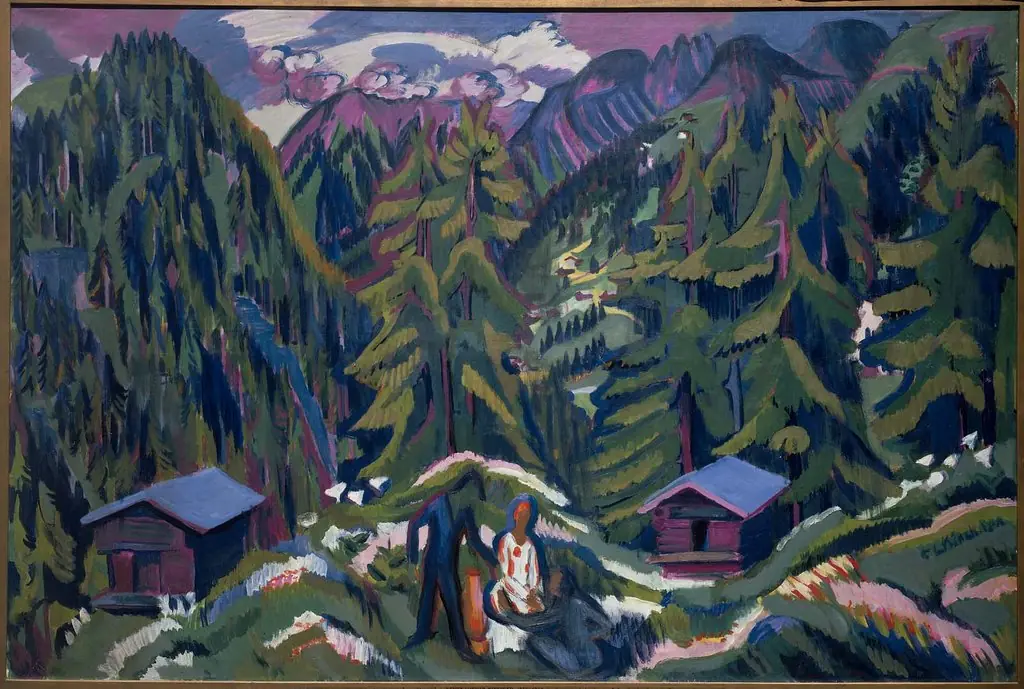 Mountain Landscape from Clavadel
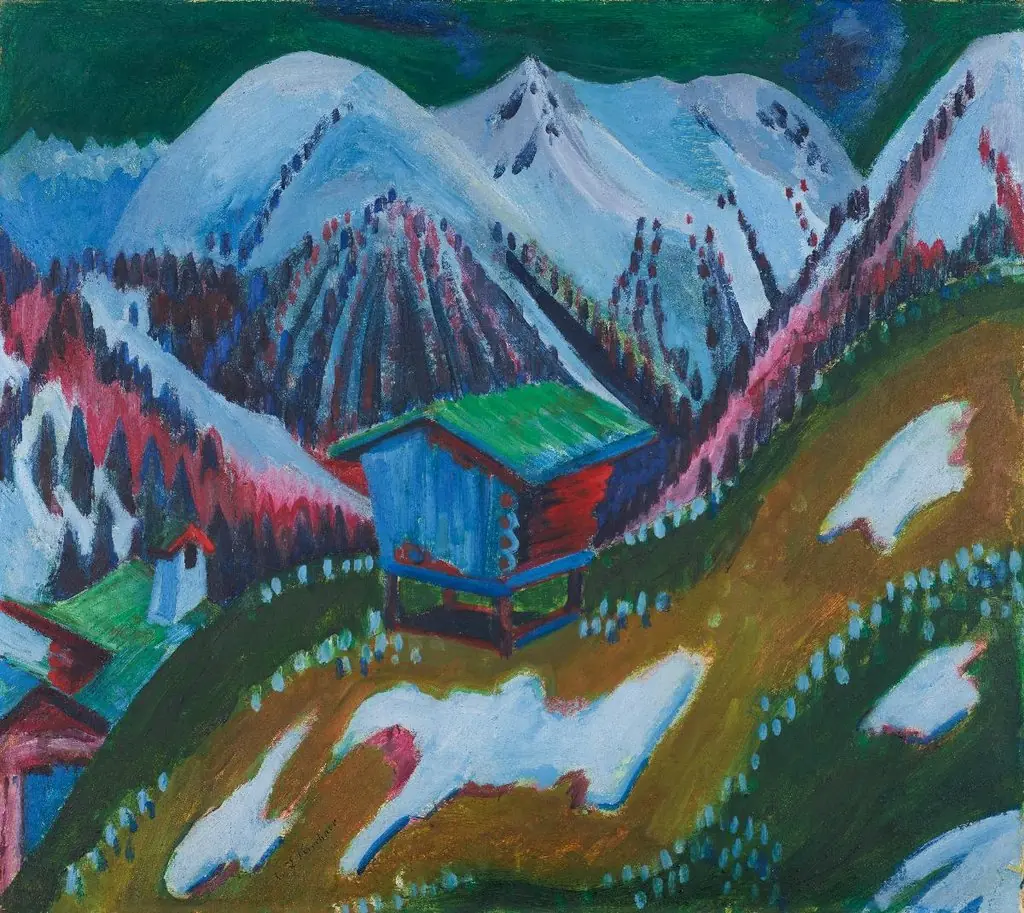 Schneeschmelze. Berglandschaft mit Alphütte
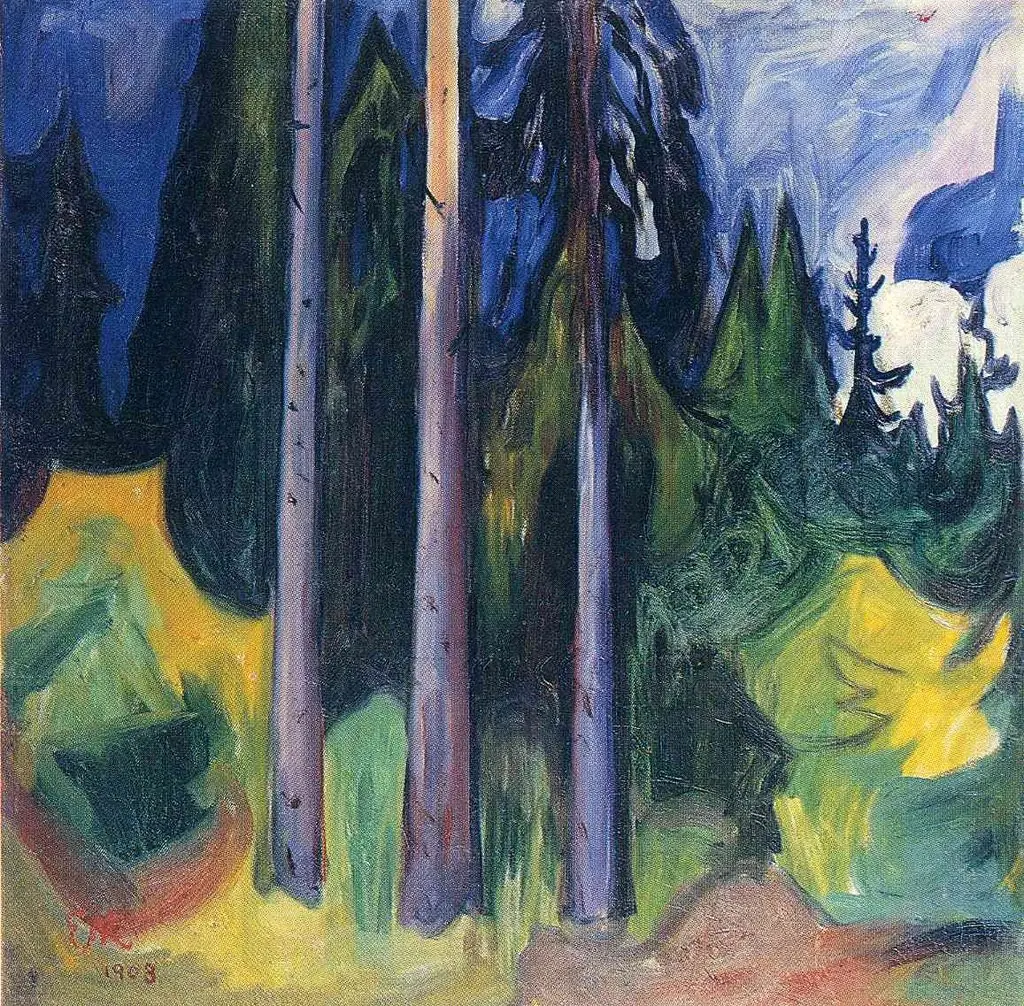 Spruce Forest
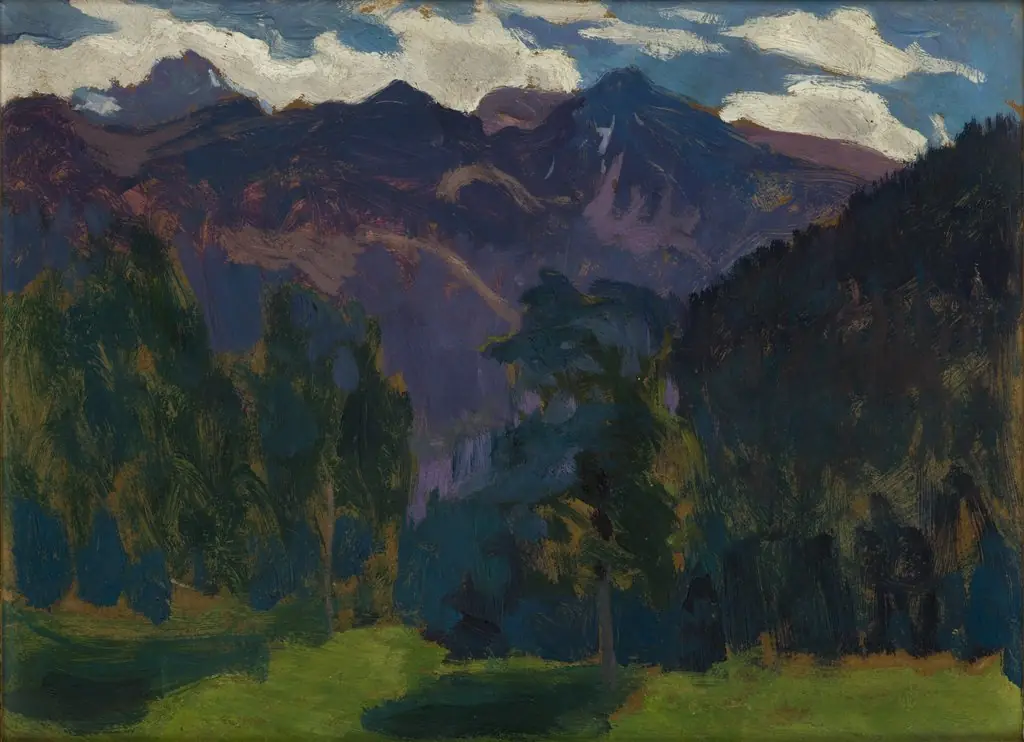 Landscape from the Tatra Mountains – two-sided painting
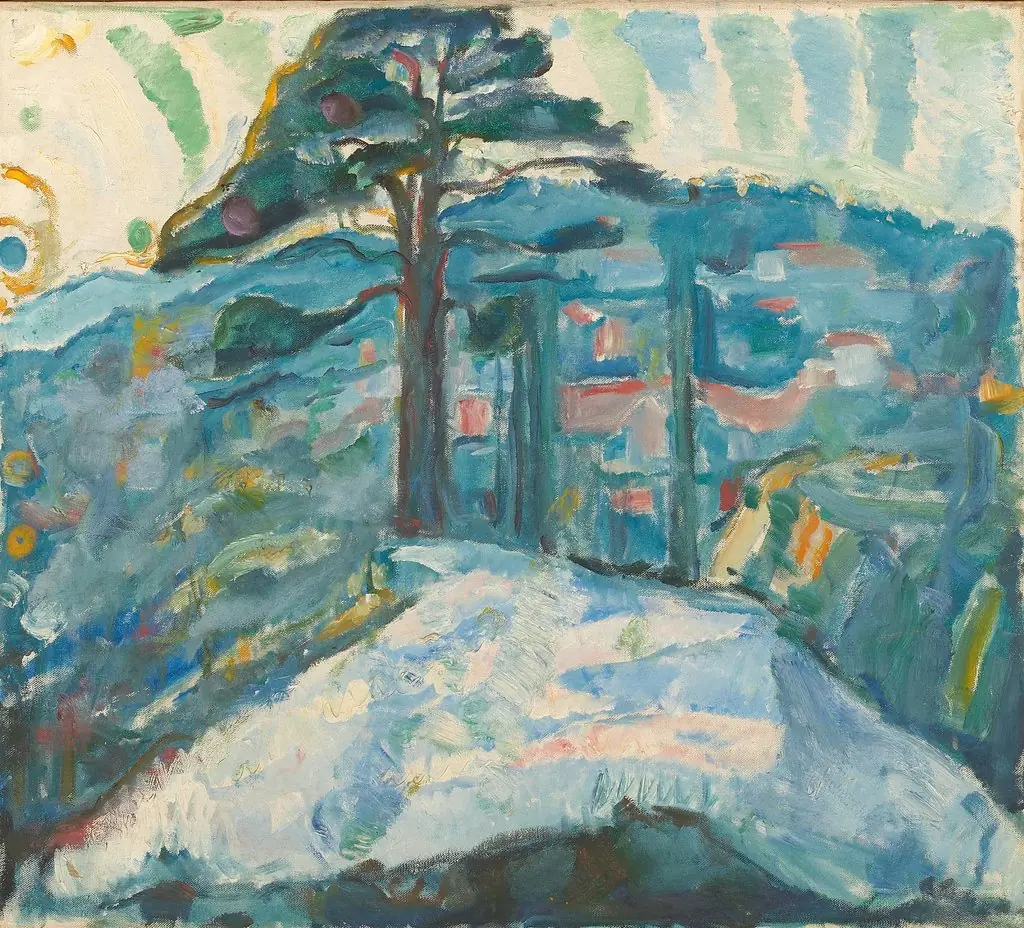 Winter in Kragerø
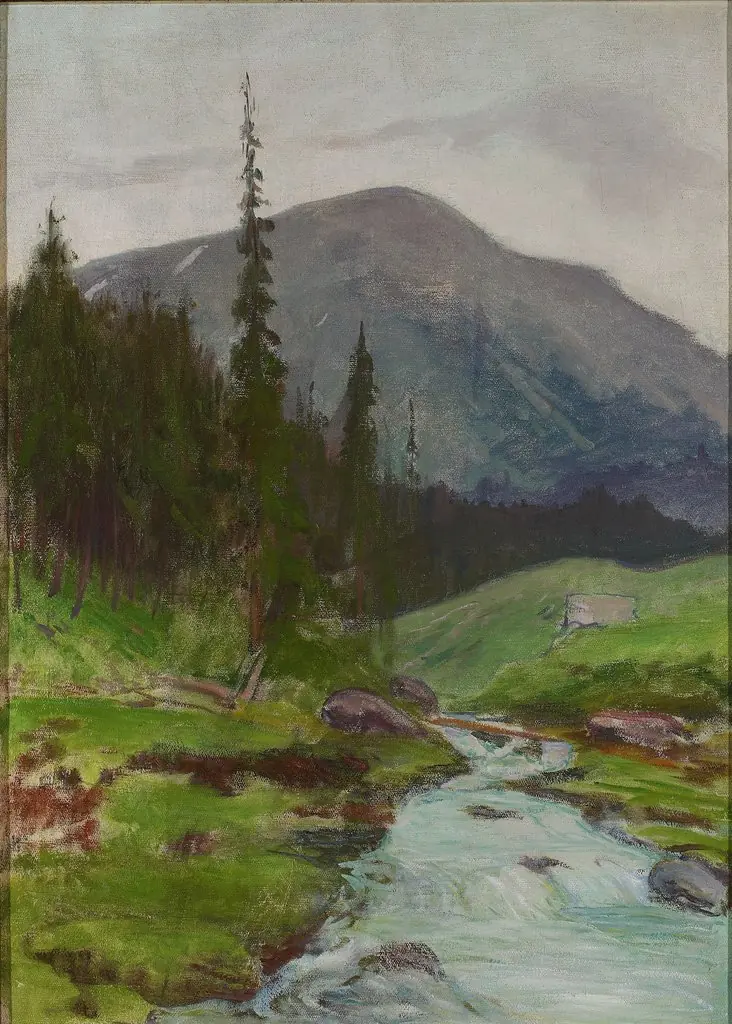 Mountain landscape
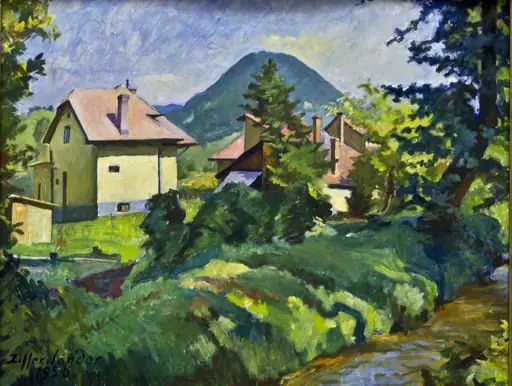 Peisaj cu Dealul Crucii
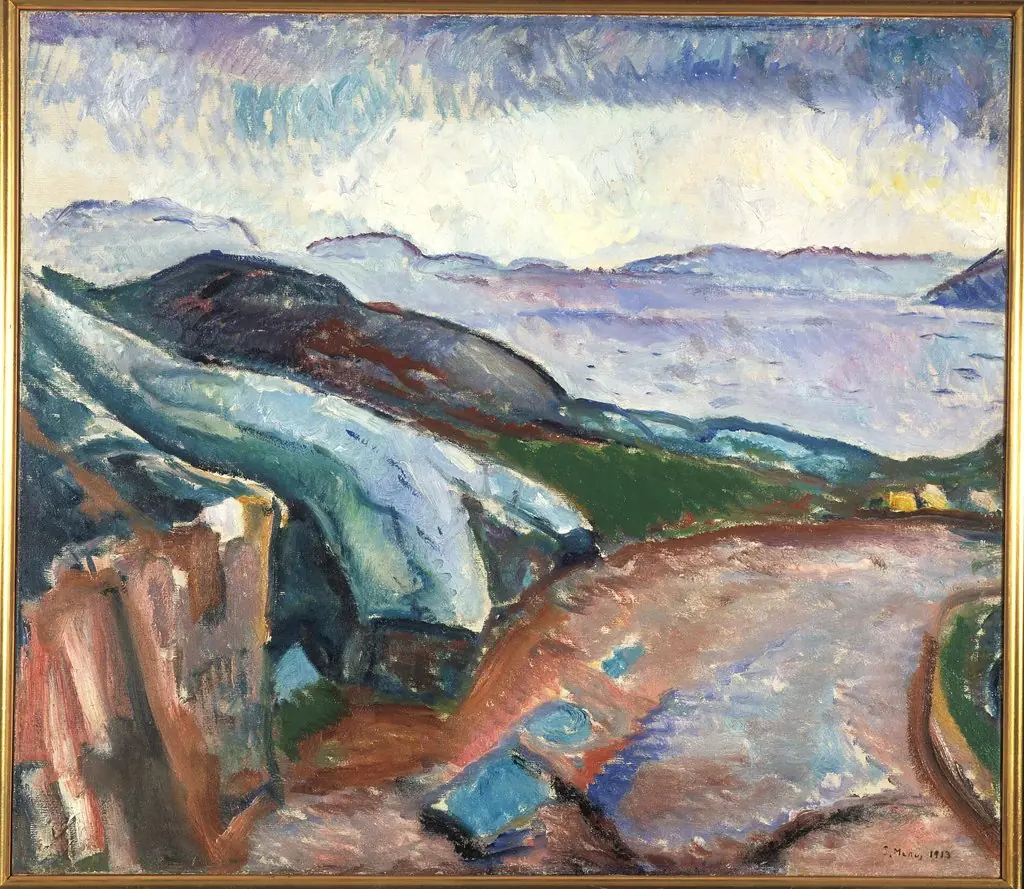 Rain at the Coast
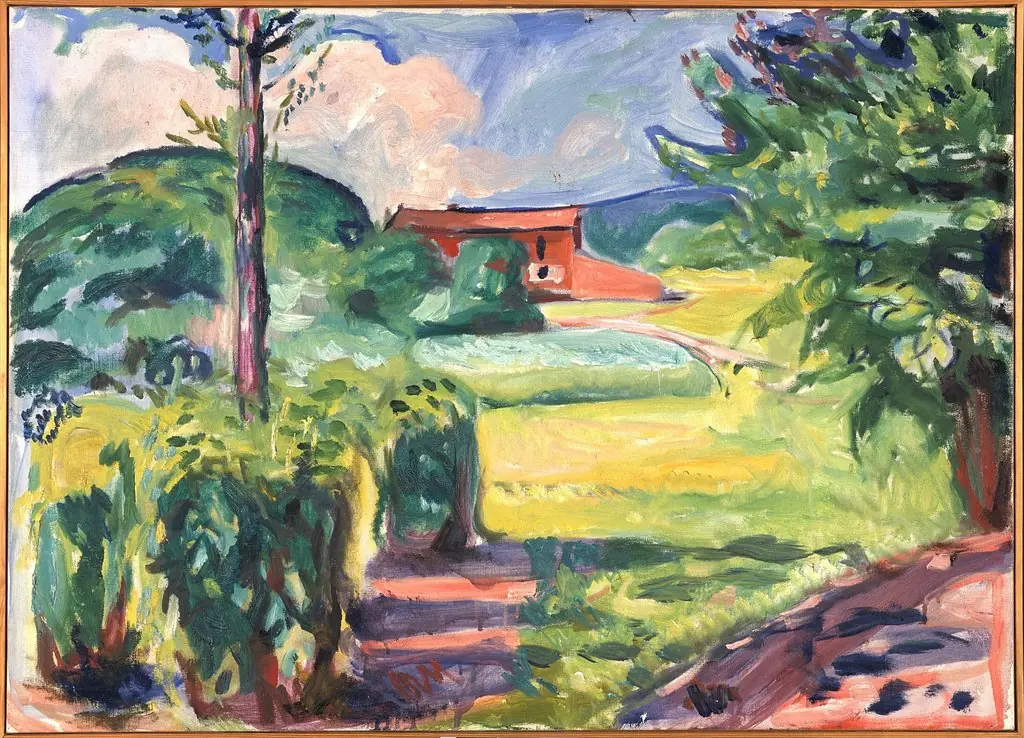 Summer at Ekely
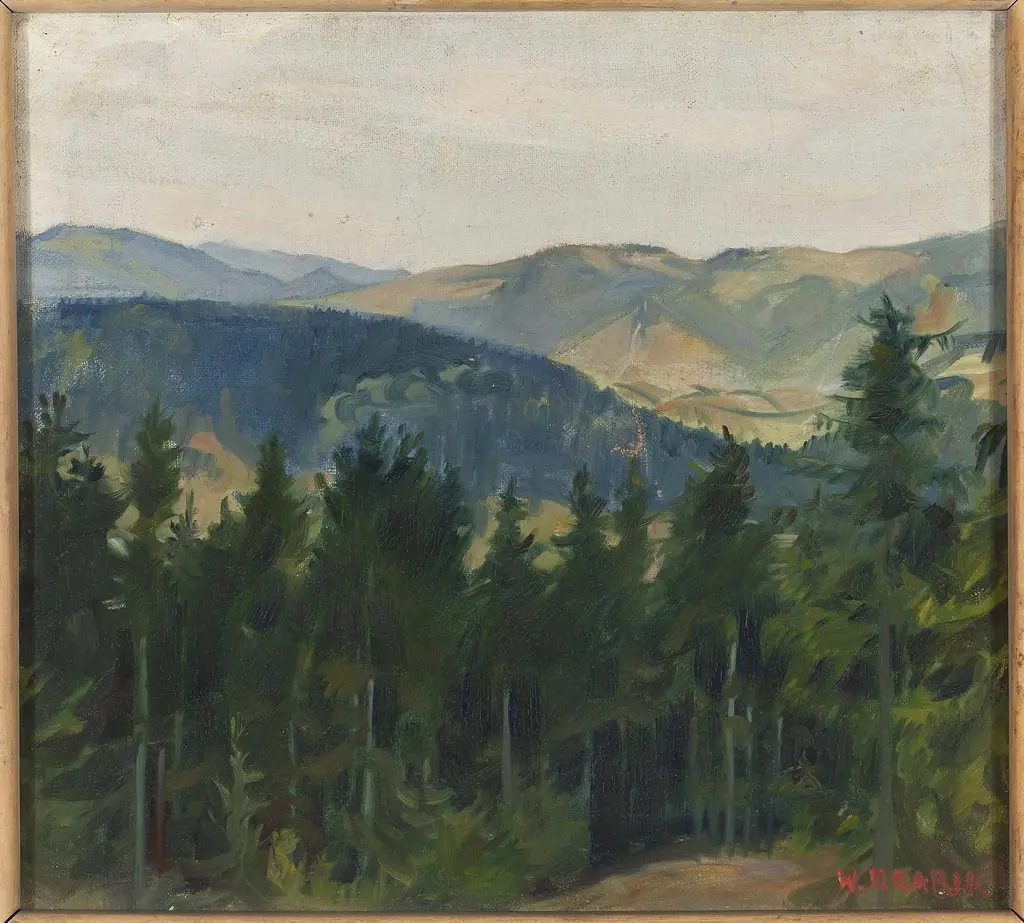 Mountainscape