Artwork
Mountain landscape
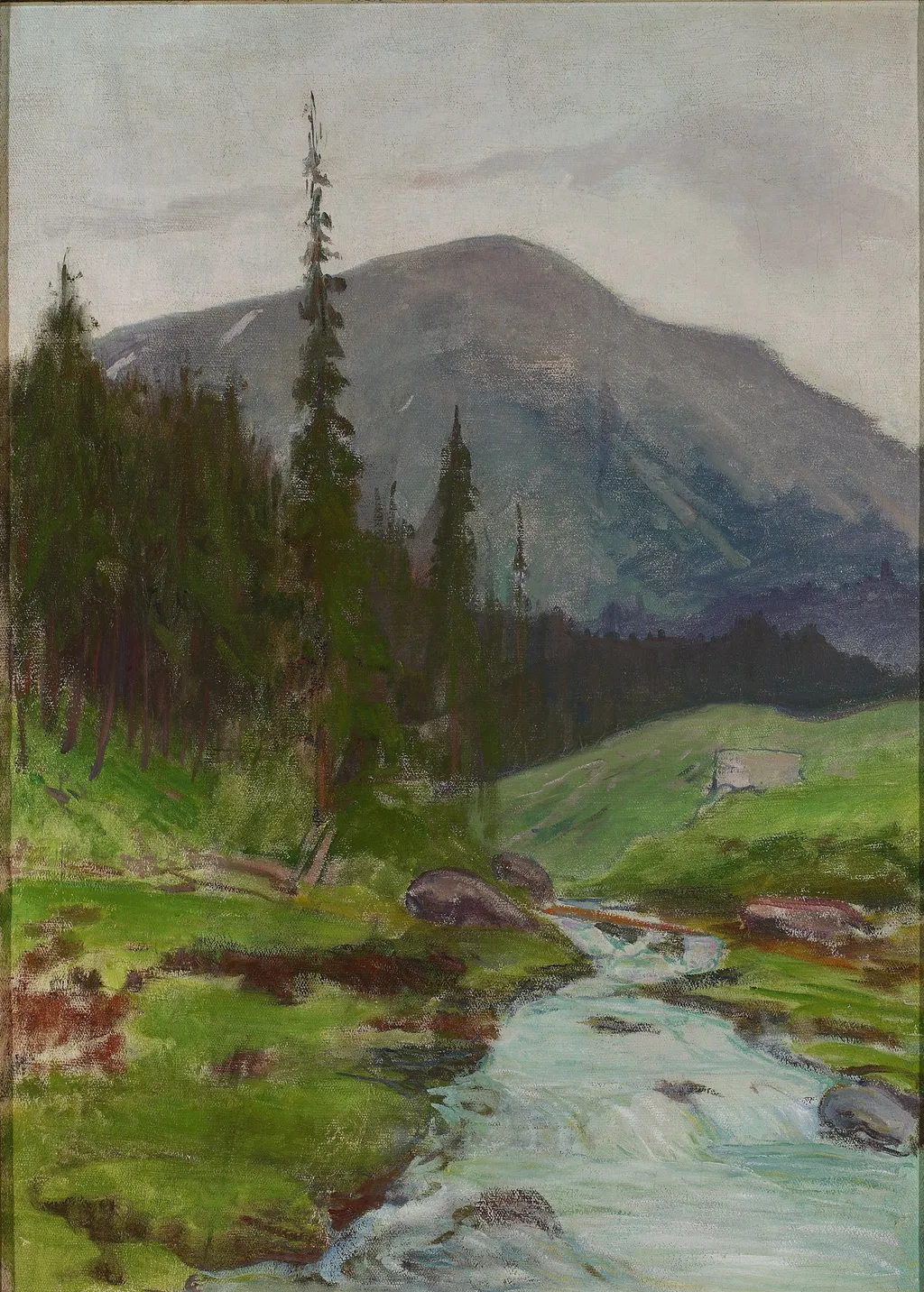
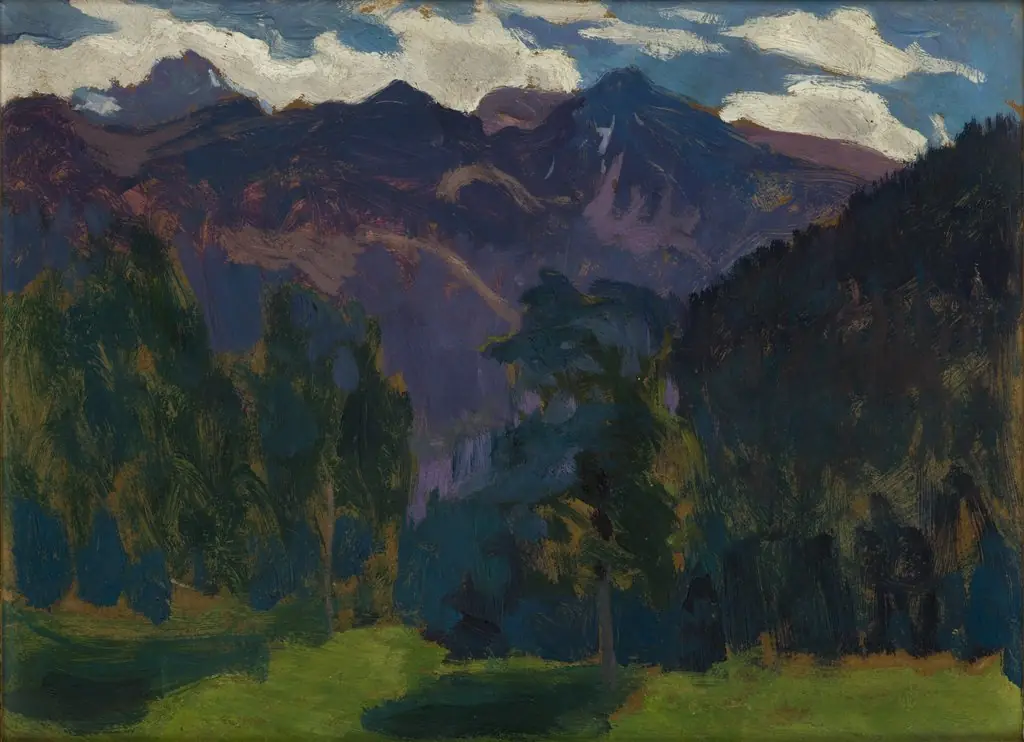
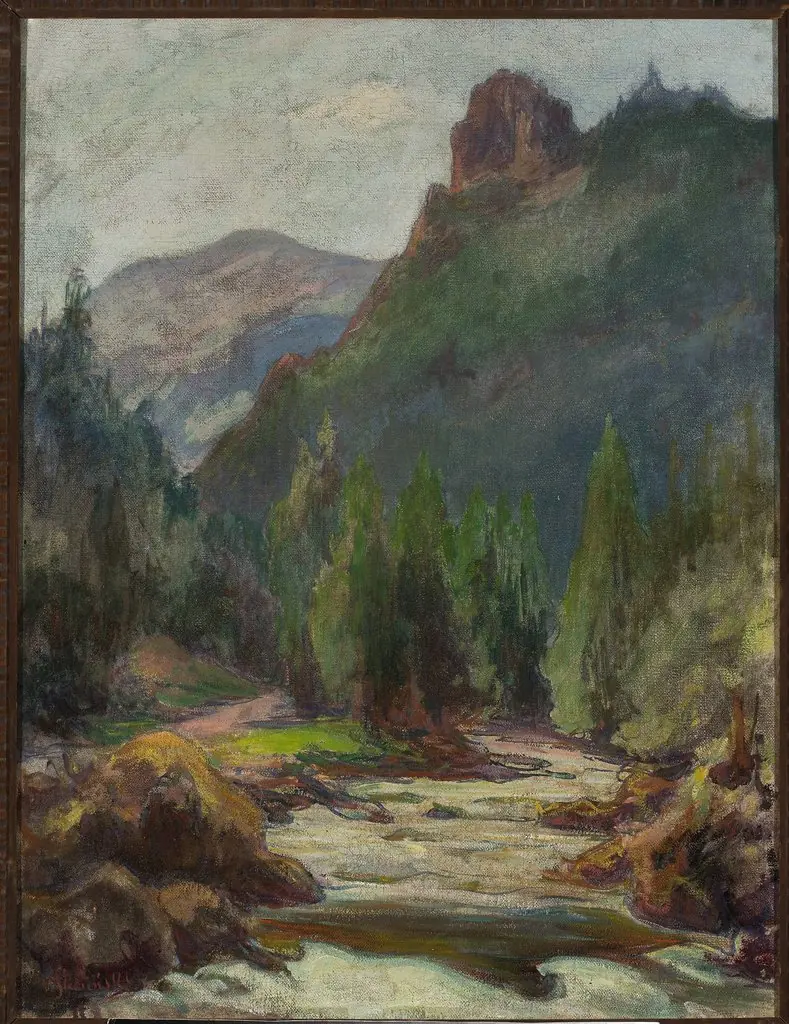
Mountain landscape is an oil painting by the Post-Impressionist artist Władysław Ślewiński. It dates from 1907 and is held in the collection of the National Museum in Warsaw.
About this work
Overview
The work is part of the National Museum in Warsaw’s permanent collection, representing Ślewiński’s mature style after his formative years under Paul Gauguin.
Painted in 1907, *Mountain Landscape* is an oil on canvas by Polish artist Władysław Ślewiński. It belongs to the broader post-impressionist current and reflects his engagement with the Young Poland movement, which sought to renew national artistic expression through modern techniques. The work is part of the National Museum in Warsaw’s permanent collection, representing Ślewiński’s mature style after his formative years under Paul Gauguin.
Subject & Meaning
The painting presents a tranquil mountain valley with a winding stream in the foreground, leading the eye toward distant peaks. Rather than depicting a specific location, the scene evokes a generalized, contemplative natural world. Ślewiński’s focus on quiet, unpopulated terrain suggests an introspective relationship with nature, aligned with the spiritual undertones common in late 19th-century European landscape traditions.
Technique & Style
Ślewiński employs layered oil paint to build texture across rock faces, foliage, and water, using varied brushwork to distinguish surfaces. Chiaroscuro enhances spatial depth, with darker shadows in crevices and lighter tones on sunlit slopes. His palette is rich but restrained, favoring earthy greens, muted blues, and warm browns—echoing Gauguin’s tonal harmony while avoiding bold, symbolic color.
History & Provenance
Created during Ślewiński’s return to Poland after years in Brittany and Paris, the painting reflects his synthesis of French post-impressionist methods with Polish artistic ideals. It entered the National Museum in Warsaw’s collection in the early 20th century, likely through acquisition or donation by a cultural institution aligned with the Young Poland circle. Its preservation reflects its recognized importance within Poland’s modernist heritage.
Context
In early 20th-century Poland, artists like Ślewiński sought to move beyond academic realism by embracing modern European styles. The Young Poland movement encouraged emotional depth and symbolic resonance in landscape painting, often as a form of cultural affirmation under foreign partitions. This work exemplifies how Polish artists adapted international trends to express local identity through nature.
Legacy
Though less widely known internationally, Ślewiński’s landscapes, including this one, remain significant in Polish art history for their quiet innovation. His blending of Gauguin’s structural approach with native sensibilities influenced later generations of Polish painters. The painting continues to be studied as a bridge between European modernism and regional artistic identity.
Artist & collection
Artist
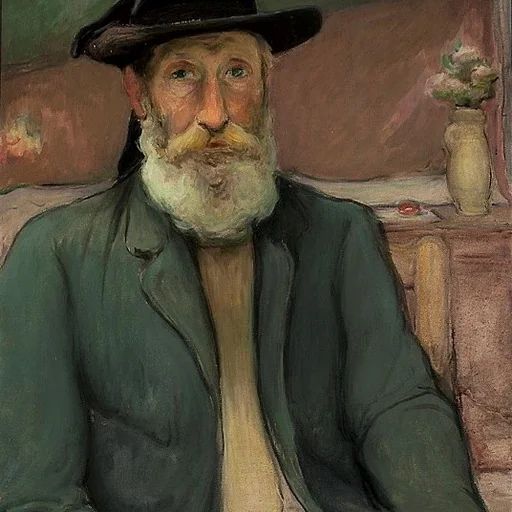
Władysław Ślewiński (1 June 1856 – 24 March 1918) was a Polish painter. He was one of Gauguin's students and a leading artist of the Young Poland movement.

 Landscape from the Tatra Mountains – two-sided painting
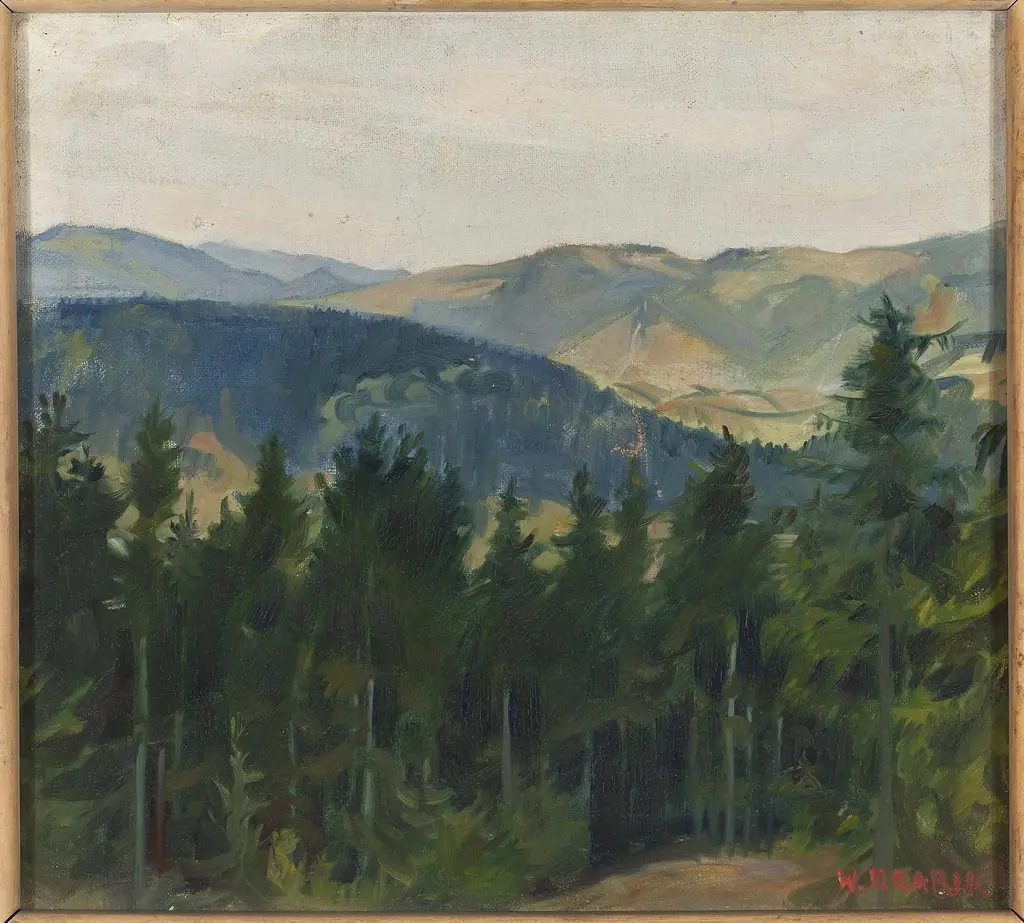 Mountainscape
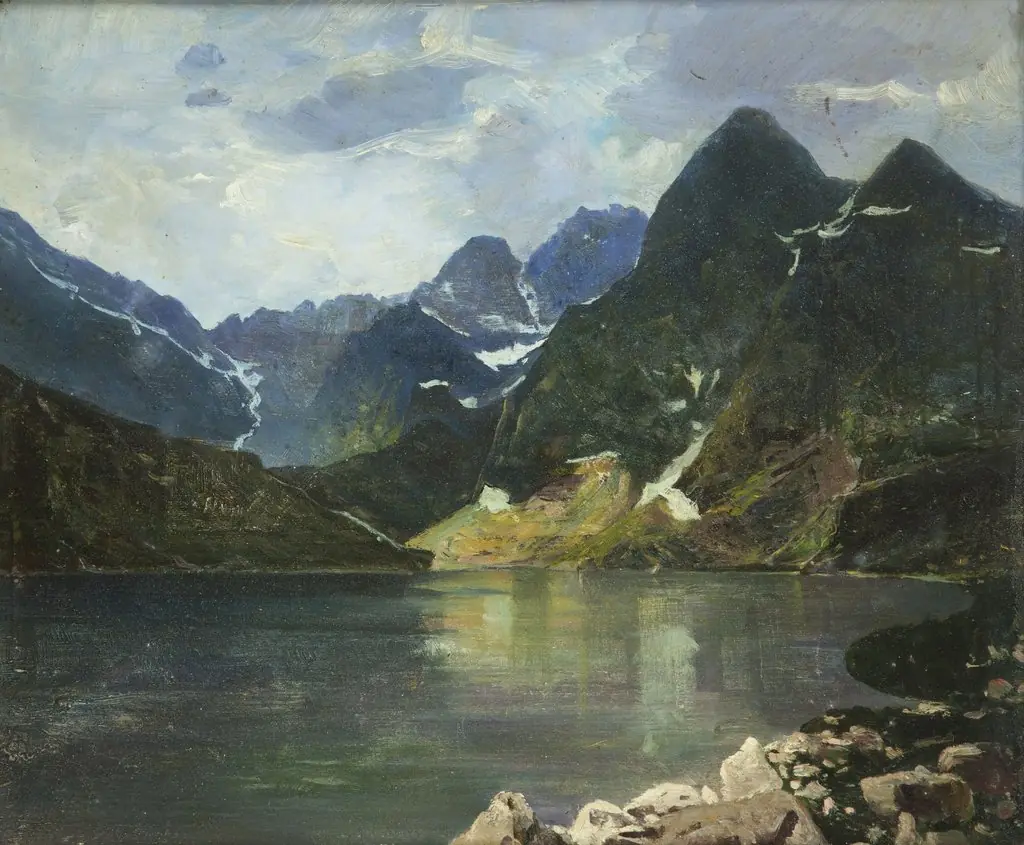 The Morskie Oko Lake
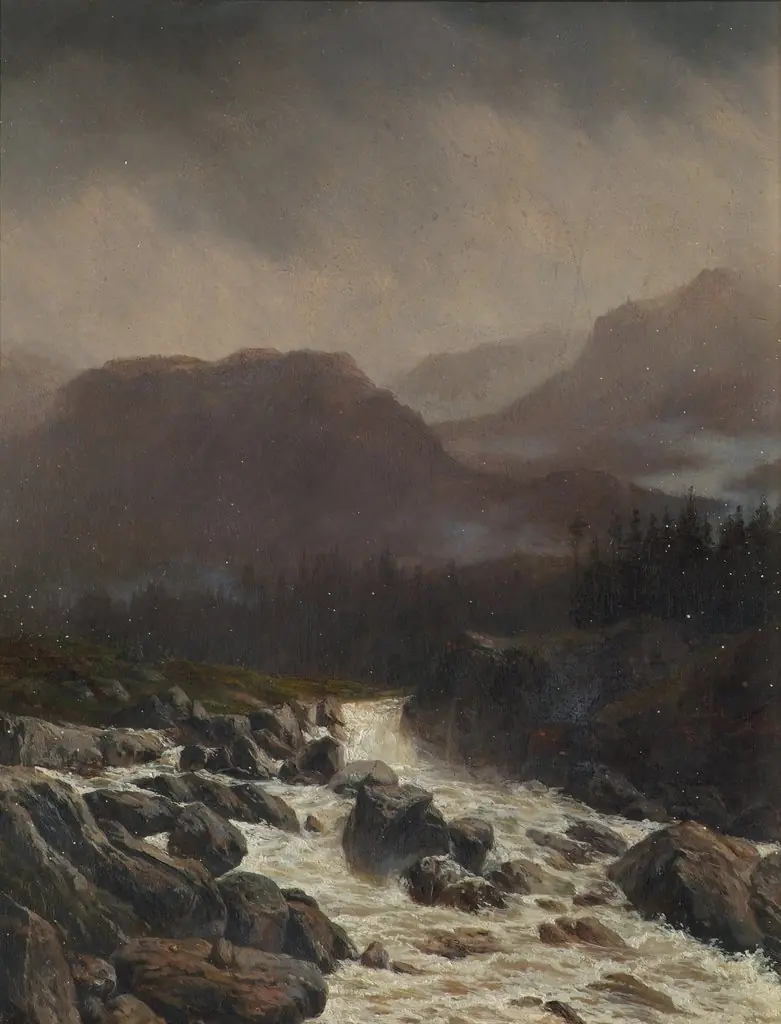 Rainy Landscape
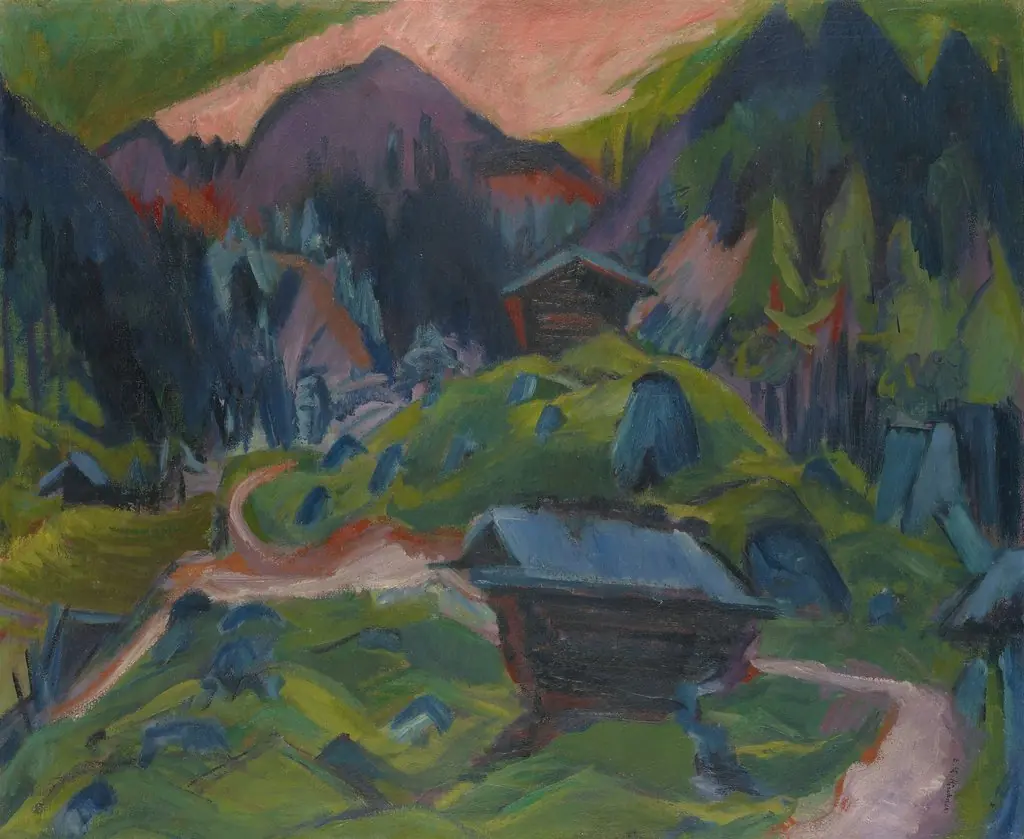 Kummeralp Mountain and Two Sheds
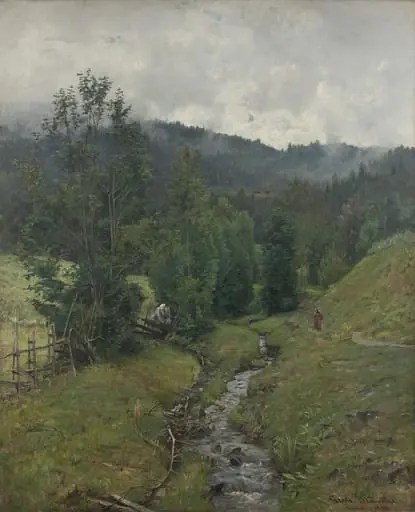 After the Rain, motif from Eidsvold
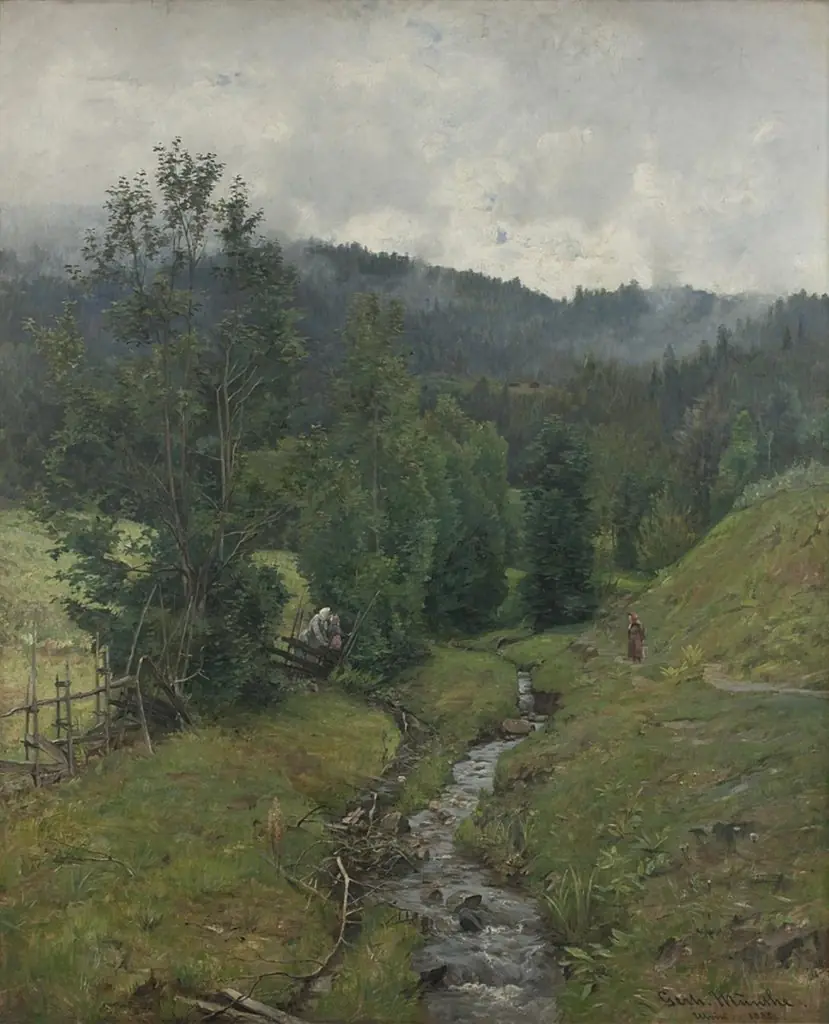 After the Rain, motif from Eidsvold
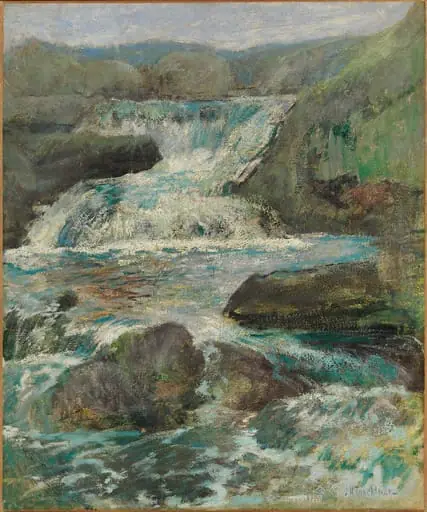 Horseneck Falls
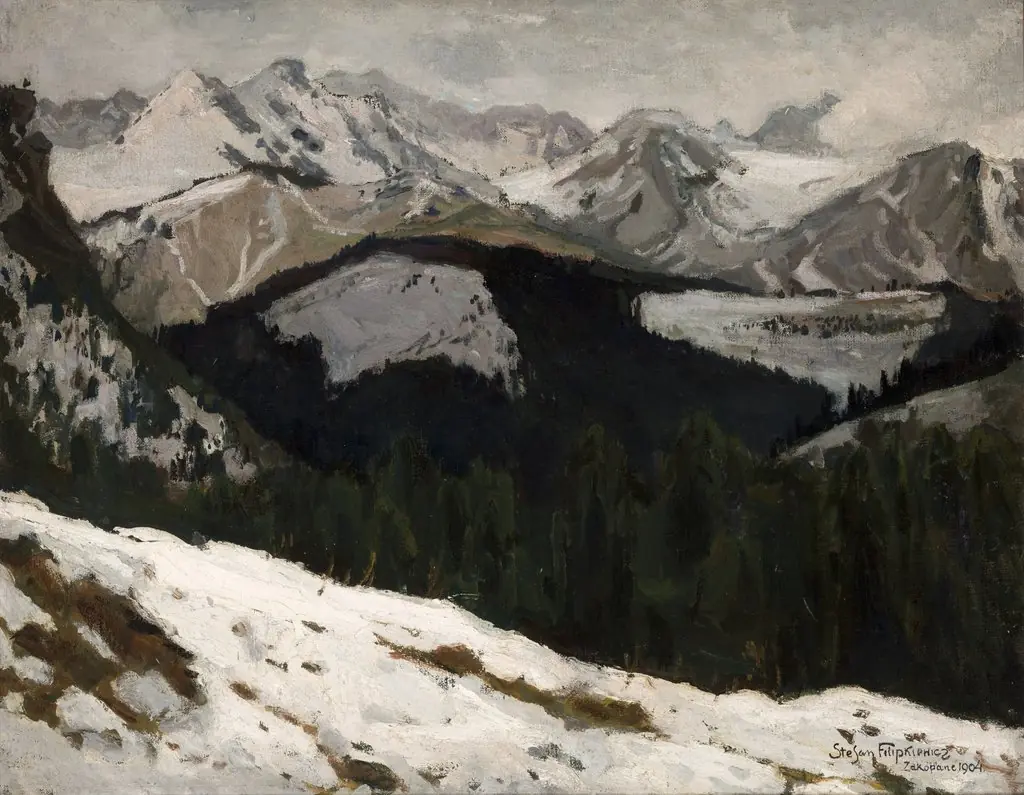 Thaw in the Tatra Mountains
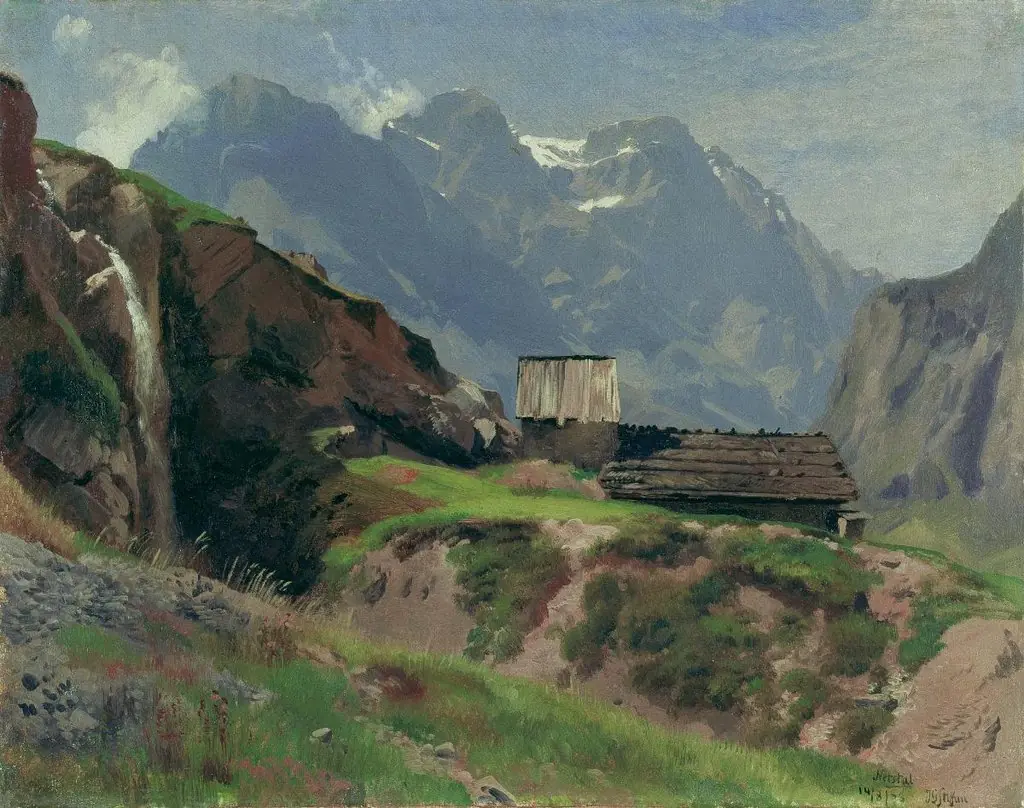 Bei Netstal. Blick auf den Glärnisch
 Hut in the Tatra Mountains
 Mountain landscape