Artwork
Self-Portrait of Joseph Werner
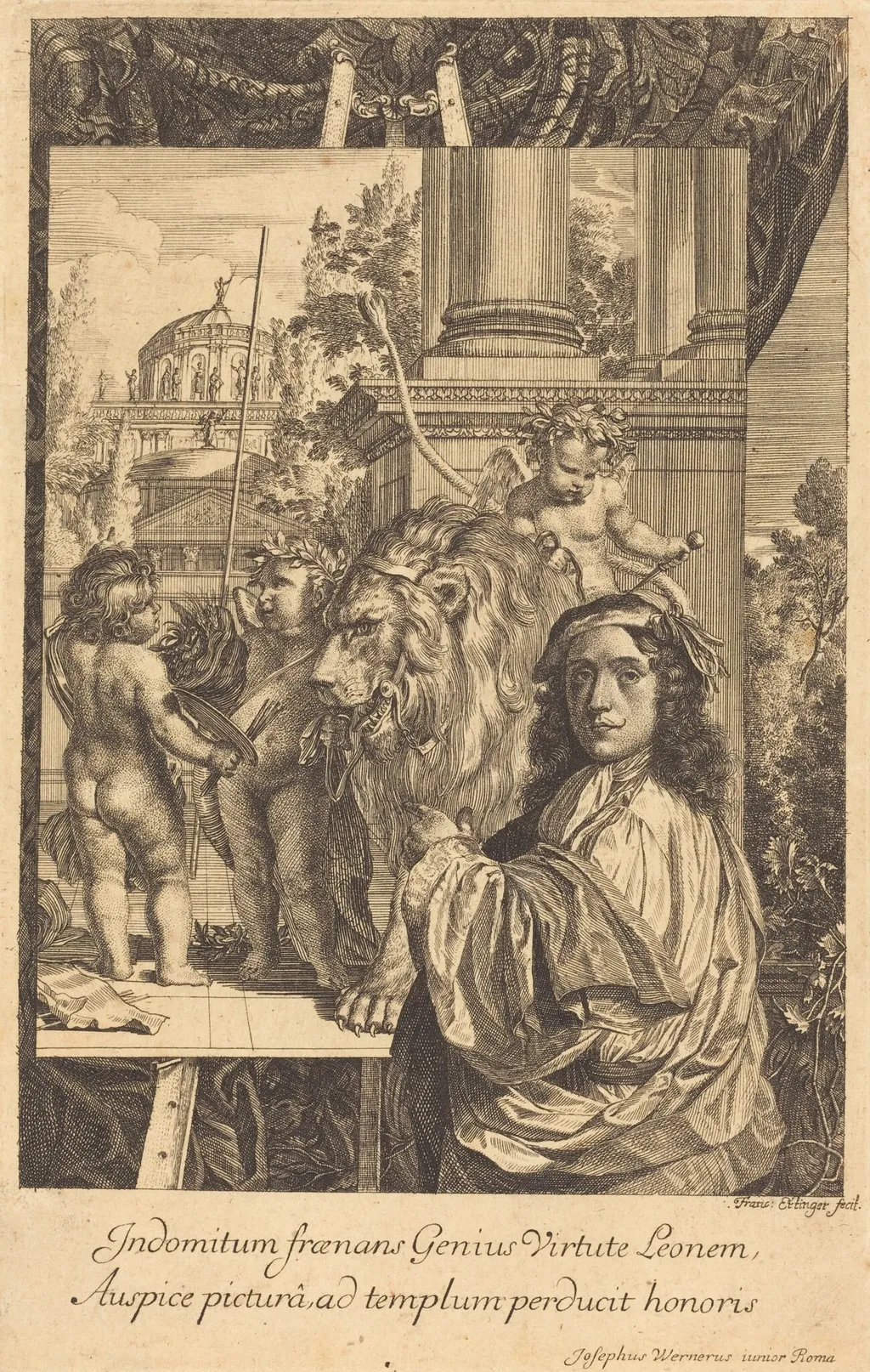
Self-Portrait of Joseph Werner is an ink print by the Baroque artist Franz Ertinger. It dates from 1662 and is held in the collection of the National Gallery of Art.
About this work
Overview
Though labeled as a self-portrait of Joseph Werner, the image was produced by Ertinger, likely as a commissioned work.
This print, dated around 1662, is an etching and engraving on laid paper attributed to Franz Ertinger. Though labeled as a self-portrait of Joseph Werner, the image was produced by Ertinger, likely as a commissioned work. The composition presents Werner in a symbolic setting, surrounded by allegorical elements that suggest his status, intellect, or profession, rather than offering a literal likeness.
Subject & Meaning
The central figure, identified as Joseph Werner, is depicted seated beside a calm, reclining lion—a symbol of strength tamed by reason or authority. He holds a document, possibly indicating his role as a scholar or official. Above, a winged figure hovers near a classical structure, evoking divine inspiration or civic virtue. Smaller figures on a stage may reference performance, public duty, or the arts, reinforcing themes of order and elevated station.
Technique & Style
Ertinger employed fine etching and engraving lines to render texture and depth with precision. The lion’s fur, the ruffled collar, and the architectural details are articulated through controlled cross-hatching and delicate stippling. The composition balances naturalism with symbolic abstraction, typical of 17th-century Northern European printmaking, where realism served allegorical intent rather than mere representation.
History & Provenance
The print was produced in the mid-17th century, likely in a German-speaking region where portraiture and allegorical prints were popular among educated elites. Its attribution to Ertinger, rather than Werner, suggests it was made for a patron or institution honoring Werner’s achievements. No early ownership records are widely documented, but the work survives in institutional collections, indicating its continued recognition as a notable example of period printmaking.
Context
In the 1660s, engraved portraits often combined likeness with emblematic imagery to convey social or professional identity. The lion’s peaceful coexistence with the subject reflects Renaissance and Baroque traditions of using animals to symbolize virtues like courage or loyalty under control. Classical architecture and celestial figures align the portrait with humanist ideals, common in scholarly and courtly circles of the time.
Legacy
Though not widely reproduced in modern scholarship, the print remains a valuable example of how personal identity was constructed through symbolic visual language in early modern print culture. It illustrates the collaborative nature of portraiture—where the sitter’s reputation, the artist’s skill, and the patron’s intent converged to create layered, non-literal representations of status and character.
Artist & collection


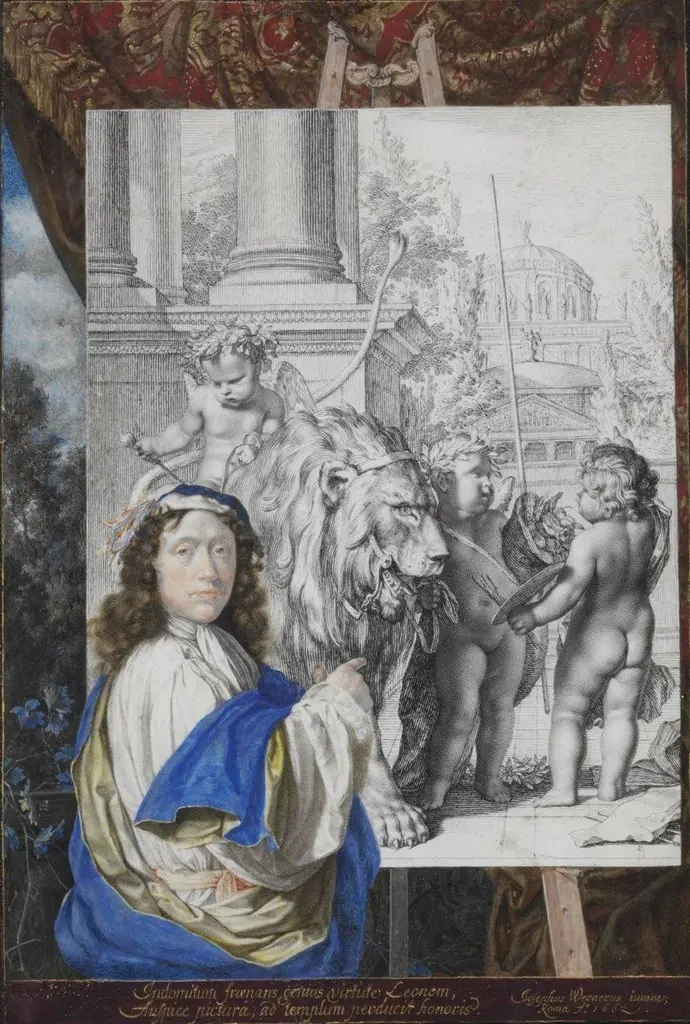 Self-portrait
 Illustration for Edward Benlowes, Theophila
 Apollo Presiding Over the Arts of Government
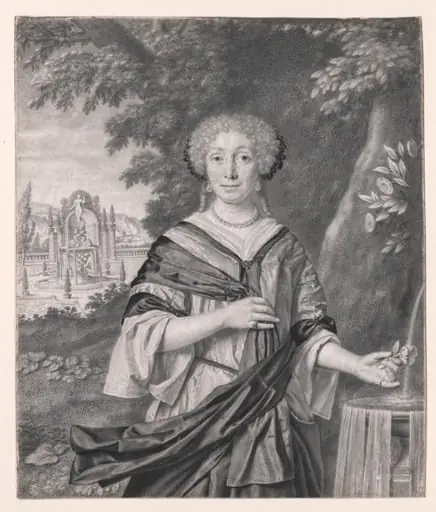 Portrait of a Woman near a Fountain, a Rose in Her Hand
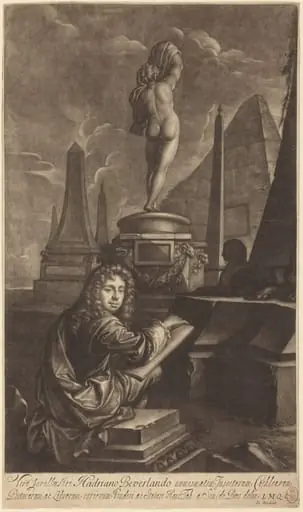 Adrian Beverland Drawing from a Statue
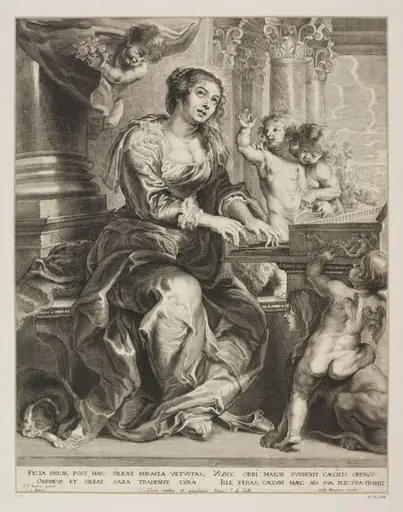 St. Cecilia
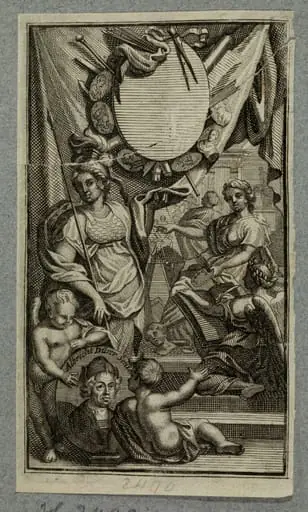 Frontispiece with portrait of Albrecht Dürer d.Ä.
![Temporalis Aeternitas [Second Version], by Italian 17th Century](https://artifactworldgallery.com/img/italian-17th-century--temporalis-aeternitas-second-version--2b55857961773f67-w320.webp) Temporalis Aeternitas [Second Version]
Temporalis Aeternitas [Second Version]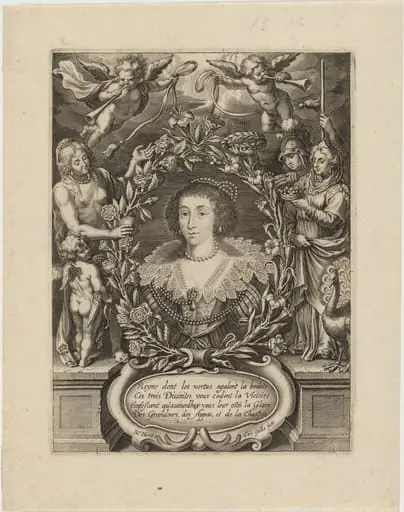 Henrietta Maria (?)
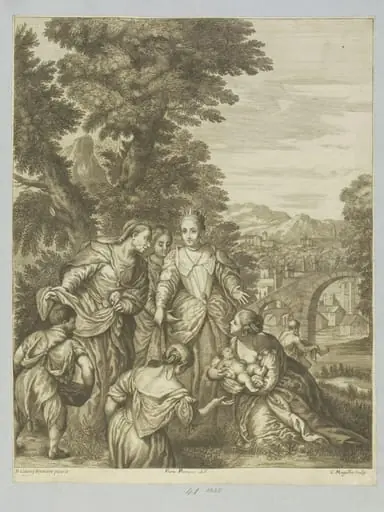 Moses saved from the water
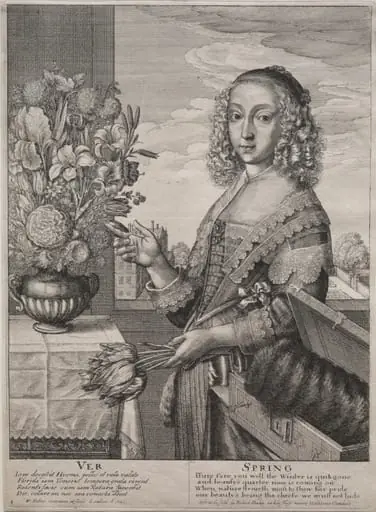 The Four Seasons: Spring
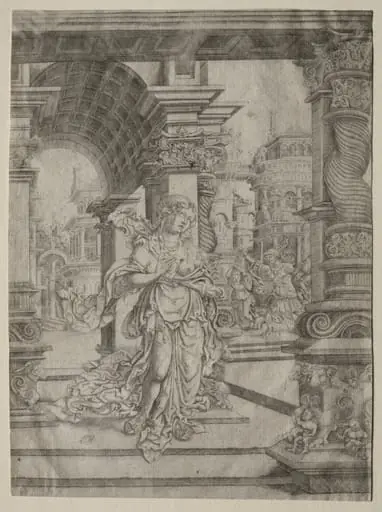 Death of Lucretia