Artwork
Henrietta Maria (?)
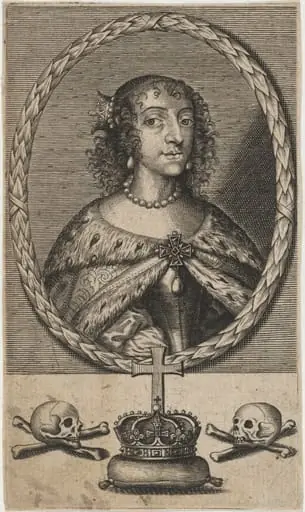
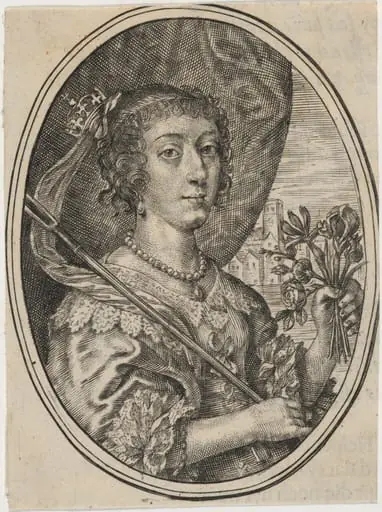
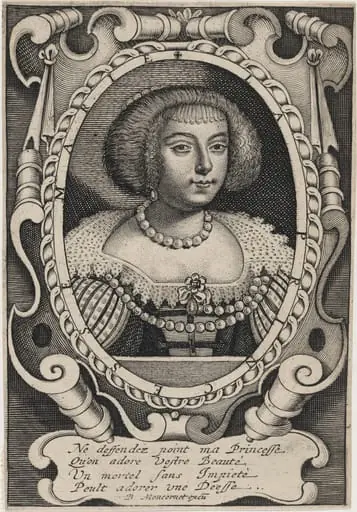
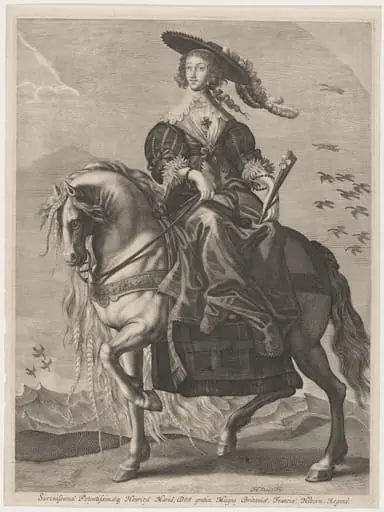
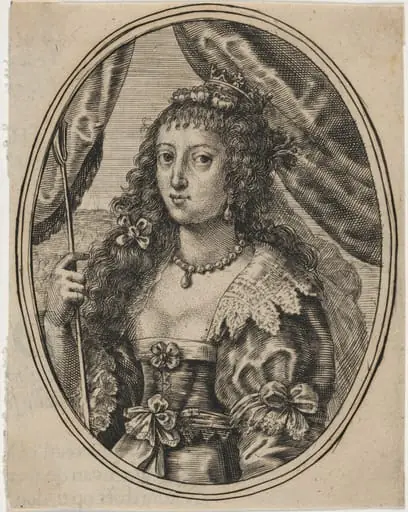
Henrietta Maria (?) is an ink print by the Renaissance artist Cornelis Galle I. It dates from 1613 and is held in the collection of the National Gallery of Art. This 1613 engraving by Cornelis Galle the Elder portrays a noblewoman, likely Henrietta Maria of France, rendered in fine linear detail.
About this work
Overview
This 1613 engraving by Cornelis Galle the Elder portrays a noblewoman, likely Henrietta Maria of France, rendered in fine linear detail.
This 1613 engraving by Cornelis Galle the Elder portrays a noblewoman, likely Henrietta Maria of France, rendered in fine linear detail. Executed on metal and printed in monochrome, the work reflects the Northern European print tradition of the early 17th century. Galle, trained by his father Philip, was known for translating portraits into intricate engraved formats, often for elite circulation. The composition balances portraiture with allegorical elements, typical of courtly imagery of the period.
Subject & Meaning
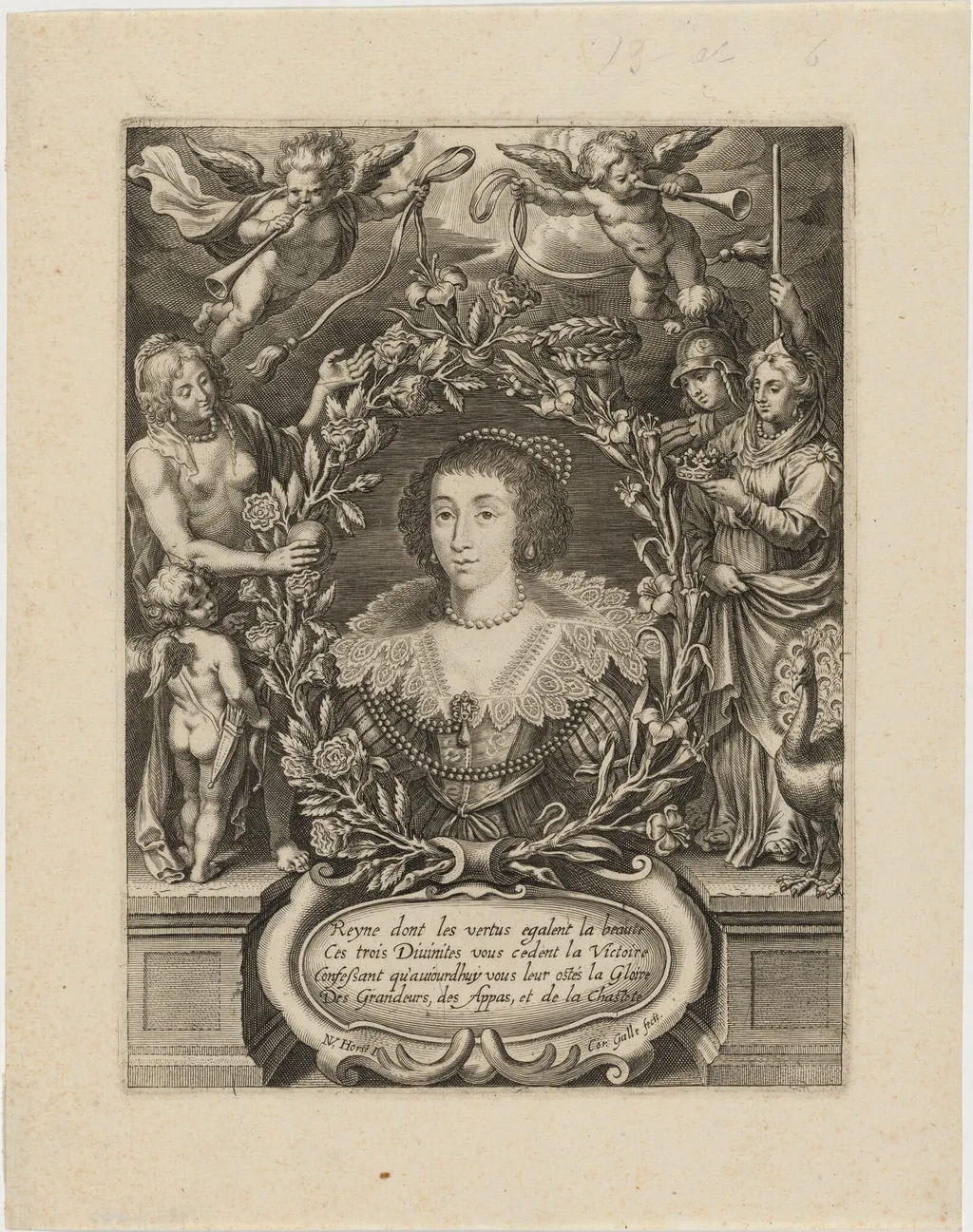
The central figure is believed to be Henrietta Maria, daughter of Henry IV of France, depicted before her 1625 marriage to Charles I of England. Surrounding her are symbolic figures holding fruit, flowers, and a trumpet—references to abundance, beauty, and heraldry. Above, putti interact with a wreath, suggesting honor or divine favor. The French inscription on the banner reinforces her royal lineage. The image functions as both likeness and political statement, affirming her status in European dynastic networks.
Technique & Style
Galle employed fine, controlled lines to model form and texture, using hatching and cross-hatching to suggest volume and shadow. The background is densely filled with foliage and vines, contrasting with the calm, frontal pose of the subject. The intricate decorative frame—featuring flora, cherubs, and heraldic elements—demonstrates the engraver’s precision and adherence to Mannerist conventions. The flatness of the figure against the ornate setting highlights the tension between realism and allegory.
History & Provenance
Created in Antwerp in 1613, the engraving was likely produced for distribution among European aristocratic circles. Galle, having studied in Rome, brought Italian compositional influences to his Flemish practice. The print may have served as a diplomatic gift or a keepsake for those connected to the French court. Its survival in institutional collections suggests it was valued for its craftsmanship and political resonance during a period of shifting royal alliances.
Context
In early 17th-century Europe, engraved portraits of royalty were tools of political visibility, especially for women whose influence was often mediated through marriage. Henrietta Maria’s image, circulated before her English union, reinforced her identity as a French princess and future queen. Galle’s work aligns with a broader trend of printmaking used to project dynastic legitimacy, blending portraiture with classical and mythological motifs familiar to educated audiences.
Legacy
Cornelis Galle the Elder’s engraving contributed to the dissemination of royal imagery across Europe, influencing later portrait prints and reinforcing the role of printmakers as cultural intermediaries. While not widely known today, such works were essential in shaping public perception of nobility before photography. The technical rigor of this piece exemplifies the high standards of Antwerp’s print workshops, which remained central to European visual culture for decades.
Artist & collection

Artist
Cornelis Galle the Elder (1576 – 29 March 1650), a younger son of Philip Galle, was born at Antwerp in 1576, and was taught engraving by his father.

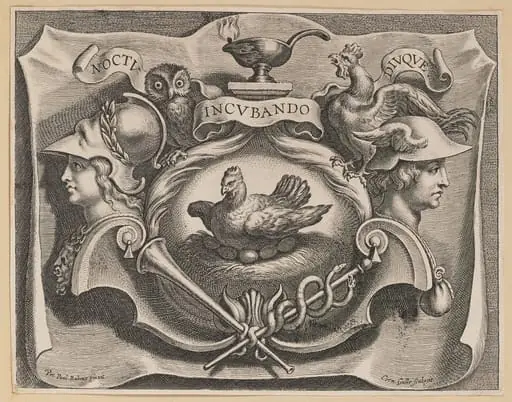 Vignette for the Title Page of Martinus Bonacina, Opera Omnia
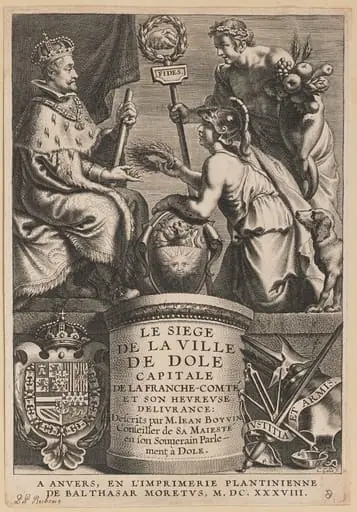 Title Page for Jean Boyvin, Le Siege de la Ville de Dole
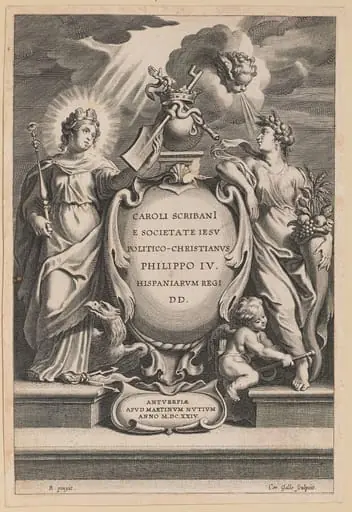 Title Page for Carolus Scribani, Politico-Christianus
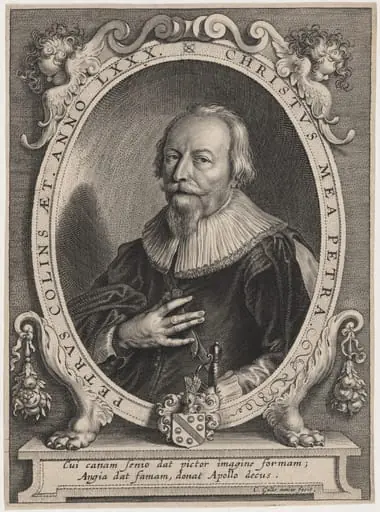 Petrus Collins
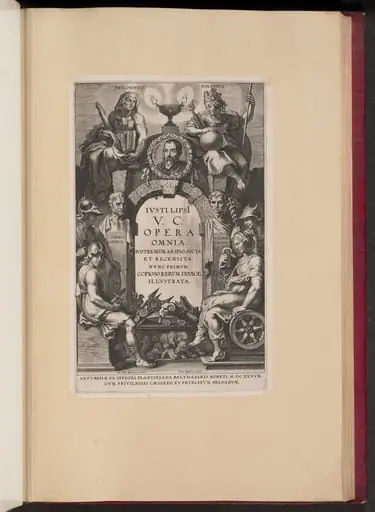 Title Page for Justus Lipsius, Opera Omnia, I
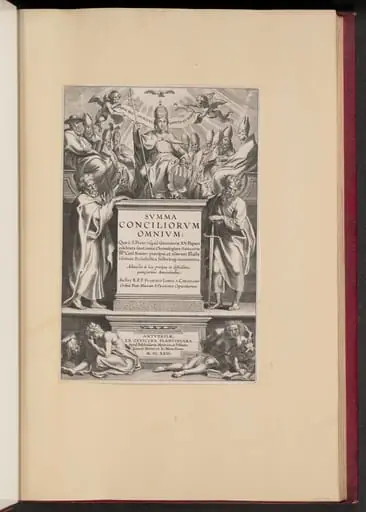 Title Page for F. Longo a Coriolano's "Svmma Conciliorvm Omnivm"
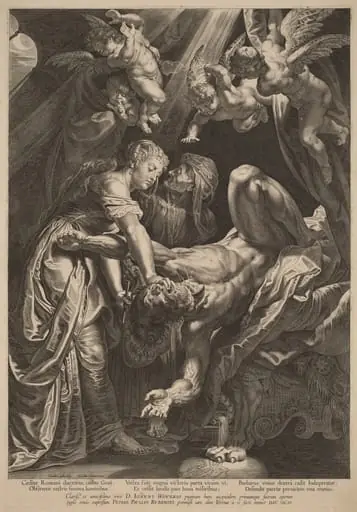 Judith Beheading Holofernes
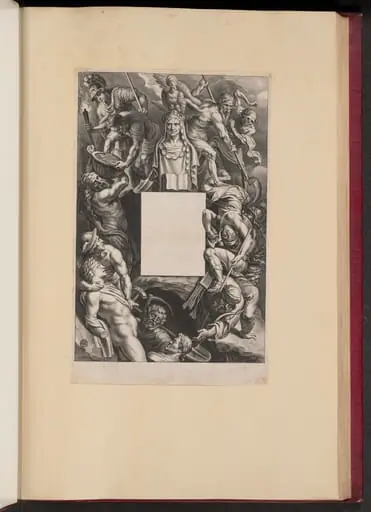 Title Page for Hubert Goltzius, Romanae et Graecae Antiqvitatis Monvmenta (Opera Omnia, I)