Artwork
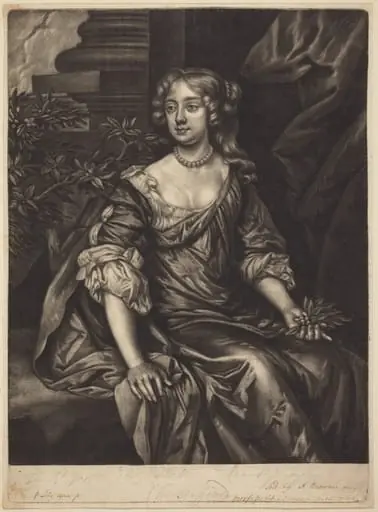
Portrait of a Woman near a Fountain, a Rose in Her Hand
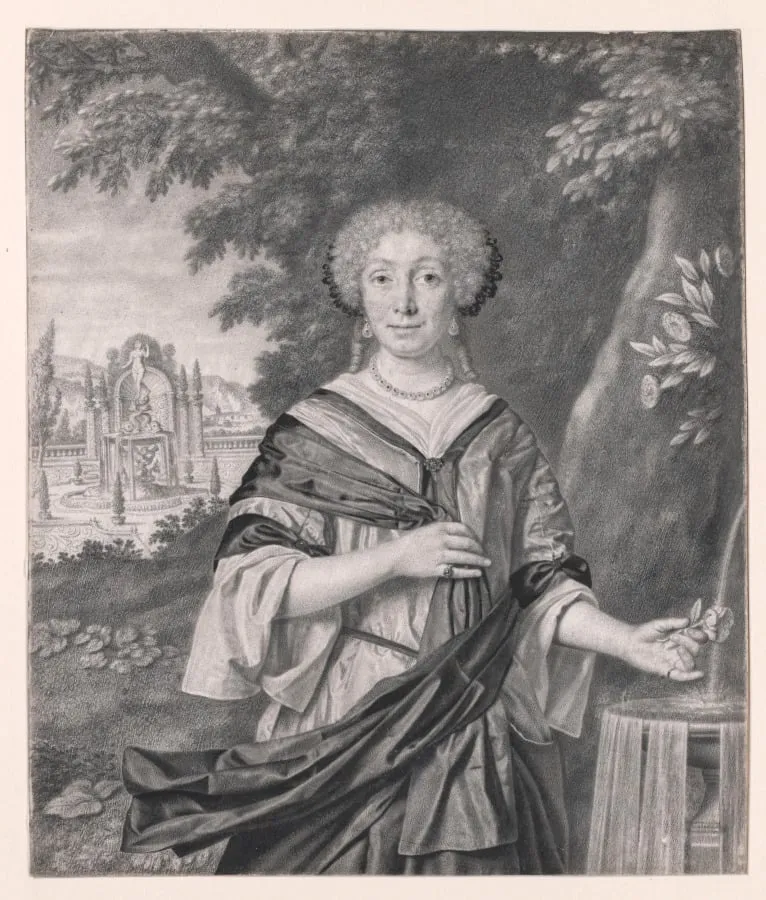
Portrait of a Woman near a Fountain, a Rose in Her Hand is a drawing by the Baroque artist Johan Thopas. It dates from 1682 and is held in the collection of the Cleveland Museum of Art. This drawing by Johann Thopas depicts a woman standing beside a stone fountain, holding a single rose.
About this work
Overview
Unlike painted portraits, Thopas’s works used minimal materials and expedited techniques, yet retained a sense of dignity and spatial depth.
This drawing by Johann Thopas depicts a woman standing beside a stone fountain, holding a single rose. Created in the Dutch city of Assendam, it reflects a growing trend among middle-class patrons who sought affordable yet refined likenesses. Unlike painted portraits, Thopas’s works used minimal materials and expedited techniques, yet retained a sense of dignity and spatial depth. The piece exemplifies how skilled draftsmanship could substitute for the cost and time of oil painting.
Subject & Meaning
The woman, dressed in modest yet elegant attire with a lace collar, is portrayed in quiet contemplation. The rose she holds may suggest themes of transience, virtue, or personal identity, common in Dutch visual culture. Her placement before a classical fountain—carved with human faces and flowing water—hints at ideals of purity and renewal. The setting, neither domestic nor public, creates an ambiguous space that invites introspection rather than narrative.
Technique & Style
Thopas employed leadpoint for delicate, gray linear contours and added ink washes to define shadows and texture. This dual-medium approach allowed precise rendering of fabric folds, floral details, and architectural elements without the opacity of paint. The soft gradations mimic the tonal richness of painted portraits, while the linear clarity reveals the artist’s mastery of draftsmanship. The background, though elaborate, remains subordinate to the figure’s poised presence.
History & Provenance
Created in the mid-17th century in Assendelft, the drawing belongs to a small corpus of Thopas’s portrait studies, primarily commissioned by local merchants and professionals. Few of his works survive, and this one is among the best-preserved examples of his technique. Its preservation suggests it was valued by its original owner, possibly as a personal keepsake rather than a public display object.
Context
In 17th-century Holland, drawn portraits were uncommon compared to painted ones, yet they gained traction among those seeking economical alternatives. Thopas’s fusion of naturalism with ornate, idealized settings aligned with broader Dutch interests in domestic refinement and classical motifs. His work reflects a niche market where artistic skill compensated for the lack of pigment and panel, offering intimacy without grandeur.
Legacy
Thopas’s drawings contributed to the recognition of graphic art as a legitimate medium for portraiture in the Dutch Republic. Though he did not influence major painting traditions, his approach demonstrated that detailed, expressive likenesses could emerge from rapid, economical methods. Later collectors and scholars have valued his work for its quiet precision and as evidence of the expanding social reach of portraiture.
Artist & collection

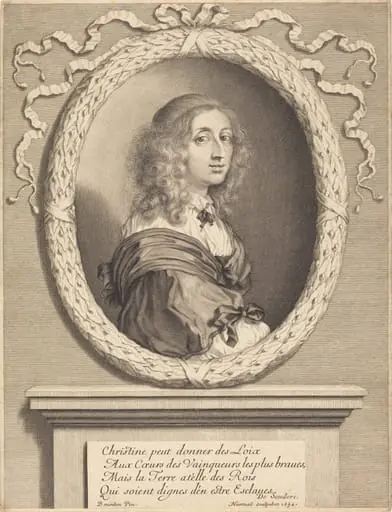 Christina, Queen of Sweden
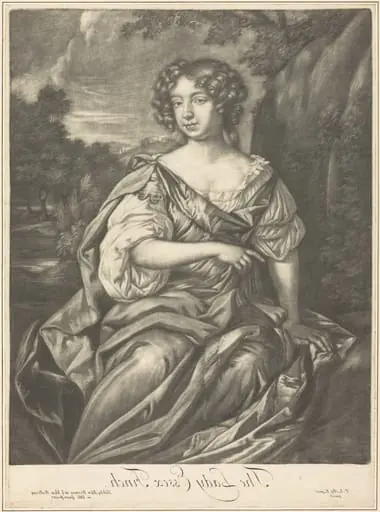 The Lady Essex Finch
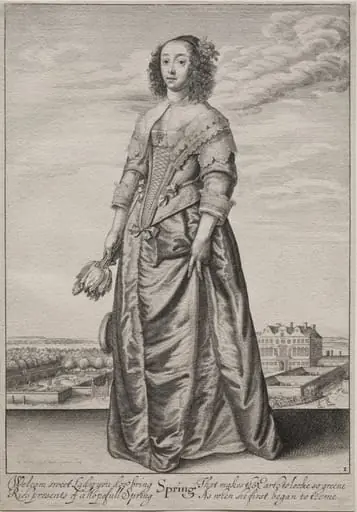 The Seasons: Spring
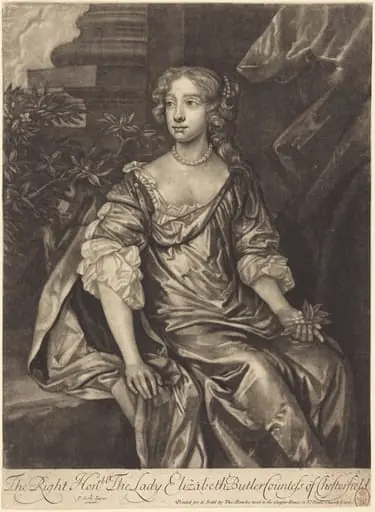 The Right Honorable Lady Elizabeth Butler, Countess of Chesterfield
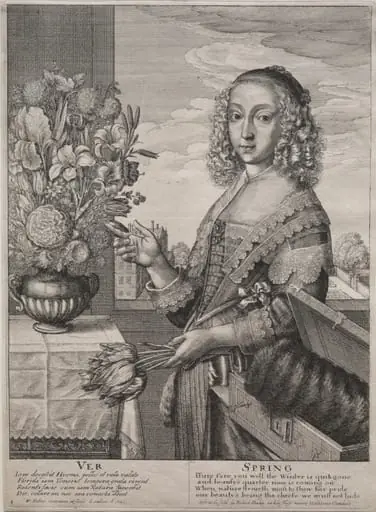 The Four Seasons: Spring
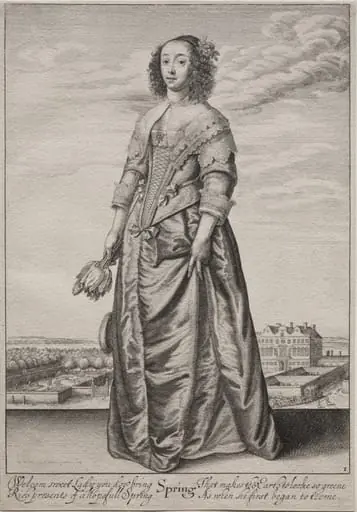 The Seasons
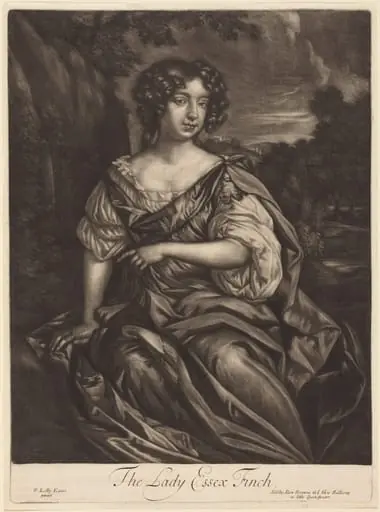 The Lady Essex Finch
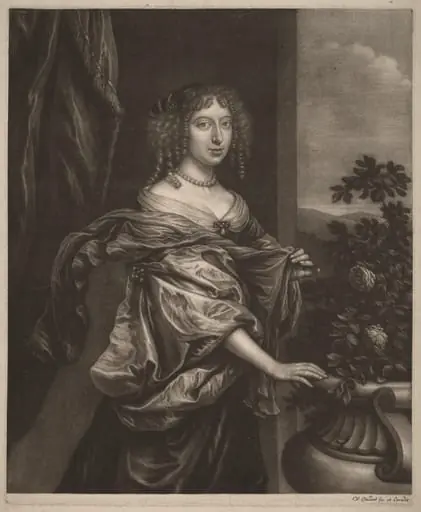 Portrait of a Lady beside a Rose Bush
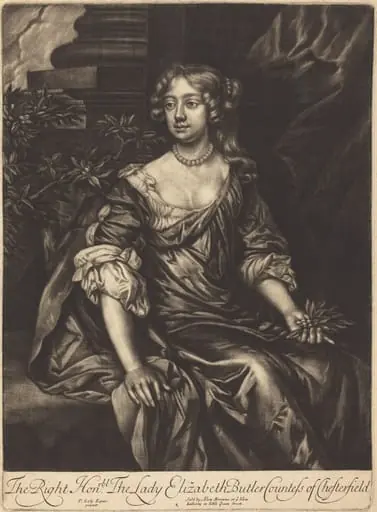 The Right Honorable Lady Elizabeth Butler, Countess of Chesterfield
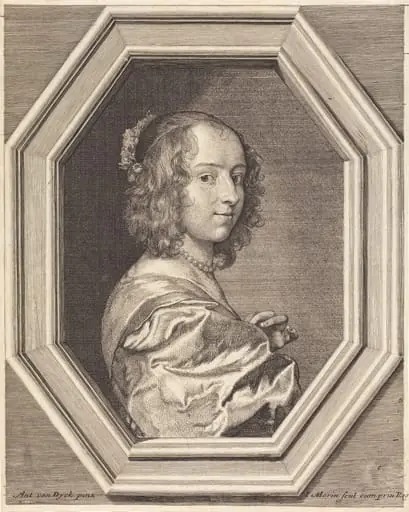 Marguerite Lemon
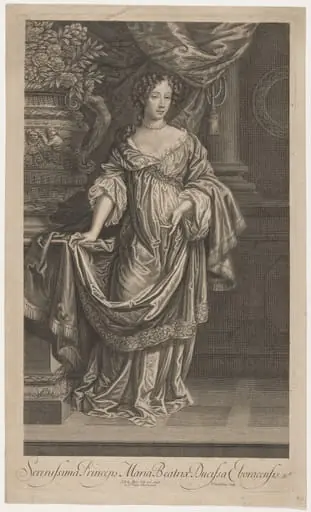 Mary of Modena, as Duchess of York
 The Right Honorable Lady Elizabeth Butler, Countess of Chesterfield