Artwork
Death of Lucretia
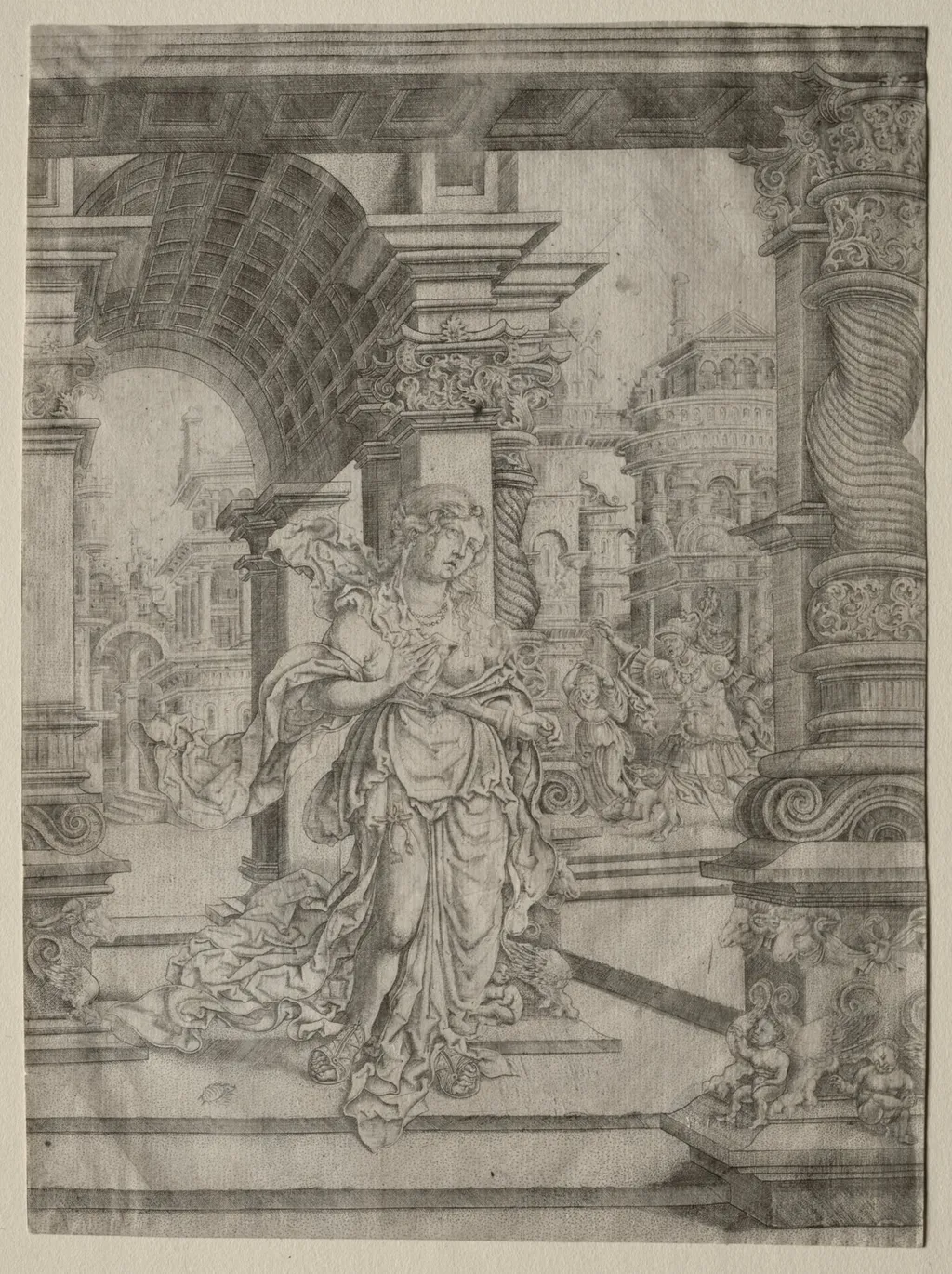
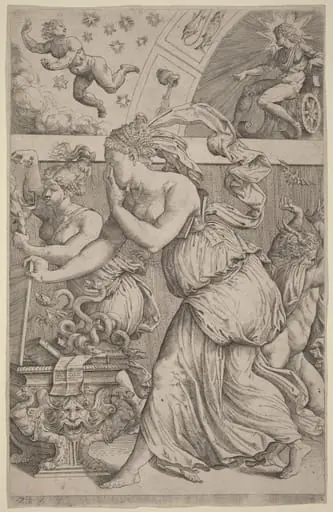
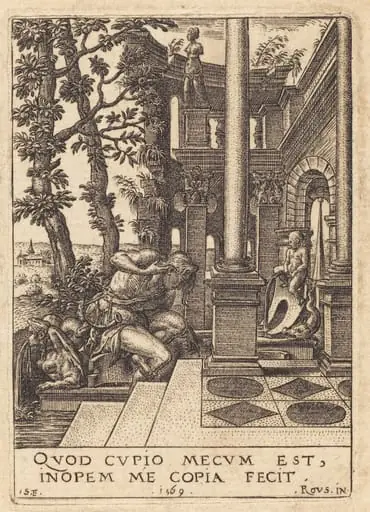
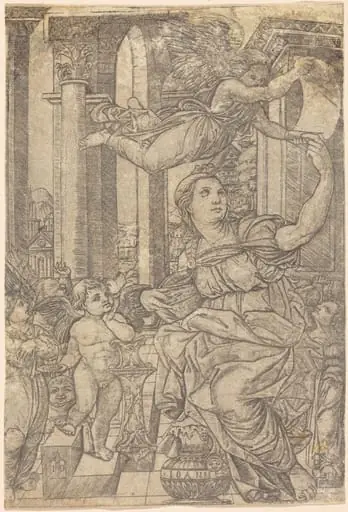
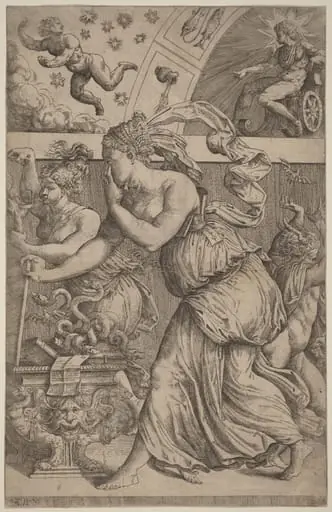
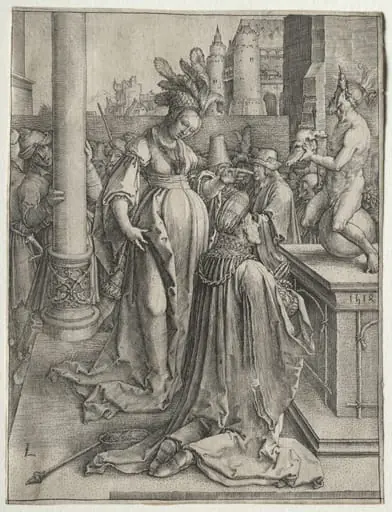
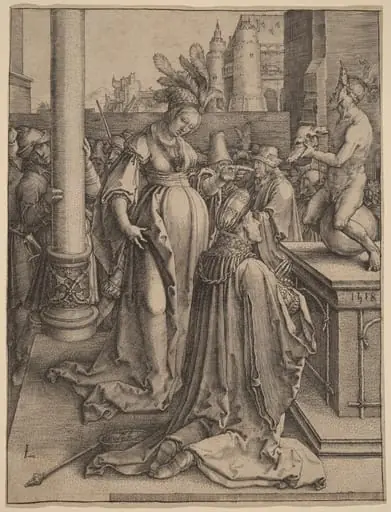
Death of Lucretia is a print by the Renaissance artist Frans Crabbe van Esplegem. It dates from 1525 and is held in the collection of the Cleveland Museum of Art.
About this work
Overview
As a skilled practitioner of engraving and etching, Crabbe worked within the flourishing print culture of the Habsburg Netherlands.
Created in 1525 by Frans Crabbe van Esplegem, a printmaker active in Mechelen, this engraving illustrates the tragic tale of Lucretia, a figure from Roman legend. As a skilled practitioner of engraving and etching, Crabbe worked within the flourishing print culture of the Habsburg Netherlands. His composition captures a moment of intense emotional and moral gravity, rendered with precision and dramatic tension characteristic of early 16th-century Northern European printmaking.
Subject & Meaning
The scene portrays Lucretia at the moment after her assault, choosing death to preserve her honor. Her outstretched arms convey both anguish and resolve, embodying the classical ideal of virtuous self-sacrifice. Surrounding figures, including winged forms, may represent divine witnesses or allegorical presences, reinforcing the moral weight of her act. The narrative draws on Roman historiography, where Lucretia’s suicide became a catalyst for the overthrow of tyranny, symbolizing civic virtue through personal tragedy.
Technique & Style
Crabbe employed fine, controlled lines typical of engraving to model form and depth, with meticulous attention to architectural detail and fabric texture. The composition uses strong chiaroscuro—sharp contrasts between light and shadow—to heighten emotional intensity and direct focus to Lucretia’s figure. The architectural setting, with its arched vaults and ornate carvings, frames the scene with a sense of solemn grandeur, reflecting Renaissance ideals of spatial order and classical reference.
History & Provenance
The print was produced during a period when Mechelen served as a cultural hub under Habsburg patronage. While specific early ownership records are sparse, the work aligns with the broader dissemination of classical themes through prints in Northern Europe. Crabbe’s output was widely circulated, and this image likely reached collectors and scholars interested in humanist narratives. Its survival reflects the enduring appeal of moral allegory in early modern print culture.
Context
In the early 1500s, Northern artists increasingly turned to classical mythology to explore ethical and political themes. Lucretia’s story, popularized by Livy and Ovid, resonated with humanist circles concerned with virtue, gender, and authority. Crabbe’s interpretation reflects this intellectual climate, blending religious solemnity with secular history. The print’s detailed setting and dramatic lighting also echo contemporary developments in Italian Renaissance art, adapted through a Northern lens.
Legacy
Crabbe’s engraving contributed to the visual vocabulary of Lucretia’s story in Northern Europe, influencing later depictions in both print and painting. Though not widely known today, his work exemplifies how early 16th-century printmakers translated classical narratives into emotionally charged, visually sophisticated compositions. The piece remains a testament to the role of prints in disseminating moral and historical ideals across social and geographic boundaries.
Artist & collection
Artist
Frans Crabbe van Espleghem was a Flemish artist born c. 1480 Mechelen, Burgundian state, d. 1553 Mechelen, Habsburg Netherlands. Frans Crabbe began exploring printmaking after Albrecht Dürer's visit to the Habsburg…