Artwork
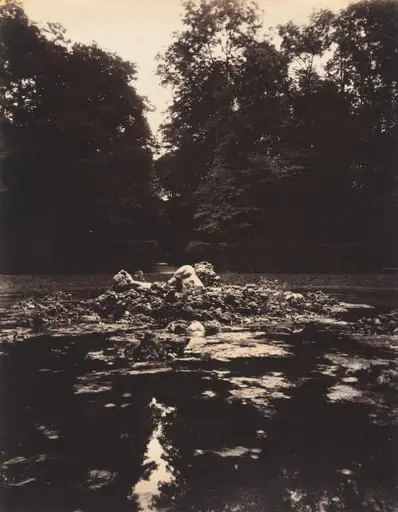
Nymphéa
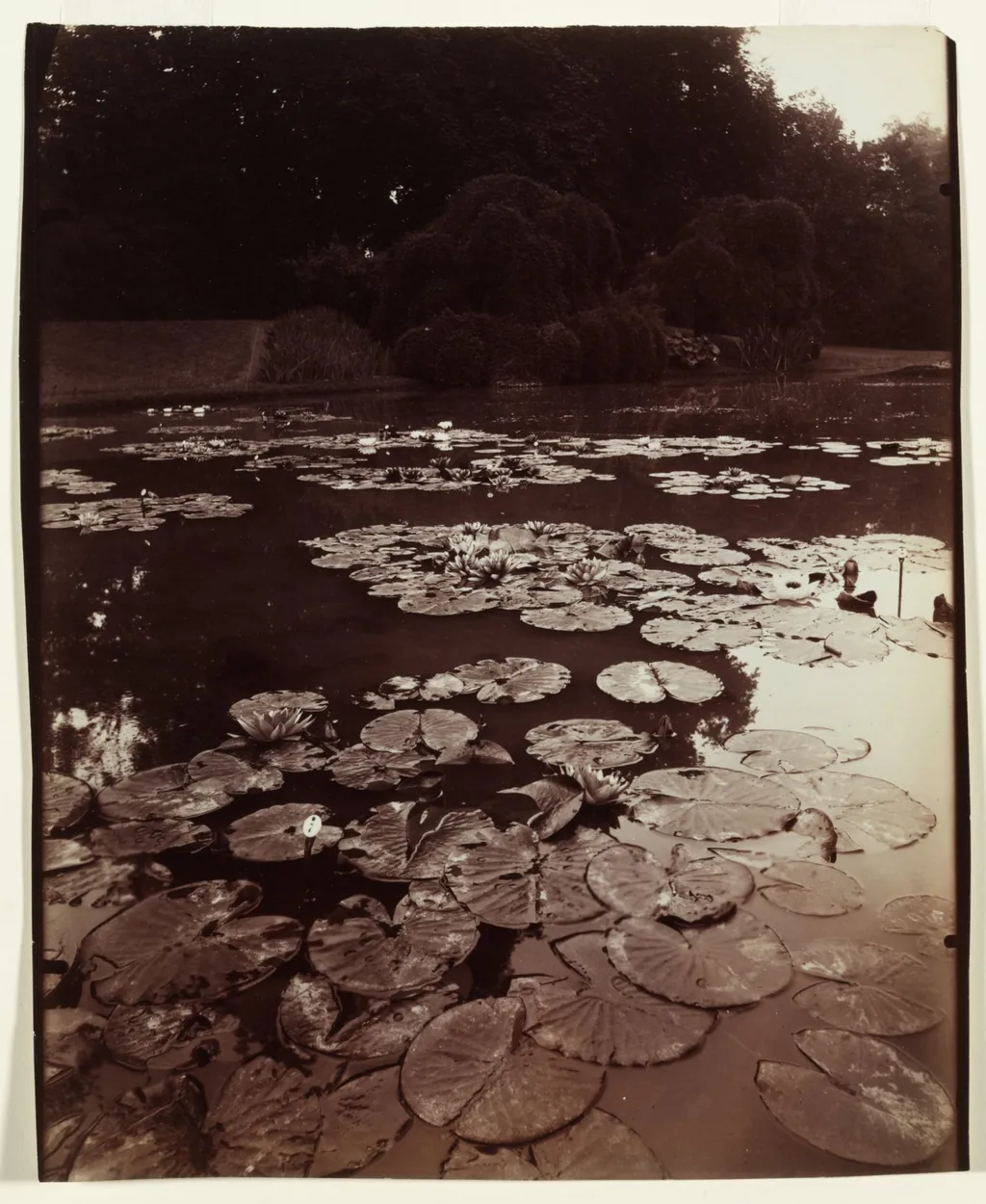
Nymphéa is a photography by Eugène Atget. It dates from 1922 and is held in the collection of the Cleveland Museum of Art.
About this work
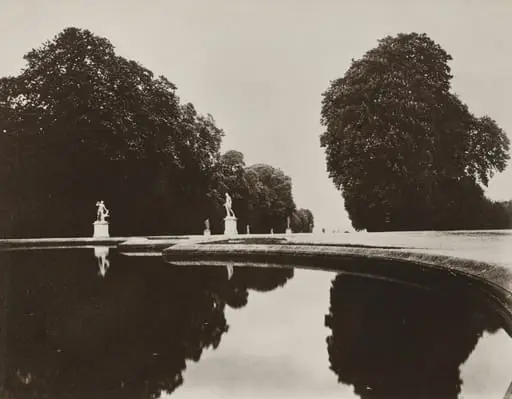
You see a close-up photo of white water lilies floating in a dark pond. The petals glow against the murky water. A few green leaves frame the edges.
Atget shot this in the 1920s at Bagatelle Park in Paris. He spent years photographing the city’s parks and streets. This shot shows his skill with natural light.
Look up Eugène Atget (French, 1857–1927) next.
Overview
Nymphéa is a photograph by Eugène Atget, a French artist active in the early 20th century. The image captures a serene scene of white water lilies floating on a pond.
Subject & Meaning
The photograph depicts a close-up view of white water lily blossoms in a dark pond, with the petals illuminated against the murky water. The composition is framed by a few green leaves at the edges.
Technique & Style
Atget's use of early morning light creates contrasting patterns of light and shadow, allowing for the abstraction of forms while maintaining a sense of depth. The resulting print is characterized by rich textures and a range of tonal values.
History & Provenance
Created in the 1920s, Nymphéa is likely one of Atget's photographs taken at Bagatelle Park in Paris, a location he frequently visited during his extensive documentation of the city's parks and streets.
Artist & collection