Artwork
Versailles, Chaste Venus
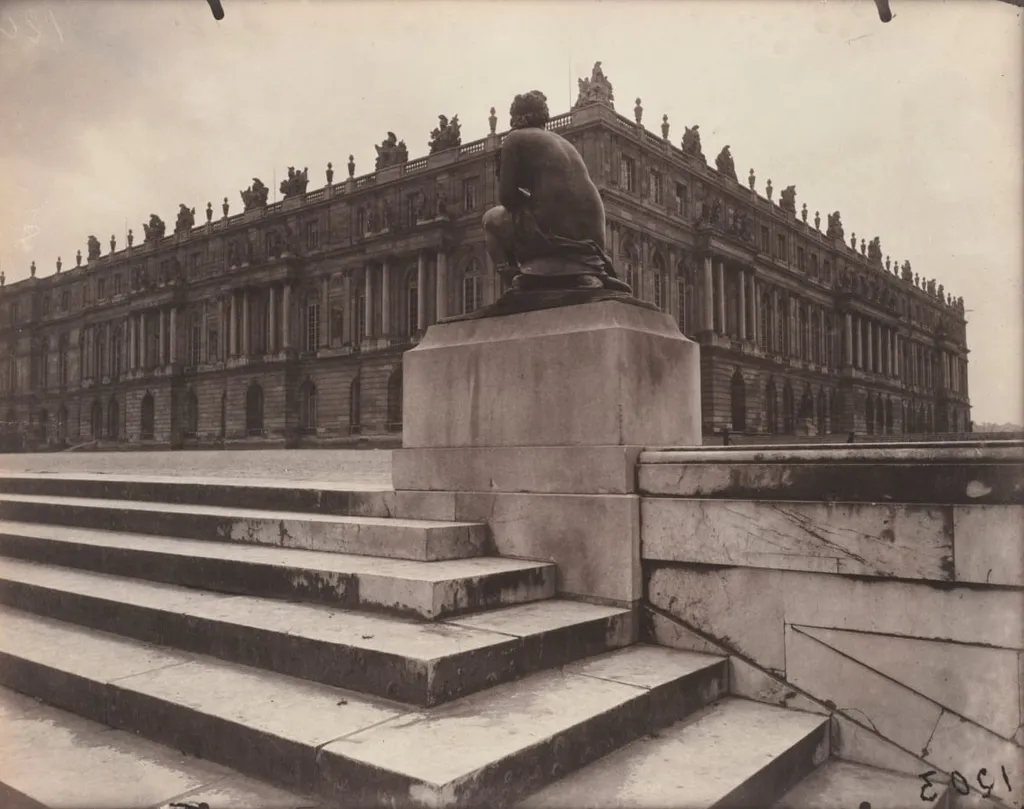
Versailles, Chaste Venus is a photography by Eugène Atget. It dates from 1922 and is held in the collection of the Cleveland Museum of Art.
About this work
He just stood there, waited, and caught the odd hush of a place built for noise.
You see a bronze Venus statue in a Versailles garden. Late afternoon light casts long shadows on her smooth curves. One hand holds a dove. The empty path stretches behind her.
Atget shot this in 1923. He loved Versailles’ quiet corners. Empty frames make everyday scenes feel strange and dreamy. He didn’t stage photos. He just stood there, waited, and caught the odd hush of a place built for noise.
Check out Atget’s other Versailles shots at The Cleveland Museum of Art.
Overview
Eugène Atget’s 1923 photograph captures a bronze representation of Venus by Antoine Coysevox, positioned on an elevated base within the gardens of the Palace of Versailles. The statue faces the garden façade, while a vacant pathway recedes behind it, bathed in the soft, elongated shadows of late afternoon light.
Subject & Meaning
The work depicts the classical figure of Venus, identifiable by her graceful pose and the dove she cradles, a symbol of love and purity. Set against the formal Versailles landscape, the solitary figure evokes a quiet reverence, inviting contemplation of myth within an architectural setting traditionally associated with royal grandeur.
Technique & Style
Atget employed a straightforward, unmanipulated approach, positioning his camera to align the statue, its plinth, and surrounding architectural lines into a balanced composition. The photograph’s tonal range emphasizes the smoothness of the bronze against the muted foliage, while the low angle and deep focus enhance the sense of stillness and spatial order.
History & Provenance
Taken during Atget’s long‑term engagement with Versailles, which spanned from 1901 to 1926, this image reflects his interest in the palace’s quieter corners. The print later entered the collection of the Cleveland Museum of Art, where it is displayed alongside other works documenting Atget’s extensive survey of the French capital and its environs.
Context
At the turn of the 20th century, Atget documented the urban and suburban spaces of France, often focusing on places where everyday activity had faded. His Versailles series highlights the contrast between the site’s historic opulence and the subdued atmosphere he captured, offering a visual record of the garden’s atmosphere during the interwar period.
Artist & collection

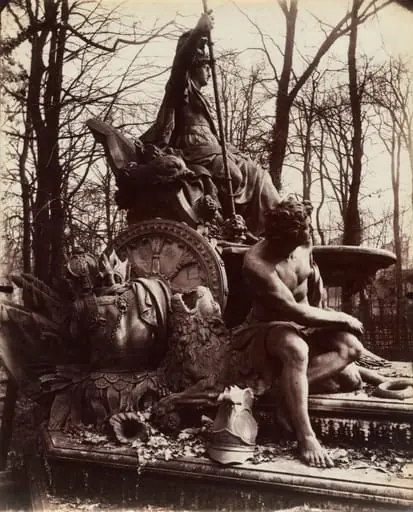
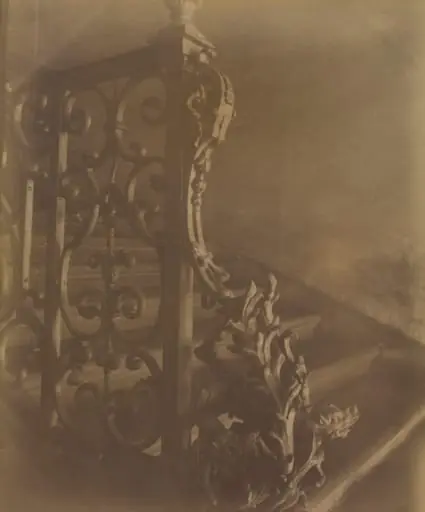
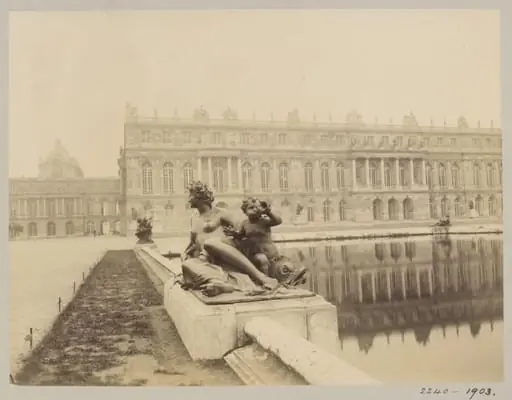 View of Palace & Sculpture, Versailles, France
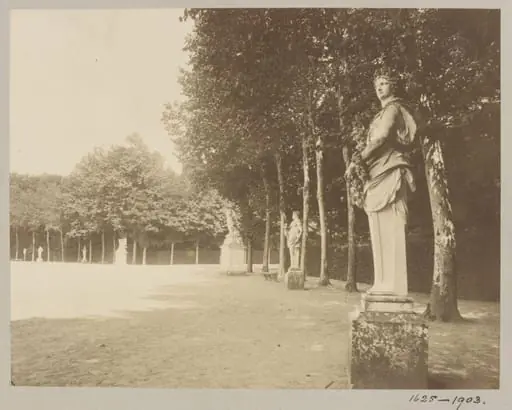 The Park, Versailles, France
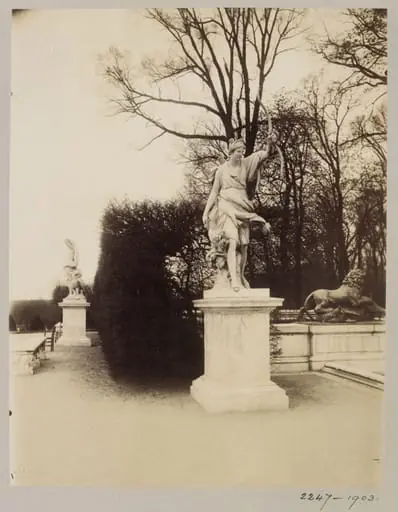 Sculpture of Diana, Versailles, France
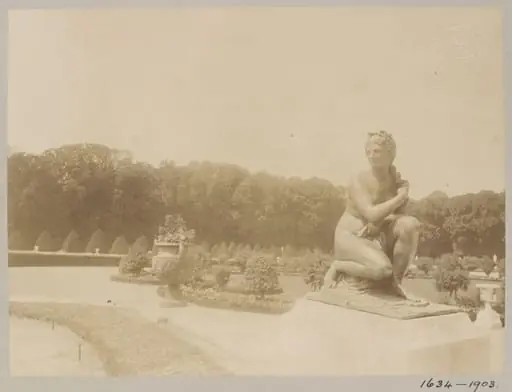 Statue of Venus, Versailles, France
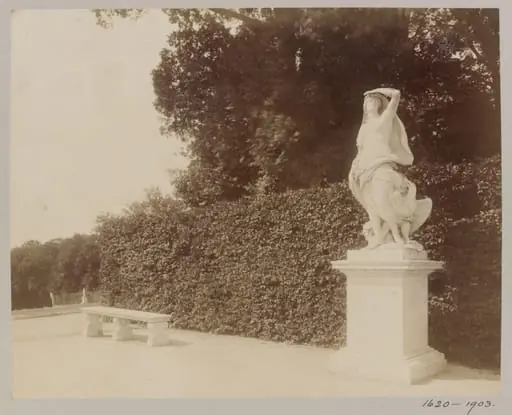 Statue of "Air", Versailles, France
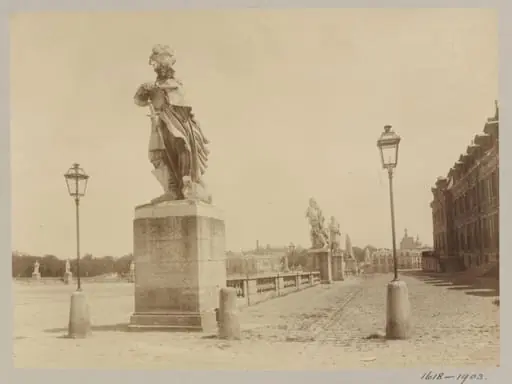 Cour d'honneur, Versailles, France
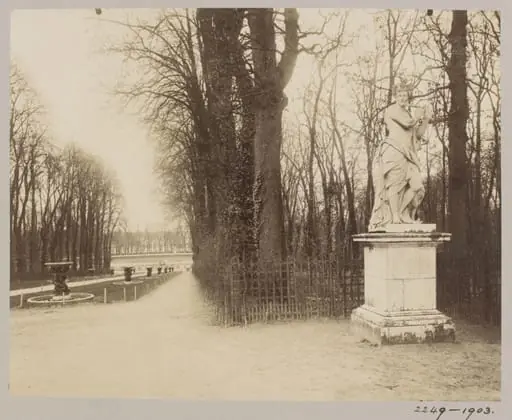 Statue of "Le Sanguin", Versailles, France
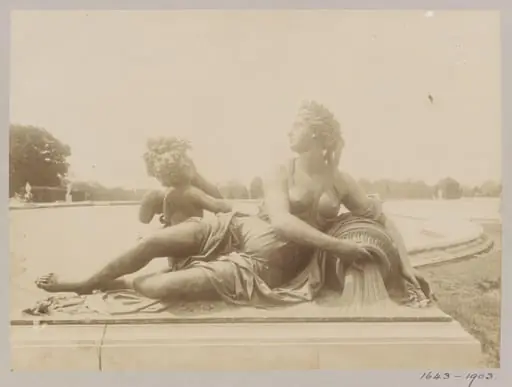 Statue, Versailles, France
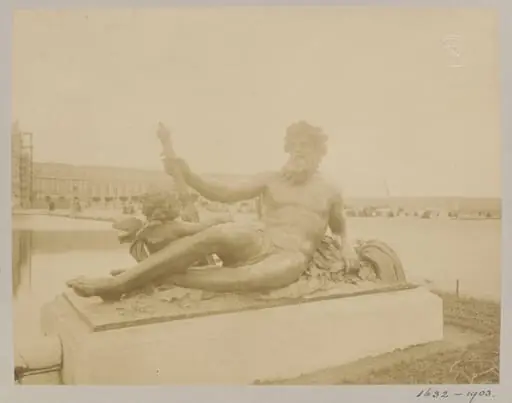 Statue of The "Rhone", Versailles, France
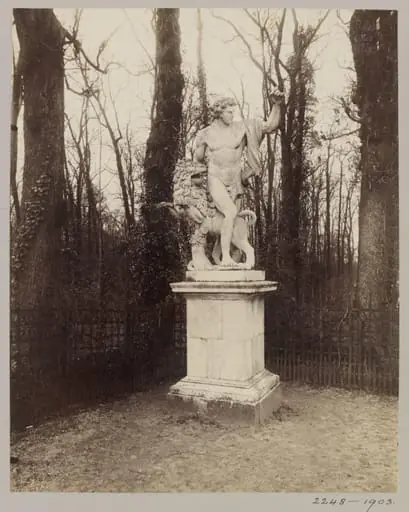 Statue of "Anger", Versailles, France