Artwork
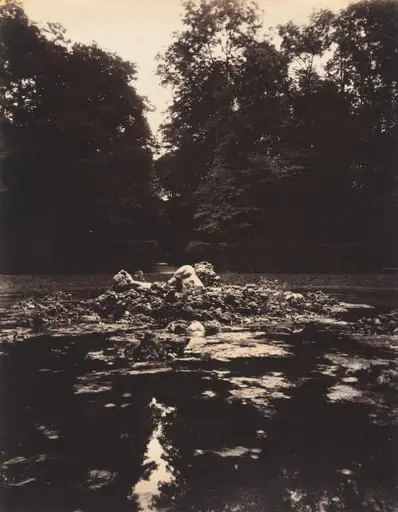
Versailles, Fountain of Triumphant France
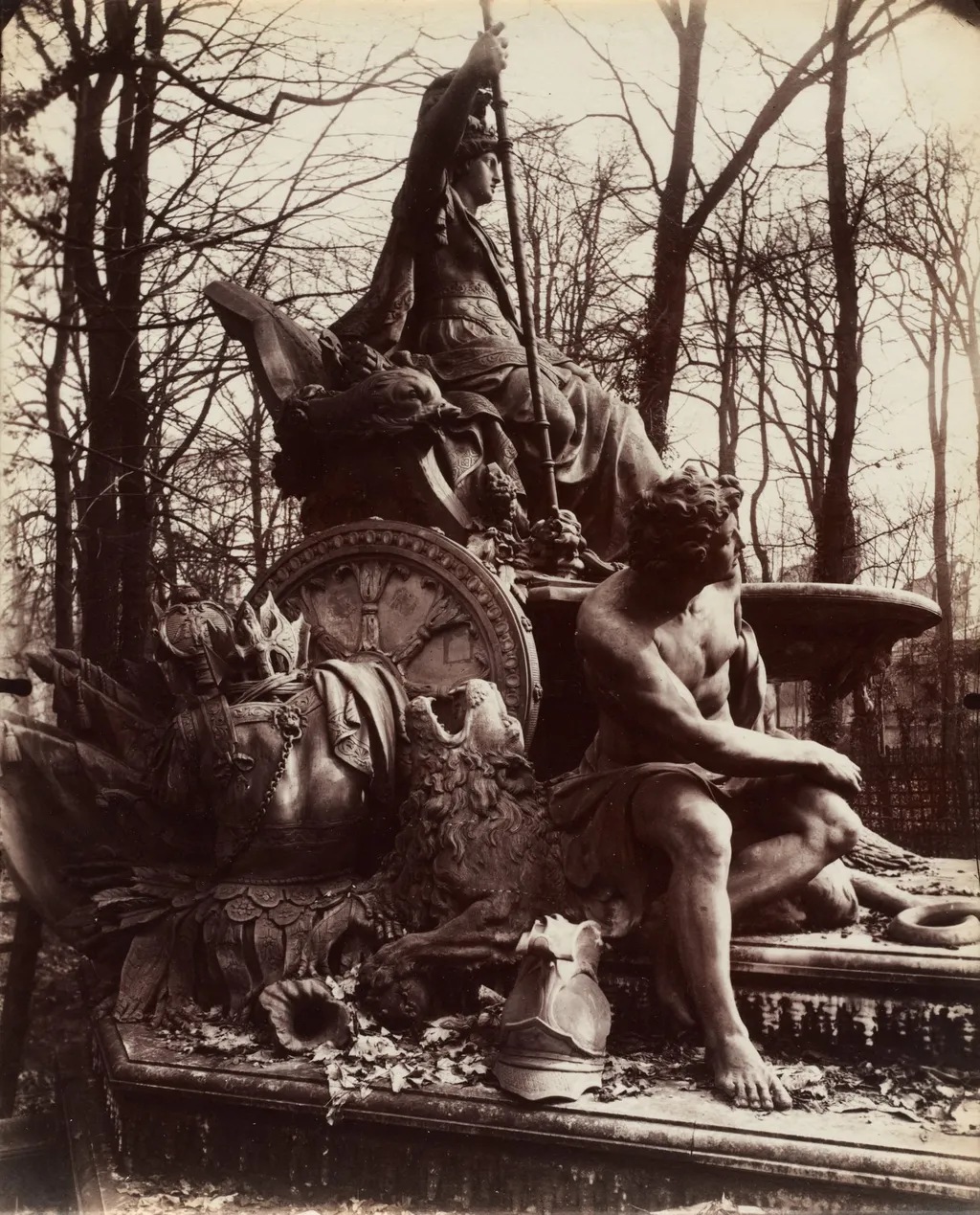
Versailles, Fountain of Triumphant France is a photography by Eugène Atget. It dates from 1904 and is held in the collection of the Cleveland Museum of Art.
About this work
The painting shows a detail of the Fountain of Triumphant France.
It features two allegorical figures, one representing the French Empire.
Atget often photographed the gardens of Versailles, and this image is one example.
He was drawn to the area from 1901 until his death in 1927.
You can learn more about this style of photography from artist Eugène Atget.
Overview
Eugène Atget photographed the Gardens of Versailles extensively between 1901 and 1927, with early work concentrated on the fountain complexes.
Eugène Atget photographed the Gardens of Versailles extensively between 1901 and 1927, with early work concentrated on the fountain complexes. This image captures a fragment of the Fountain of Triumphant France, focusing on two sculpted allegorical figures. Atget treated his photographs not as art but as reference material, systematically recording architectural and sculptural details for use by designers and artisans.
Subject & Meaning
The fountain commemorates France’s 17th-century military successes over Spain and the Dutch Republic. Atget isolates the seated figure of the French Empire behind the standing figure representing Spain, both carved by Jean-Baptiste Tubi. By excluding the third figure and the fountain’s full structure, Atget shifts attention from national symbolism to the physical presence of the sculpture itself.
Technique & Style
Atget employed a sharp, frontal perspective and even lighting to render every surface with clarity. The composition avoids dramatic angles or emotional emphasis, prioritizing precision over aesthetics. This method reflects his intent to produce accurate records of ornamentation, texture, and form—tools for artists rather than expressive images.
History & Provenance
Commissioned by Louis XIV in the 1680s, the fountain stood as a symbol of French dominance. Atget began photographing it in the early 1900s, capturing its condition after centuries of weathering and neglect. His images of Versailles were acquired by institutions and artists seeking authentic references, preserving the fountain’s appearance during a period of limited restoration.
Context
Atget worked during a time when photographic documentation was becoming essential to the preservation of cultural heritage. His focus on Versailles aligned with broader efforts to record France’s royal monuments before industrialization altered their surroundings. Unlike contemporaries who idealized architecture, he presented it neutrally, as found.
Legacy
Atget’s photographs of the Fountain of Triumphant France remain among the most detailed visual records of its 19th-century state. They influenced later generations of photographers and historians interested in the intersection of sculpture, landscape, and historical memory. His approach laid groundwork for documentary photography as a tool of archival study.
Artist & collection

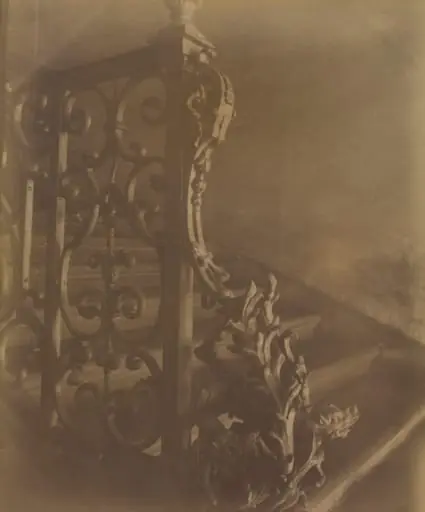
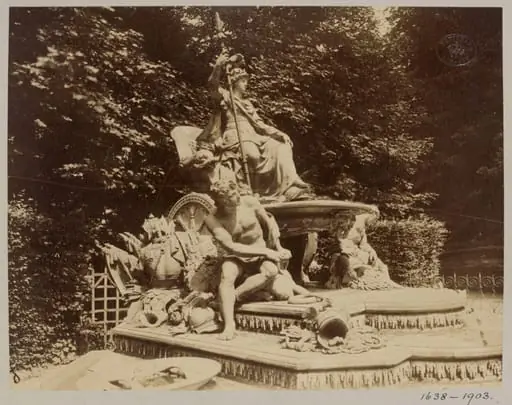 "France Triumphant", Versailles, France
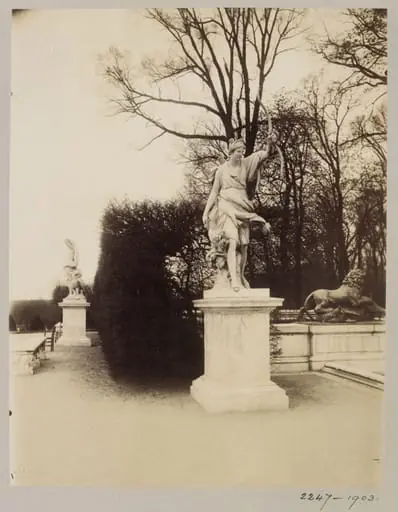 Sculpture of Diana, Versailles, France
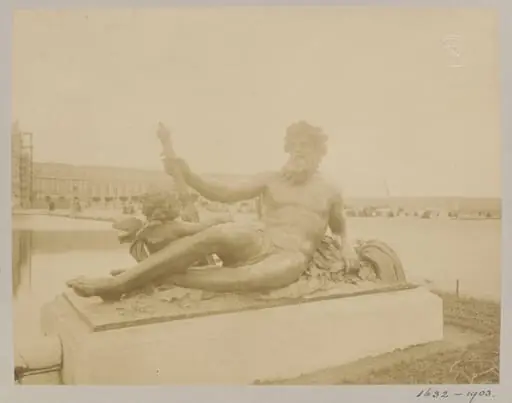 Statue of The "Rhone", Versailles, France
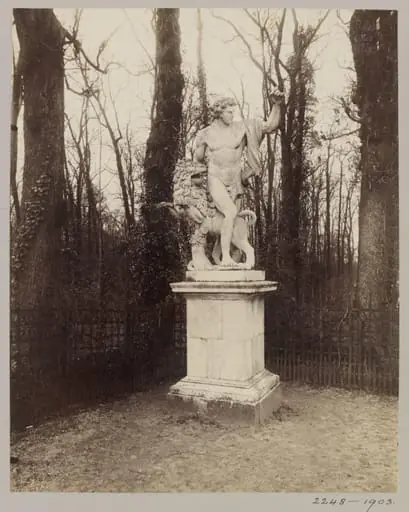 Statue of "Anger", Versailles, France
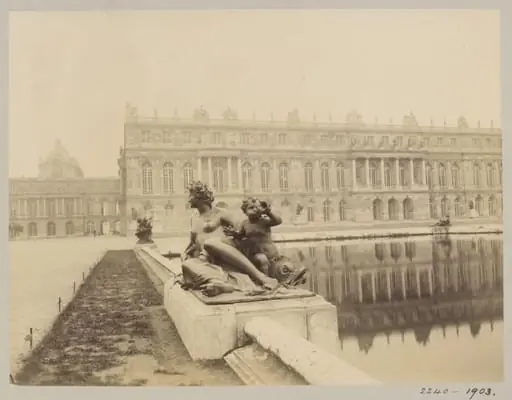 View of Palace & Sculpture, Versailles, France
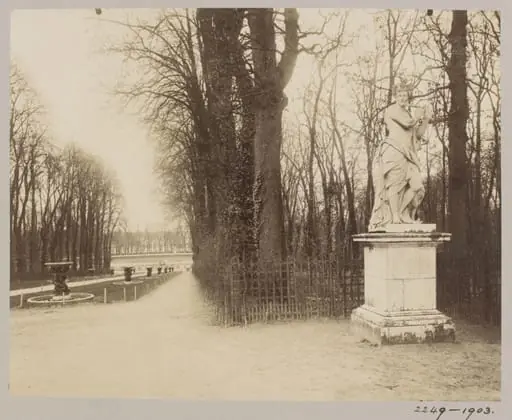 Statue of "Le Sanguin", Versailles, France
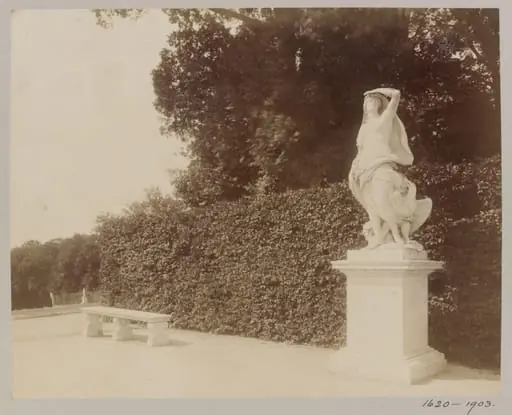 Statue of "Air", Versailles, France
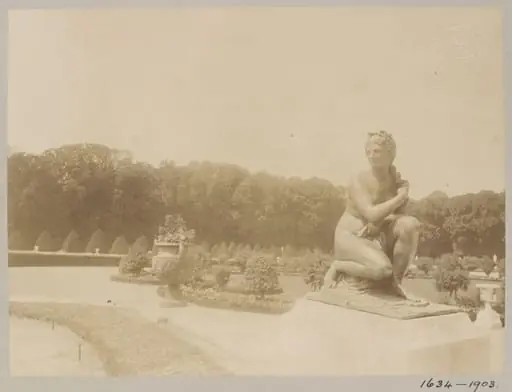 Statue of Venus, Versailles, France
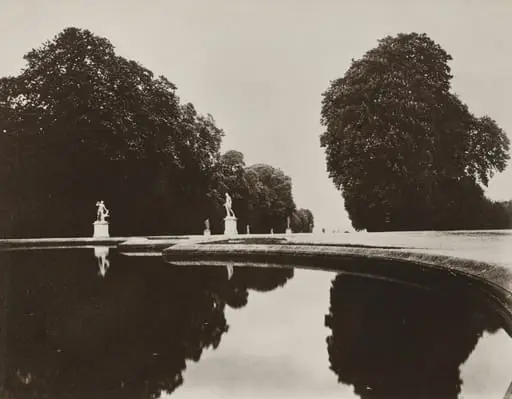
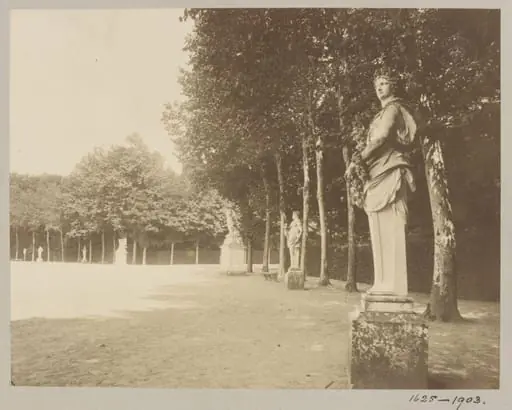 The Park, Versailles, France