Artwork
Hercules and the Lernaean Hydra
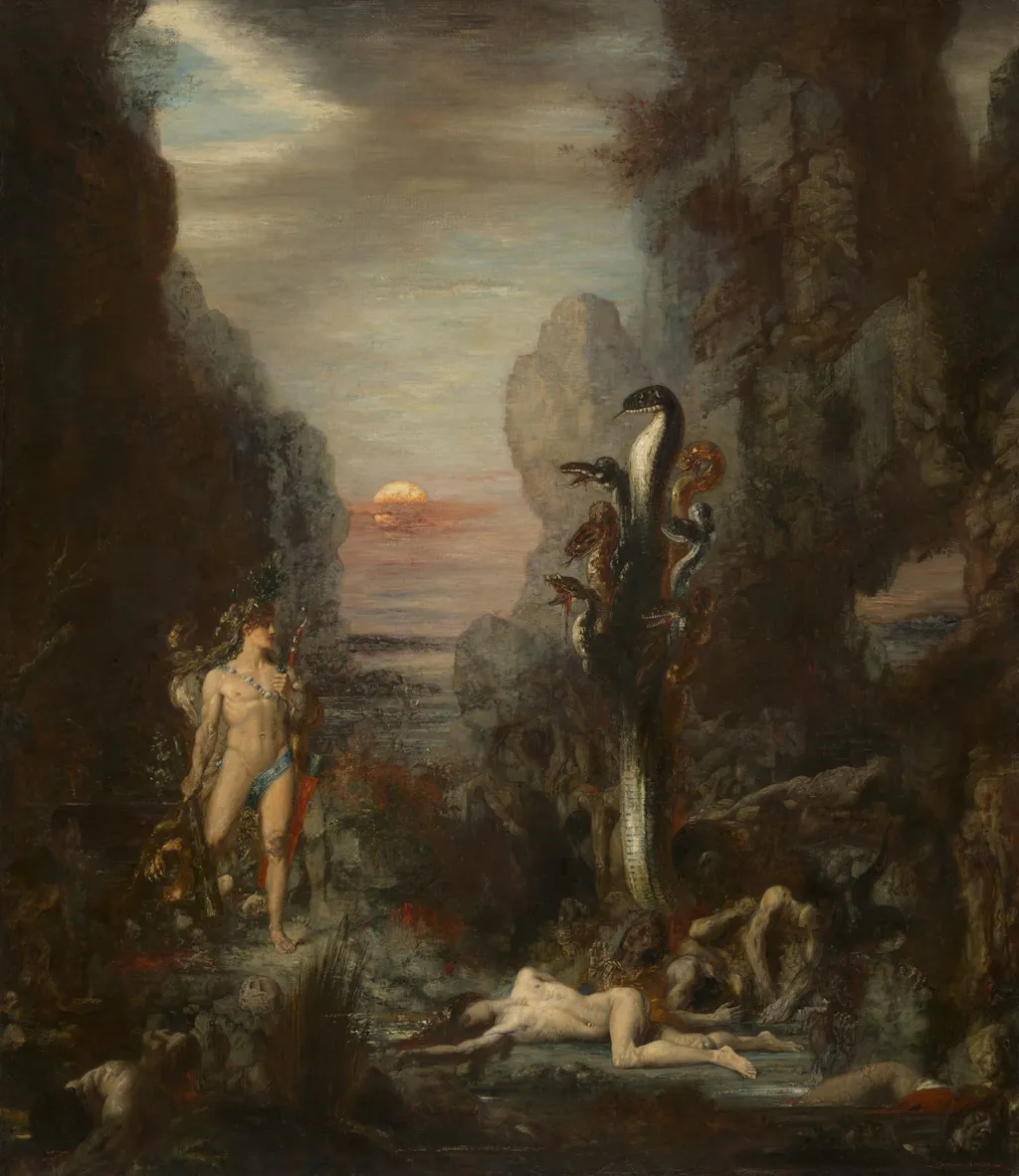
Hercules and the Lernaean Hydra is an oil painting by the Impressionist artist Gustave Moreau. It dates from 1876 and is held in the collection of the Art Institute of Chicago.
About this work
Overview
Gustave Moreau’s oil on canvas, exhibited at the Paris Salon in 1876, portrays the mythic encounter between Hercules and the Lernaean Hydra. The composition places the youthful hero in a murky swamp, poised to strike the creature’s seventh head, which in the legend is immortal. The scene is dominated by a palette of sickly greens and browns, creating a dense, almost static atmosphere.
Subject & Meaning
The painting visualizes the second of Hercules’ twelve labors: the slaying of the multi‑headed water monster.
The painting visualizes the second of Hercules’ twelve labors: the slaying of the multi‑headed water monster. Moreau emphasizes the grotesque rather than the triumphant, surrounding the hero with the decaying remnants of previous victims and a mass of serpentine heads that coil like smoke. Some scholars suggest the work reflects post‑1870 French anxieties, casting Hercules as a symbolic France confronting a threatening Hydra that could represent Prussia.
Technique & Style
Moreau combines meticulous draftsmanship with a dreamlike palette. He prepared extensive studies, even sketching live snakes at the Paris zoo, before applying layers of glaze that give the swamp its luminous, oily quality. Thick impasto in the foreground contrasts with translucent washes, allowing the heads and foliage to appear both solid and ethereal.
History & Provenance
First shown publicly at the 1876 Salon, the canvas was acquired by the French state shortly after its debut. It has remained in public collections, traveling only for major retrospectives of Moreau’s work, and continues to be cited as a key example of his late‑career mythological painting.
Context
Created in the aftermath of France’s defeat in the Franco‑Prussian War, the work reflects the artist’s preoccupation with national trauma and moral struggle. Moreau’s fascination with the macabre and the symbolic use of myth align the painting with contemporary Symbolist tendencies, while its classical subject anchors it in the academic tradition of the Salon.
Own this work as a print
Artist & collection

Artist
Gustave Moreau was a French artist and an important figure in the Symbolist movement.

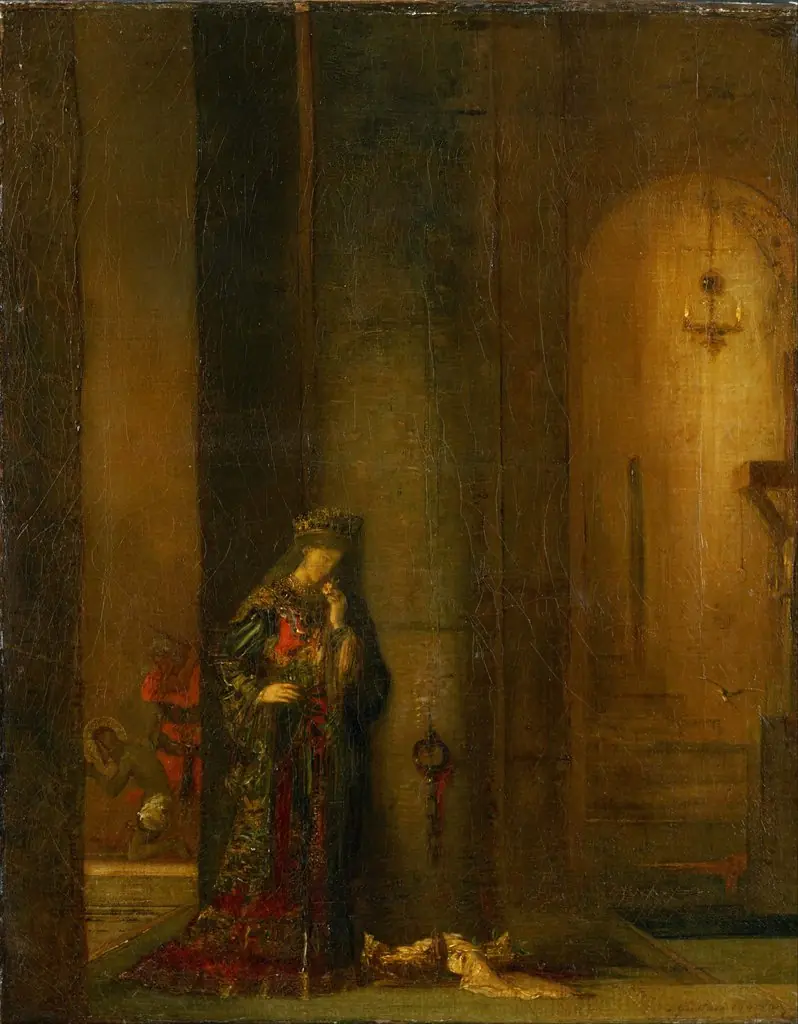
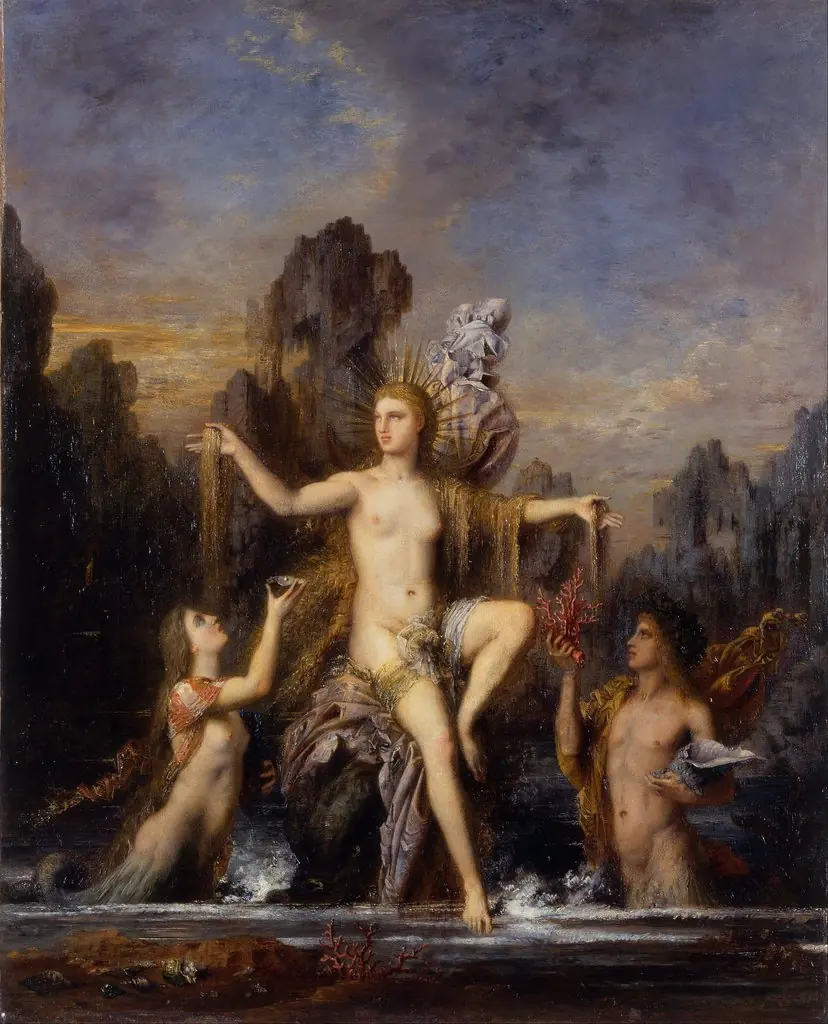 Venus Rising from the Sea
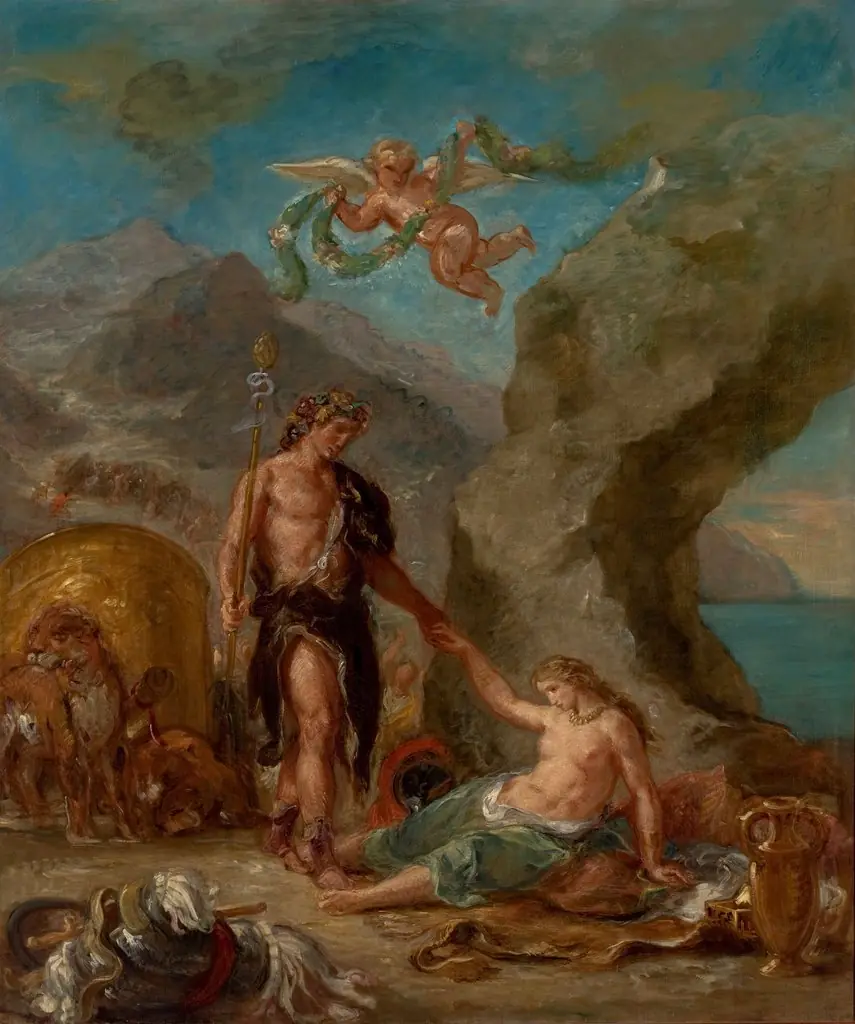 The Autumn - Baccus and Ariadne
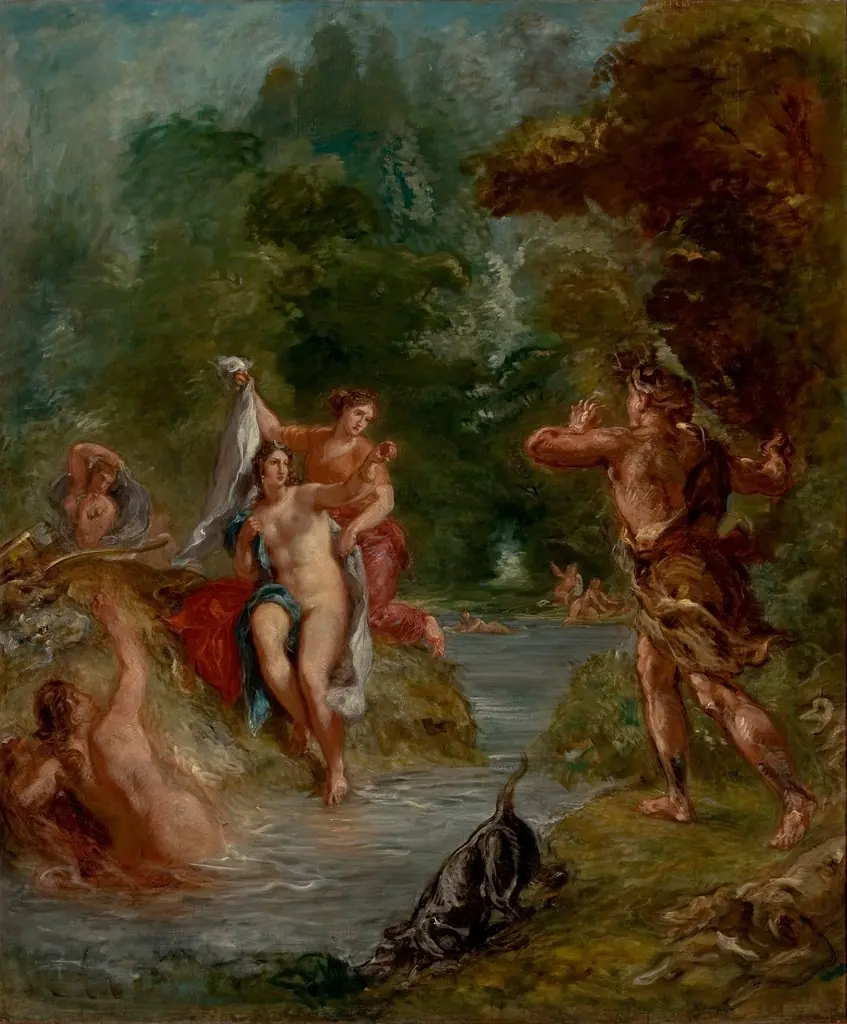 The Summer - Diana surprised by Actaeon
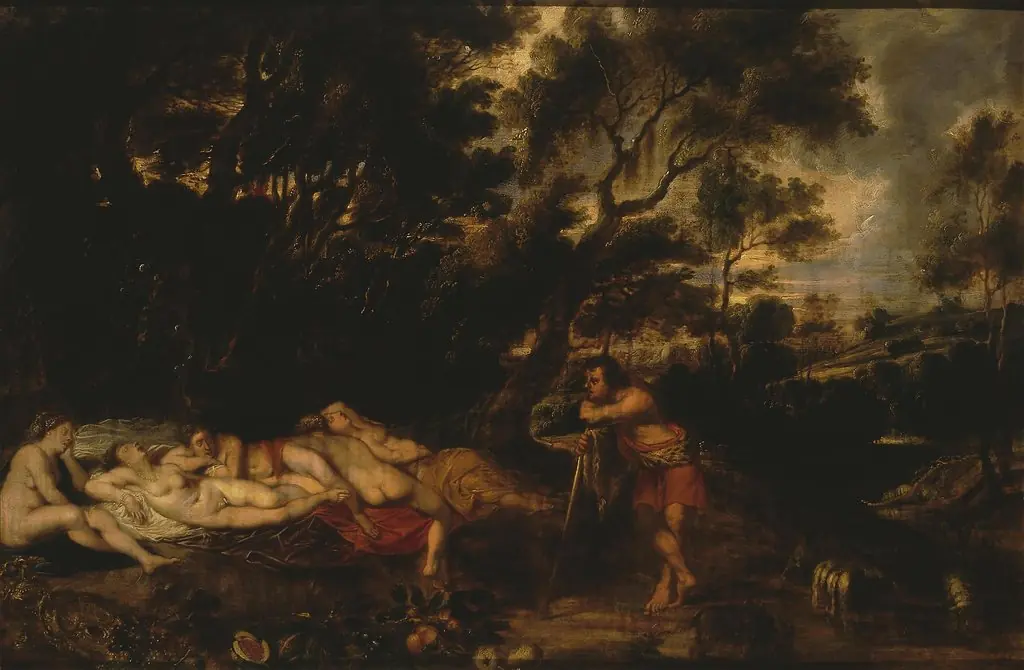 Landscape with Cymon and Iphigenia
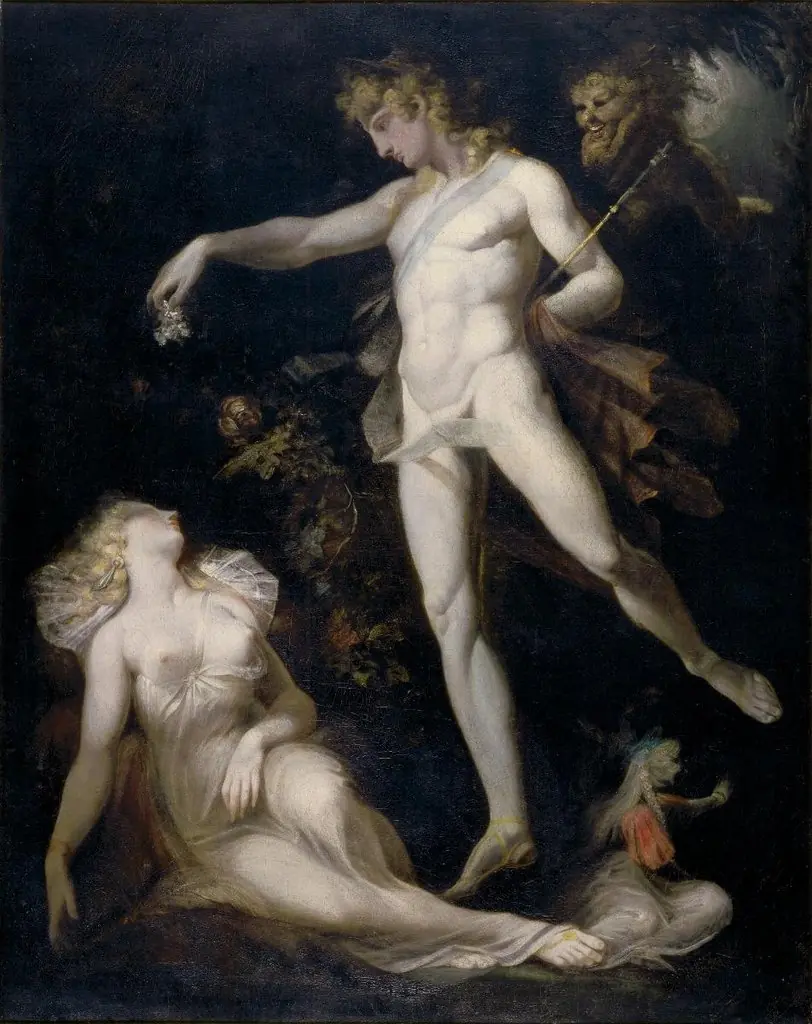 Oberon träufelt Blumensaft auf die Augen der schlafenden Titania
 Sleeping Nymph
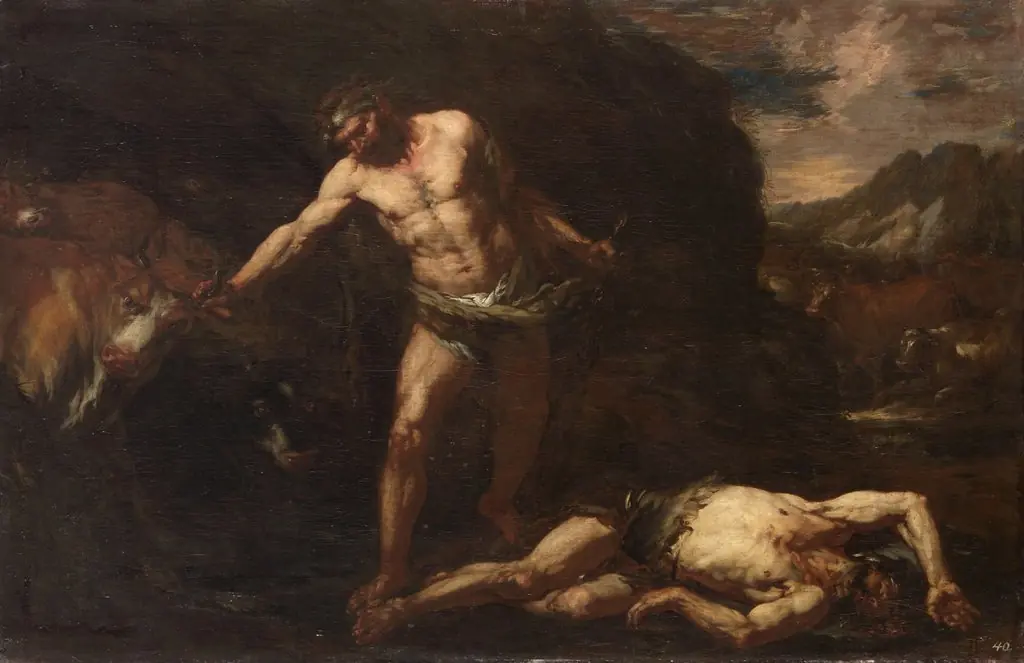 Hercules tötet den Riesen Cacus und raubt die Rinder des Geryoneus
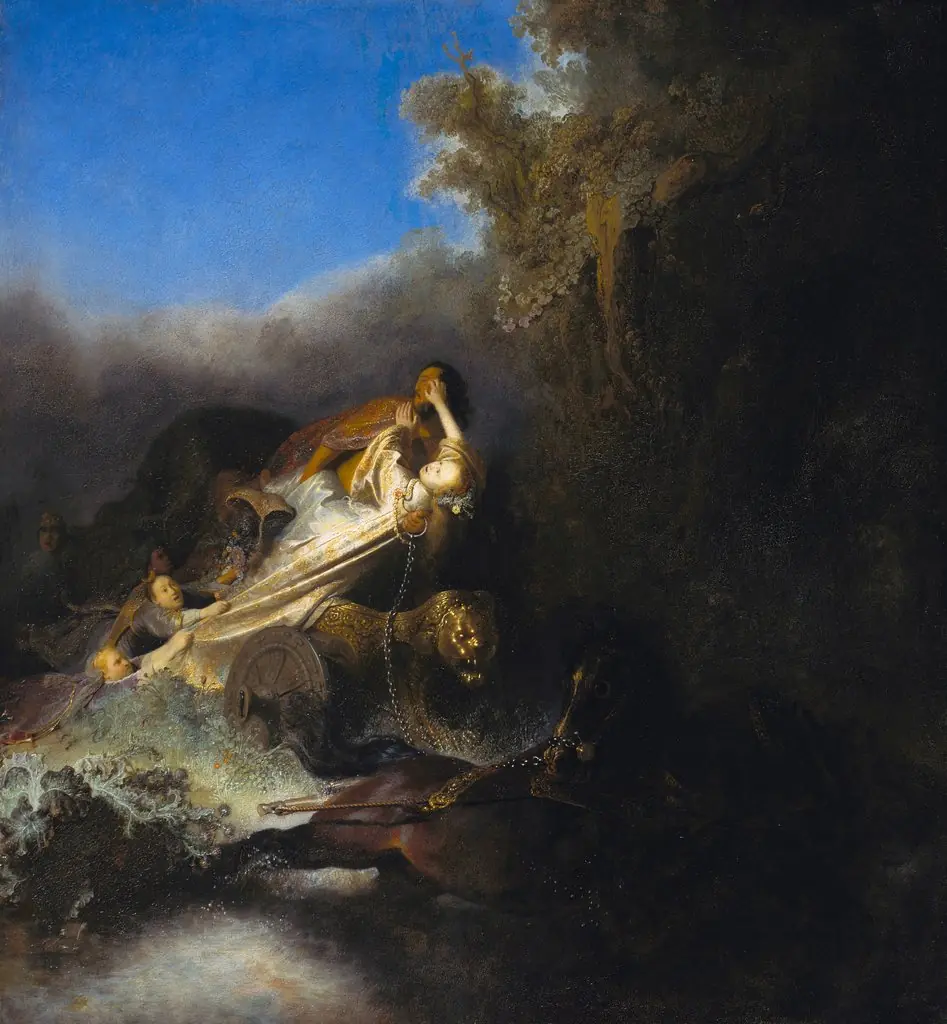 The Rape of Proserpine
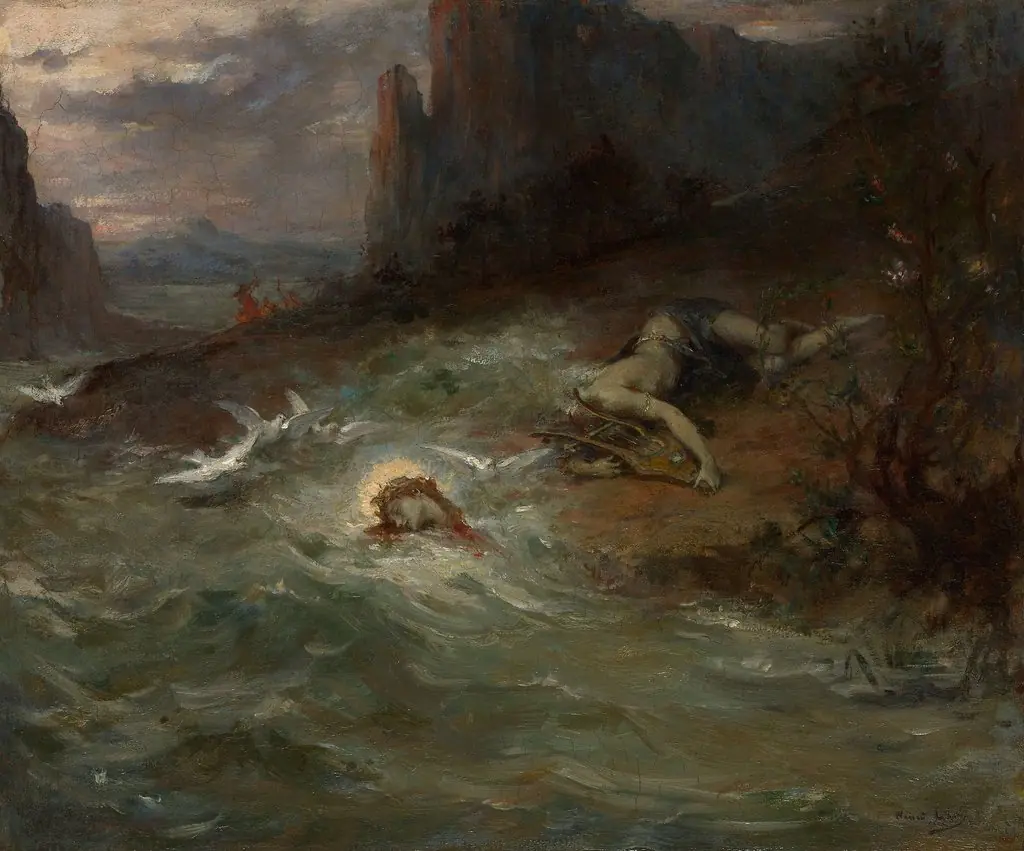 The Death of Orpheus
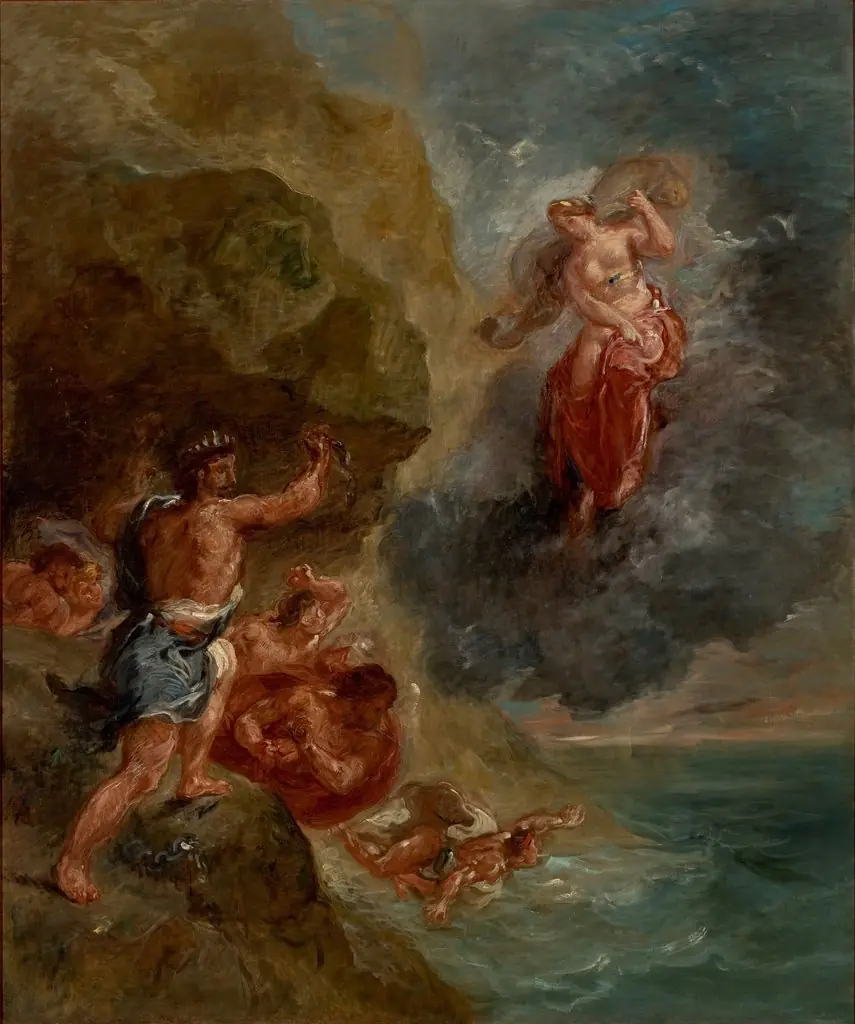 The Winter - Juno beseeches to destroy Eneas' Fleet