Artwork
The Preacher
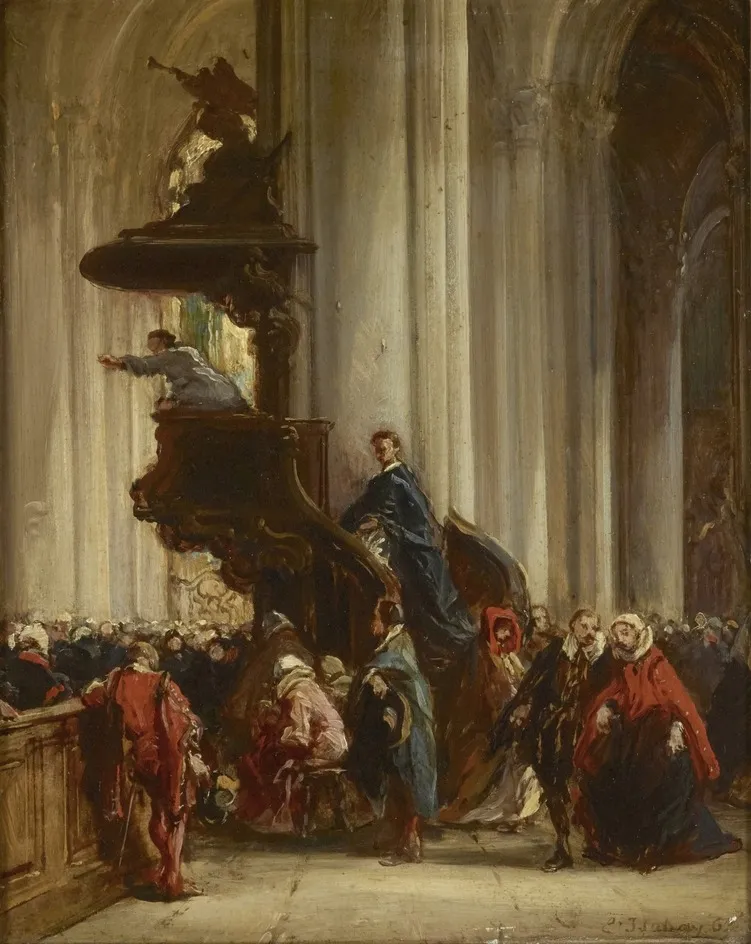
The Preacher is an oil painting by the Realist artist Eugène Isabey. It dates from 1863 and is held in the collection of the Ashmolean Museum.
About this work
Overview
Eugène Isabey’s oil painting *The Preacher* was completed in 1863. The work is part of the Ashmolean Museum’s collection and presents a moment inside a richly appointed church interior, focusing on a clergyman delivering a sermon from an elaborate pulpit.
Subject & Meaning
At the centre of the composition stands a preacher in a muted gray robe, his right arm raised in a gestural emphasis as he addresses a gathered congregation. The surrounding figures—seated, standing, or kneeling—convey a solemn atmosphere, suggesting the weight of the spoken word within the sacred space.
Technique & Style
Isabey employs a chiaroscuro palette that models the figures and architectural details with strong contrasts of light and shadow. The intricate carving of the pulpit and the angelic statue atop it are rendered with precise brushwork, reflecting the Realist aim of depicting everyday religious life without idealization, while retaining his Romantic sensibility for dramatic lighting.
History & Provenance
Created during the later phase of Isabey’s career, the painting entered the Ashmolean Museum’s holdings through acquisition in the early twentieth century. Its presence in the museum’s collection underscores the artist’s role in bridging Romantic and Realist tendencies in mid‑nineteenth‑century French art.
Artist & collection
Artist
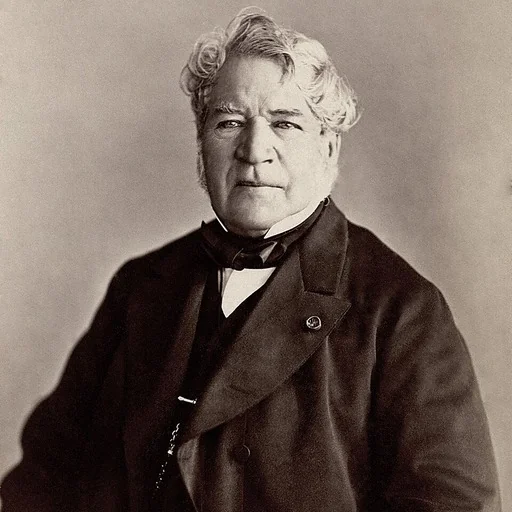
Eugène Louis Gabriel Isabey (French pronunciation: ; 22 July 1803 – 25 April 1886) was a French painter, lithographer and watercolorist in the Romantic style.

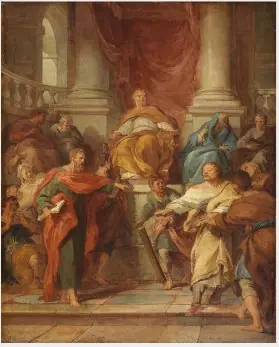 Elymas the Sorcerer Struck with Blindness, sketch
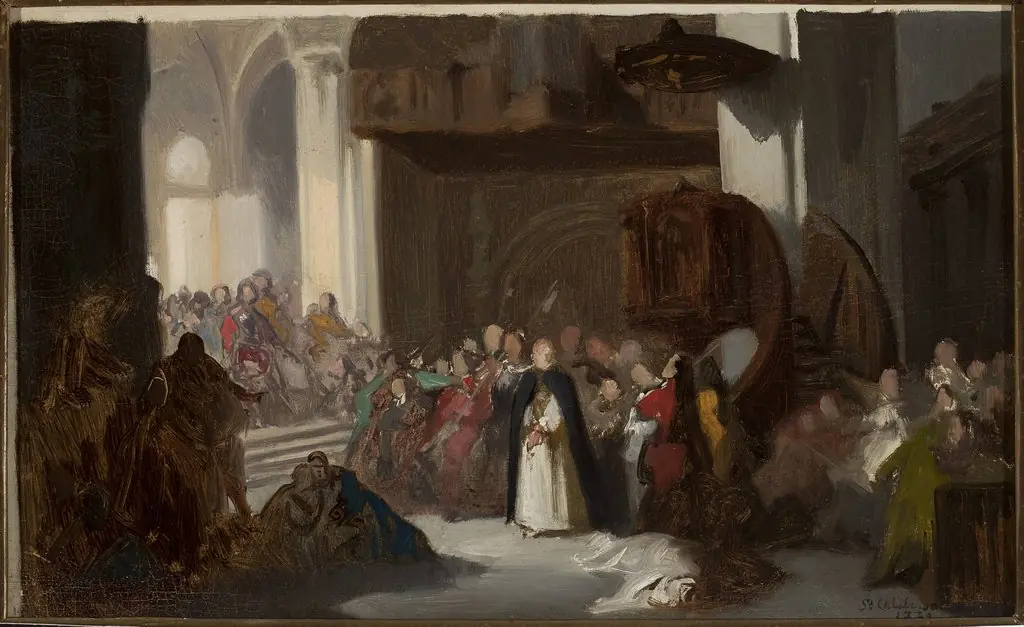 Scene in a church, sketch for a historical scene
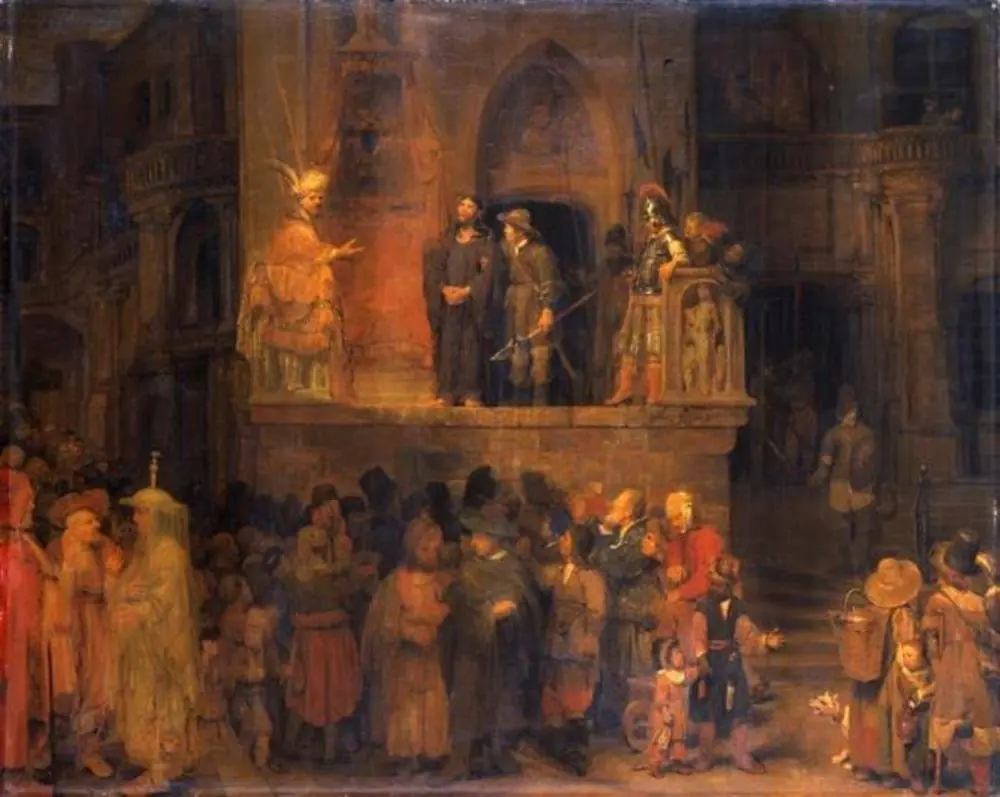 Ecce Homo (John 19:5)
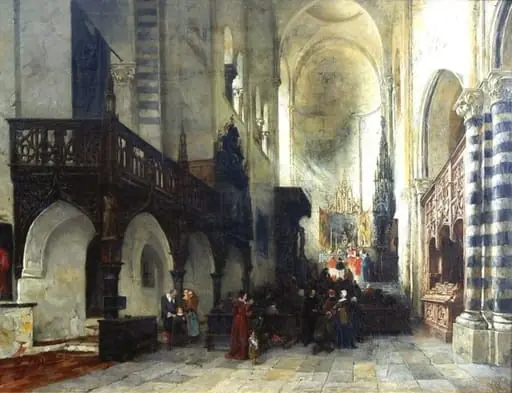 Interior de biserică
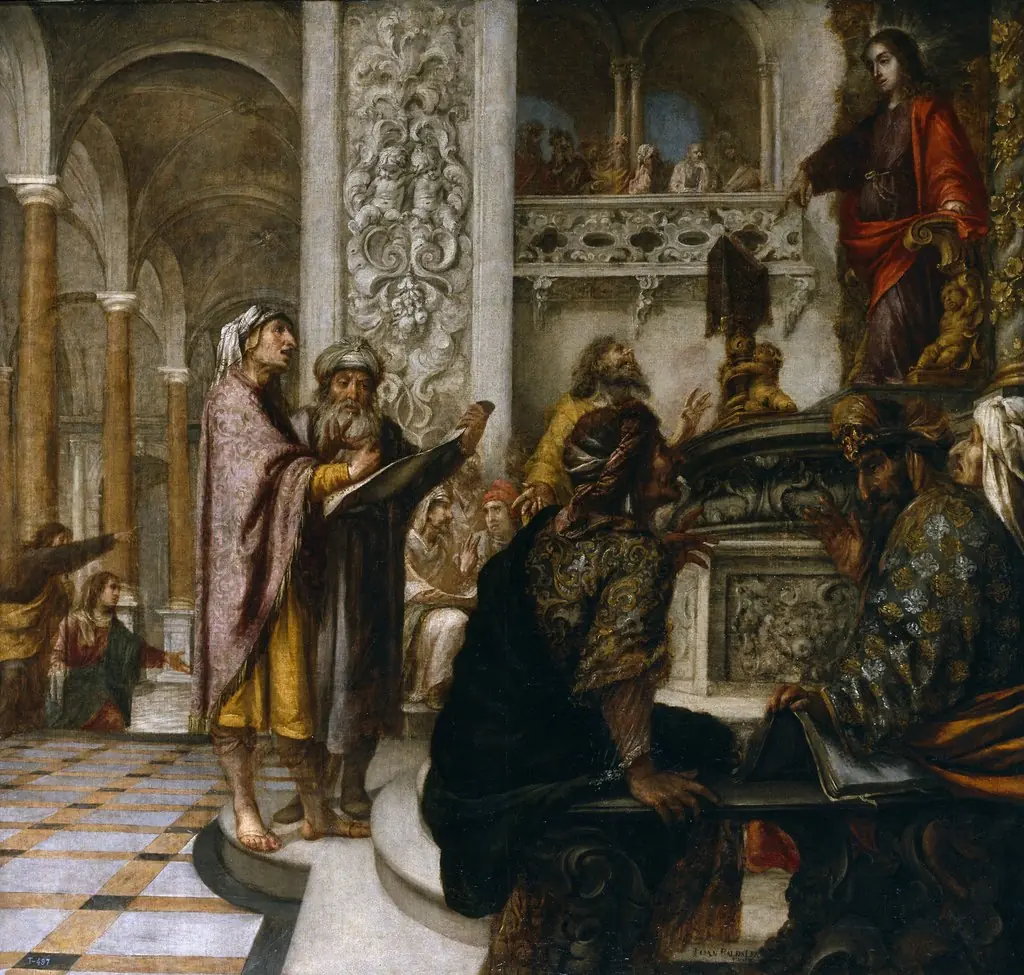 Christ disputing with the Doctors
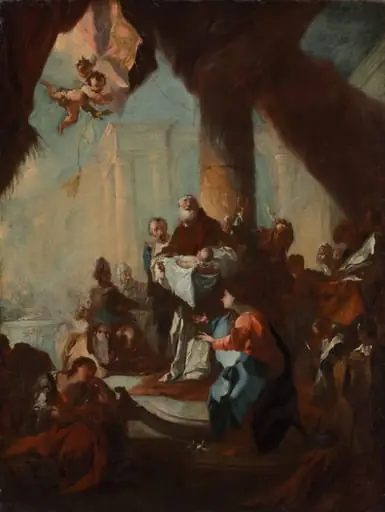 Study for "The Presentation of Christ in the Temple" (for Saint Ulrich, Vienna)
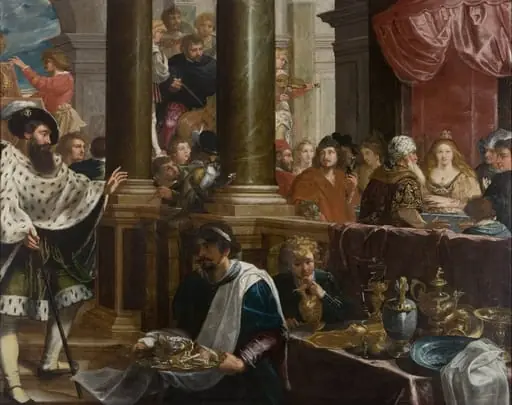 A Feast
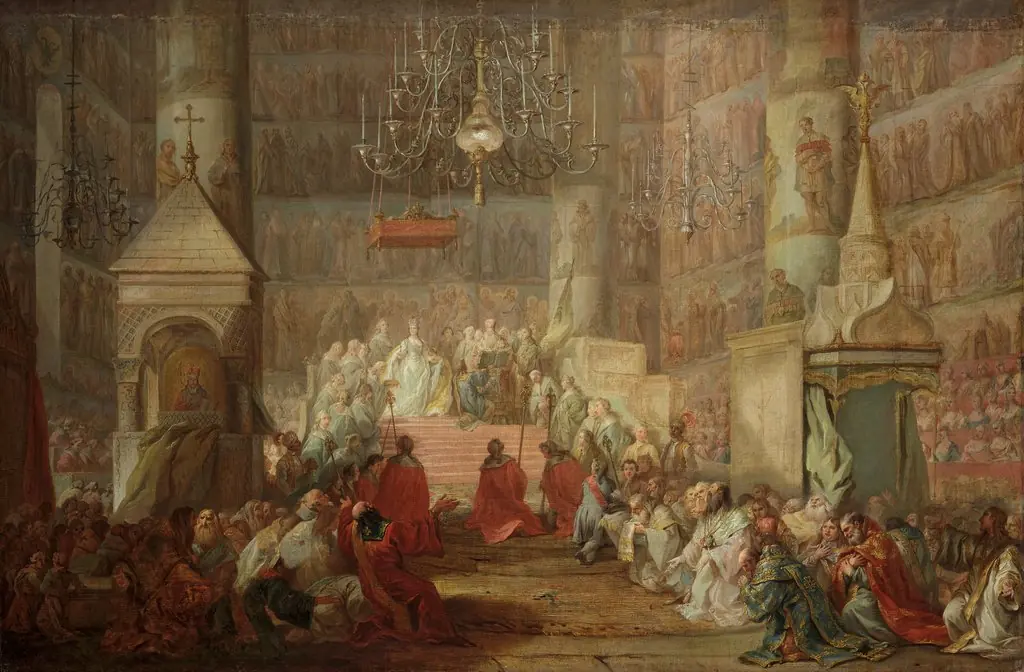 Coronation of Catherine II
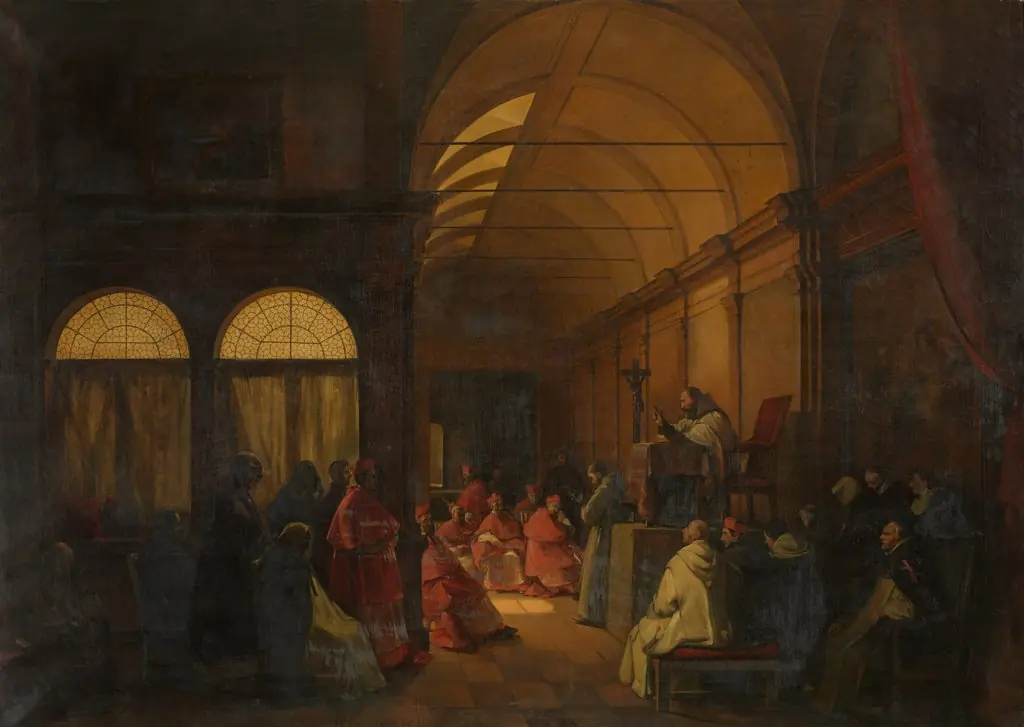 Before the Conclave
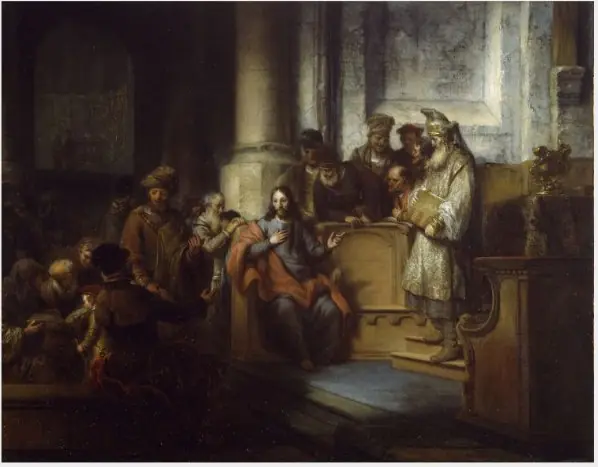 Christ in the Synagogue at Nazareth
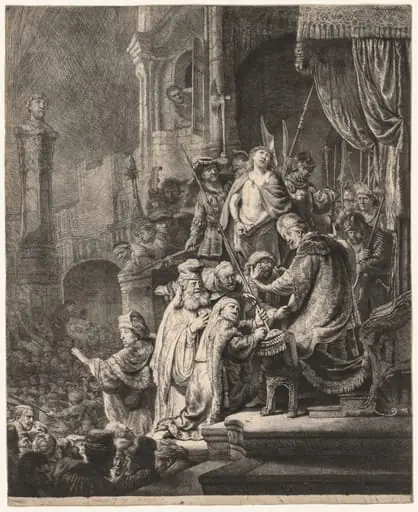 Christ Before Pilate: Large Plate
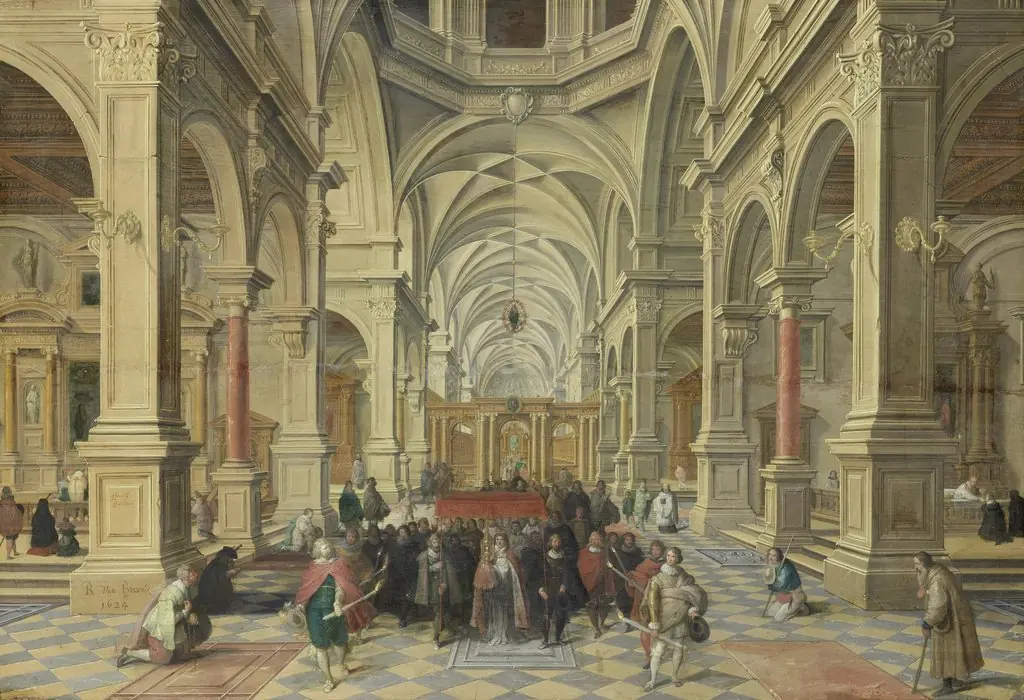 Imaginary church interior with a procession