Artwork
A Fishing Boat, Trouville
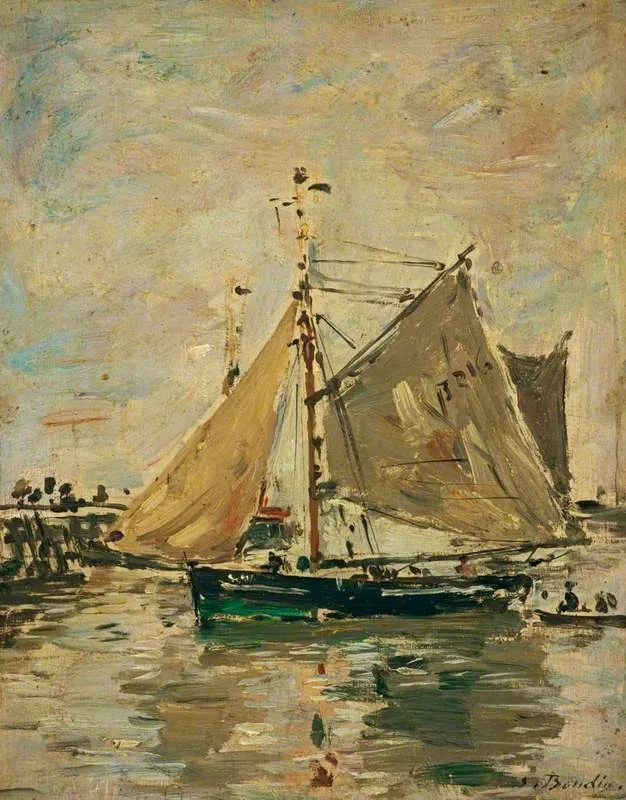
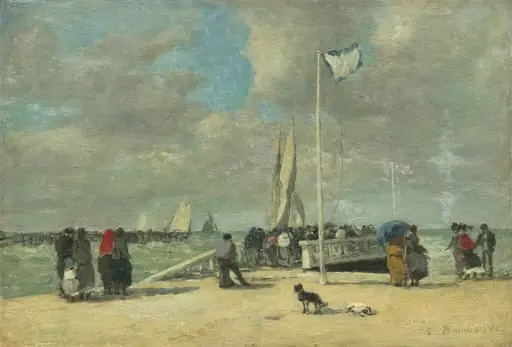
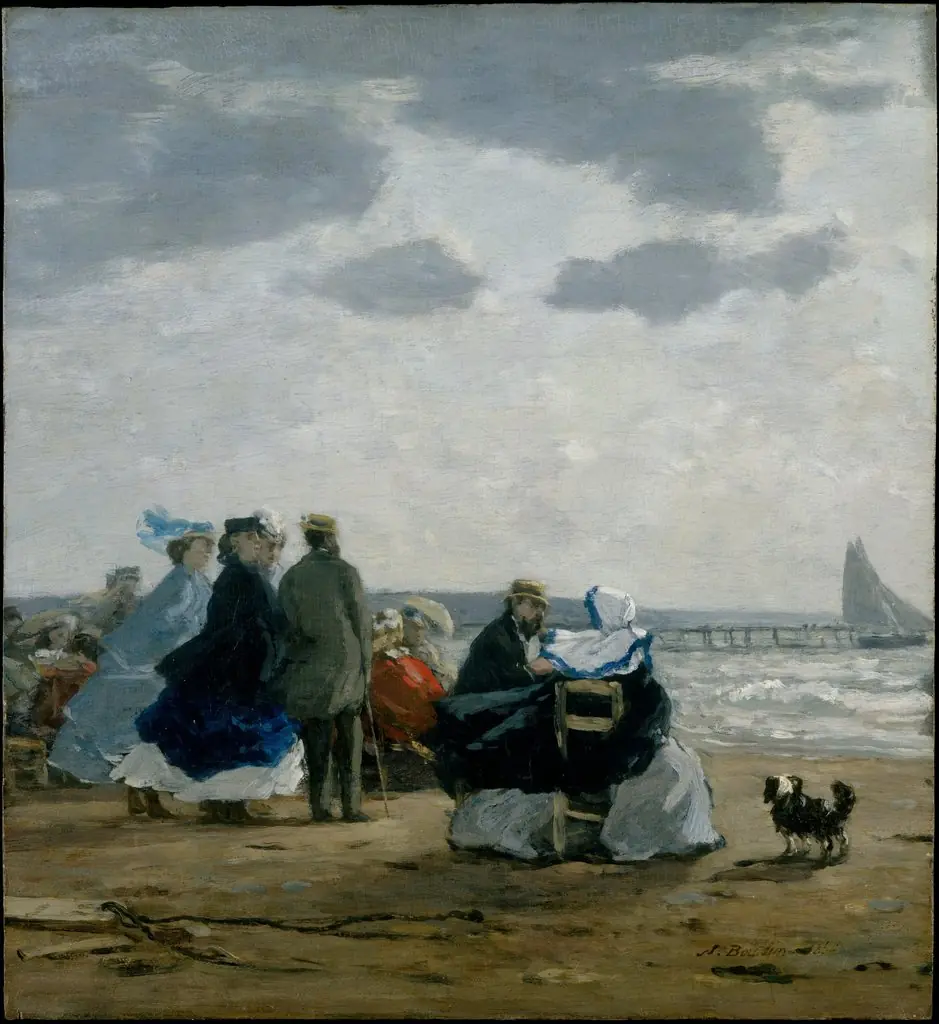
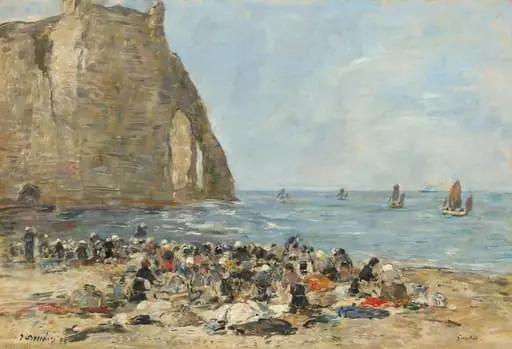
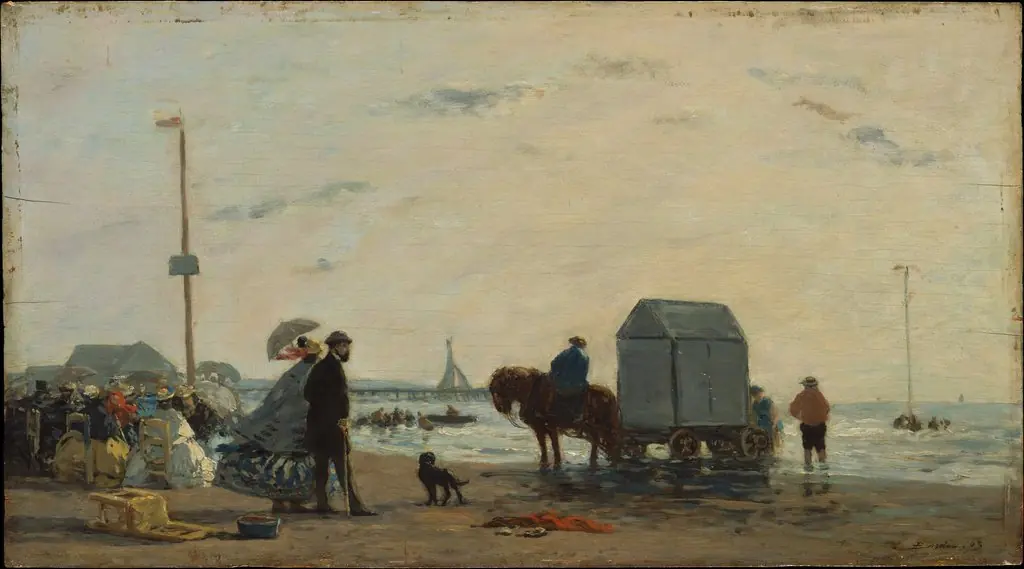
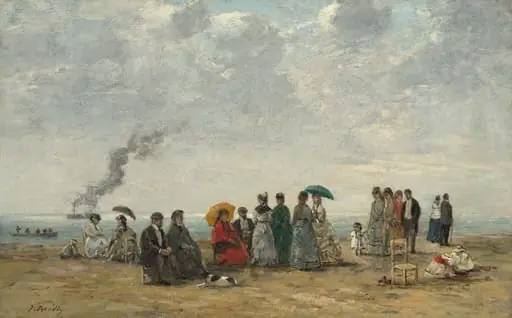
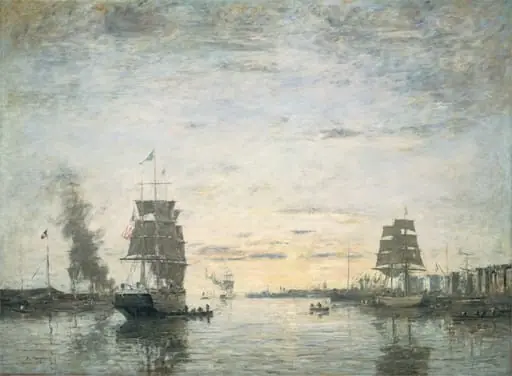
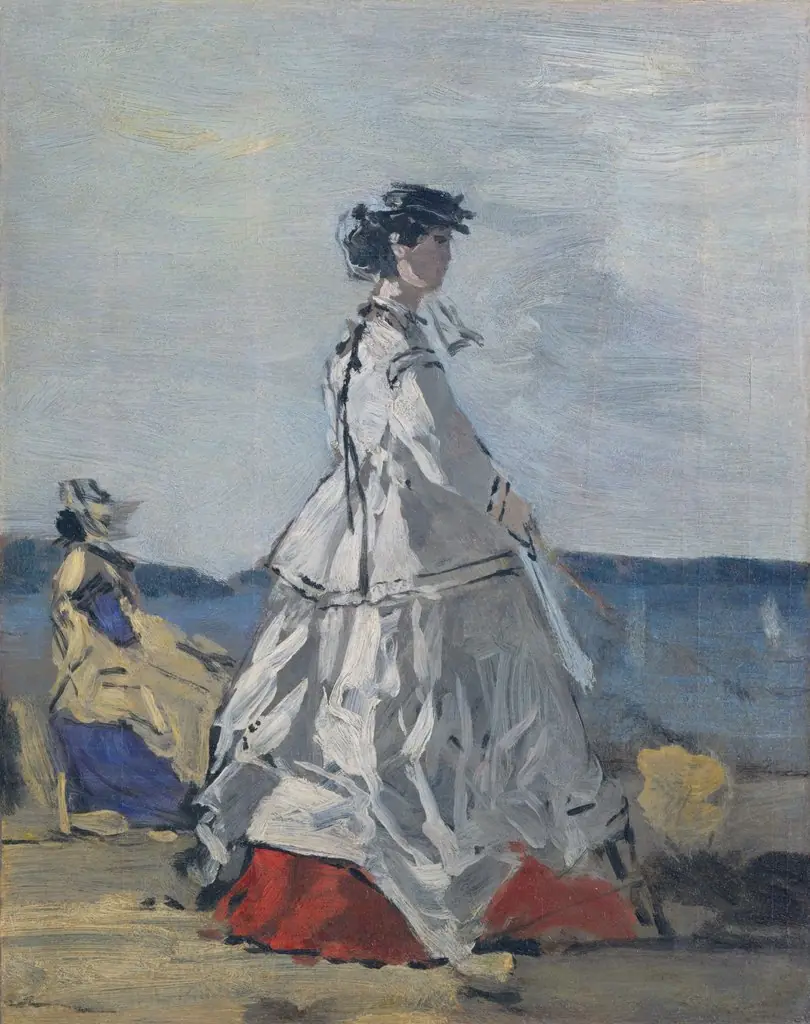
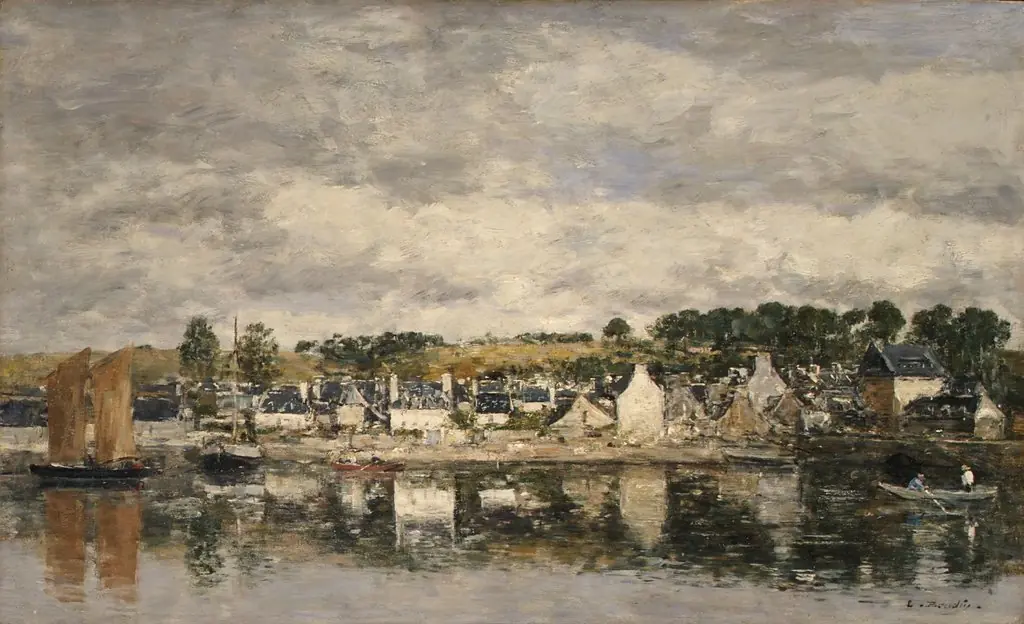
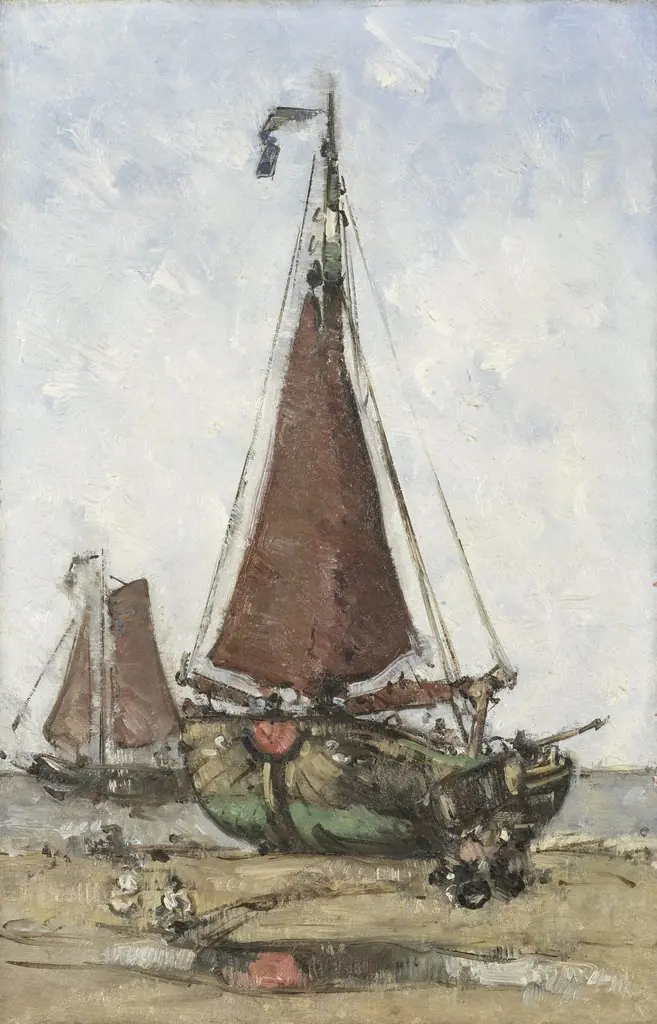
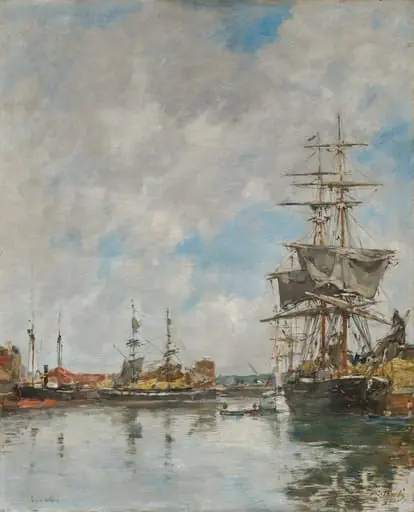
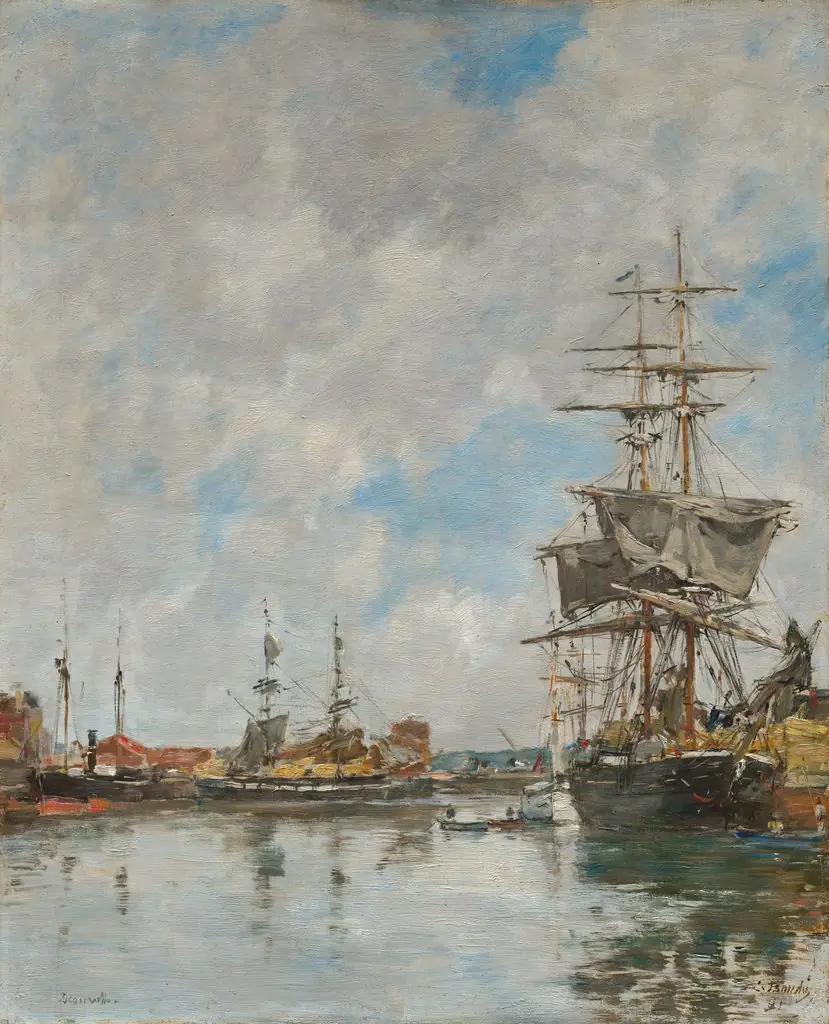
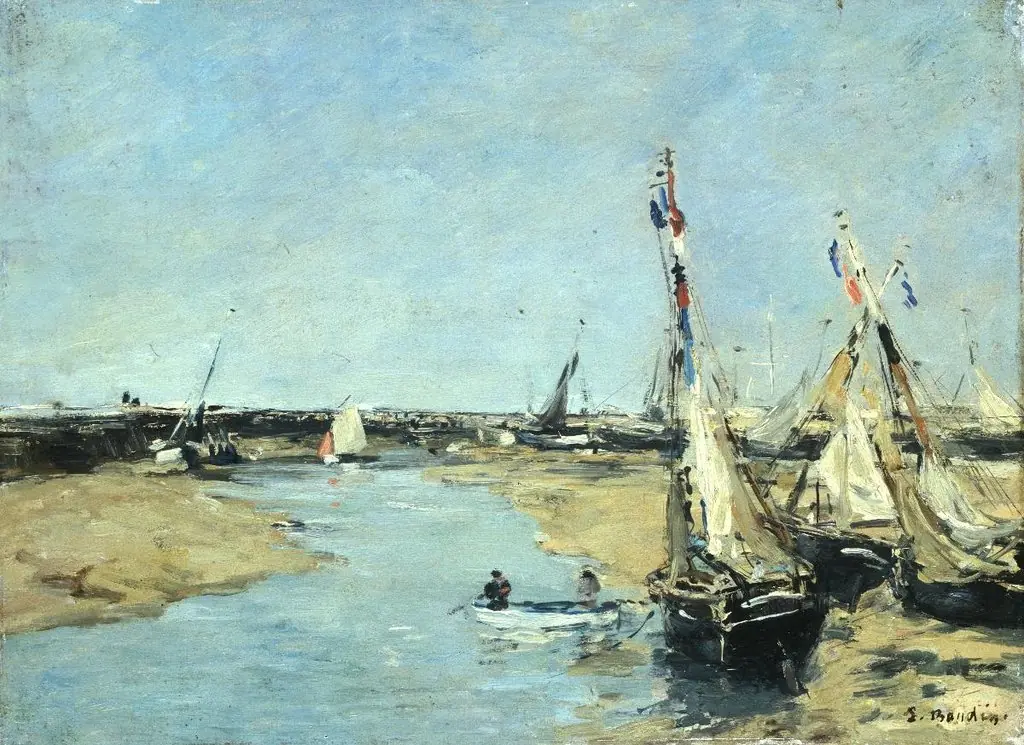
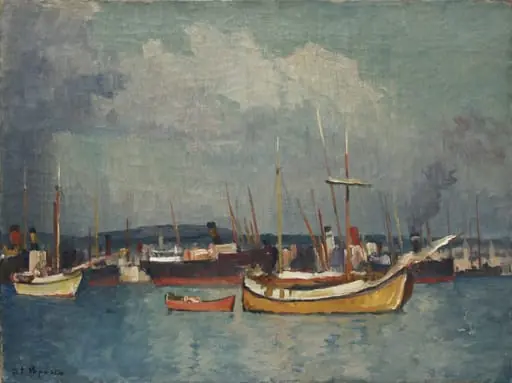
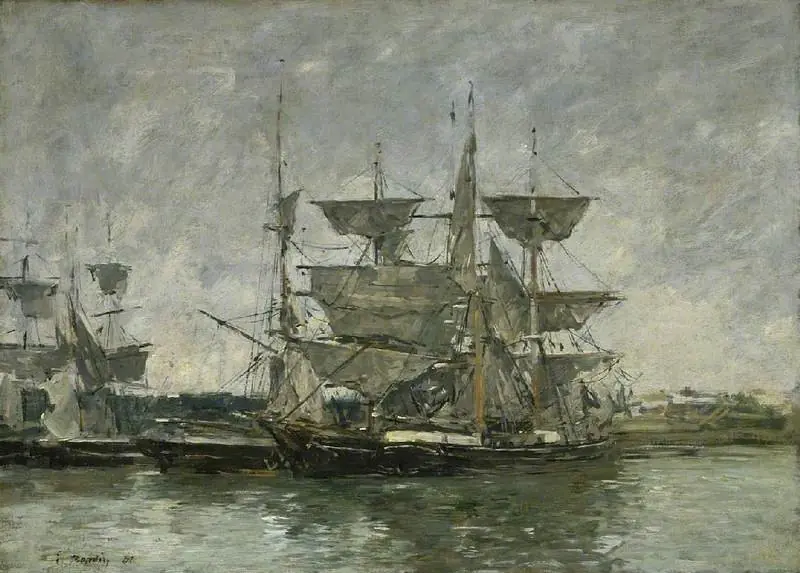
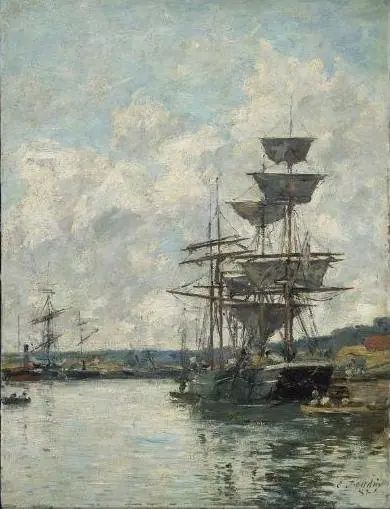
A Fishing Boat, Trouville is an oil painting by the Impressionist artist Eugène Boudin. It dates from 1898 and is held in the collection of the National Galleries Scotland.
About this work
Overview
The work belongs to the Scottish National Gallery’s collection and exemplifies his lifelong dedication to coastal scenes along Normandy’s shoreline.
Eugène Louis Boudin painted *A Fishing Boat, Trouville* in 1898 using oil on canvas. The work belongs to the Scottish National Gallery’s collection and exemplifies his lifelong dedication to coastal scenes along Normandy’s shoreline. Boudin’s practice of painting outdoors preceded and influenced the Impressionist movement, though his approach remained rooted in quiet observation rather than radical innovation.
Subject & Meaning
The painting centers on a modest fishing vessel moored in Trouville’s harbor, its sails half-raised as if awaiting tide or wind. No human figures are present, emphasizing solitude and the rhythm of maritime labor. The scene conveys neither drama nor narrative, but rather a contemplative stillness, reflecting the quiet endurance of coastal life and the subtle interplay between human activity and natural cycles.
Technique & Style
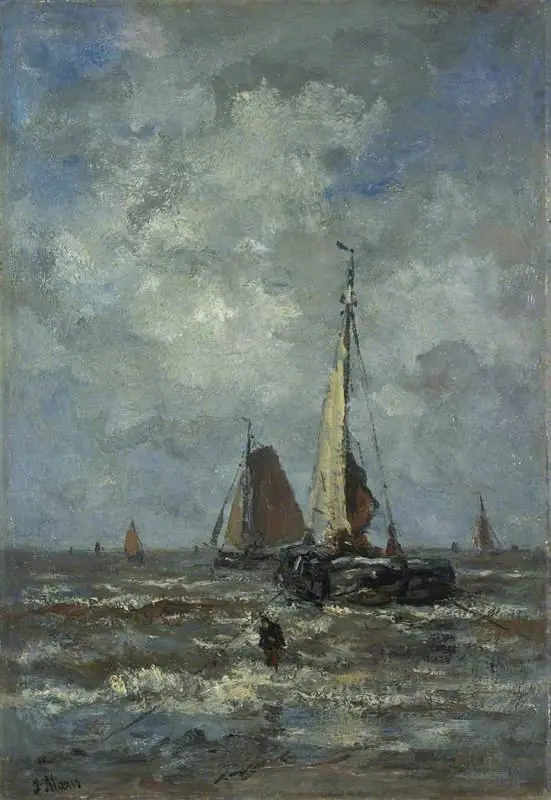
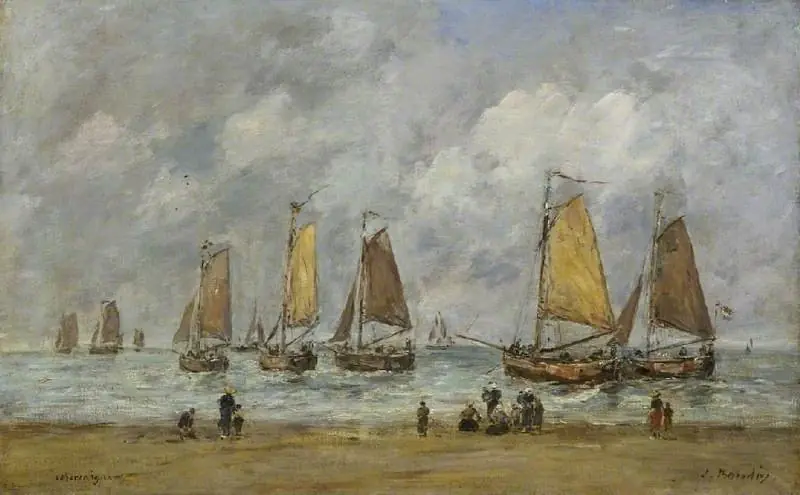
Boudin employed loose, soft brushwork to suggest the movement of water and the drift of clouds. His palette favors muted blues, grays, and pale whites, avoiding bold contrasts in favor of atmospheric harmony. The horizon is low, allowing the sky to dominate, a hallmark of his compositional approach. The technique captures transient light without theatrical effect, prioritizing sensory truth over idealized form.
History & Provenance
Created near the end of Boudin’s career, the painting reflects his mature style, refined through decades of painting along the Normandy coast. It entered the Scottish National Gallery’s collection in the 20th century, likely through acquisition or bequest. Its preservation reflects institutional recognition of Boudin’s role in bridging 19th-century landscape traditions and emerging modern approaches to light and observation.
Context
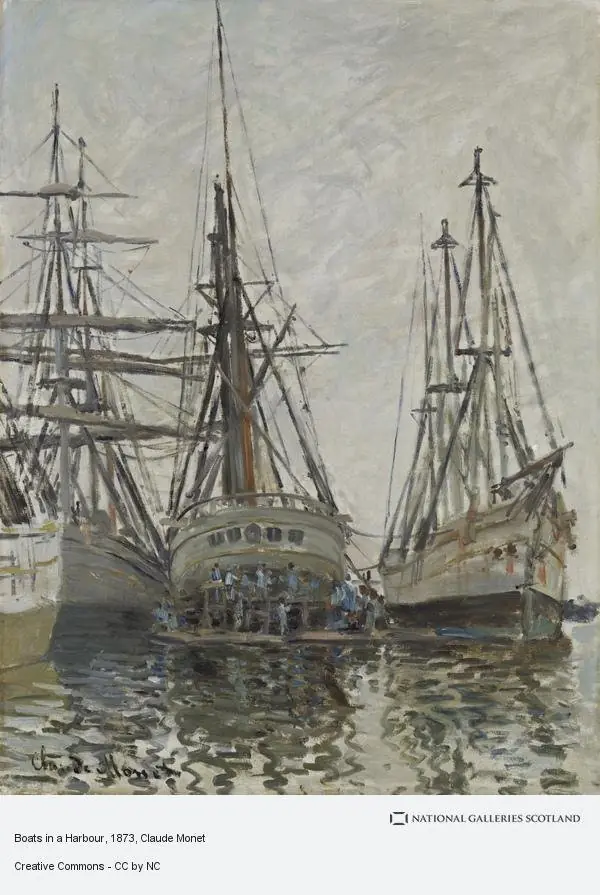
In the late 19th century, Trouville was a growing seaside resort, yet Boudin chose to depict its working harbor rather than its leisure crowds. His focus on fishermen and their boats aligned with a broader interest in everyday coastal life, distinct from the romanticized seascapes of earlier generations. This grounded perspective informed later artists, including Monet, who admired his direct engagement with nature.
Legacy
Boudin’s quiet, observational style helped shift French painting toward immediacy and naturalism. Though less celebrated than his Impressionist contemporaries, his consistent focus on light, weather, and the sea laid groundwork for their innovations. *A Fishing Boat, Trouville* stands as a testament to his patient, unembellished vision — a record of place and atmosphere, not spectacle.
Artist & collection
Artist
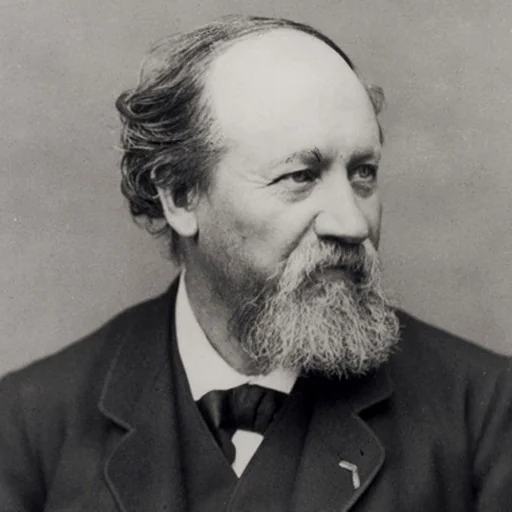
Eugène Louis Boudin (French: ; 12 July 1824 – 8 August 1898) was one of the first French landscape painters to paint outdoors.