Artwork
Picturesque Views of Scotland: Waverly and Miss Flora
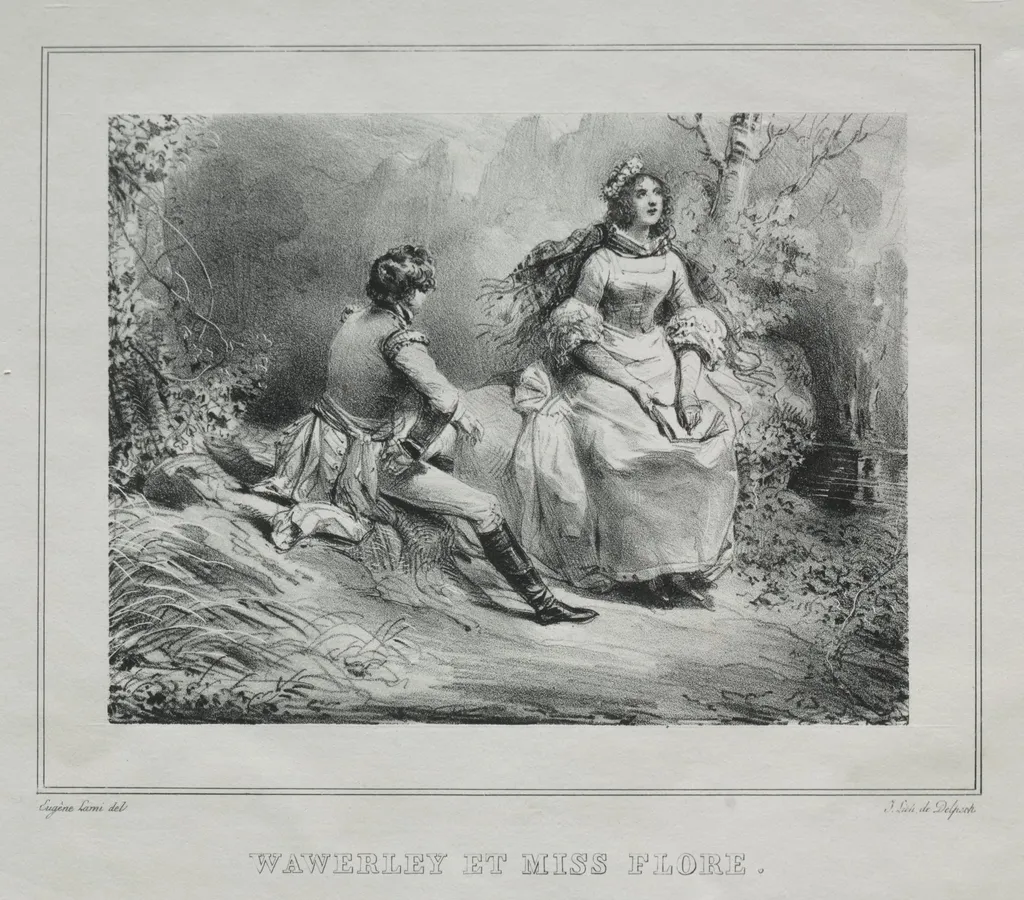
Picturesque Views of Scotland: Waverly and Miss Flora is a print by the Romanticist artist Eugène Lami. It dates from 1826 and is held in the collection of the Cleveland Museum of Art. This 1826 print by Eugène Louis Lami is part of a series depicting scenes from Scottish landscapes and literature.
About this work
Overview
This 1826 print by Eugène Louis Lami is part of a series depicting scenes from Scottish landscapes and literature. Produced as a lithograph, it captures a moment of quiet narrative tension within a wooded setting. The work is held in the collection of The Cleveland Museum of Art and reflects the 19th-century European fascination with romanticized natural scenery and literary themes.
Subject & Meaning
The image portrays a man kneeling in the undergrowth, reaching toward a woman standing slightly elevated, dressed in an elaborate gown and holding a fan.
The image portrays a man kneeling in the undergrowth, reaching toward a woman standing slightly elevated, dressed in an elaborate gown and holding a fan. Their interaction suggests a moment of emotional or narrative significance, likely drawn from Sir Walter Scott’s Waverley novels. The composition evokes themes of longing, social distance, or romantic encounter, framed within an idealized Scottish wilderness.
Technique & Style
Lami employed lithography to achieve fine tonal gradations and delicate linework, emphasizing the contrast between the dark, dense foliage and the lighter figures. The woman’s flowing dress and the man’s posture are rendered with soft contours, enhancing the theatricality of the scene. The background’s muted greens and shadowed paths create depth without overt detail, characteristic of Romantic-era printmaking.
History & Provenance
Created in 1826, the print was likely produced as part of a published series illustrating scenes from Scott’s popular Waverley novels. It entered the collection of The Cleveland Museum of Art through documented acquisition, though its earlier ownership history remains unrecorded in public sources. Its survival reflects the broader circulation of illustrated literary prints in early 19th-century Europe.
Context
The print emerged during a period when Scott’s novels sparked widespread interest in Scottish culture and landscape. Artists across Europe responded with visual interpretations that blended realism with idealized emotion. Lami’s work aligns with Romanticism’s emphasis on nature as a stage for human feeling, resonating with contemporary audiences familiar with literary narratives over direct historical depiction.
Legacy
While not widely reproduced today, the print remains a tangible example of how literature influenced visual art in the early 1800s. It contributes to the understanding of how Romantic ideals were disseminated through accessible media like lithographs, bridging the gap between elite literature and public visual culture in pre-industrial Europe.
Artist & collection
Artist
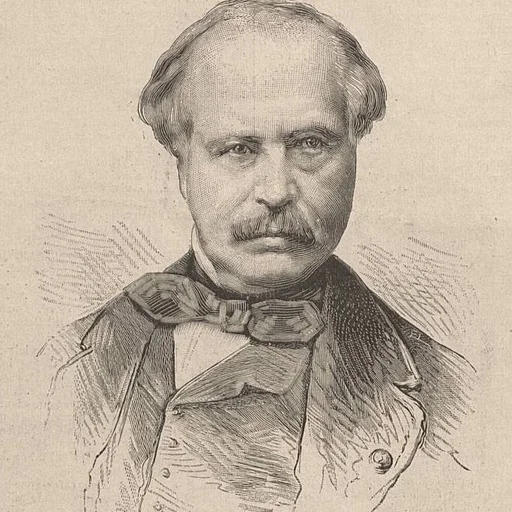
Eugène Louis Lami (12 January 1800 – 19 December 1890) was a French painter and lithographer.

 Attentat de Fieschi. Revue de la Garde nationale, 28 juillet 1835
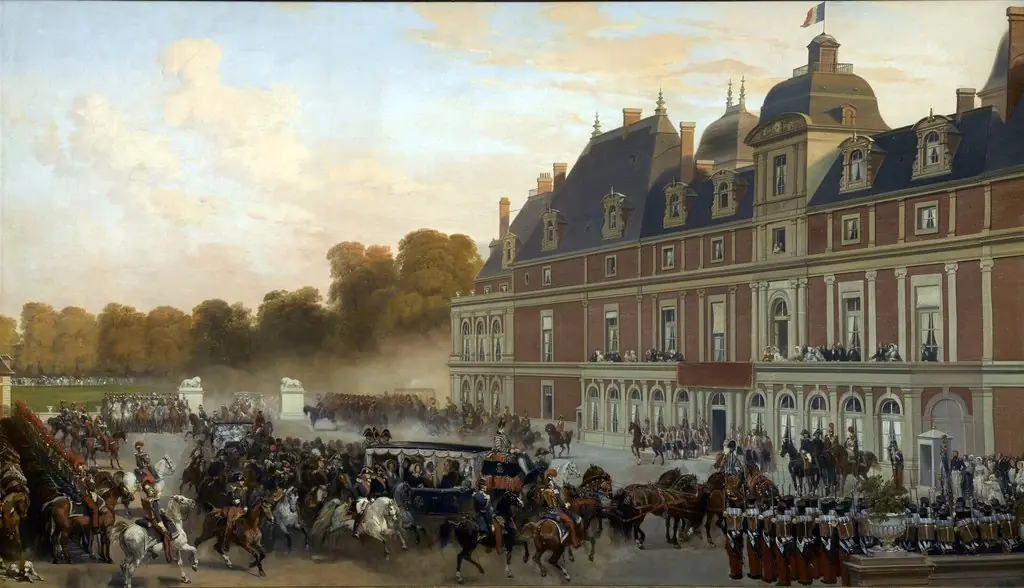 The Arrival of Queen Victoria at the Château d'Eu
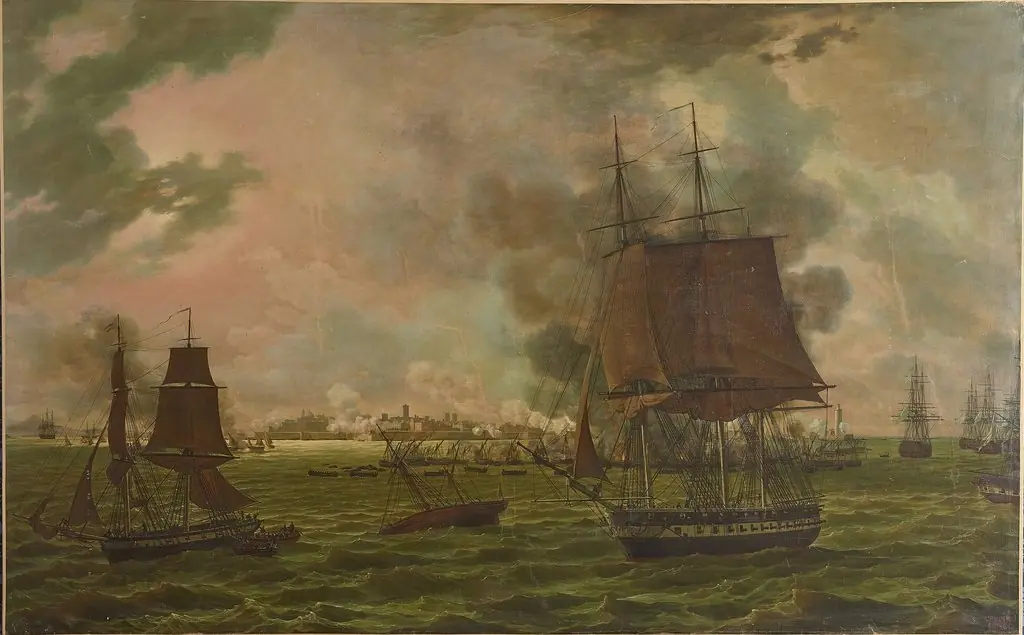 Bombardement de Cadix par l'escadre française, 23 septembre 1823
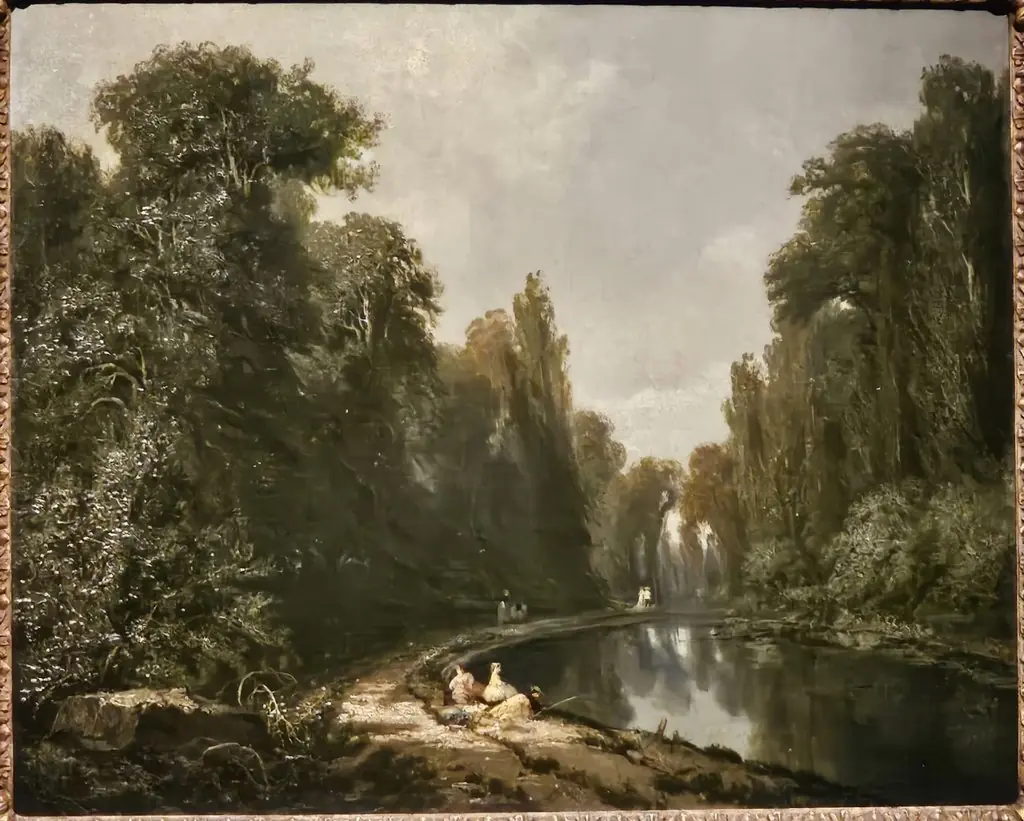 Paisagem num parque
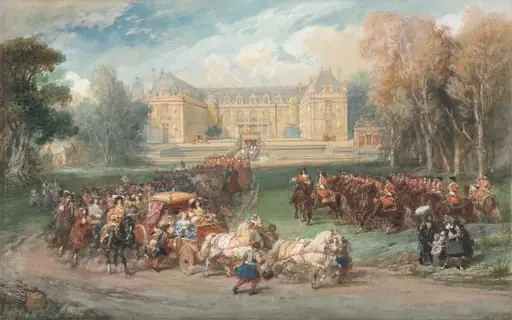 Louis XIV Driving his Coach in the Park of Versailles
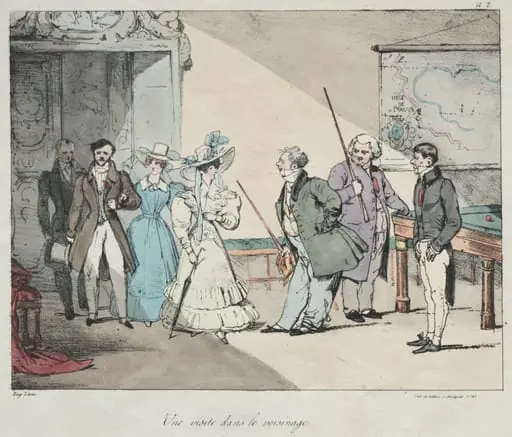 Life of the Chateau: A Visit in the Neighborhood
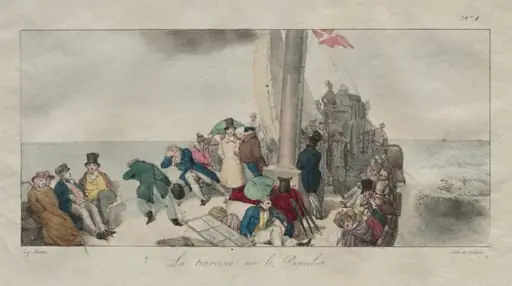 Souvenirs of London: Crossing on the Packet Boat
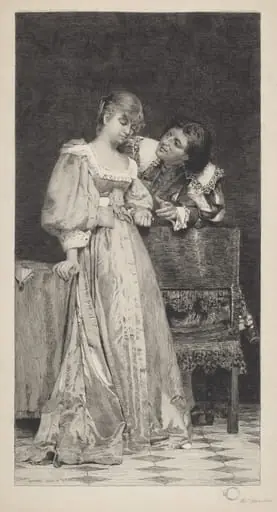 The Wedding Ring
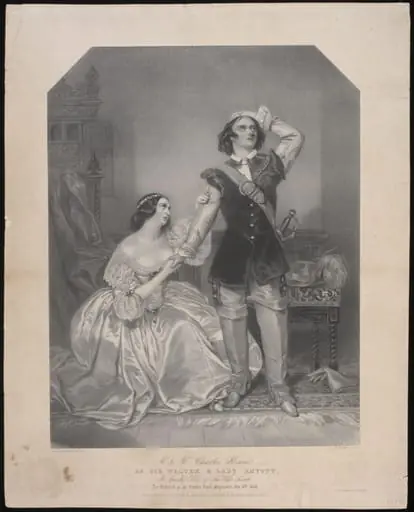 H Beard Print Collection
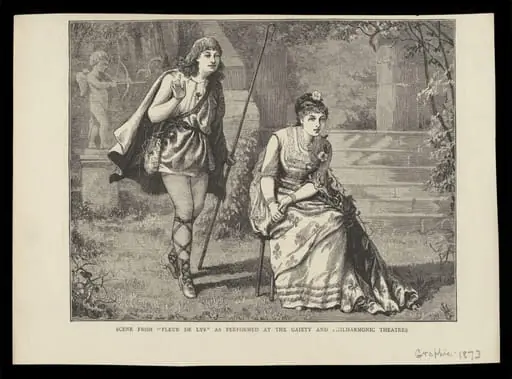 H Beard Print Collection
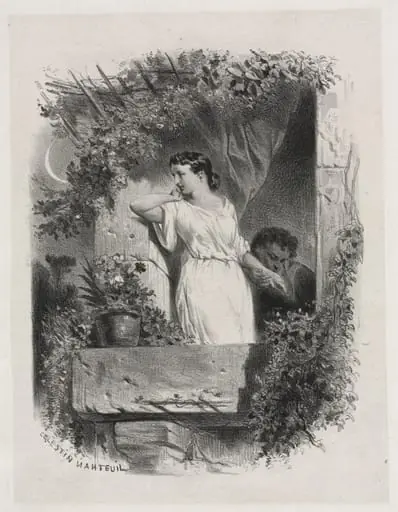 On the Balcony
 Twelfth Night
 Chronicles of France: Scene of the Fronde - The Prince of Condé
 H Beard Print Collection
 H Beard Print Collection
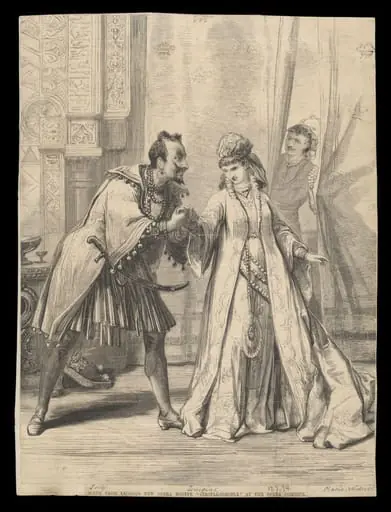 H Beard Print Collection
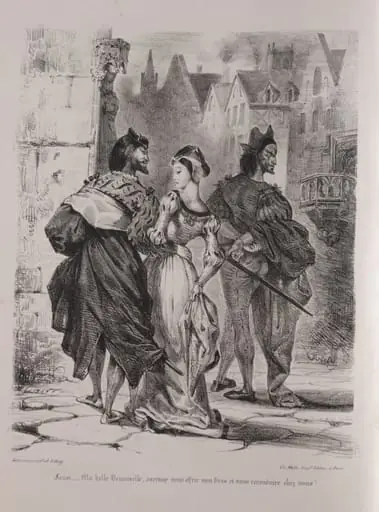 Illustrations for Faust: Faust seeks to allure Marguerite
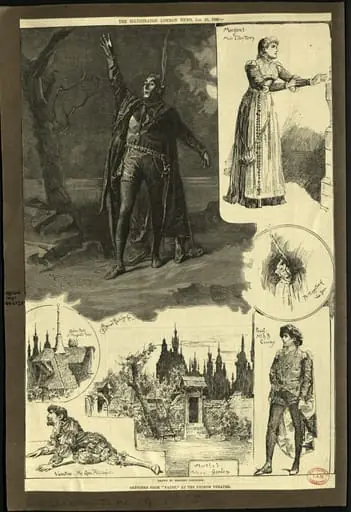 Faust
Faust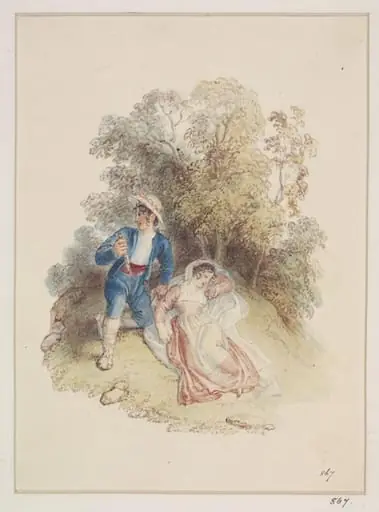 The Young Robber