Artwork
The Badger Imposes a Penance on Reynard
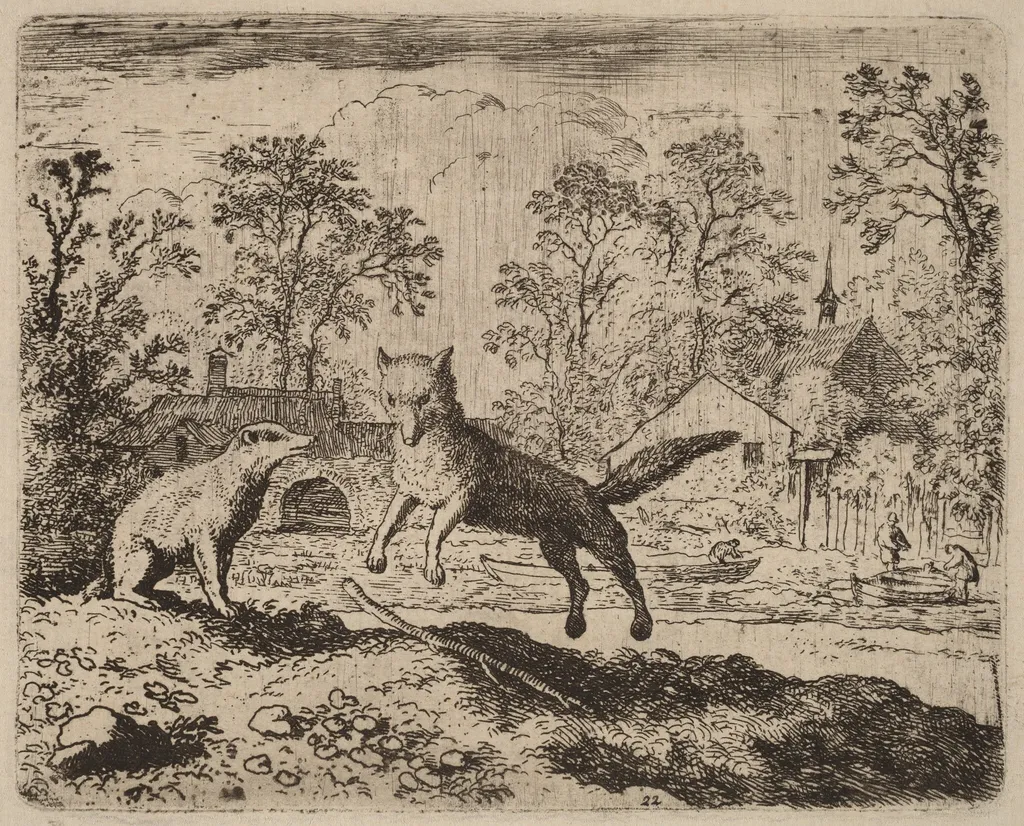
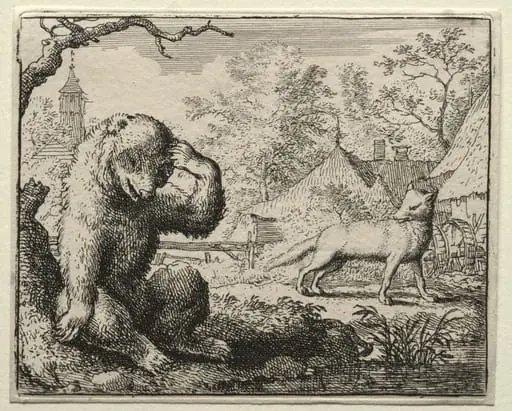
The Badger Imposes a Penance on Reynard is an ink print by the Baroque artist Allart van Everdingen. It dates from 1650 and is held in the collection of the National Gallery of Art.
About this work
Overview
Created around 1650 by Dutch artist Allart van Everdingen, this etching belongs to the Dutch Golden Age’s vibrant print culture.
Created around 1650 by Dutch artist Allart van Everdingen, this etching belongs to the Dutch Golden Age’s vibrant print culture. Van Everdingen, known for his landscape and narrative prints, used etching to capture a moment from the Reynard the Fox tales—a medieval European tradition of animal allegories. The scene presents a formal yet absurd judicial act, rendered with fine linear precision typical of the medium.
Subject & Meaning
The image illustrates a scene from the Reynard fables, in which the badger, dressed in miniature armor, enforces a penance on the trickster fox. Reynard, though defiant in expression, submits to the verdict, while a small mouse observes from the margins. The narrative reflects moral themes common in medieval literature: arrogance punished, order restored through irony, and justice delivered by an unlikely authority.
Technique & Style
Van Everdingen employed etching to achieve delicate, controlled lines that define the figures and textures with clarity. The armor’s metallic sheen, the fox’s fur, and the badger’s rigid posture are rendered through fine cross-hatching and stippling. The composition’s tight framing and exaggerated proportions heighten the scene’s theatricality, blending realism with satirical exaggeration characteristic of Northern European printmaking.
History & Provenance
The print emerged during a period when Dutch artists frequently illustrated folk tales and fables for domestic audiences. Though no early ownership records are widely documented, the work aligns with van Everdingen’s known output of narrative prints circulated in the mid-17th century. It likely served as a standalone image or part of a series, reflecting popular literary culture rather than religious or aristocratic patronage.
Context
In 17th-century Netherlands, animal fables like those of Reynard remained culturally resonant, offering subtle commentary on human behavior through allegory. Printmaking allowed such stories to reach broader audiences beyond manuscript or oral tradition. Van Everdingen’s treatment reflects a broader trend of using humor and visual wit to explore social hierarchies, justice, and the consequences of deceit.
Legacy
The print endures as an example of how Dutch artists adapted folk narratives into visual form, blending moral instruction with dry humor. While not widely reproduced today, it contributes to the understanding of how medieval tales persisted in early modern visual culture. Van Everdingen’s handling of the subject influenced later printmakers interested in satire and anthropomorphic storytelling.
Artist & collection
Artist
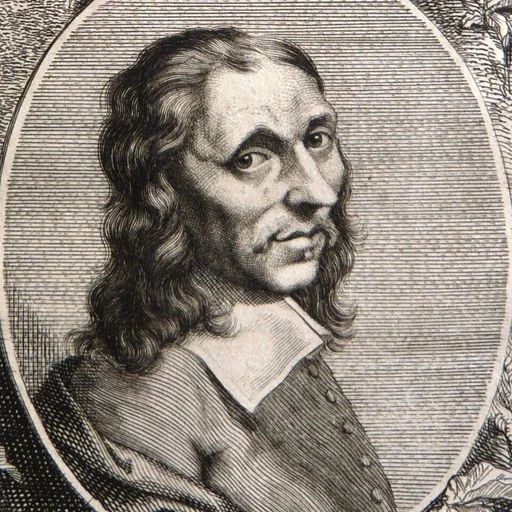
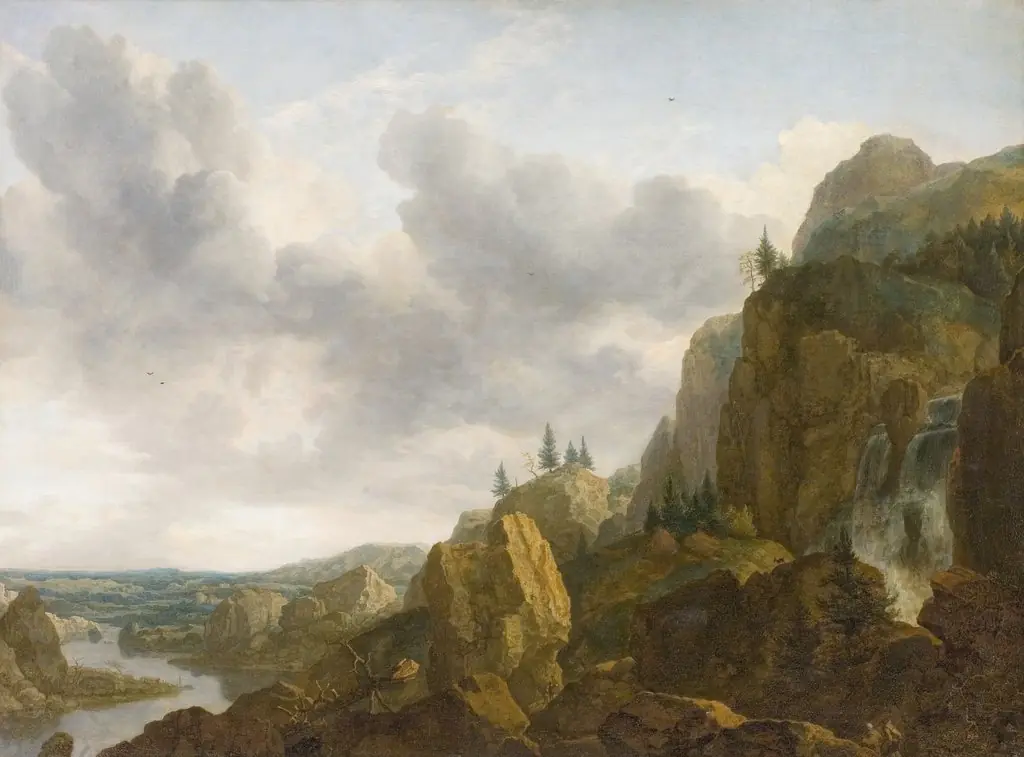
Allaert van Everdingen (Dutch pronunciation: ; bapt. 18 June 1621 – 8 November 1675 (buried)), was a Dutch Golden Age painter and printmaker in etching and mezzotint.


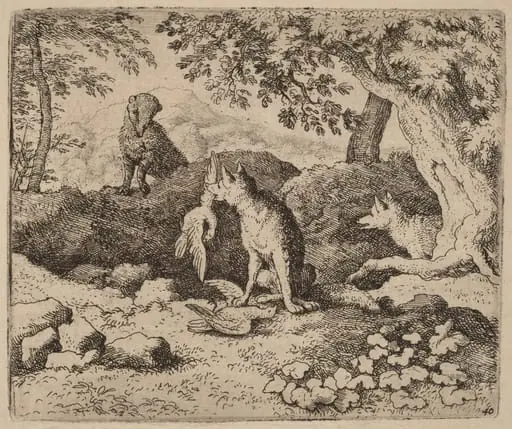 The Badger Goes to Warn Reynard
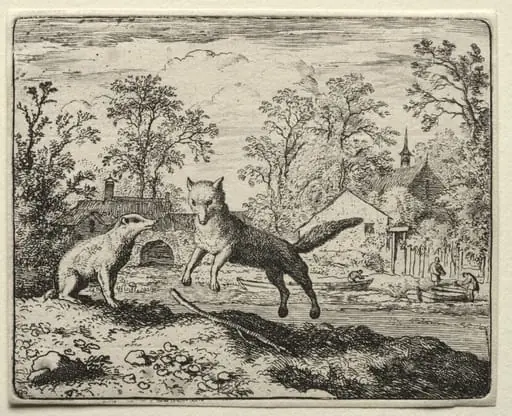 Reynard the Fox: Reynard Doing Penance
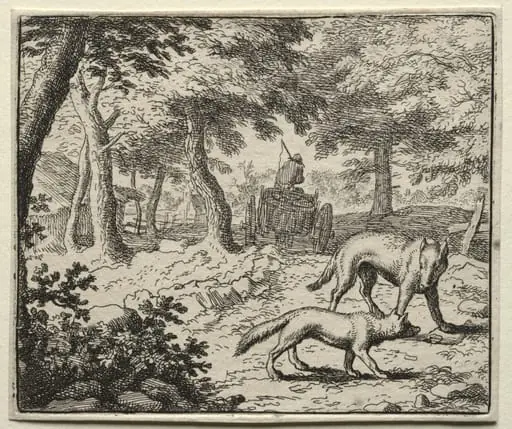 Reynard the Fox: The Badger's Defense of Reynard
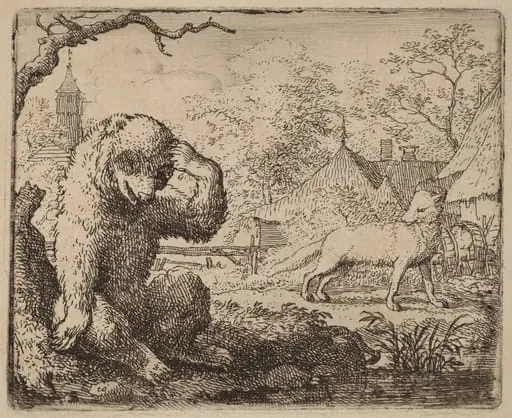 Reynard Mocks the Woeful Bear
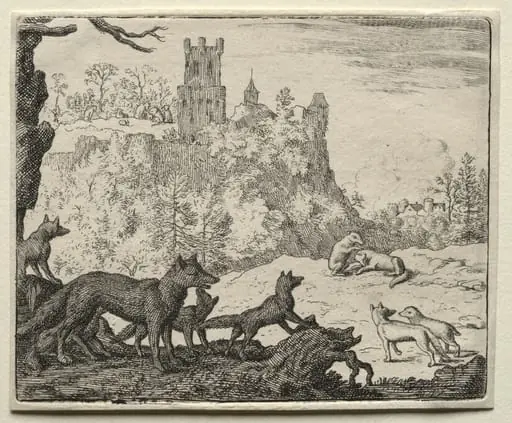 Reynard the Fox: Reynard and the Badger Depart for Court
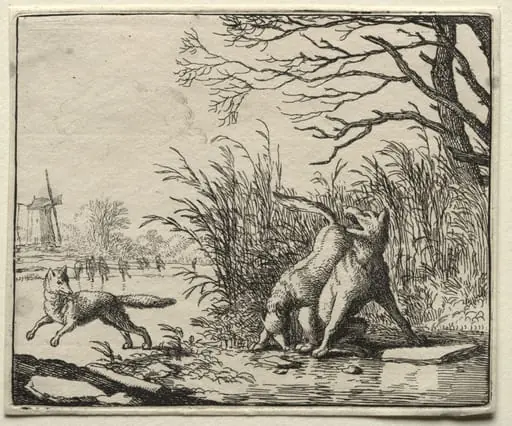 Reynard the Fox: A New Accusation by the Wolf
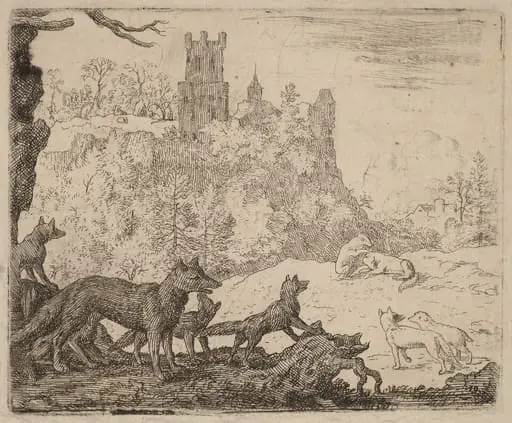 Reynard Departs with the Badger
 Reynard the Fox: Reynard Chides the Injured Bear