Artwork
Roman Aqueduct, Beaunant, France
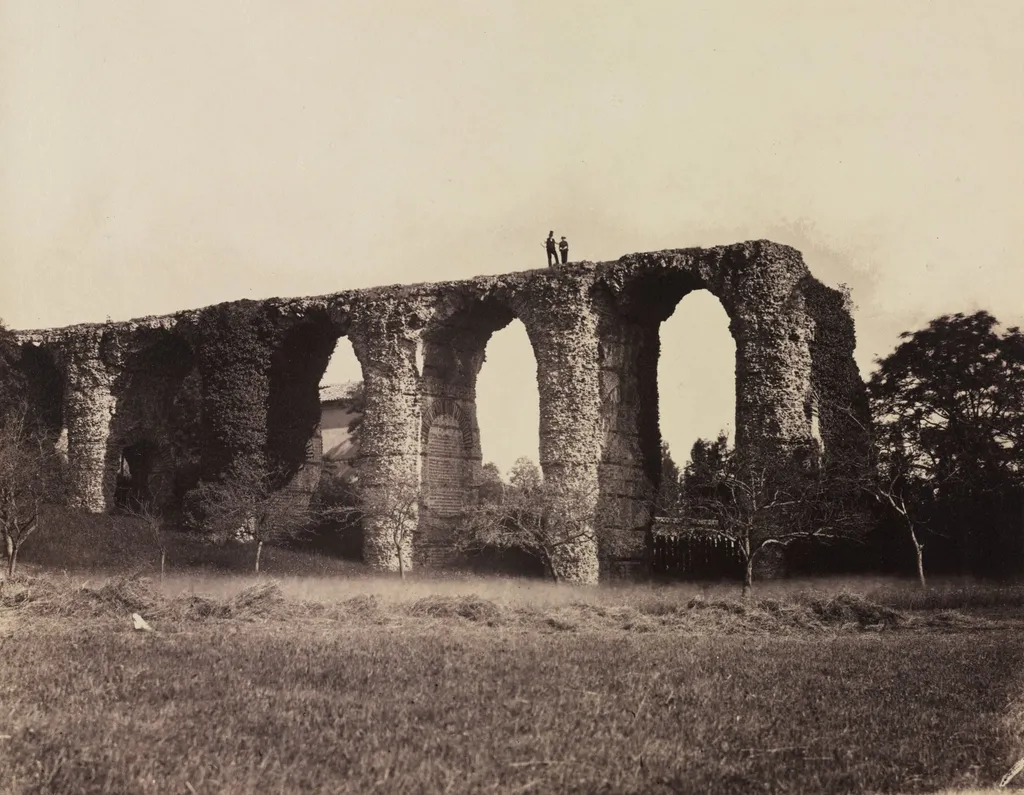
Roman Aqueduct, Beaunant, France is a photography by the Impressionist artist F. Chabrol. It dates from 1857 and is held in the collection of the Cleveland Museum of Art.
About this work
Overview
Roman Aqueduct, Beaunant, France is a photographic work by F. Chabrol, dating to circa 1857, currently part of The Cleveland Museum of Art's collection.
Subject & Meaning
The photograph depicts a weathered, ancient stone aqueduct in a serene, natural setting, conveying a sense of quiet abandonment and integration into the landscape. Two diminutive figures on the structure underscore a human connection with the relic, yet emphasize its overall solitude.
Technique & Style
Soft, pale lighting characterizes the image, evoking a peaceful, almost forgotten atmosphere. The composition, with bare trees and a grassy field, aligns with Realist tendencies to portray everyday scenes and ruins in a subdued, observational manner.
History & Provenance
Created around 1857 by F. Chabrol, the photograph is now housed at The Cleveland Museum of Art, with no detailed provenance provided for its journey to the museum.
Context
The work reflects mid-19th-century Realist photography's focus on capturing the mundane and the passage of time on historical structures, contrasting with more glorified depictions of antiquity.
Legacy
While specific influence or widespread recognition of this piece is not highlighted, it contributes to the broader legacy of Realist photography in documenting everyday life and the natural aging of architectural heritage.
Artist & collection

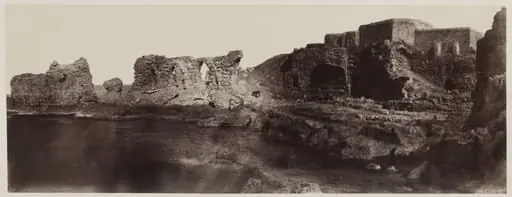 Kaalat el Athlit, Syria, View from the Seaside
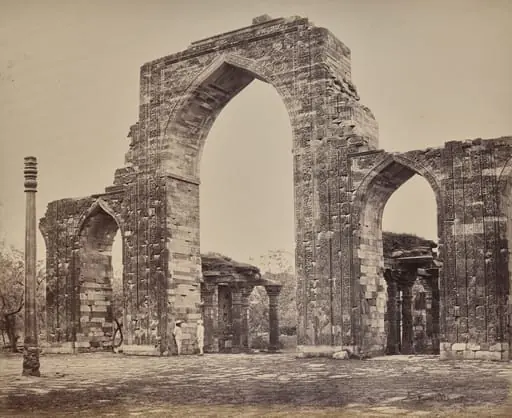 Delhi. Great Arch and Iron Pillar Near the Kootub Minar, Ruin of Old Delhi
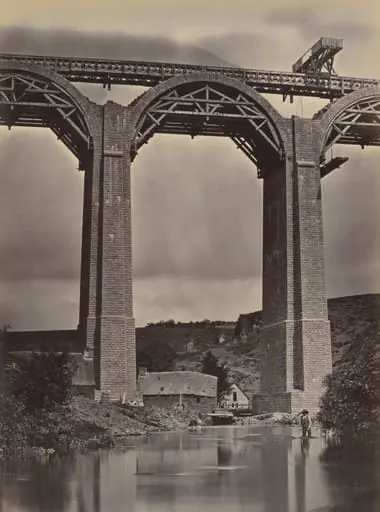 Pont-de-Buis, on the Doufine, France
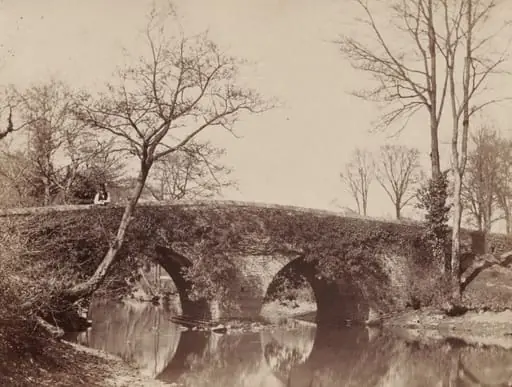 The Country Bridge (Staplylton Bridge, Bristol)
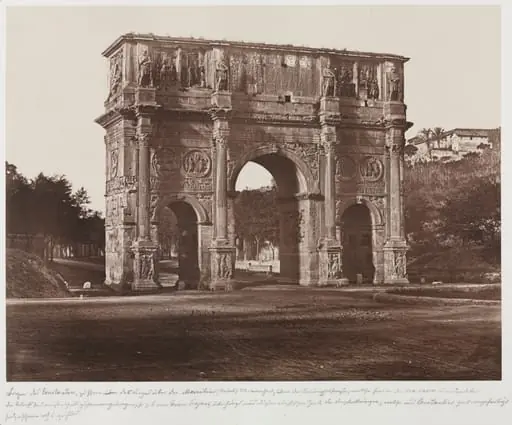 Arch of Constantine, Rome
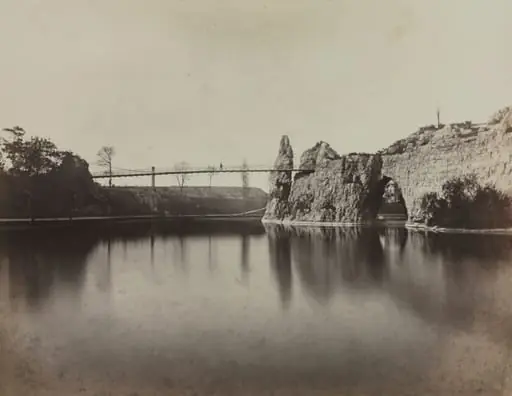 Buttes Chaumont, Paris
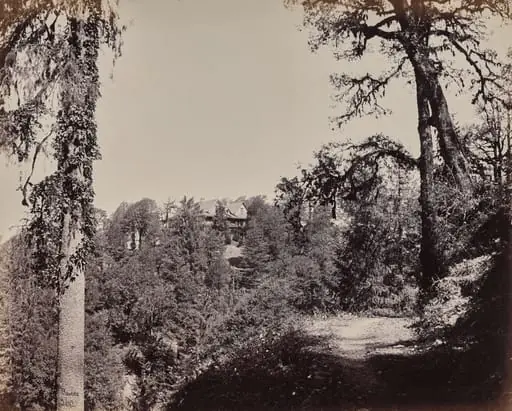 Shimla. Sir Hugh Rose's Bungalow at Mahasso
 Temple of Clitumnus
 Road to Eaux-Chaudes, Pyrenees (recto)
 Civita Castellana and Mount Soracte, 1852
 View of the Small Grotto toward the Deer Pond, Bois de Boulogne
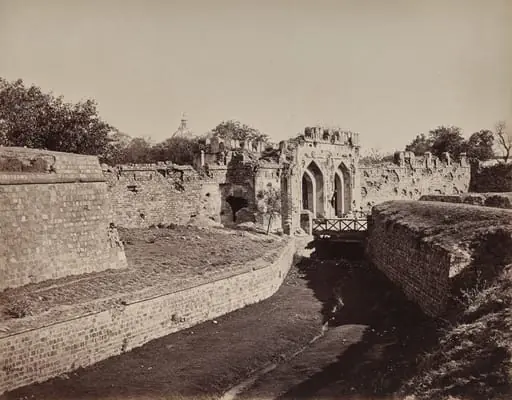 Delhi. The Kashmire Gate. The Scene of Some Very Hard Fighting in 1857