Artwork
Road to Eaux-Chaudes, Pyrenees (recto)
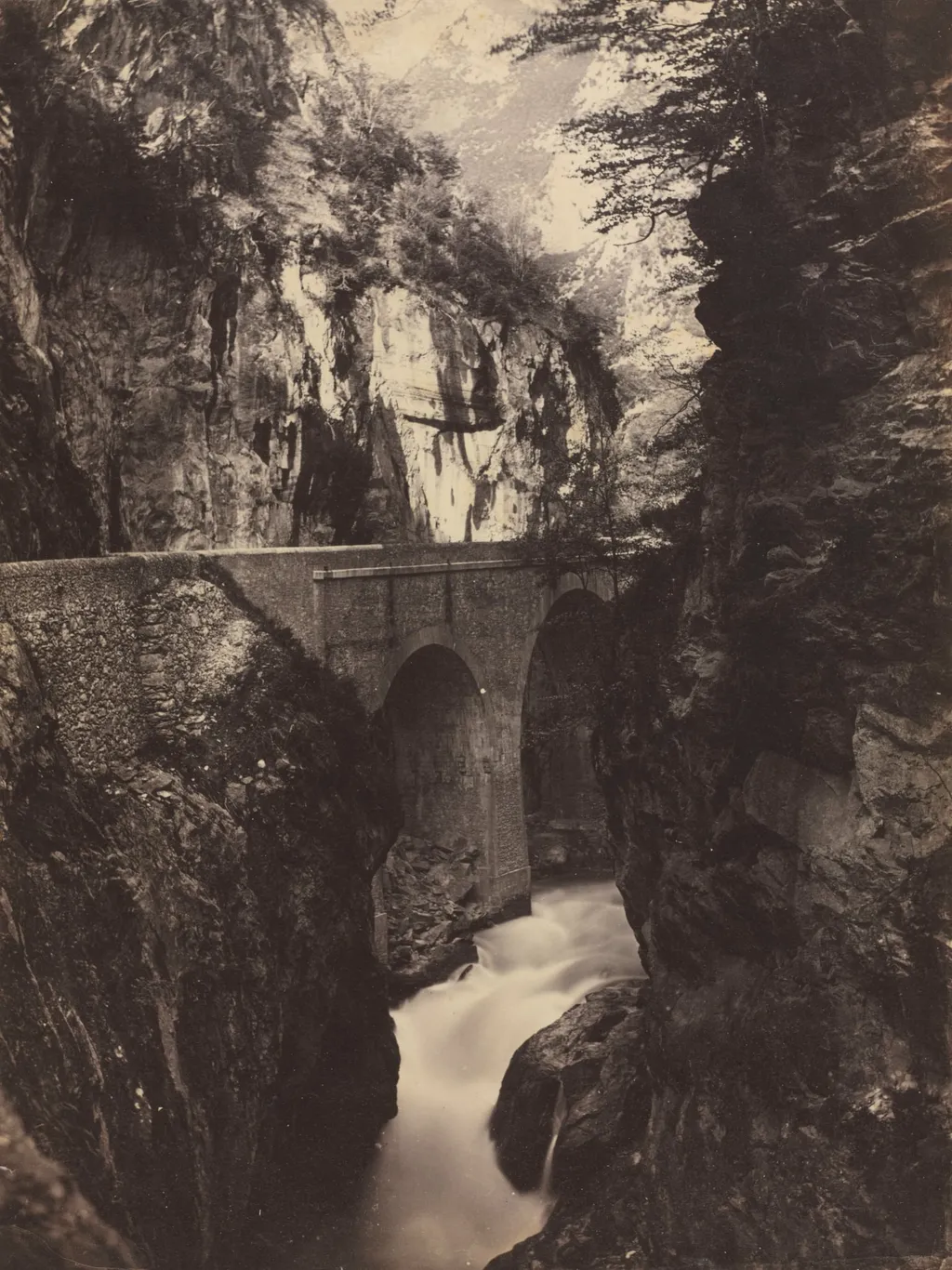
Road to Eaux-Chaudes, Pyrenees (recto) is a photography by the Impressionist artist Farnham Maxwell Lyte. It dates from 1855 and is held in the collection of the Cleveland Museum of Art.
About this work
Overview
Road to Eaux-Chaudes, Pyrenees (recto) is a photograph depicting a mountain road in the Pyrenees.
Subject & Meaning
The image shows a recently constructed road, completed in 1849, that winds through a rocky gorge to the village of Eaux-Chaudes, known for its hot springs. The scene is characterized by a serene atmosphere, with trees and shrubs lining the road and a stream running alongside it.
Technique & Style
The photograph captures the natural beauty of the scene, with a range of tones conveying the textures of the landscape, from the foliage to the rocky terrain and distant mountains.
History & Provenance
The photograph was taken by Farnham Maxwell Lyte, a resident of Pau, a town in the Pyrenees foothills that was a popular destination for British tourists and a hub for photography in 1850s France.
Artist & collection

Artist
Farnham Maxwell-Lyte FRSC was an English chemist and the pioneer of a number of techniques in photographic processing. As a photographer he is known for his views of the French Pyrenees.

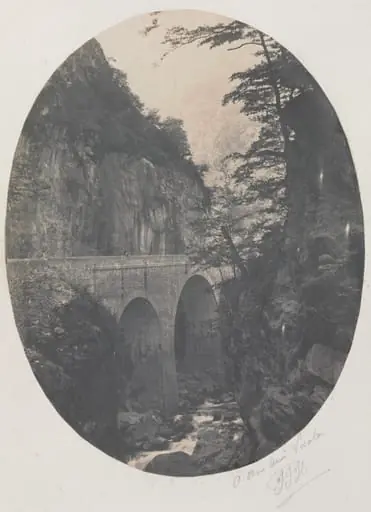 Gorge at Eaux Chaudes, Pyrenees
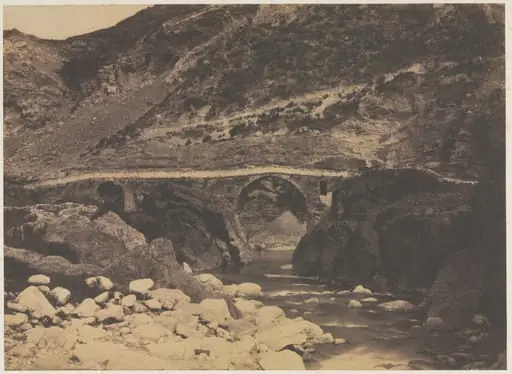 The Bridge of Palalda (near Amelieles-Bains)
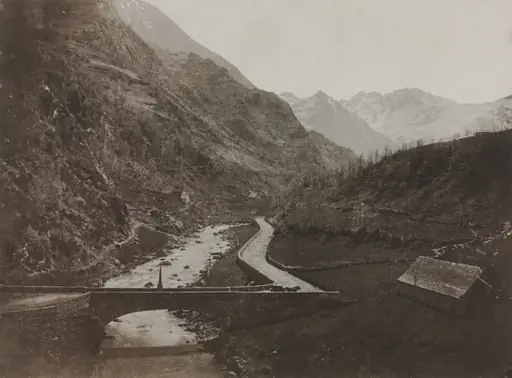 View Along the Route to Luz, Portugal
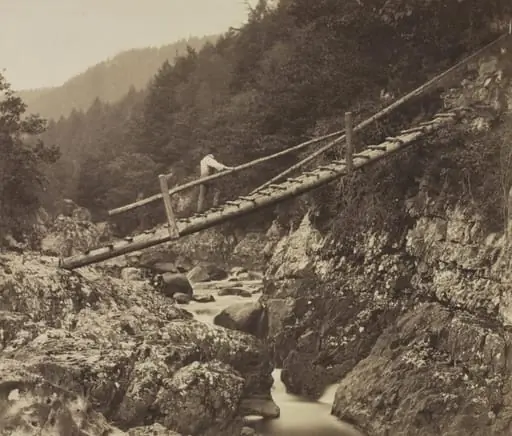 The Miners' Bridge, on the Llugwy, North Wales
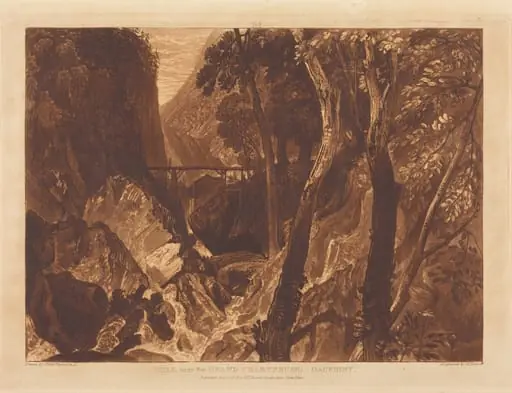 Mill near the Grand Chartreuse
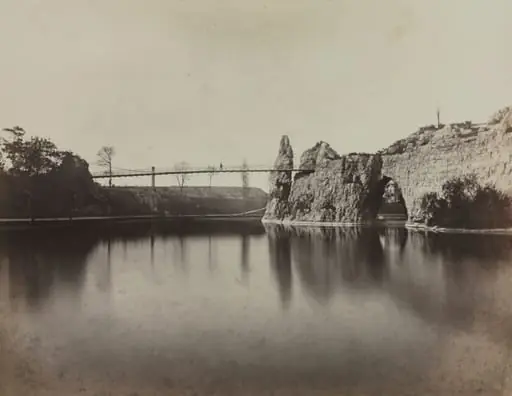 Buttes Chaumont, Paris
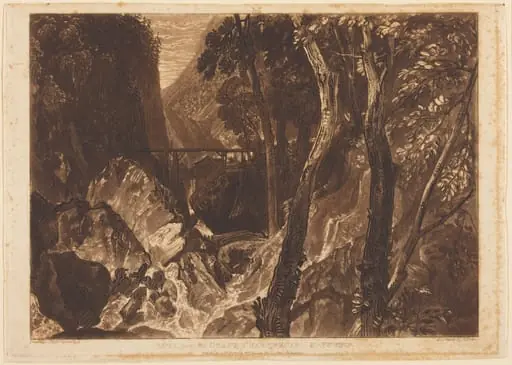 Mill near the Grand Chartreuse
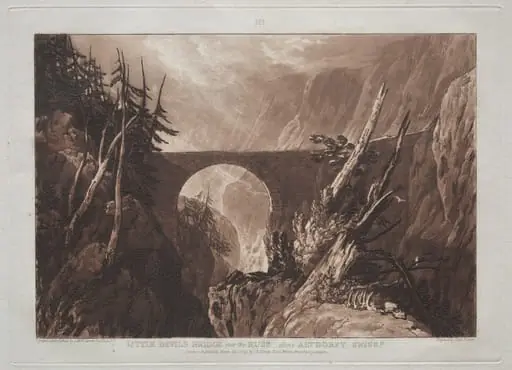 Liber Studiorum: Little Devil's Bridge over the Russ, above Altdorft, Swiss
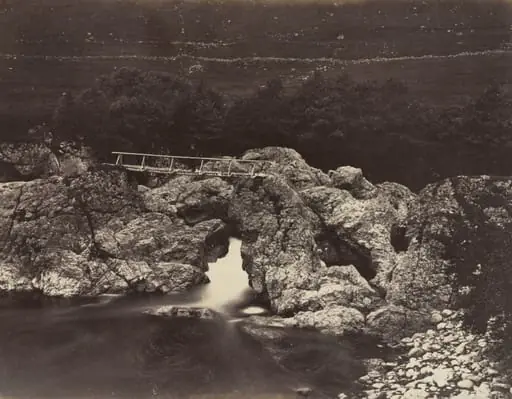 Shepherd's Bridge near Forest Lodge