Artwork
Dinner Service (Rousseau service): Rooster and morning glories (no. 25)
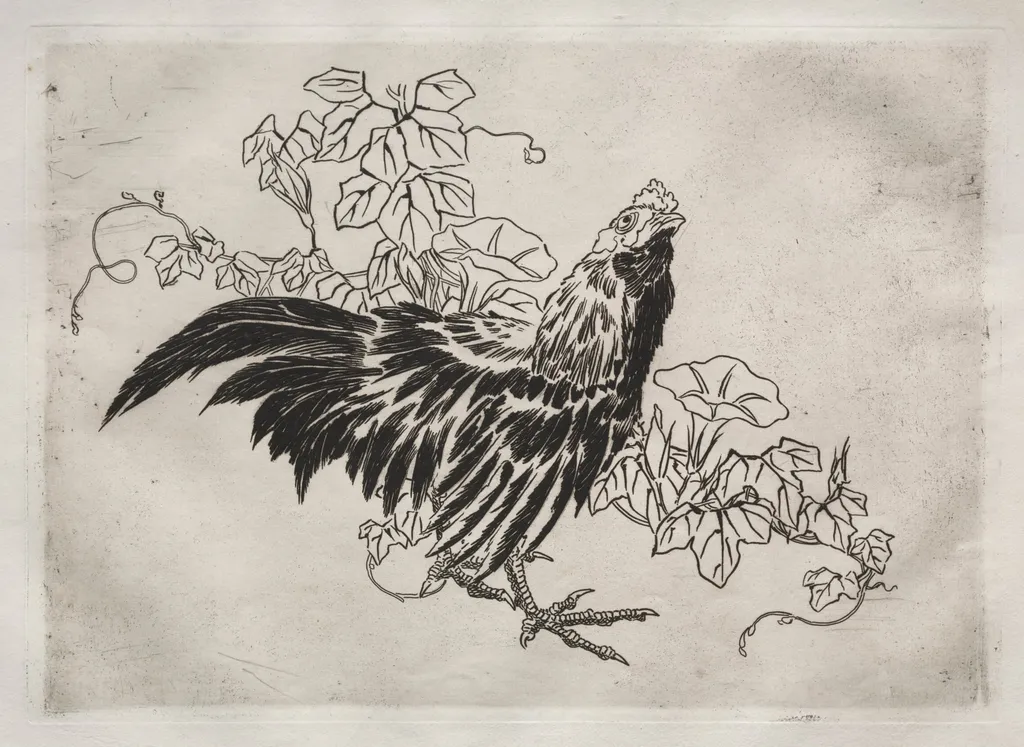
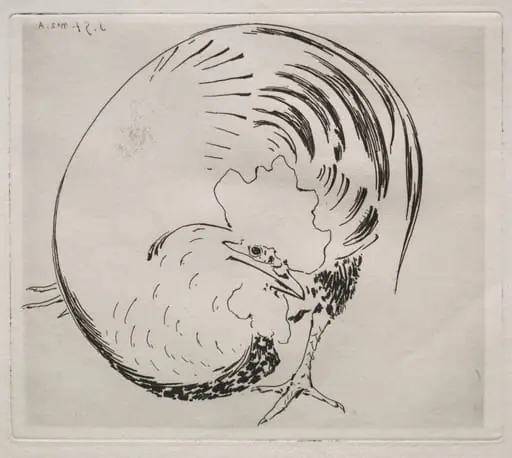
Dinner Service (Rousseau service): Rooster and morning glories (no. 25) is a print by the Impressionist artist Félix Bracquemond. It dates from 1866 and is held in the collection of the Cleveland Museum of Art.
About this work
Overview
The design belongs to a series of twenty-five plates, each featuring a distinct natural motif rendered in delicate, flat patterning.
Félix Bracquemond created this ceramic plate in 1866 as part of a larger dinner service commissioned for a Parisian restaurant. The design belongs to a series of twenty-five plates, each featuring a distinct natural motif rendered in delicate, flat patterning. The work reflects Bracquemond’s interest in integrating art into everyday domestic rituals, transforming dining ware into a canvas for quiet observation of the natural world.
Subject & Meaning
The plate depicts a rooster perched atop lush green grass, with morning glories climbing a slender fence post. The rooster’s vibrant red comb contrasts with the muted blue sky, grounding the scene in a sense of dawn’s quiet energy. Rather than depicting food directly, the image evokes the rhythms of rural life, suggesting a harmony between the meal and the land from which it originates.
Technique & Style
Bracquemond employed a restrained, linear approach influenced by Japanese woodblock prints, favoring clean outlines and minimal shading. Colors are applied in flat, even washes, enhancing the decorative flatness of the composition. The absence of perspective and the emphasis on pattern over realism reflect a deliberate move away from academic traditions toward a more stylized, modern aesthetic.
History & Provenance
The dinner service was commissioned in 1866 for the Parisian restaurant Le Roi de la Bière. Though the full set was likely used briefly, individual plates survived in private collections. The Cleveland Museum of Art acquired this example, one of the few remaining from the original series, preserving it as a rare artifact of 19th-century French decorative arts and culinary culture.
Context
This work emerged during a period when European artists were increasingly drawn to Japanese aesthetics, particularly in ceramics and printmaking. Bracquemond’s service aligned with broader efforts to elevate craft to fine art status, challenging the hierarchy between utility and ornament. It also responded to growing urban interest in pastoral imagery as a counterpoint to industrial life.
Legacy
Bracquemond’s dinner service influenced later Art Nouveau designers through its integration of nature and functional form. Though the restaurant’s use of the plates was short-lived, the series became a touchstone for those seeking to merge artistic expression with everyday objects. Today, surviving examples are studied for their role in redefining the boundaries of decorative art in the modern era.
Artist & collection

Artist
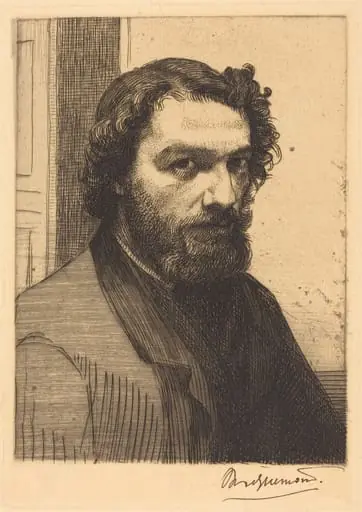
Félix Henri Bracquemond (French pronunciation: ; 22 May 1833 – 29 October 1914) was a French painter, etcher, and printmaker.

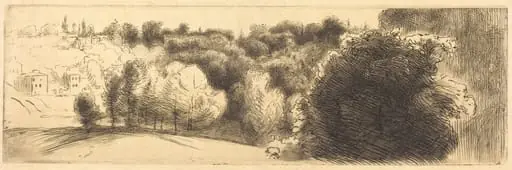
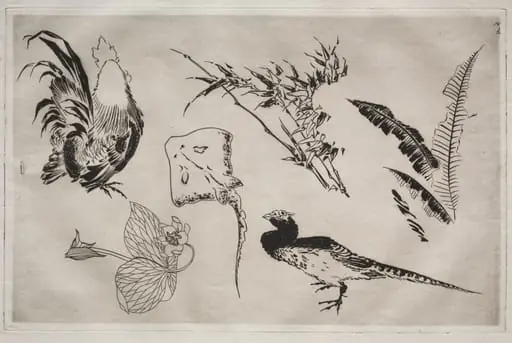 Dinner Service (Rousseau service): Roosters, skate, plants, etc. (no. 9)
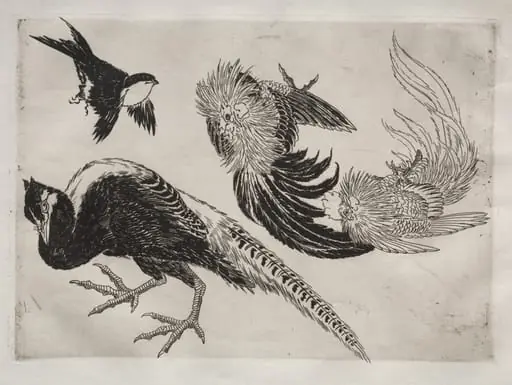 Dinner Service (Rousseau service): Pheasants and bird (no. 18)
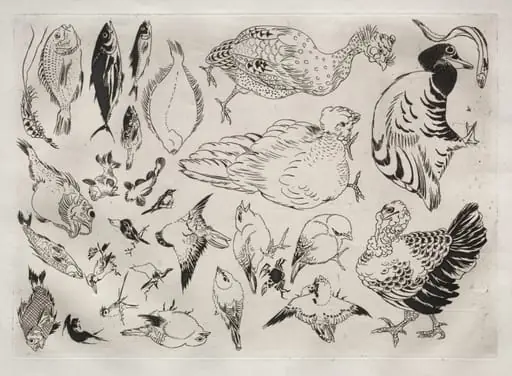 Dinner Service (Rousseau service): Ducks, fish, etc. (no. 12)
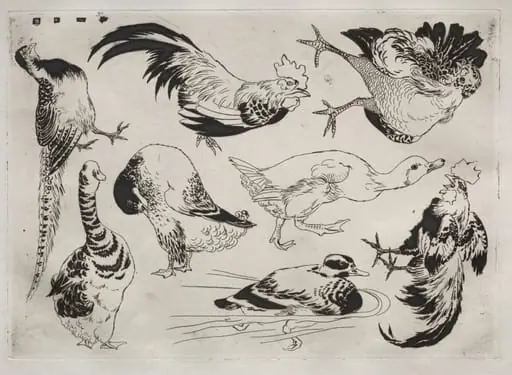 Dinner Service (Rousseau service): Roosters, ducks, etc. (no. 13)
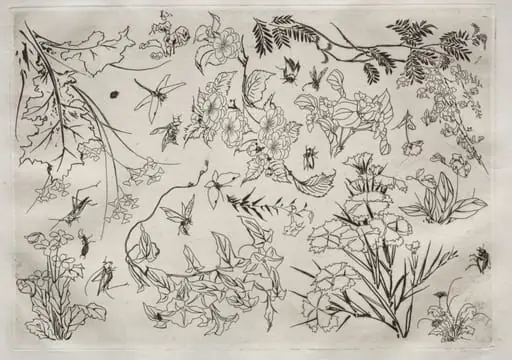 Dinner Service (Rousseau service): Flowers (no. 22)
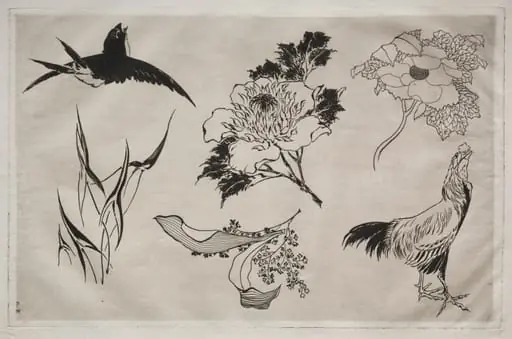 Dinner Service (Rousseau service): Swallow, Rooster and Flowers (no. 8)
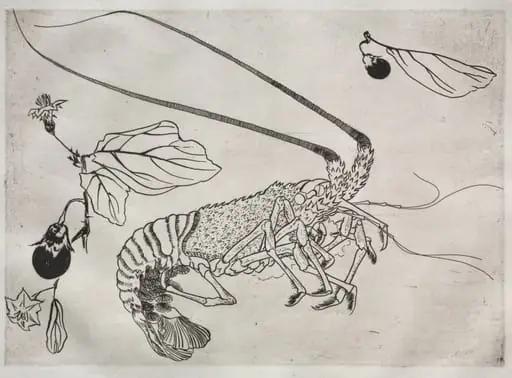 Dinner Service (Rousseau service): Large lobster with raised antenna (no. 21)
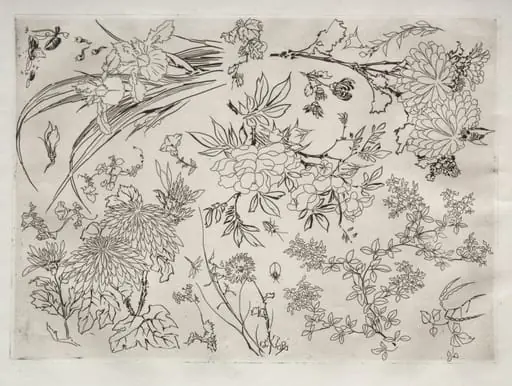 Dinner Service (Rousseau service): Flowers (no. 23)
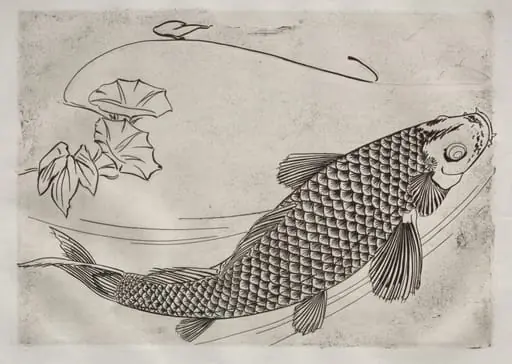 Dinner Service (Rousseau service): Large fish in a Japanese style (no. 19)
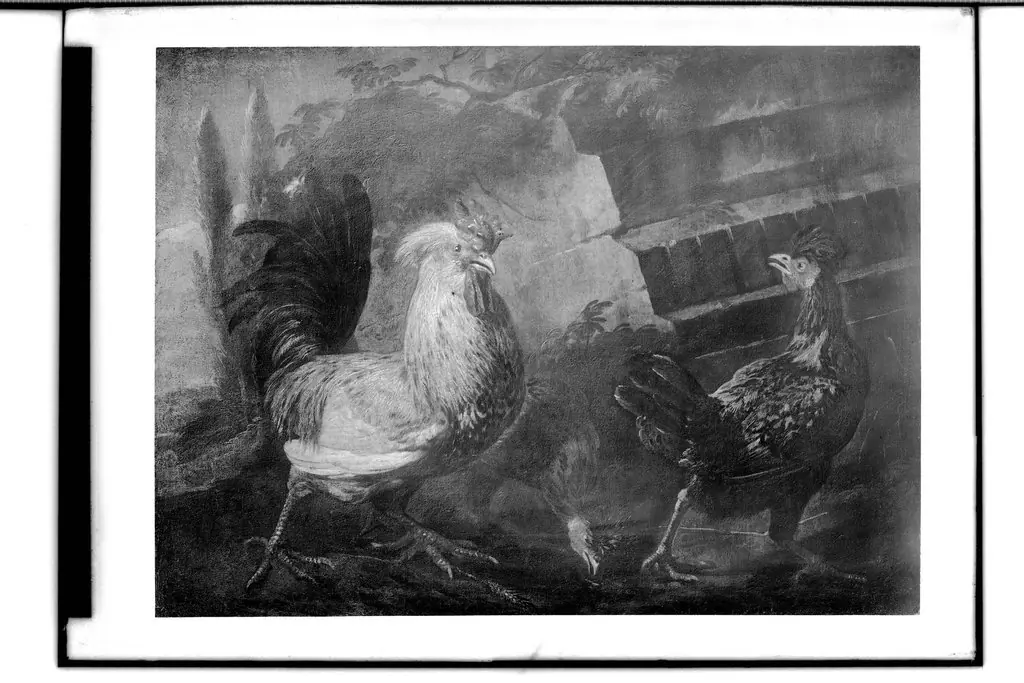 Rooster and hens
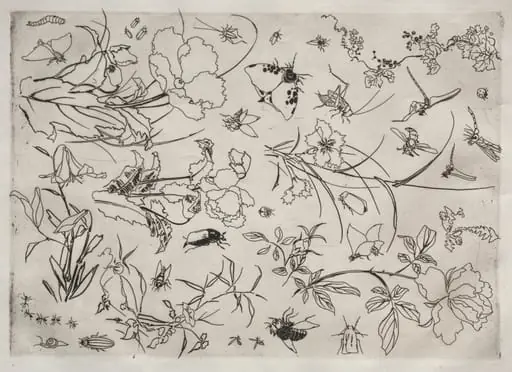 Dinner Service (Rousseau service): Flowers and Insects (no. 15)
 The High-Fired Service: Rooster