Artwork
General View of Monuments Carved into Bedrock with Photographer's Dahabieh. Abu Simbel
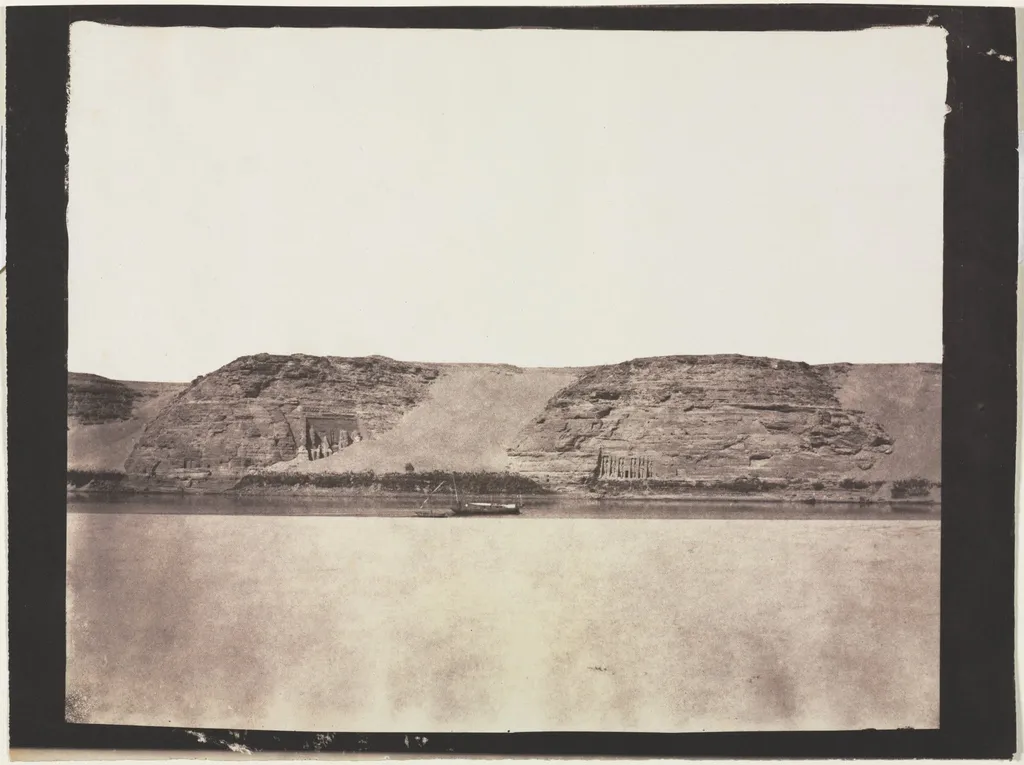
General View of Monuments Carved into Bedrock with Photographer's Dahabieh. Abu Simbel is a photography by the Impressionist artist Félix Teynard. It dates from 1852 and is held in the collection of the Cleveland Museum of Art. This early photograph captures an ancient Egyptian rock‑cut temple with the Nile flowing before it.
About this work
This photo shows an old Egyptian temple carved into rock. A small boat floats in the river out front. The photographer stands on its deck.
Teynard wasn’t a professional photographer. He was an engineer who took photos to study ancient sites. He traveled in a dahabieh, a slow boat built for the Nile.
Look up Félix Teynard (French, 1817–1892) to see more of his Egypt photos.
Overview
This early photograph captures an ancient Egyptian rock‑cut temple with the Nile flowing before it. A modest dahabieh—a narrow passenger boat—drifts in the foreground, its deck occupied by the photographer who documented the scene during a mid‑19th‑century expedition.
Subject & Meaning
The image records the monumental architecture of a temple hewn directly from bedrock, illustrating the scale and permanence of Pharaonic construction. By placing the small vessel in the composition, the photographer emphasizes the juxtaposition of modern travel and timeless antiquity.
Technique & Style
Created as a salted‑paper print, the photograph reflects the labor‑intensive processes of the era, requiring chemical preparation and exposure on a portable darkroom. The composition balances foreground detail—the boat and its deck—with the distant, weathered stone façade.
History & Provenance
Félix Teynard, a French civil engineer born in 1817, undertook his Egyptian tour in 1851–52, during which he likely acquired his photographic skills. He published the resulting collection in 1858, presenting the most extensive visual record of ancient sites available at that time.
Context
Teynard’s work emerged when European scholars were intensifying their study of Egypt’s monuments. Traveling by dahabieh, he faced the challenges of a mobile studio on a rocking boat or a desert tent, conditions he later described as “provisional” and demanding.
Legacy
Although not a professional photographer, Teynard’s images contributed valuable documentation for archaeological research and remain a reference for the visual history of Egyptian monuments in the pre‑photographic‑era of fieldwork.
Artist & collection

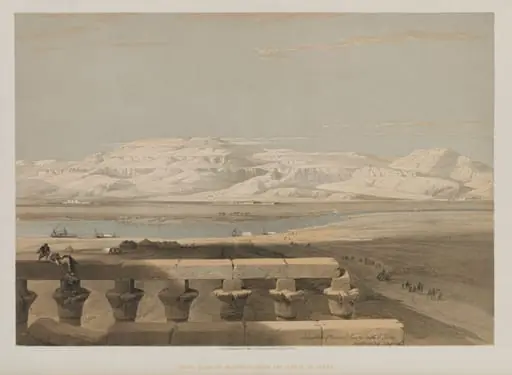 Egypt and Nubia, Volume I: Libyan Chain of Mountains, from the Temple of Luxor
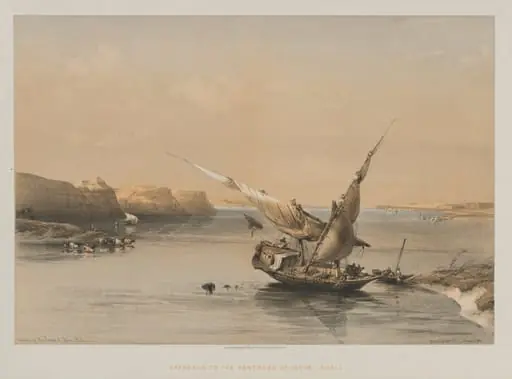 Egypt and Nubia, Volume II: Approach to the Fortress of Ibrim, Nubia
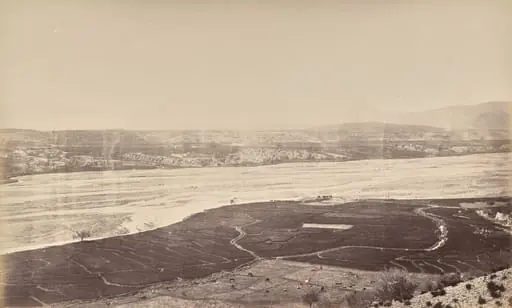 Chinak, Looking Towards the Kurram River
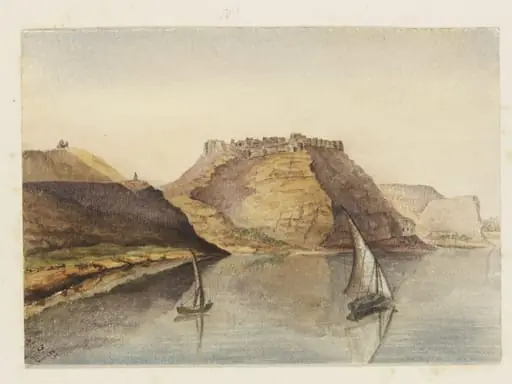 `Castle of Ibreem or Premnis, Nubia. Taken from our Boat'
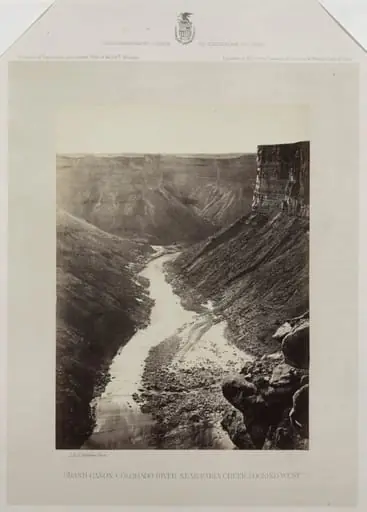 Grand Cañon, Colorado River, Mouth of Kanab Wash, Looking West
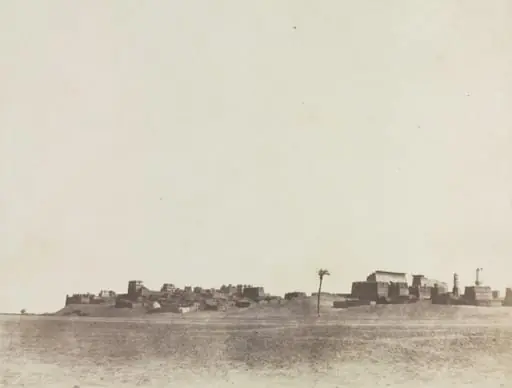 View of Luxor
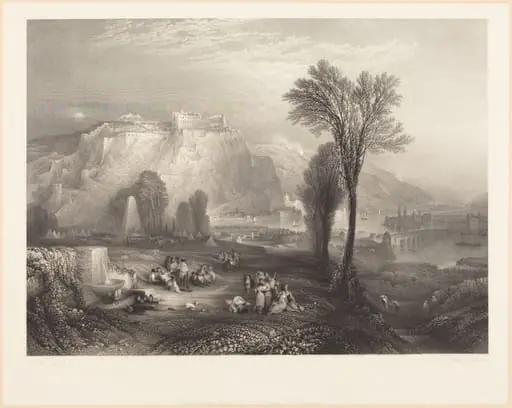 Ehrenbreitstein
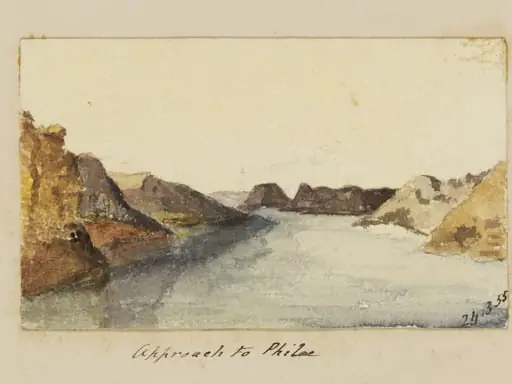 `Approach to Philae'
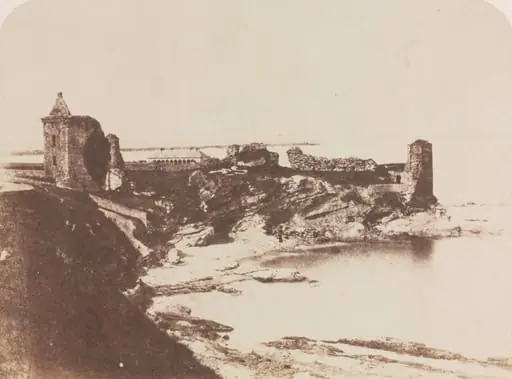 St. Andrews Castle, from the Southeast