Artwork
Miss Fenton
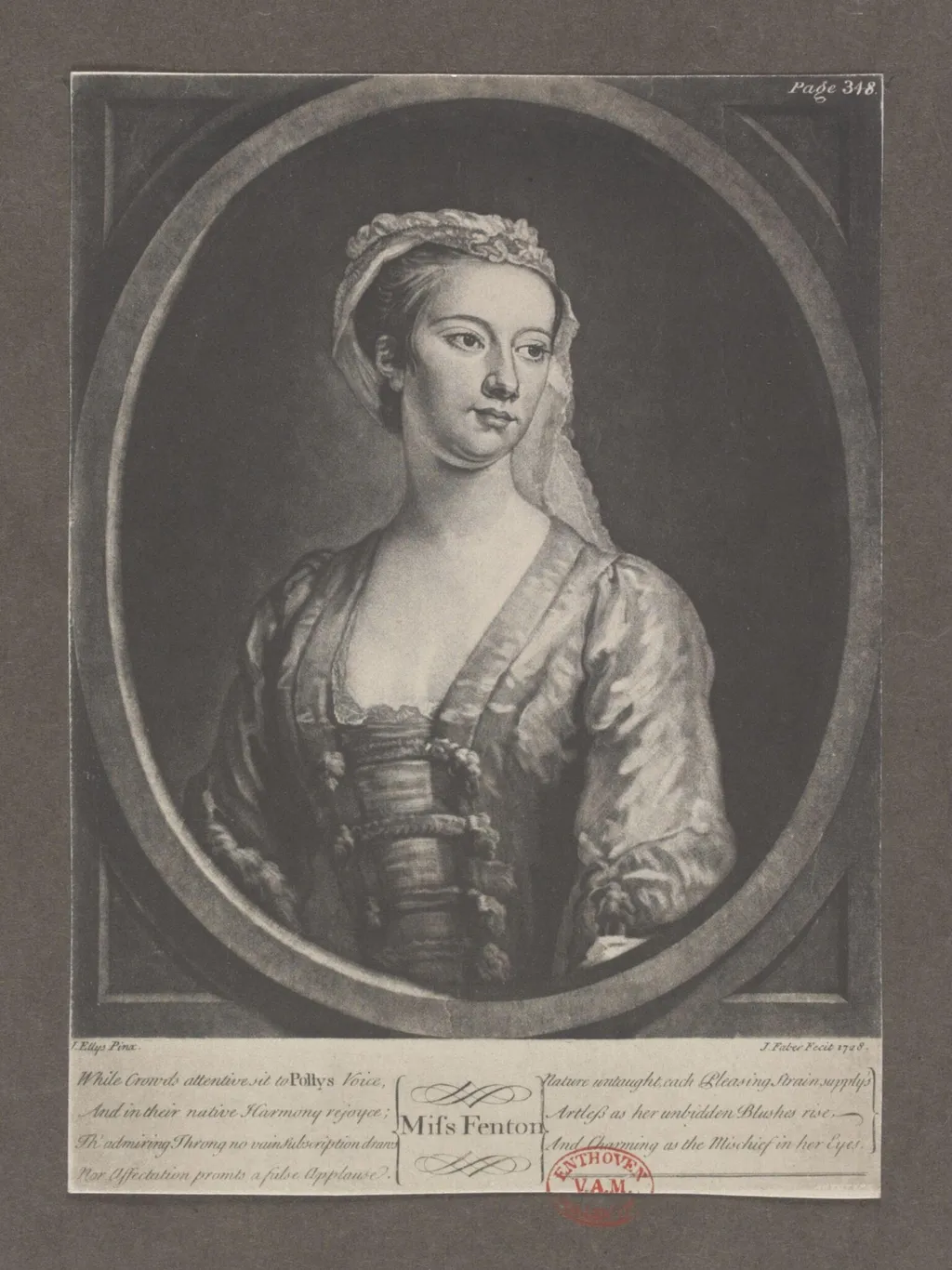
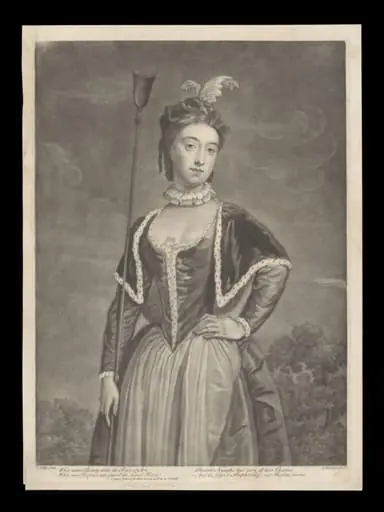
Miss Fenton is a print by the Baroque artist John Faber. It dates from 1728 and is held in the collection of the Victoria and Albert Museum. A 1728 print depicts Lavinia Fenton, an English actress of the early 18th century.
About this work
Overview
A 1728 print depicts Lavinia Fenton, an English actress of the early 18th century. The image was produced by the engraver Faber, working from a painted portrait by artist Ellys. As a reproductive print, it served to circulate her likeness beyond the confines of the theater and private collections, reflecting the growing demand for celebrity imagery in Georgian England.
Subject & Meaning
Lavinia Fenton was renowned for her role as Polly in The Beggar’s Opera, a performance that made her a public figure. The portrait captures her in a poised, theatrical manner, aligning her image with the cultural resonance of the play. The print transformed her from a stage performer into a recognizable public persona, bridging entertainment and visual culture.
Technique & Style
The print employs fine line engraving to render Fenton’s features with delicate precision. The composition follows the conventions of formal portraiture, emphasizing elegance and composure. Subtle tonal gradations suggest fabric texture and soft lighting, characteristic of reproductive prints intended for domestic display rather than theatrical promotion.
History & Provenance
Created shortly after the success of The Beggar’s Opera, the print was likely produced to meet public interest in Fenton’s image. It was distributed through print sellers in London, common for actors of her stature. The collaboration between Ellys and Faber reflects the established network of artists and engravers who translated painted portraits into widely accessible images.
Context
In the 1720s, the rise of popular theater and print culture intersected to elevate performers into cultural icons. Fenton’s portrait, like others of her contemporaries, was part of a broader trend where actors became subjects of visual reproduction. This shift signaled changing attitudes toward celebrity and the commercialization of public image in urban society.
Legacy
The print preserves one of the earliest visual records of a female stage performer whose fame extended beyond the theater. While Fenton later married into nobility, this image anchors her public identity in the moment of her theatrical peak. It remains a document of how performance and print converged to shape early modern celebrity.
Artist & collection
Artist
John Faber made small, finely detailed prints of people in the early 1700s. His engravings capture sitters like Miss Fenton in crisp lines and subtle shading. These portraits belong to the same era as Hogarth’s moral…

 H Beard Print Collection
 H Beard Print Collection
 Peg Woffington
 Mme. XXX en Flore
 H Beard Print Collection
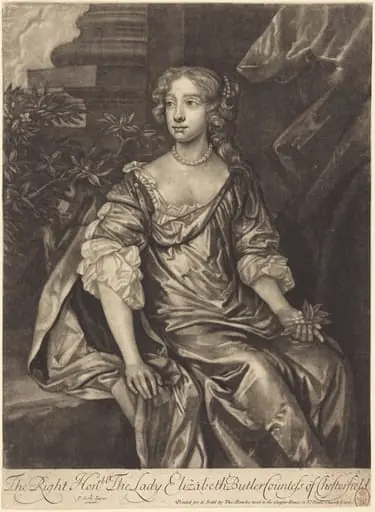 The Right Honorable Lady Elizabeth Butler, Countess of Chesterfield
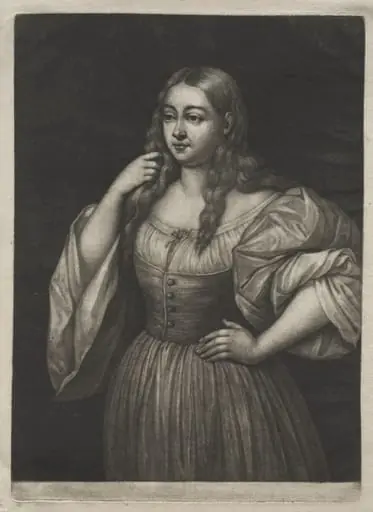 Italian Girl
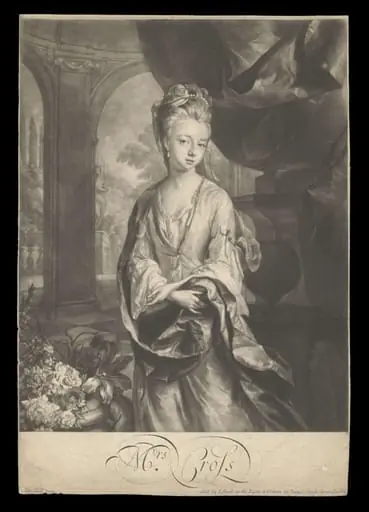 H Beard Print Collection
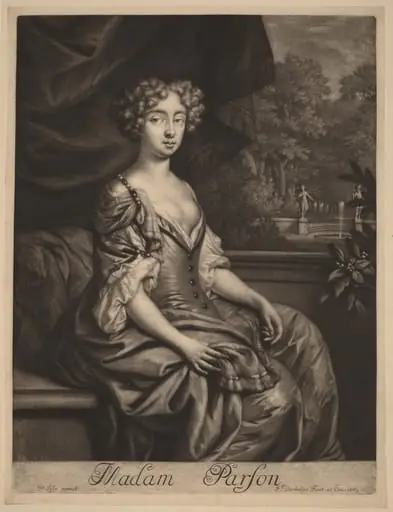 Madam Parson
 H Beard Print Collection
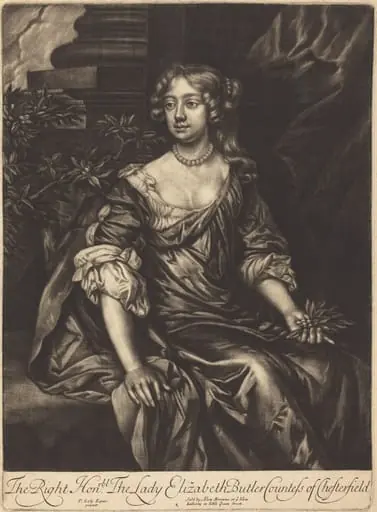 The Right Honorable Lady Elizabeth Butler, Countess of Chesterfield
 H Beard Print Collection