Artwork
Dragon; Tiger
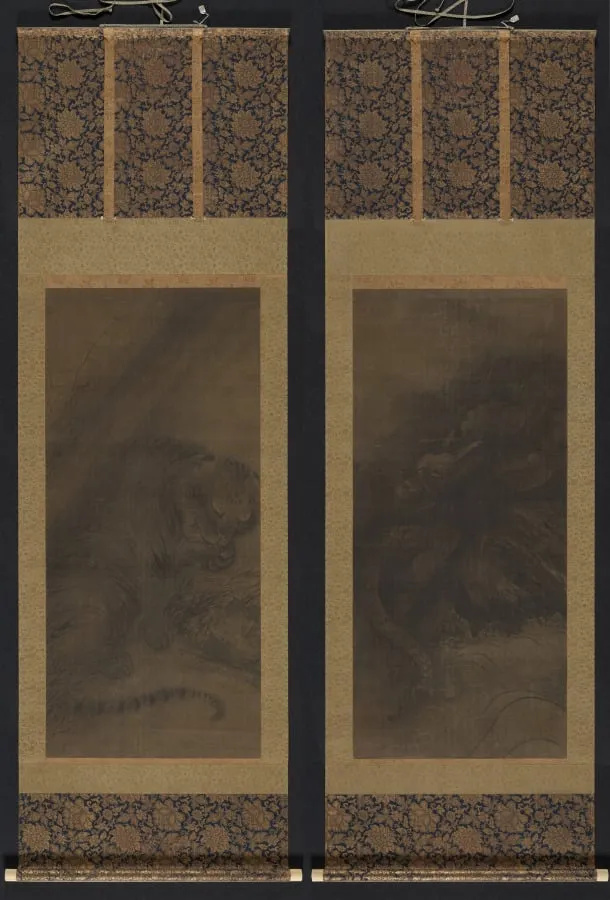
Dragon; Tiger is an unspecified painting by the Ming dynasty painting artist Fachang Muqi. It dates from 1262 and is held in the collection of the Cleveland Museum of Art.
About this work
Look up more works from china, southern song dynasty (1127-1279) to see how artists used empty space like a breath.
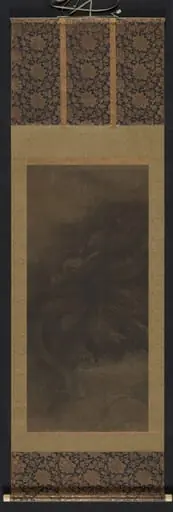
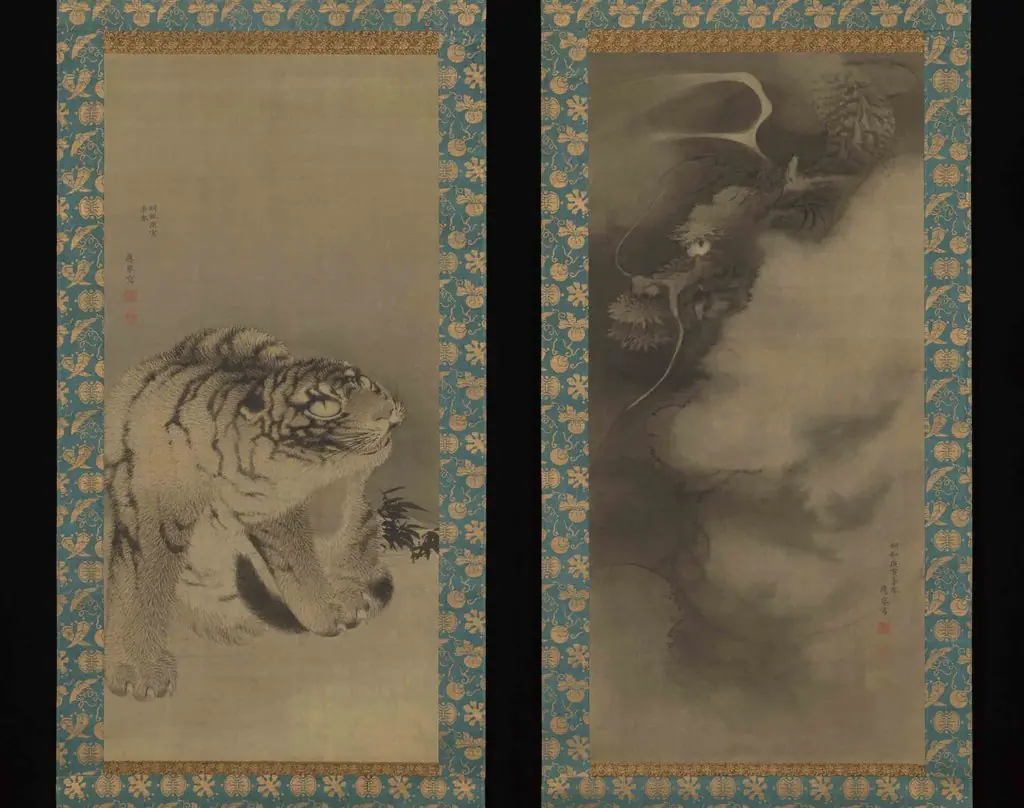
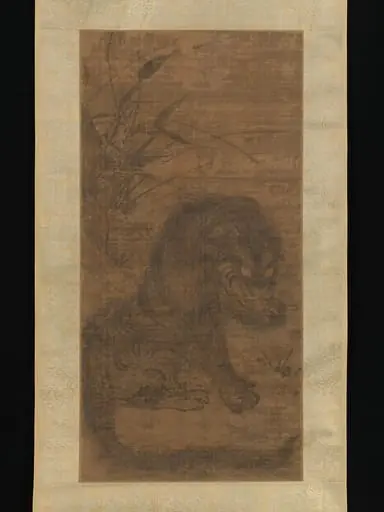
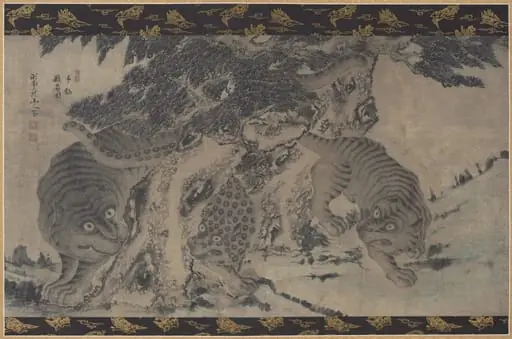
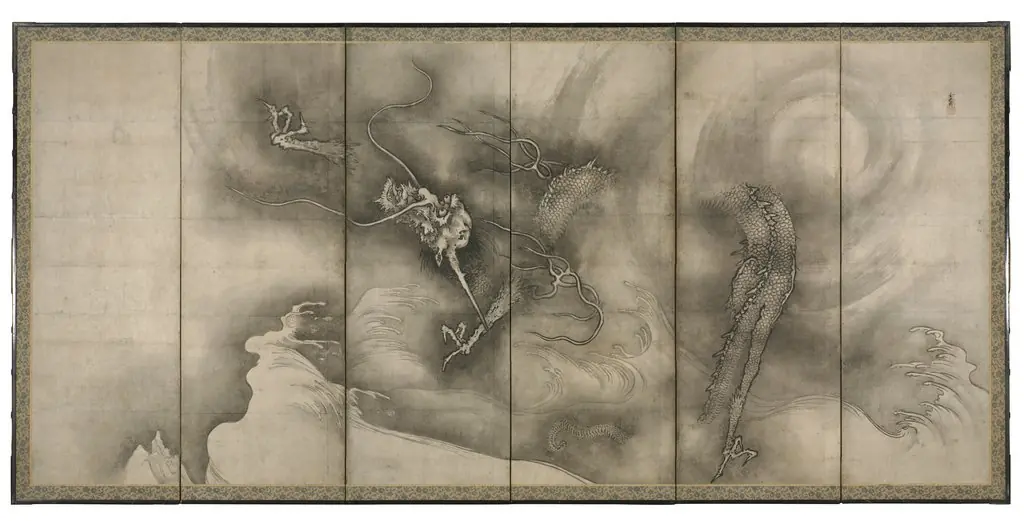
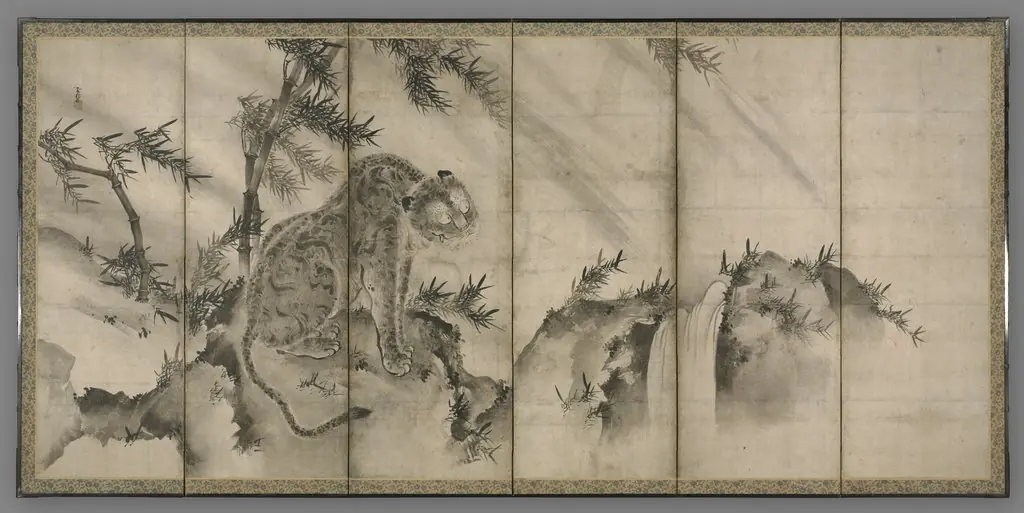
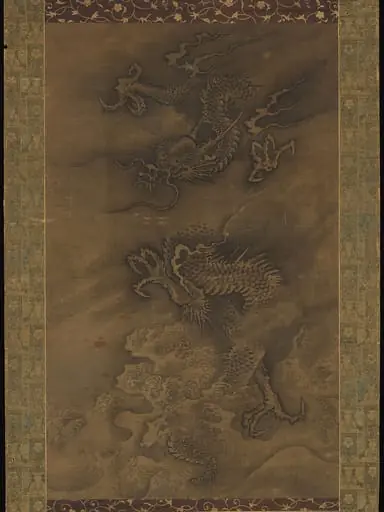
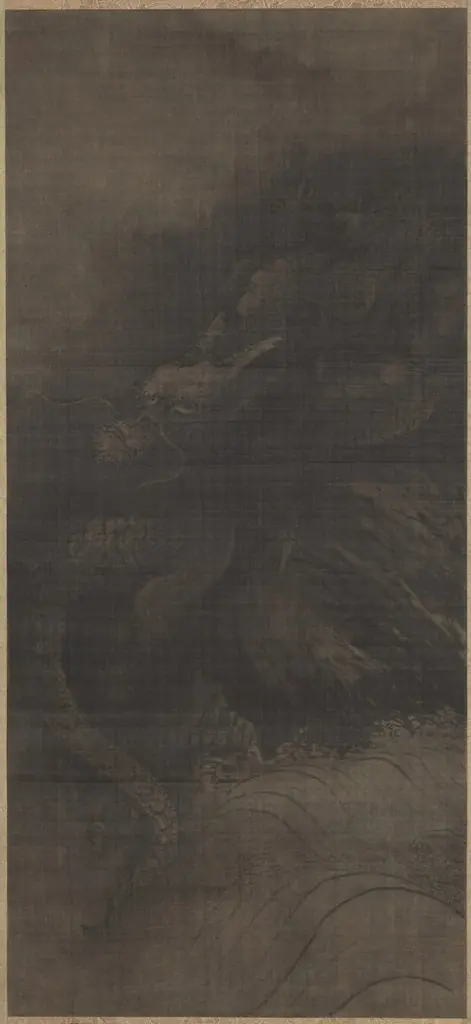
You see a dragon twisting through stormy waves and a tiger licking its paw on a rocky ledge.
These two scrolls were meant to hang side-by-side in a quiet temple hall. The dragon and tiger stand for opposite forces—sky and earth, energy and stillness—that balance each other. The ink is so thin in places it looks like mist.
Look up more works from china, southern song dynasty (1127-1279) to see how artists used empty space like a breath.
Overview
These paired silk scrolls, painted in the Southern Song period, present a dragon winding through storm‑tossed waves and a tiger perched on a rocky ledge, licking its paw. The compositions were intended to be displayed together in a temple hall, each occupying a vertical panel that balances the other through contrasting forms and movement.
Subject & Meaning
The dragon and tiger embody the yin‑yang principle, representing complementary opposites such as sky versus earth, active energy against tranquil strength. In Chan Buddhist settings the pair would have framed a central deity, often the Bodhisattva Guanyin, reinforcing the notion of harmonious balance within the spiritual space.
Technique & Style
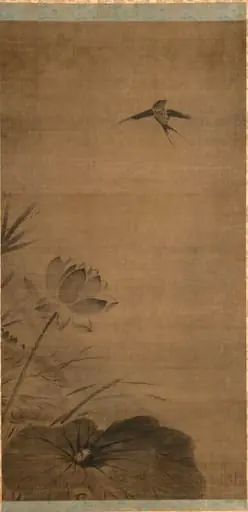
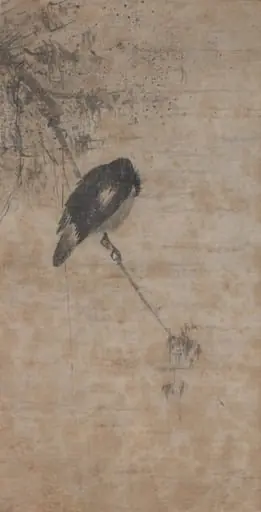
Executed on silk with ink washes, the artist renders the dragon’s sinuous body in thin, almost translucent strokes that suggest mist and water, while the tiger is depicted with bold, rounded brushwork that emphasizes its muscular bulk. The subtle use of empty space creates a sense of breath and movement characteristic of Southern Song aesthetics.
Context
Created between 1127 and 1279, the scrolls reflect the Southern Song court’s interest in integrating Buddhist symbolism with native cosmological ideas. They were likely commissioned for a quiet monastic hall, where they would have hung flanking a central image, serving both decorative and didactic functions.
Artist & collection