Artwork
Willow and Magpie
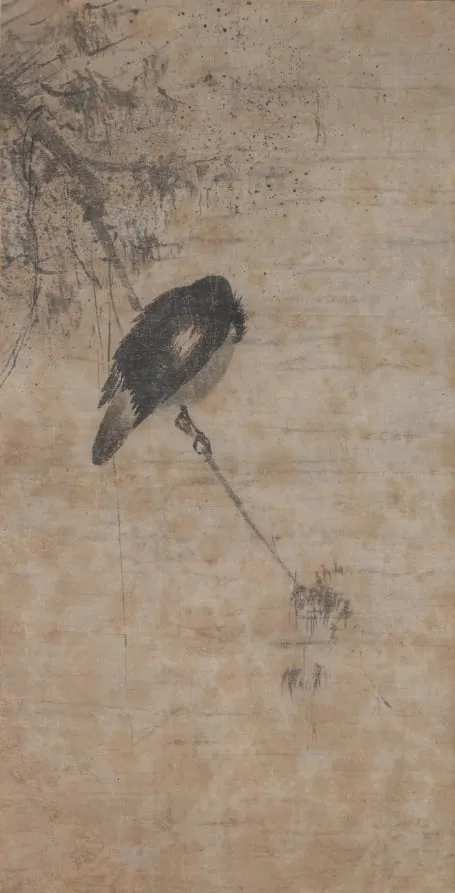
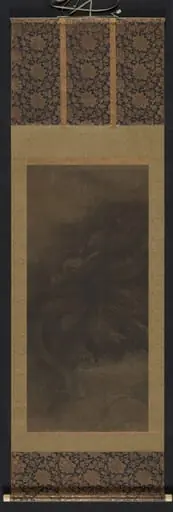
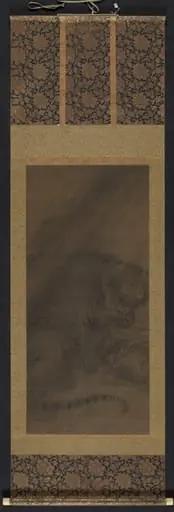
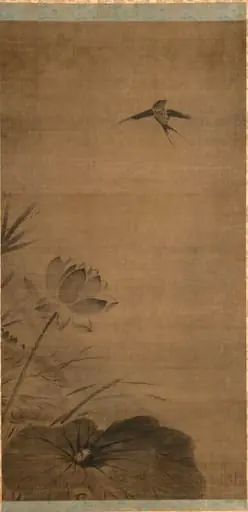
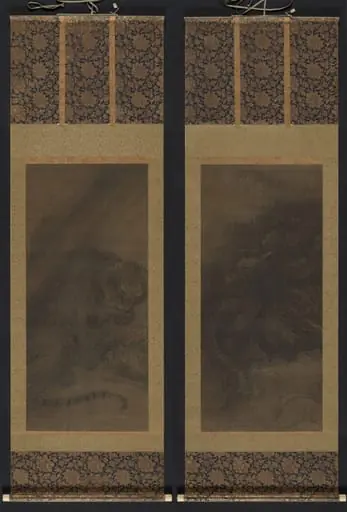
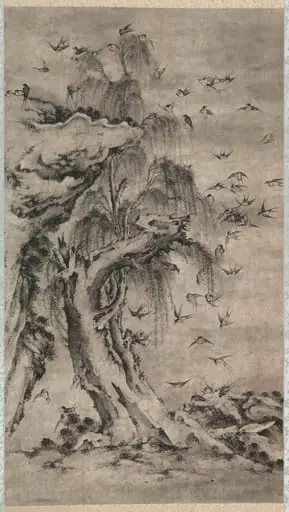
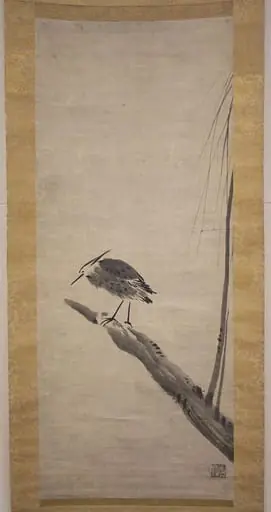
Willow and Magpie is an unspecified painting by the Song dynasty landscape artist Fachang Muqi. It dates from 1204 and is held in the collection of the Cleveland Museum of Art. This ink-on-paper painting captures a solitary magpie resting on a willow branch, rendered with minimal yet precise brushwork.
About this work
This way of painting was common in Southern Song China, where artists tried to show nature’s mood, not just its shape.
You see a single magpie perched on a willow branch, ink on paper so light it feels like mist.
The artist used just a few brushstrokes to show the bird’s alert posture and the soft bend of the branch. The empty space around them isn’t blank—it’s rain or fog, part of the scene. This way of painting was common in Southern Song China, where artists tried to show nature’s mood, not just its shape.
To see more works like this, look up *china, southern song dynasty (1127–1279)*.
Overview
This ink-on-paper painting captures a solitary magpie resting on a willow branch, rendered with minimal yet precise brushwork. The composition emphasizes atmosphere over detail, using subtle ink gradations to suggest rain and mist. The work reflects the Southern Song dynasty’s preference for quiet, contemplative scenes that evoke natural conditions rather than depict them literally. Its restraint and sensitivity align with broader aesthetic values of the period.
Subject & Meaning
The magpie, often associated with alertness and presence in Chinese visual culture, is shown in a moment of stillness amid the sway of willow. The tree’s slender branches, barely outlined, imply movement without force. The surrounding emptiness is not absence but presence—rendering humidity, falling rain, or morning fog. The scene invites quiet reflection, aligning with poetic traditions that find depth in simplicity and the unseen.
Technique & Style
The artist employed wet-in-wet ink techniques, allowing pigment to bleed softly into the paper to suggest moisture and diffusion. Brushstrokes for the bird are economical—just a few strokes define form and posture—while the willow’s limbs taper with delicate pressure. Negative space functions as atmospheric element, not void. This method prioritizes suggestion over definition, a hallmark of Southern Song ink painting that values emotional resonance over realism.
History & Provenance
Created during the Southern Song dynasty (1127–1279), the work emerged from a courtly artistic milieu that valued refined observation of nature. Though the artist’s name is unrecorded, the style is consistent with anonymous painters of the period who worked in imperial or monastic settings. The painting’s survival suggests it was preserved in collections that prized subtle ink works, likely among scholarly or monastic holdings.
Context
This painting belongs to a broader tradition in Southern Song China where artists, poets, and philosophers shared an interest in transient natural phenomena. Similar concerns appear in landscape scrolls and lyric poetry, where mood and impermanence outweigh narrative or grandeur. The integration of ink, paper, and space here mirrors the era’s philosophical leanings toward harmony, restraint, and the quiet observation of the natural world.
Legacy
The painting’s approach influenced later East Asian ink traditions, particularly in Japan and Korea, where artists adopted its emphasis on atmosphere and minimalism. While not widely known outside specialist circles, it remains a quiet exemplar of how Chinese painters transformed observational discipline into meditative expression. Its legacy lies in its enduring demonstration of how little can suggest much when executed with intention and sensitivity.
Artist & collection