Artwork
Christopher Chelys Simpson
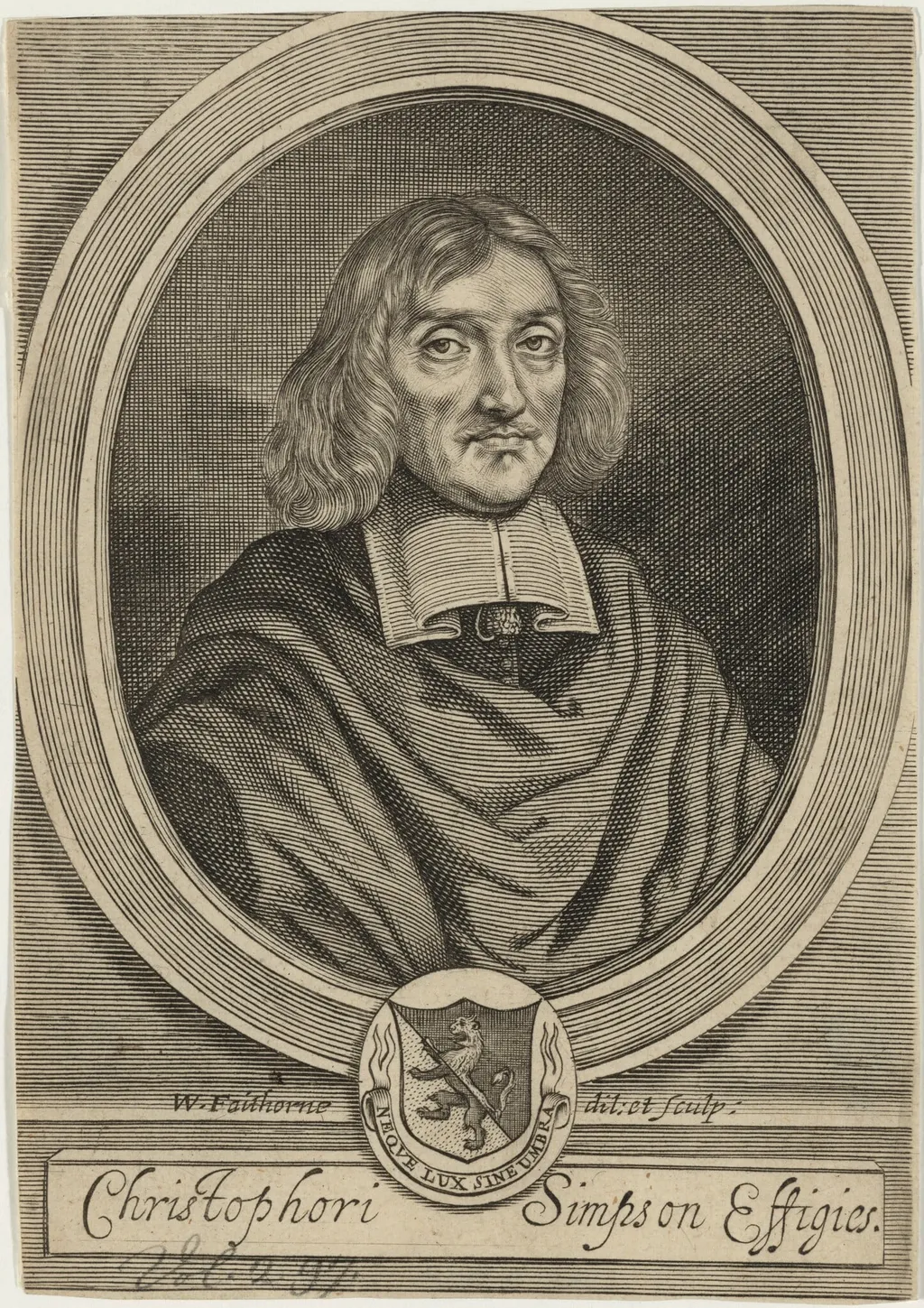
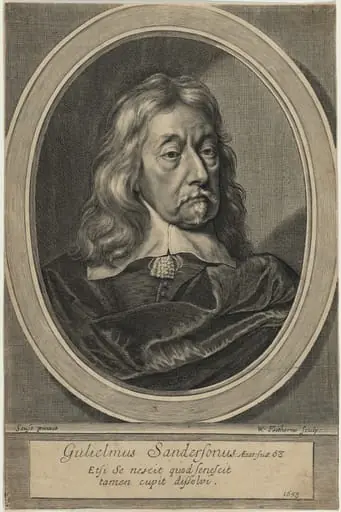
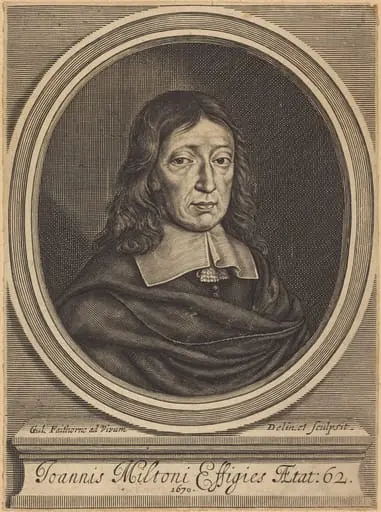
Christopher Chelys Simpson is an ink print by the Baroque artist William Faithorne. It dates from 1667 and is held in the collection of the National Gallery of Art.
About this work
The engraving is done in a cross-hatching style, with closely spaced parallel lines that create shading and texture.
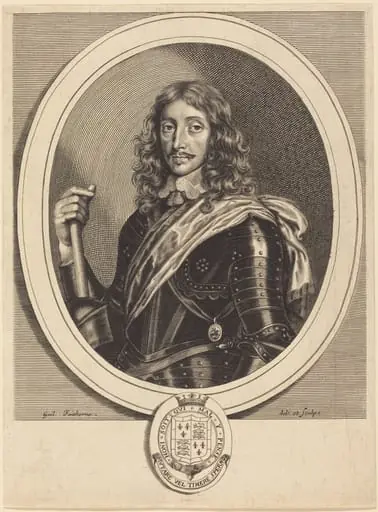
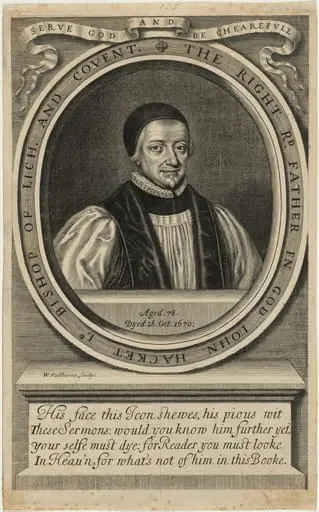
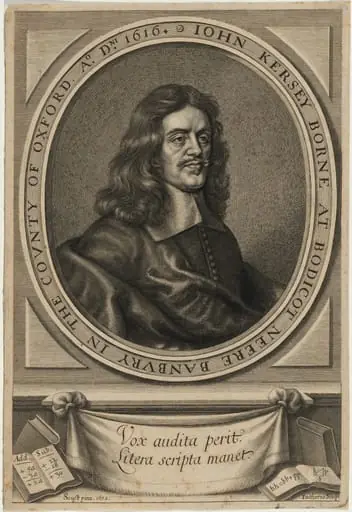
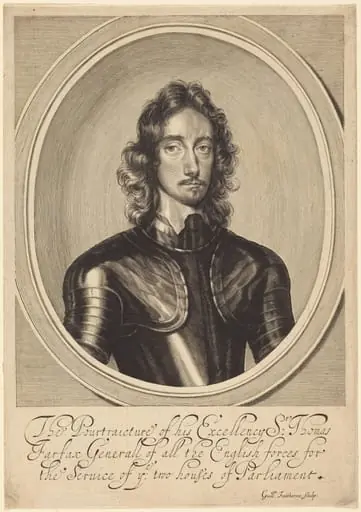
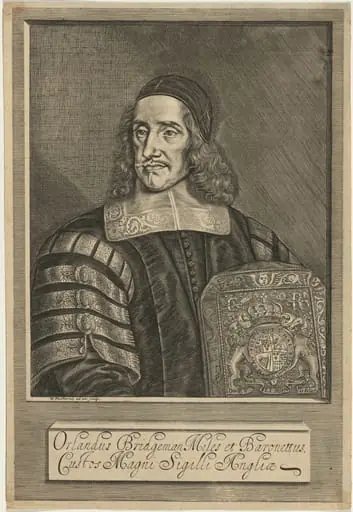
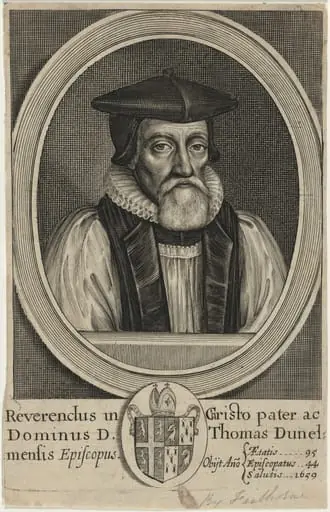
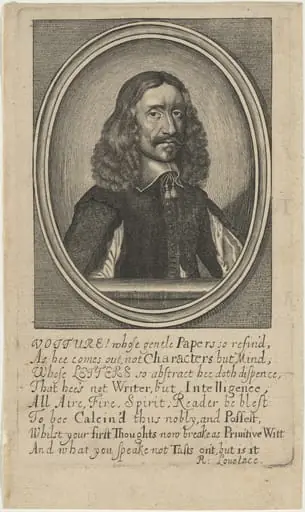
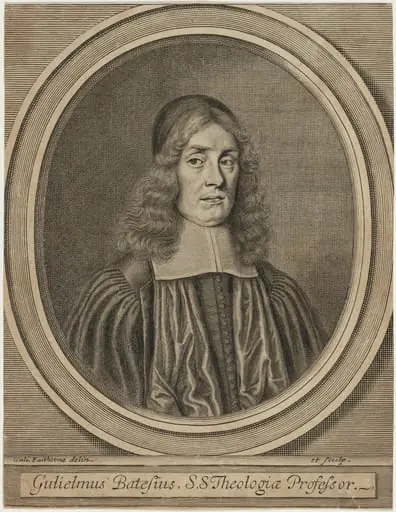
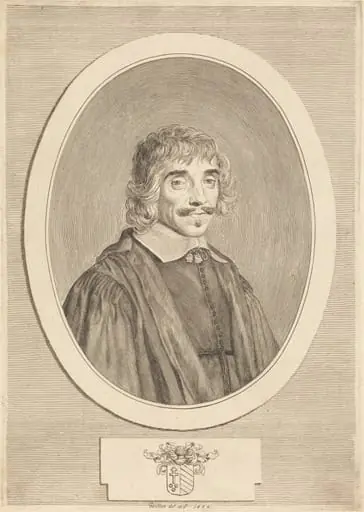
This engraving depicts a man with shoulder-length hair, wearing a dark robe over a white collar. The man's face is the central focus of the image.
The engraving is done in a cross-hatching style, with closely spaced parallel lines that create shading and texture. The background of the image is a dark, mottled gray.
The engraving is a portrait of Christopher Chelys Simpson, created by William Faithorne in 1667. If you're interested in learning more about the artist, you could look up William Faithorne.
Overview
This 1667 engraving presents a portrait of Christopher Chelys Simpson, rendered by the English printmaker William Faithorne. Executed as a single plate print, the work captures the sitter in a half‑length pose, emphasizing his facial features against a subdued background. The image exemplifies mid‑seventeenth‑century portraiture in the medium of intaglio engraving.
Subject & Meaning
The figure is shown with shoulder‑length hair and a dark robe that frames a crisp white collar, drawing attention to his expression. The composition centers the face, suggesting a focus on personal identity and status. The modest attire and restrained pose reflect contemporary conventions for depicting gentlemen of modest rank.
Technique & Style
Faithorne employed a dense cross‑hatching technique, layering closely spaced parallel lines to model light and shadow across the face and clothing. This method creates a textured, mottled gray ground that recedes behind the sitter, while the finer lines render delicate details of the hair and collar. The overall effect is a controlled tonal gradation characteristic of English engravers of the period.
History & Provenance
The plate was struck in 1667, a time when Faithorne was an established engraver serving a clientele of patrons seeking portrait prints. While specific ownership records are limited, the work has been catalogued among Faithorne’s surviving portraits and appears in several nineteenth‑century collections of English prints, indicating its circulation among connoisseurs of early modern portraiture.
Artist & collection
Artist
William Faithorne (1616–1691) was a British artist, born in Greater London.