Artwork
Sir Orlando Bridgeman
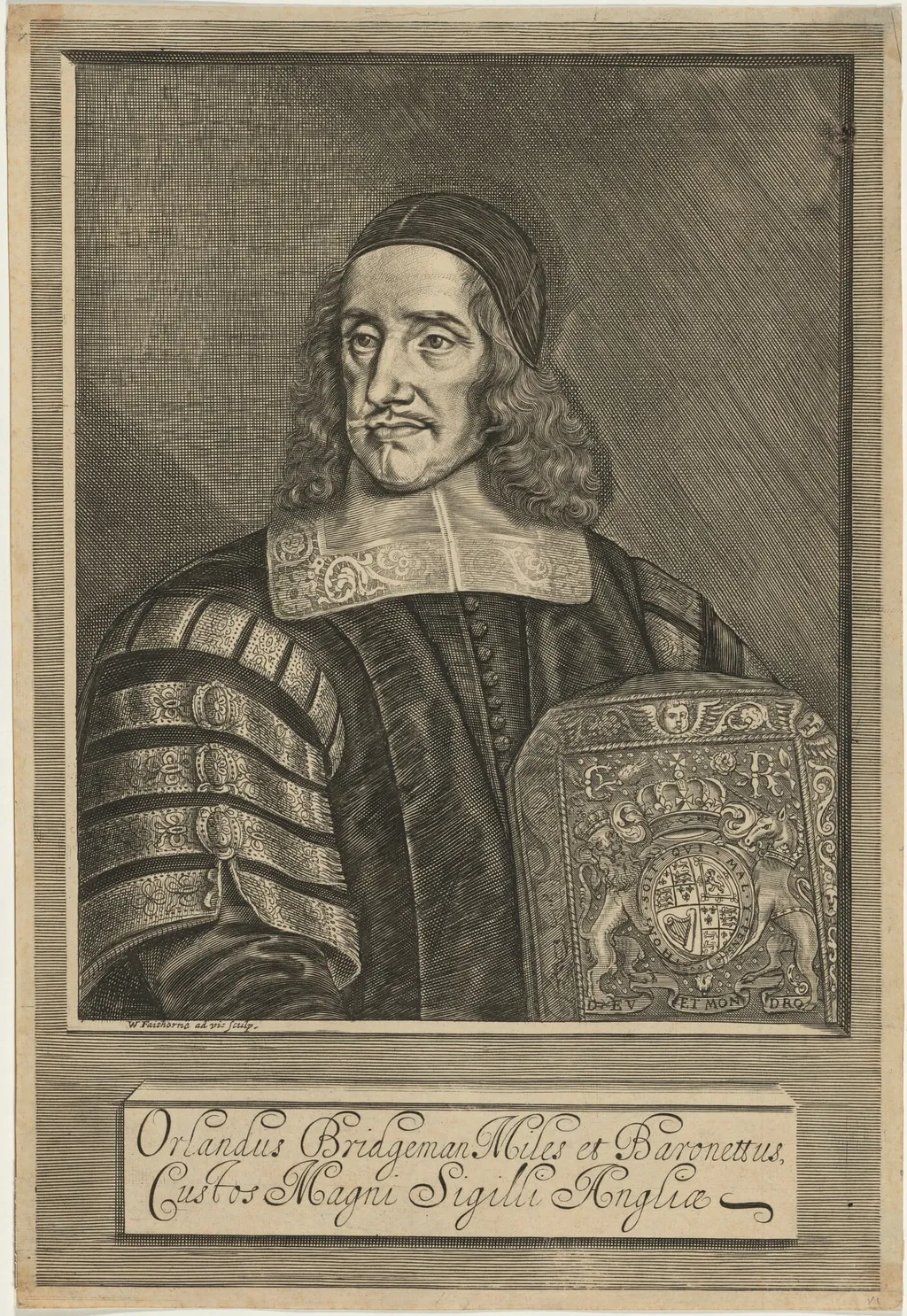
Sir Orlando Bridgeman is an ink print by the Baroque artist William Faithorne. It dates from 1671 and is held in the collection of the National Gallery of Art.
About this work
Overview
The medium emphasizes detail and texture, characteristic of 17th-century portrait engravings intended for dissemination among elite circles.
This 1671 engraving by William Faithorne portrays Sir Orlando Bridgeman, a prominent English jurist and politician. Executed in fine line work typical of Faithorne’s practice, the print captures Bridgeman in formal attire, conveying his public role through restrained elegance rather than overt grandeur. The medium emphasizes detail and texture, characteristic of 17th-century portrait engravings intended for dissemination among elite circles.
Subject & Meaning
Sir Orlando Bridgeman is depicted with long, curled hair and a mustache, dressed in a dark, richly detailed robe with elaborate sleeves. He holds a decorative box bearing a coat of arms, likely symbolizing his legal authority or familial lineage. The object suggests status and institutional affiliation, reinforcing his identity as a man of law and governance rather than nobility by birth.
Technique & Style
Faithorne employed fine, controlled etching lines to render texture in fabric, hair, and the box’s surface. The background is left dark and unmodeled, focusing attention on the figure’s form and facial expression. His technique reflects the precision valued in portrait engravings of the period, prioritizing clarity and likeness over dramatic lighting or color, aligning with the scholarly tone of the subject.
History & Provenance
Created in 1671, the engraving was likely produced to commemorate Bridgeman’s service as Chief Justice of the Court of Common Pleas and his role in the Restoration legal order. It circulated among legal and political networks, serving as a visual record of authority. Early impressions are held in institutional collections, including the British Museum and the National Portrait Gallery, indicating its recognized historical value.
Context
In post-Restoration England, portraiture in print became a tool for legitimizing public figures. Faithorne, one of the era’s leading engravers, specialized in capturing the likenesses of judges, clergy, and statesmen. Bridgeman’s portrait aligns with this trend, reflecting a cultural shift toward documenting civic leadership through reproducible images rather than painted commissions alone.
Legacy
The engraving remains a key example of Faithorne’s contribution to English print culture. It preserves the visual identity of a significant legal figure and exemplifies how portraiture in print helped shape public perception of authority in the late 17th century. Its continued presence in archives underscores its role as a documentary artifact of Restoration-era governance.
Artist & collection
Artist
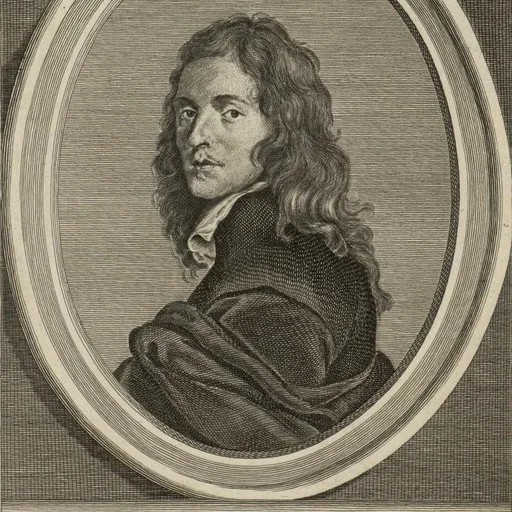
William Faithorne (1616–1691) was a British artist, born in Greater London.

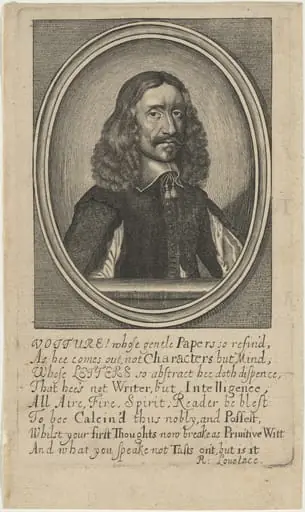
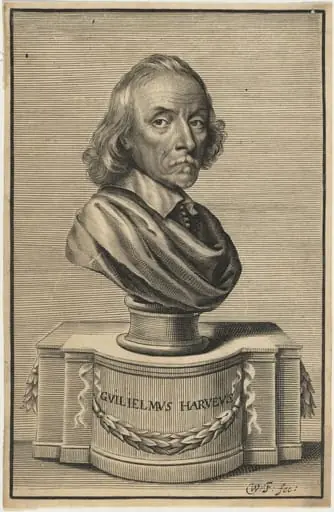
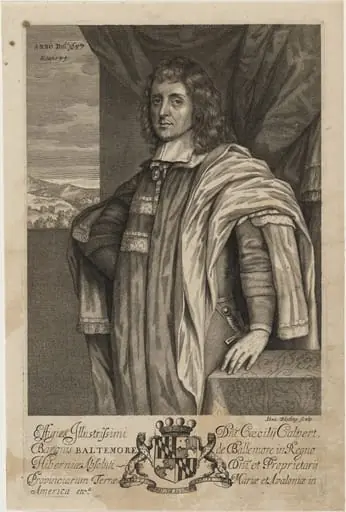 George Calvert, Lord Baltimore
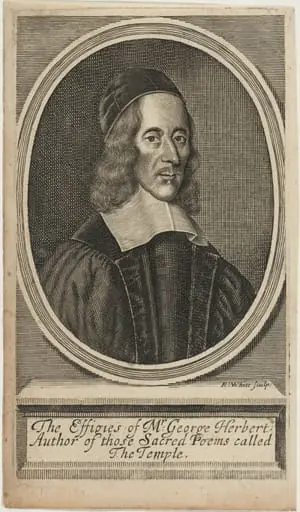 George Herbert, Prebendary of Lincoln, Poet
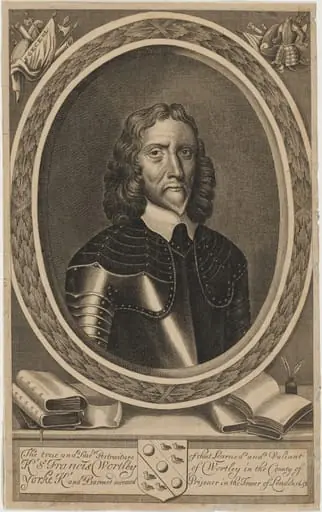 Sir Thomas Worthy
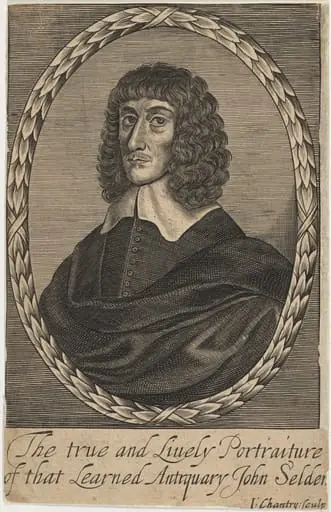 John Selden, Jurist and Antiquary
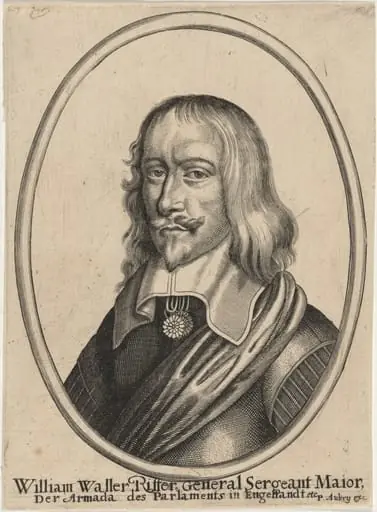 Sir William Waller, Parliamentary General
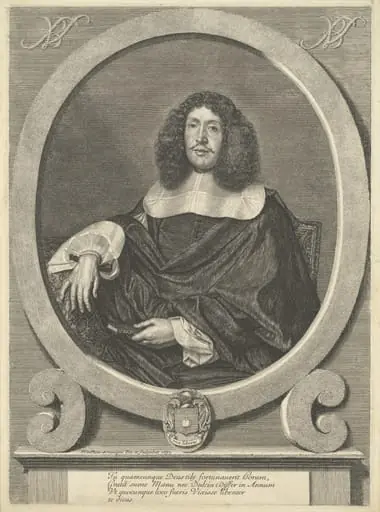 Vincent Barthélémy
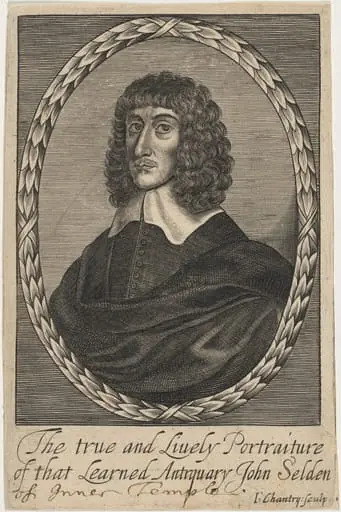 John Selden, Jurist and Antiquary
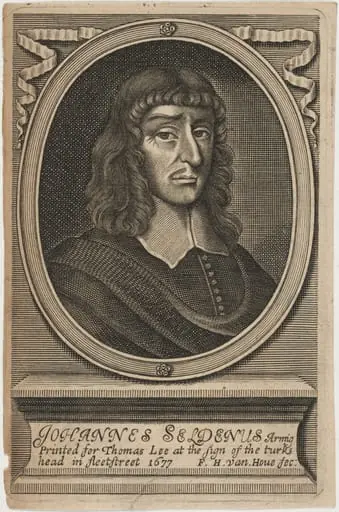 John Selden
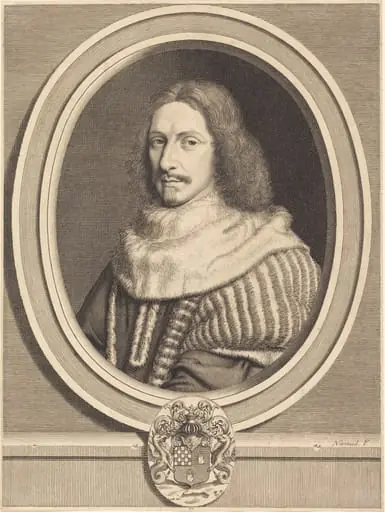 Nicholas Potier de Novion
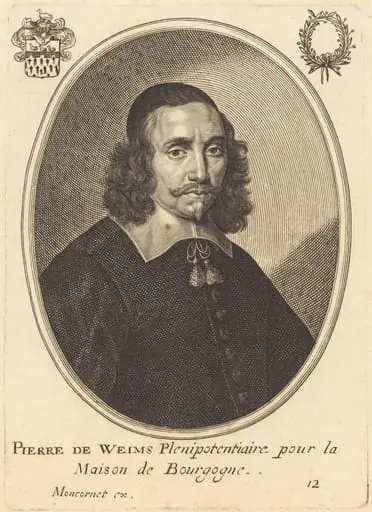 Pierre de Weims
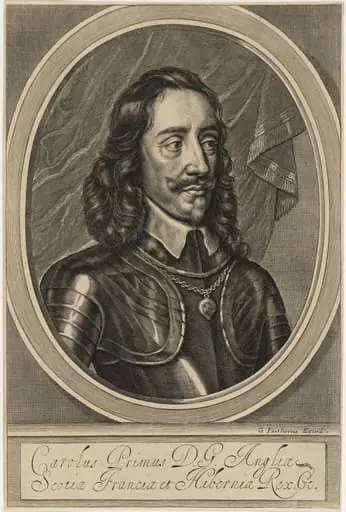 Charles I
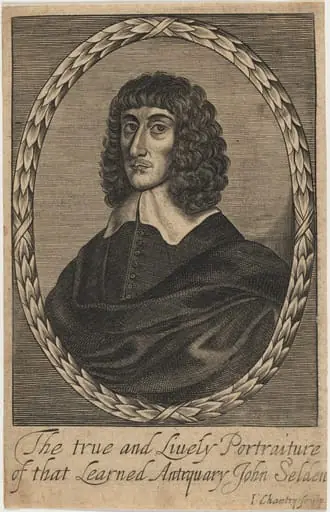 John Selden, Jurist and Antiquary