Artwork
Thomas Morton
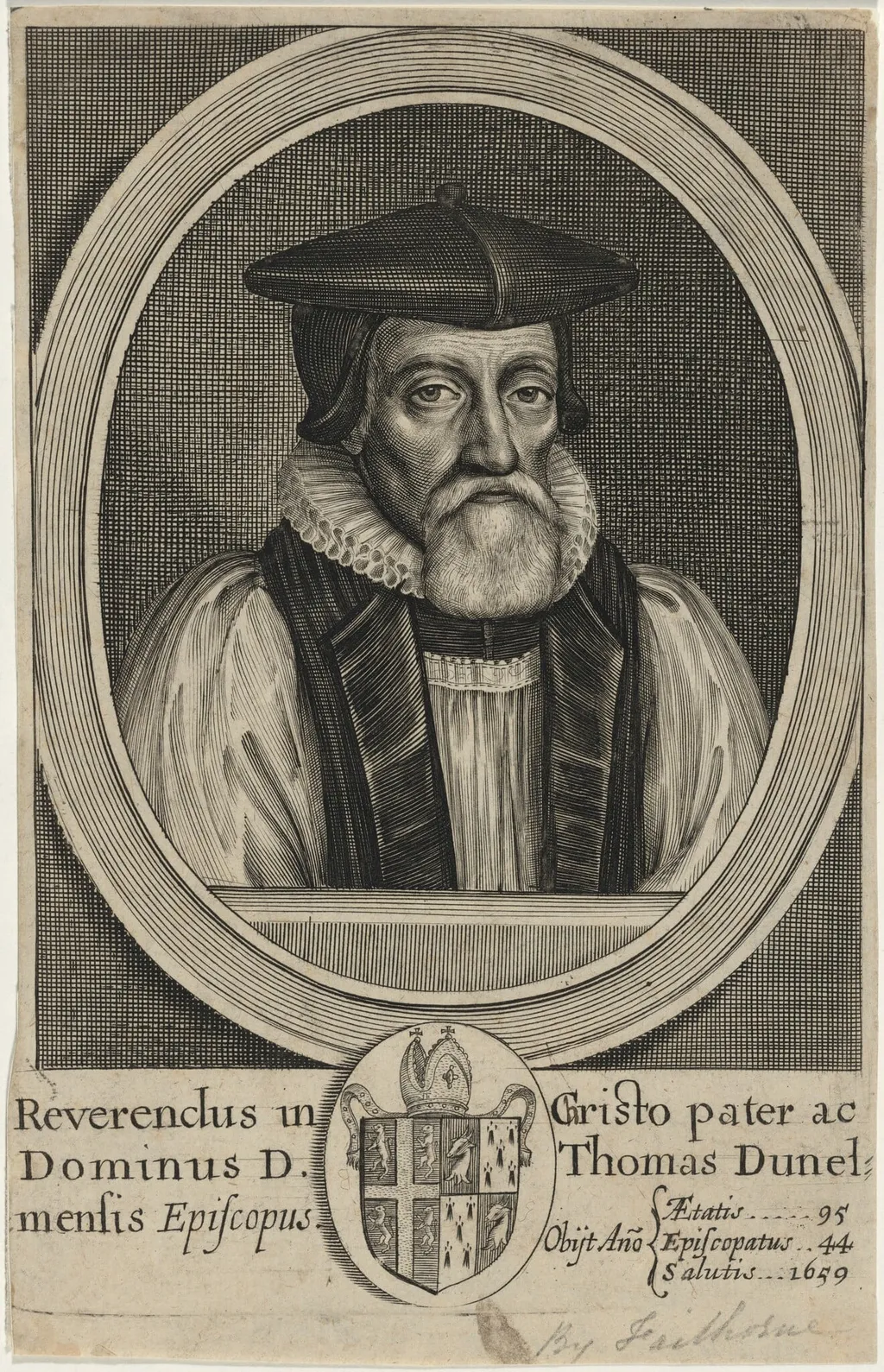
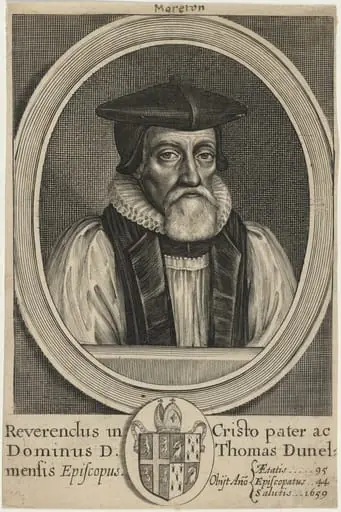
Thomas Morton is an ink print by the Baroque artist William Faithorne. It dates from 1660 and is held in the collection of the National Gallery of Art.
About this work
Overview
Rendered in monochrome, the portrait emphasizes precision and restraint, typical of mid-seventeenth-century British printmaking.
This 1660 engraving by William Faithorne depicts Thomas Morton, Bishop of Durham, in formal ecclesiastical attire. Rendered in monochrome, the portrait emphasizes precision and restraint, typical of mid-seventeenth-century British printmaking. The image is framed within an oval border with a textured edge, reinforcing its status as a controlled, deliberate representation rather than a spontaneous likeness.
Subject & Meaning
Thomas Morton, a prominent Anglican bishop and scholar, is portrayed with solemn authority. His thick beard, ruffled collar, and chain of office signal his clerical rank and intellectual stature. The Latin inscription identifies him as 'Reverendus in Christo pater,' underscoring his spiritual role. The inclusion of his family coat of arms beneath the inscription affirms his social standing and lineage within the church hierarchy.
Technique & Style
Faithorne employed fine-line engraving to render texture and form with meticulous detail. The beard, lace collar, and chain are defined by closely spaced incised lines, while the hat and robe are modeled through subtle tonal gradations. The oval frame and textured border suggest a deliberate framing device, common in portrait prints of the period, designed to elevate the subject’s dignity through compositional discipline.
History & Provenance
Created in 1660, the engraving emerged during a period of religious and political reorganization in England following the Restoration. Faithorne, a leading portrait engraver, produced numerous ecclesiastical portraits for publication. This print likely served to circulate Morton’s image among clergy and patrons, reinforcing his authority during a time when visual representation played a key role in institutional legitimacy.
Context
In the 1660s, engraved portraits of bishops were tools of both personal commemoration and institutional identity. As the Church of England reasserted itself after the Interregnum, such images helped visually anchor clerical authority. Morton’s portrait aligns with a broader trend of using print to disseminate the likenesses of high-ranking church figures, blending religious solemnity with aristocratic symbolism.
Legacy
Faithorne’s engraving of Morton remains a representative example of English portrait engraving at its most restrained and precise. Though not widely reproduced today, it contributes to the historical record of Anglican leadership in the Restoration era. Its survival in institutional collections reflects its value as a document of ecclesiastical portraiture and print culture in early modern Britain.
Artist & collection
Artist
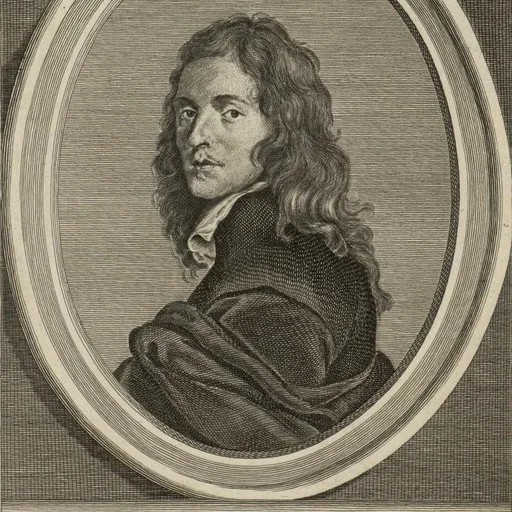
William Faithorne (1616–1691) was a British artist, born in Greater London.

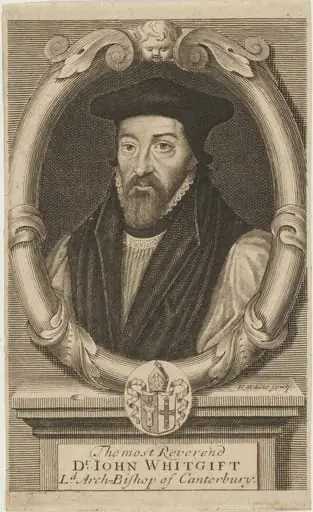 John Whitgift, D.D., Archbishop of Canterbury
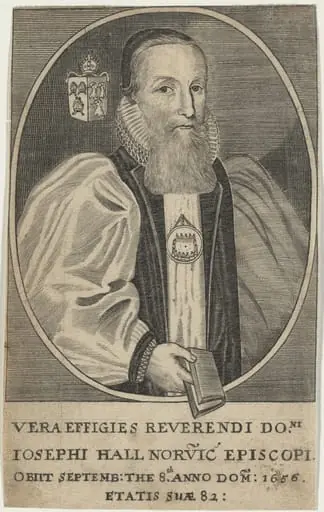 Joseph Hall, Bishop of Norwich
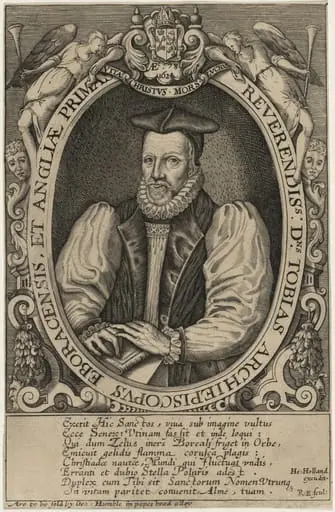 Tobias Matthew, D.D., Archbishop of York
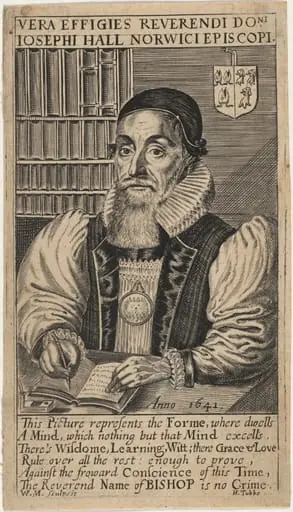 Joseph Hall, Bishop of Norwich
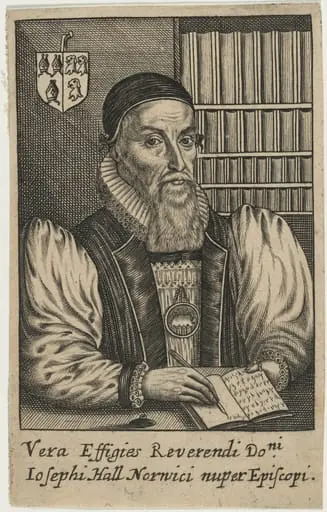 Joseph Hall, Bishop of Norwich
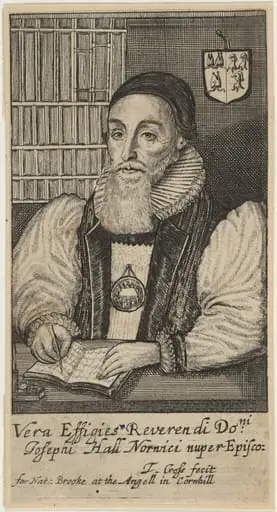 Reverendi Doni: Josephi Hall Norwici Nuper Episco. (Joseph Hall, Bishop of Norwich)
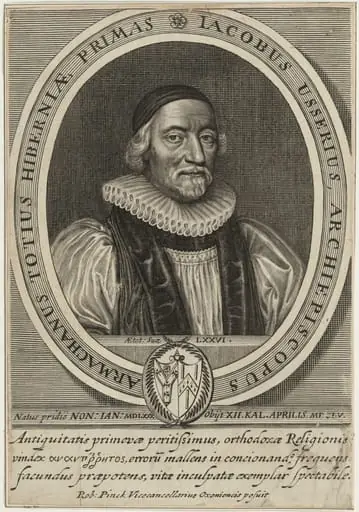 James Ussher, D.D.
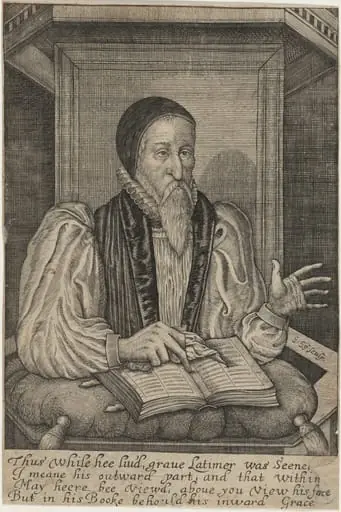 Hugh Latimer
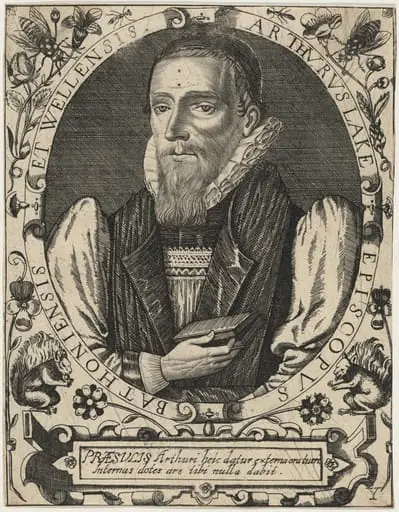 Arthur Lake, Bishop of Bath and Wells
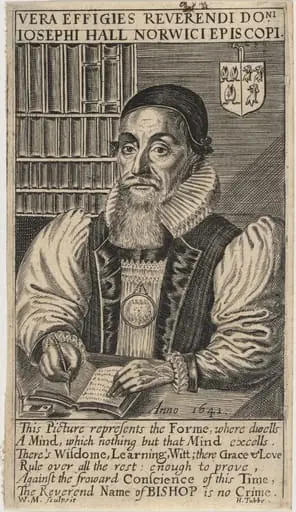 Joseph Hall, Bishop of Norwich
 Thomas Morton
 Samuel Clarke, Minister