Artwork
John Kersey
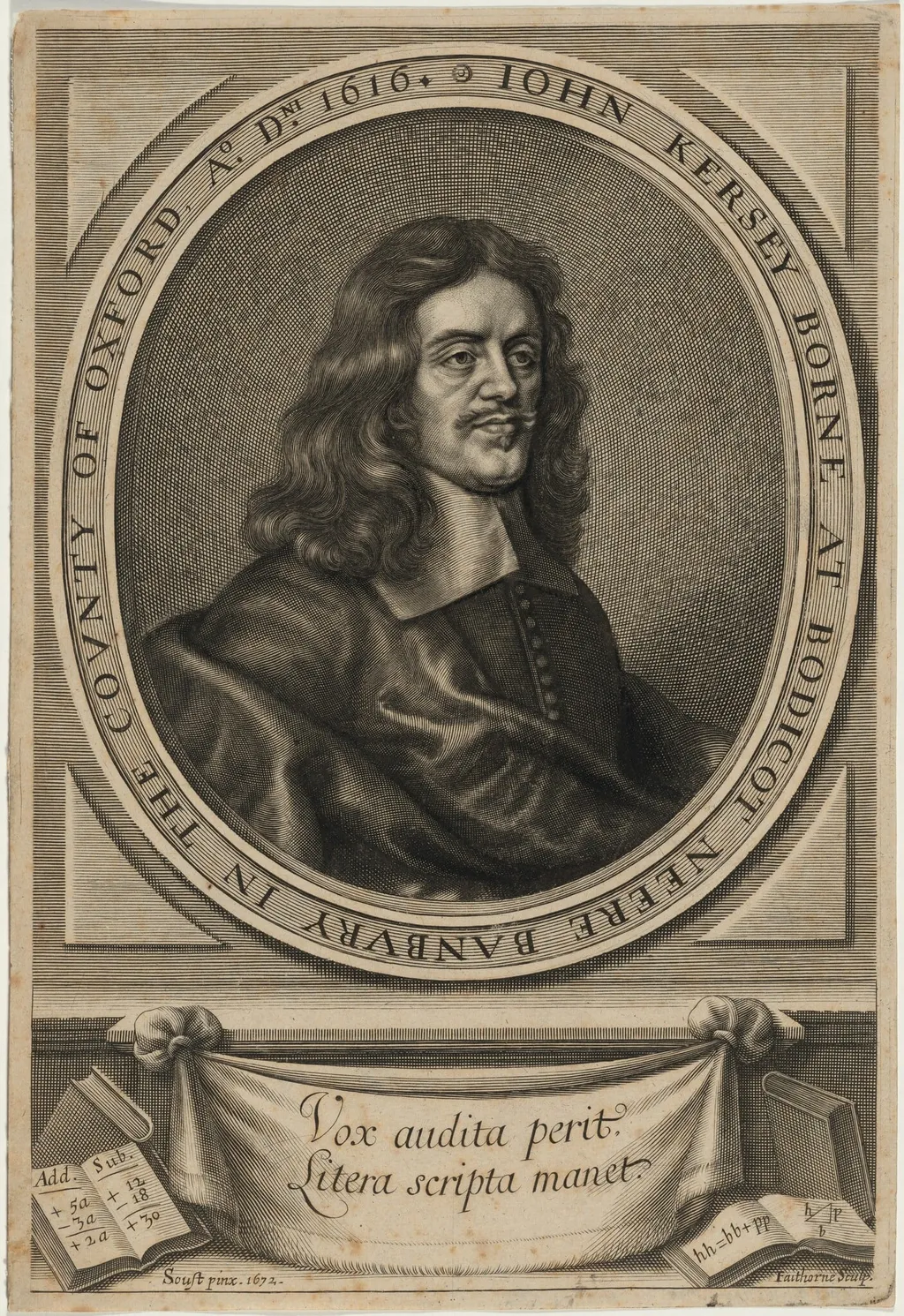
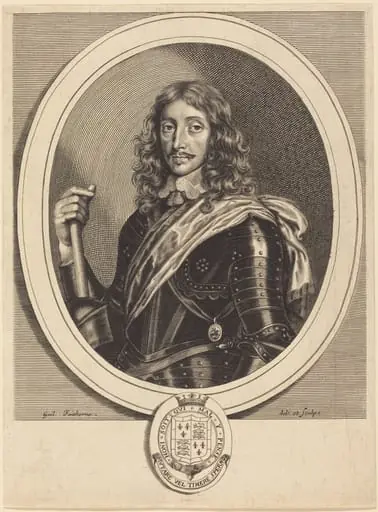
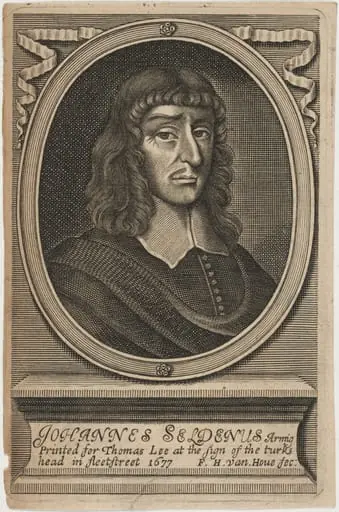
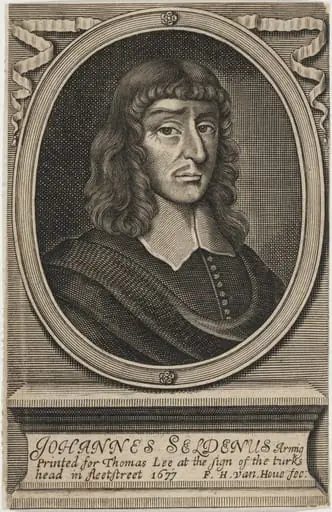
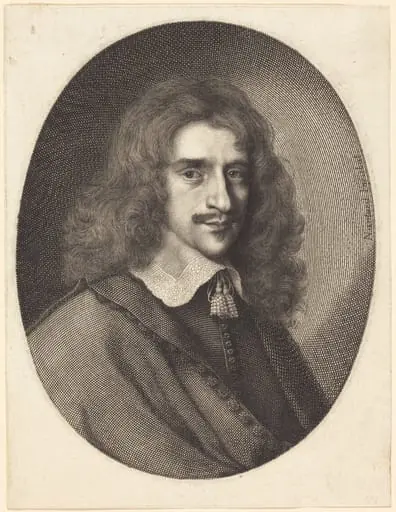
John Kersey is an ink print by the Baroque artist William Faithorne. It dates from 1674 and is held in the collection of the National Gallery of Art.
About this work
The engraving was published a long time ago, in 1673 or 1674, which is notable because it was a different time for art.
This engraving shows John Kersey, a man with a serious expression.
He is dressed in old-fashioned clothing.
The artist took time to add details to Kersey's face and clothes, which makes this portrait interesting because it shows the artist's skill with small details and textures.
The engraving was published a long time ago, in 1673 or 1674, which is notable because it was a different time for art.
The artist had to be careful with each line and shade to create a good image.
You can learn more about this technique by looking into the work of artist: Faithorne, William.
Overview
This print is an engraving by William Faithorne, dated 1674, depicting John Kersey, a British lexicographer and mathematician. Executed in fine line work on copper, the portrait reflects the precision demanded by printmaking of the period. Faithorne’s technique emphasizes texture and form through controlled incisions, characteristic of mid-seventeenth-century British portraiture in print.
Subject & Meaning
John Kersey was a scholar known for his dictionaries and mathematical writings. The portrait captures him with a solemn, introspective gaze, aligning with the era’s expectation that intellectual figures be portrayed with dignity and restraint. His attire, though not contemporary to 1674, evokes a sense of scholarly tradition, reinforcing his identity as a keeper of knowledge rather than a fashion-forward individual.
Technique & Style
Faithorne employed fine hatching and cross-hatching to render Kersey’s facial features and clothing with remarkable subtlety. The engraving’s detail—down to the folds of lace and the texture of hair—demonstrates mastery of tonal gradation without tone, relying solely on line. This method required exceptional control, as errors could not be easily corrected, making each mark deliberate and consequential.
History & Provenance
Created in 1674, the engraving was part of a broader trend in England to produce printed portraits of notable figures for scholarly and aristocratic audiences. Faithorne, a leading engraver of his time, often worked from life or existing paintings. This piece likely circulated among academic circles, serving both as a likeness and a tribute to Kersey’s contributions to language and mathematics.
Context
In post-Restoration England, printmaking became a vital medium for disseminating images of intellectuals and public figures. Unlike painting, engravings could be reproduced and distributed widely, making them ideal for documenting scholarly achievement. Faithorne’s work contributed to this cultural shift, helping to establish portraiture as a tool for intellectual legacy.
Legacy
Faithorne’s engraving of Kersey remains a documented example of how print technology preserved the likenesses of lesser-known but influential figures. It reflects the period’s emphasis on accuracy and detail in portraiture, and it stands as evidence of the growing role of print in shaping public memory of scholars during the late seventeenth century.
Artist & collection
Artist
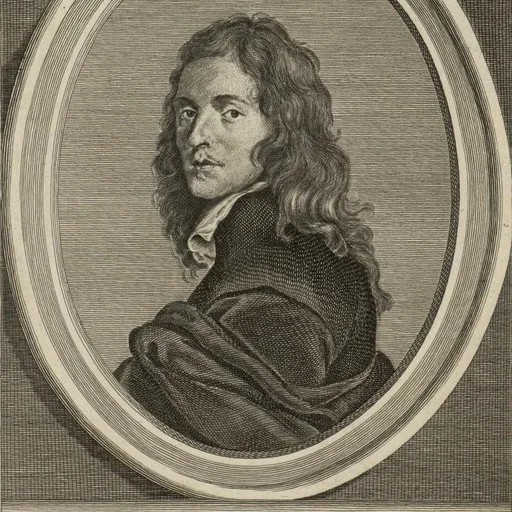
William Faithorne (1616–1691) was a British artist, born in Greater London.