Artwork
Kaarle Knuutinpoika Bonde lähdössä Viipurin linnasta Tukholmaan kuninkaanvaaliin 1448
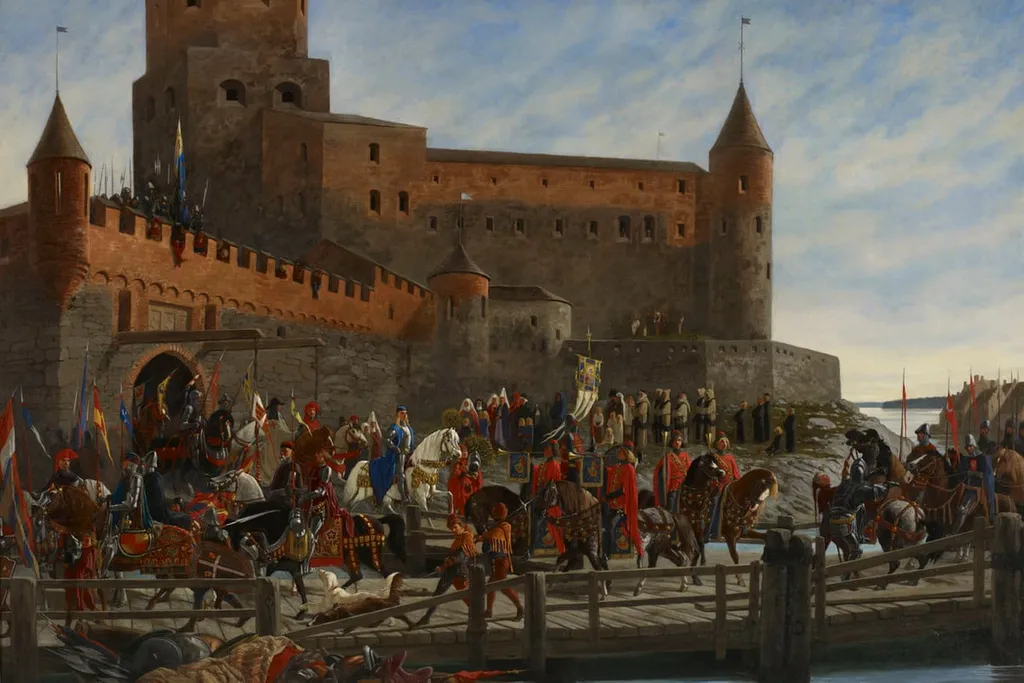
Kaarle Knuutinpoika Bonde lähdössä Viipurin linnasta Tukholmaan kuninkaanvaaliin 1448 is an unspecified painting by Severin Falkman. It is held in the collection of the Finnish National Gallery. The painting captures the departure of Kaarle Knuutinpoika Bonde from Vyborg Castle in 1448 as he travels to Stockholm for a royal election.
About this work
Overview
The painting captures the departure of Kaarle Knuutinpoika Bonde from Vyborg Castle in 1448 as he travels to Stockholm for a royal election.
The painting captures the departure of Kaarle Knuutinpoika Bonde from Vyborg Castle in 1448 as he travels to Stockholm for a royal election. The scene is set in a bustling courtyard, with figures in medieval dress preparing to depart. Stone architecture dominates the background, while a wooden bridge crosses water in the foreground, framing the action. The sky, lightly clouded and blue, lends a sense of openness to the moment.
Subject & Meaning
The scene documents a political journey critical to Swedish succession. Kaarle Knuutinpoika Bonde, a nobleman and claimant to the throne, is shown leaving his stronghold amid a retinue of attendants and supporters. The gathering suggests both ceremony and urgency, reflecting the high stakes of the royal election. The composition emphasizes movement and collective purpose, underscoring the significance of noble mobility in medieval governance.
Technique & Style
The artist employs clear outlines and flat planes of color typical of late medieval narrative painting. Figures are arranged to guide the viewer’s eye toward the central rider, with horses and pedestrians creating rhythmic diagonals. Light falls evenly across the scene, avoiding dramatic contrasts; depth is suggested by overlapping forms and the receding bridge rather than atmospheric perspective. The style prioritizes clarity over naturalism.
History & Provenance
The work originates from a Swedish historical tradition of documenting noble events, though its exact commission and early ownership remain undocumented. It was likely created in the late 15th or early 16th century, possibly as part of a larger cycle of political imagery. The painting entered public collections in the 19th century, where it was identified through archival references to Bonde’s 1448 journey.
Context
In 1448, Sweden was in political flux following the death of King Christopher of Bavaria. Noble factions vied for influence, and royal elections were contested affairs. Kaarle Knuutinpoika Bonde’s departure from Vyborg—then a key Swedish fortress—was part of a broader network of aristocratic maneuvering. The painting reflects the role of castles as centers of power and transit in the Nordic realm.
Legacy
The painting serves as a visual record of a specific political moment in Swedish history, preserving details of dress, architecture, and transport. While not widely known outside regional scholarship, it contributes to the understanding of how medieval elites were depicted in narrative art. Its preservation supports ongoing research into Nordic political culture and the visual representation of authority.
Artist & collection
Artist
Severin Falkman spent his mornings sketching animals in Helsinki’s market square, but his afternoons belonged to grand historical scenes.

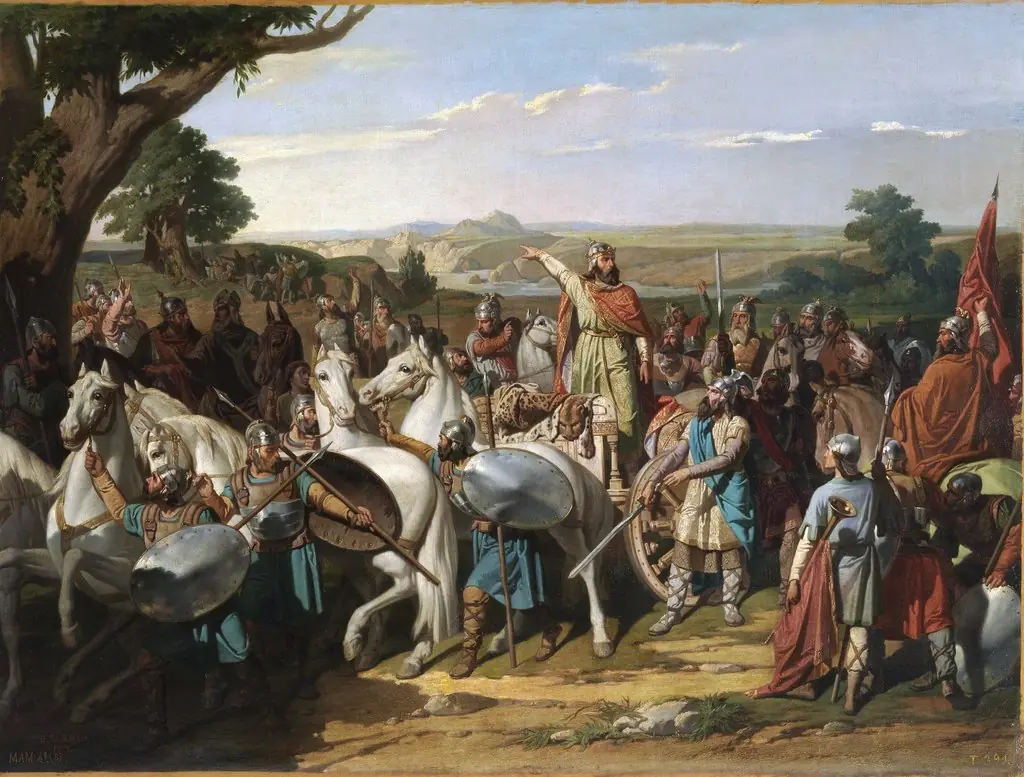 El rey don Rodrigo arengando a los jefes de su ejército antes de dar la batalla del Guadalete
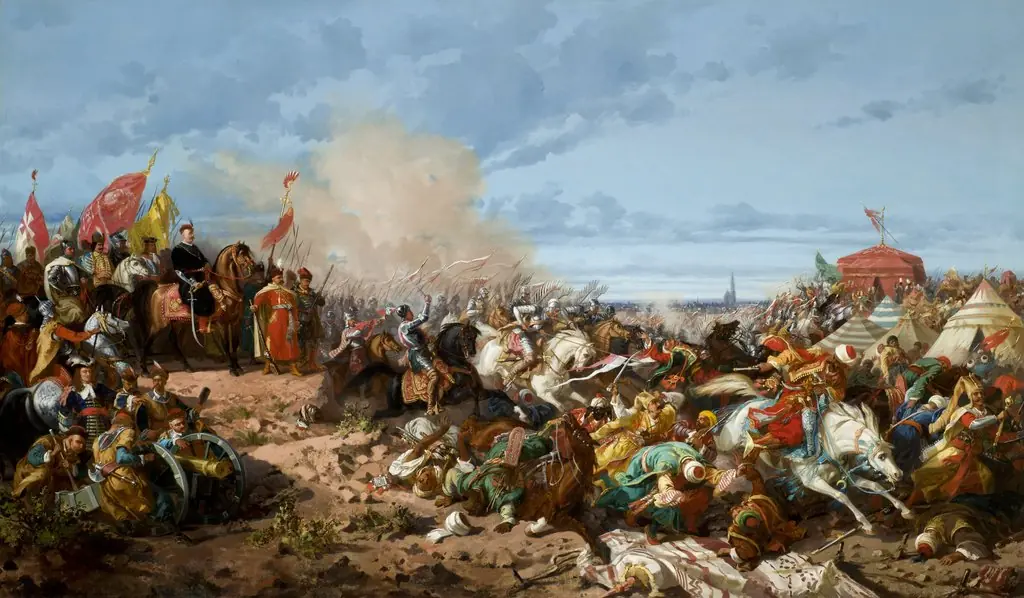 Sobieski at Vienna
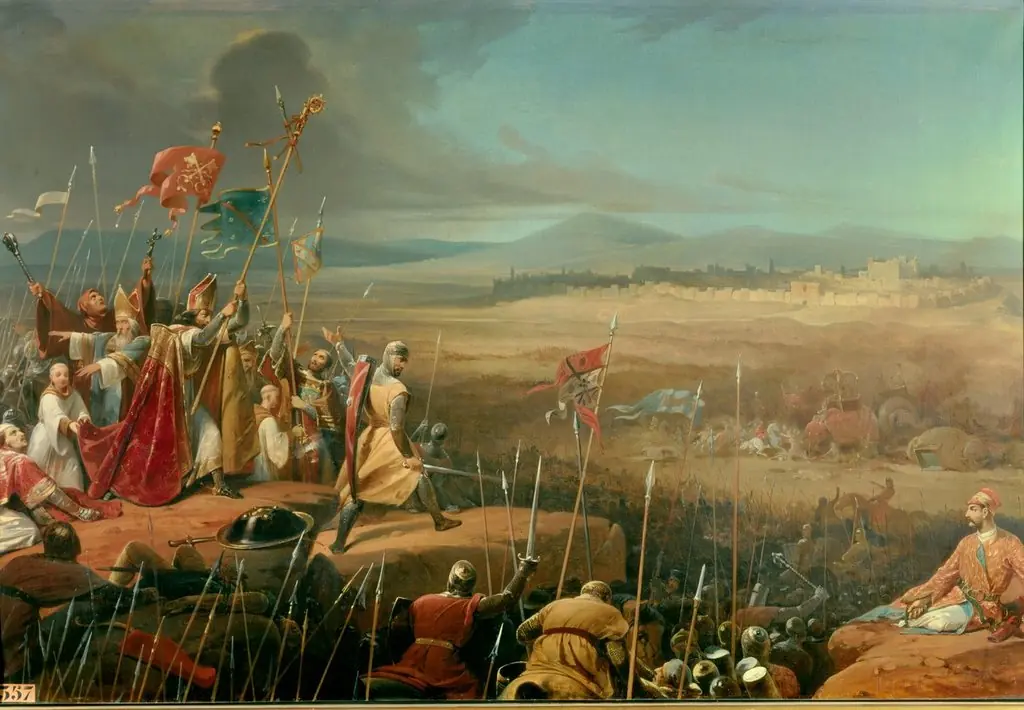 Battle outside the walls of Antioch (23 june 1098) between the crusaders, commanded by Bohemnon, and the army of Kerbogha.
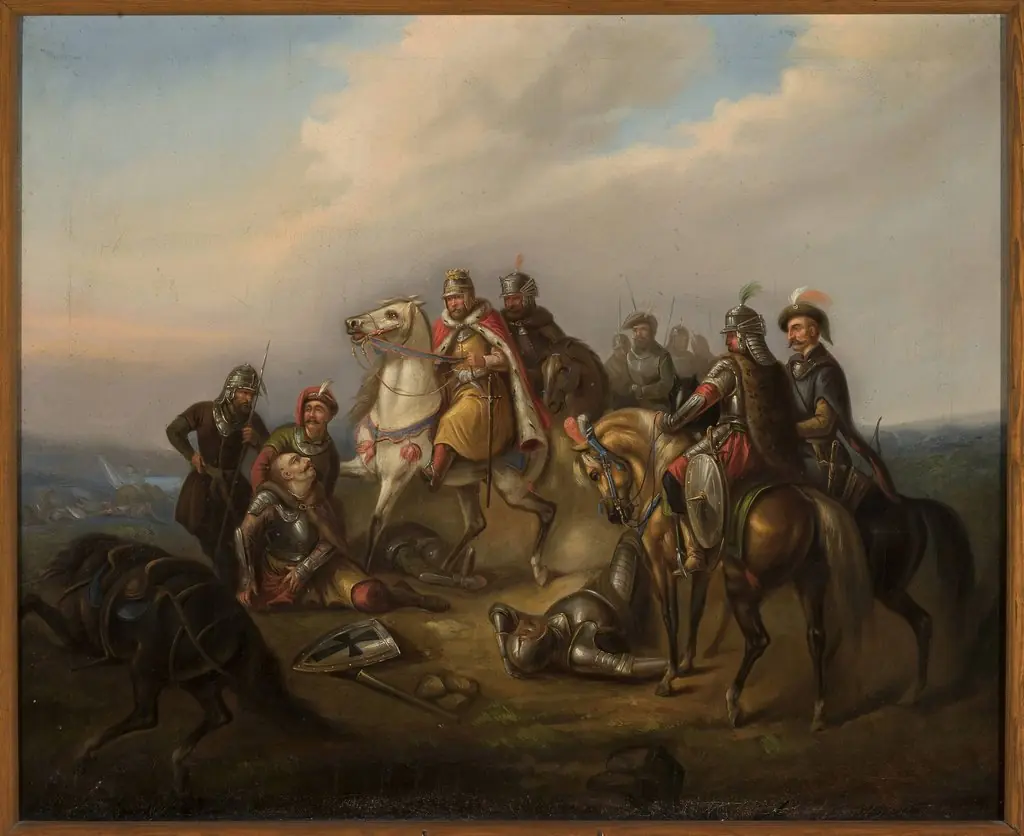 After the battle
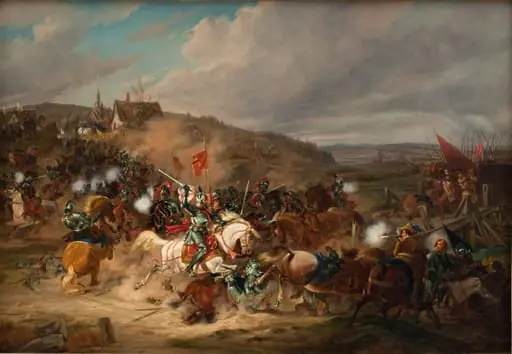 Daniel Rantzau bemægtiger sig Tureby Bro i Skåne under Syvårskrigen 1563-1570
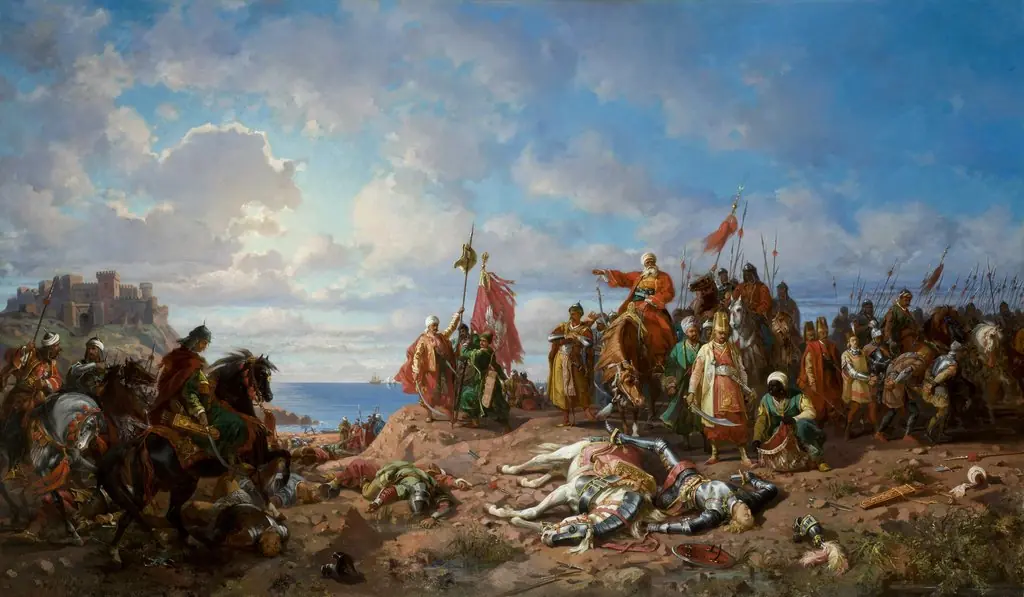 Death of Władysław Jagiellon near Varna
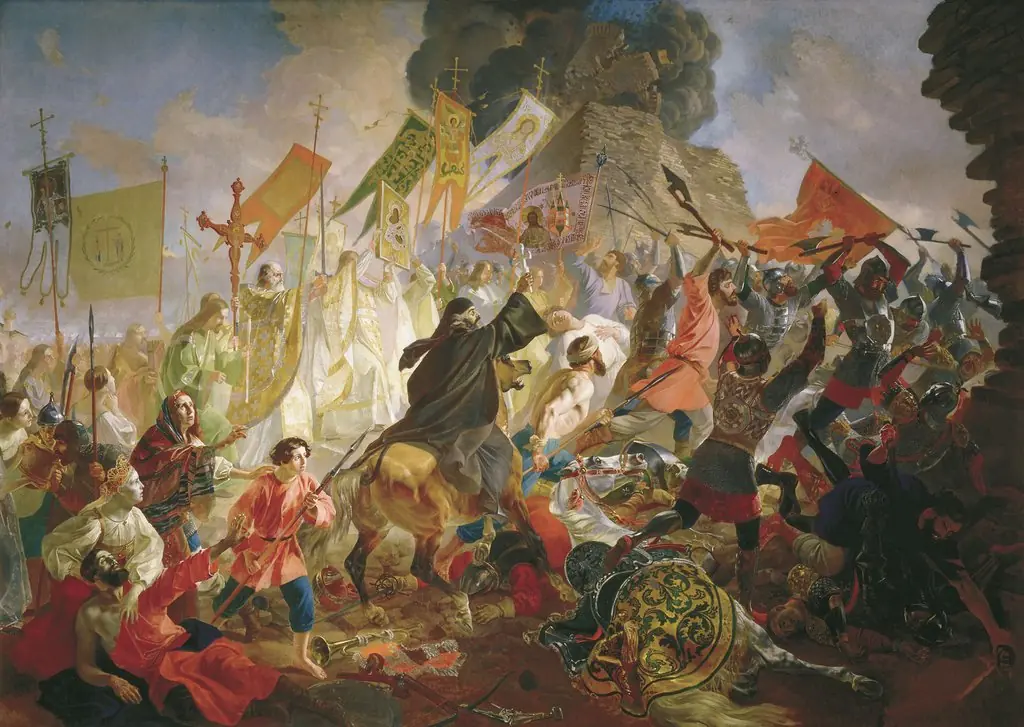 Осада Пскова польским королём Стефаном Баторием в 1581 году
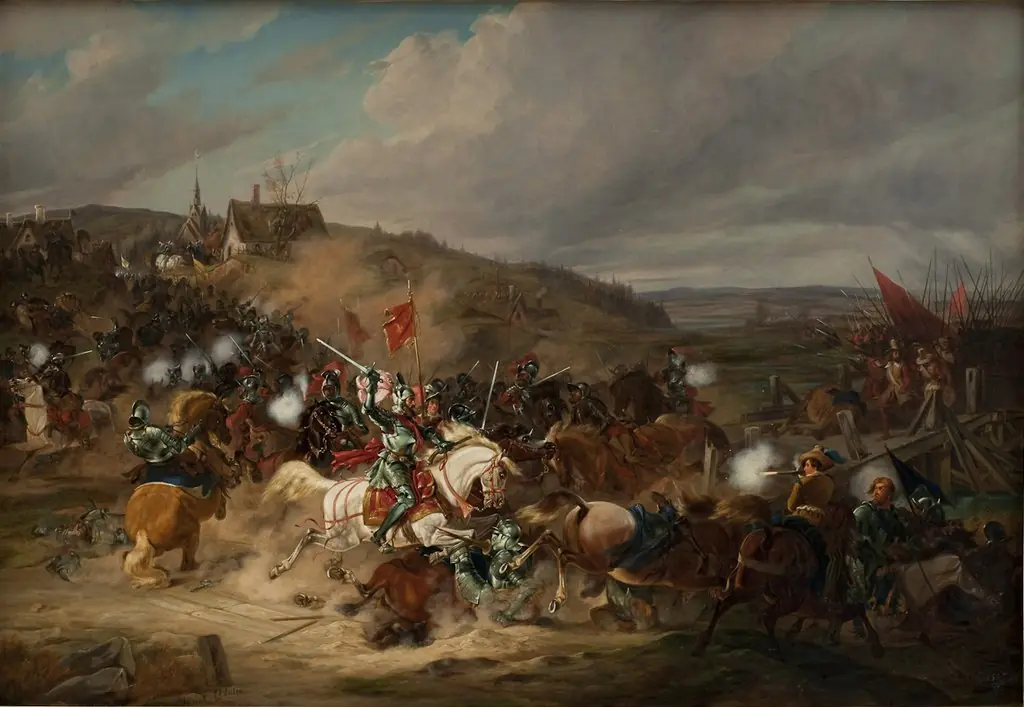 Daniel Rantzau bemægtiger sig Tureby Bro i Skåne under Syvårskrigen 1563-1570
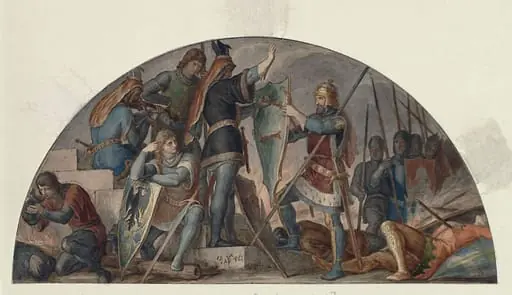 Rudiger gives his shield to Hagen
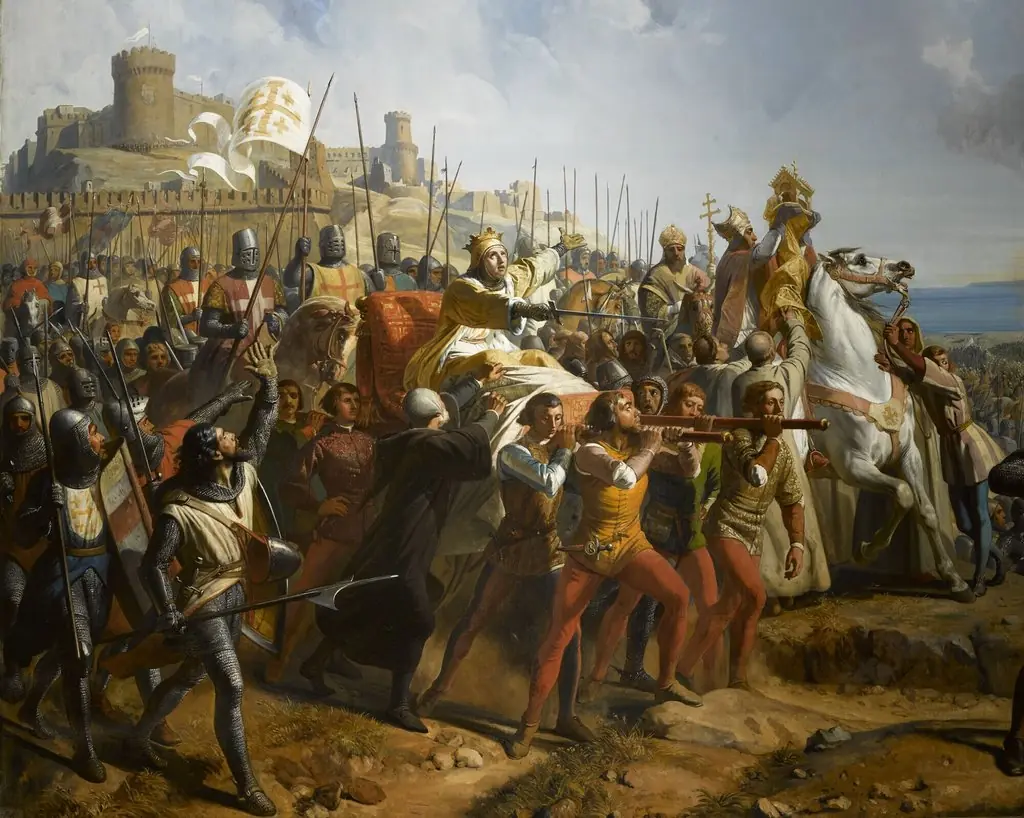 Battle of Ascalon, 18 November 1177
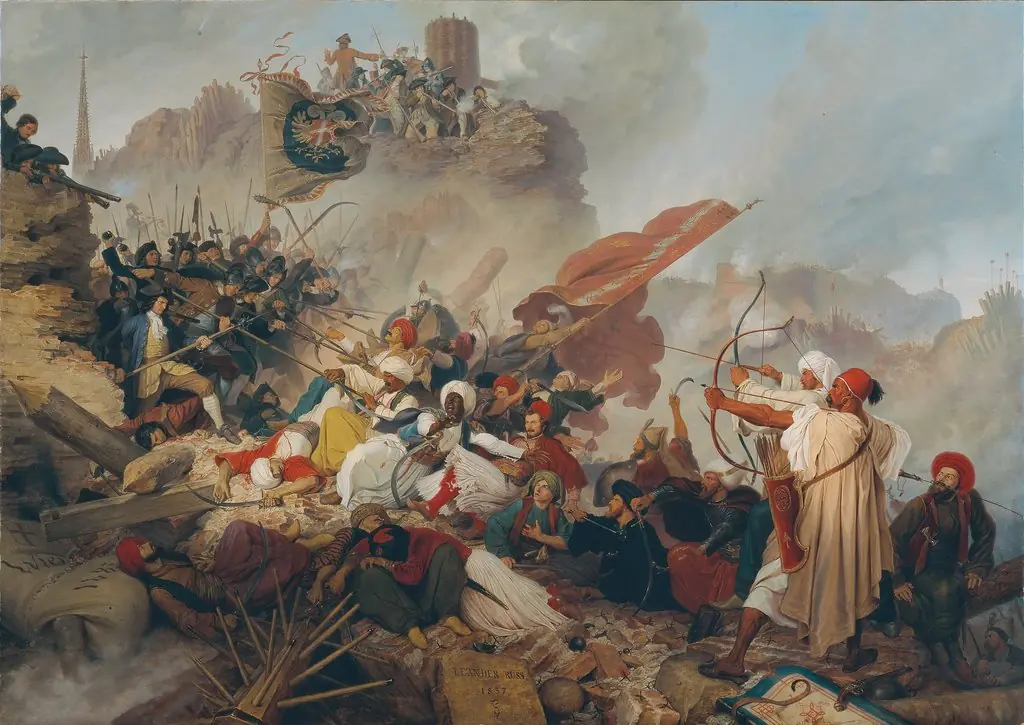 Sturm der Türken auf die Löwelbastei
 Den hollandske flåde under admiral Opdam passerer Sundet d. 29. oktober 1658 under Svenskekrigen 1657-60