Artwork
Album of Miscellaneous Subjects, Leaf 3
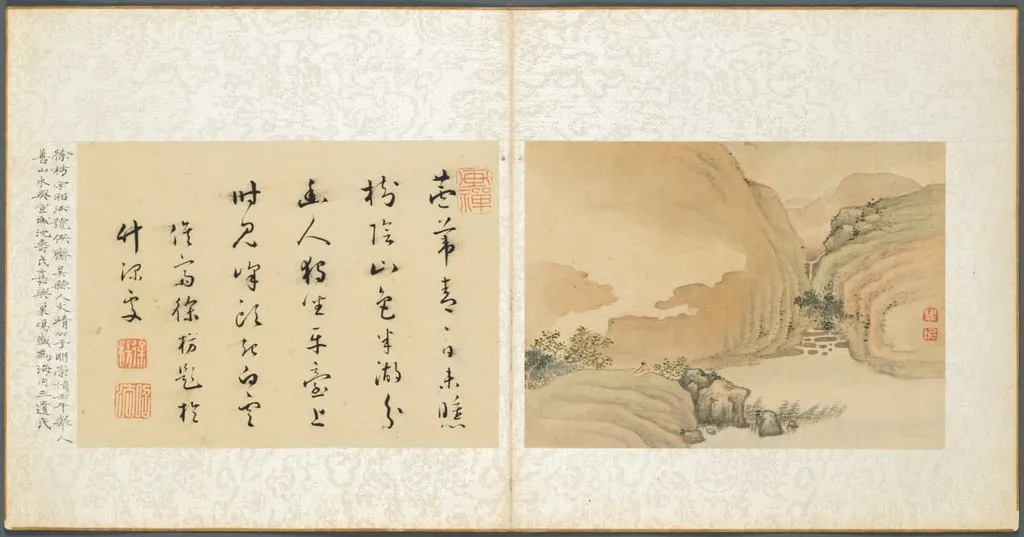
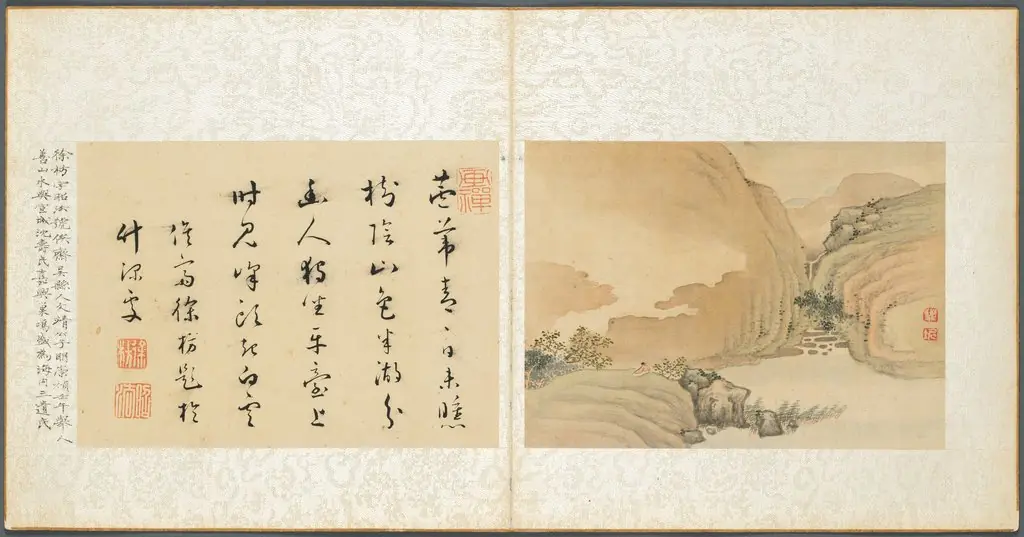
Album of Miscellaneous Subjects, Leaf 3 is an unspecified painting by the Baroque artist Fan Qi. It dates from 1654 and is held in the collection of the Cleveland Museum of Art. This leaf belongs to a small-format album of landscape paintings, each page designed as a contemplative visual poem.
About this work
You see a quiet mountain scene: a man sits on a rock, watching clouds drift over green peaks.
You see a quiet mountain scene: a man sits on a rock, watching clouds drift over green peaks. Reeds sway by a lake, and trees split the water into two shades of blue.
This painting is part of an album—like a book of small artworks. Each page tells a different story, but this one feels still, as if time stopped. The artist wrote a poem on the page too, describing the same view.
If you like this calm, look up more paintings from china, qing dynasty (1644-1911).
Overview
This leaf belongs to a small-format album of landscape paintings, each page designed as a contemplative visual poem. Created during the Qing dynasty, it pairs a painted scene with an accompanying calligraphic inscription, forming a unified artistic statement. The composition invites quiet reflection, emphasizing stillness over narrative action, and reflects the literati tradition of integrating poetry, painting, and personal expression.
Subject & Meaning
A lone figure sits motionless on a rocky outcrop, gazing toward distant peaks where clouds gather and drift. The scene evokes a meditative state, aligning with the Daoist ideal of harmony with nature. The recluse’s stillness contrasts with the subtle movement of clouds and reeds, suggesting inner calm amid natural change. The imagery draws from classical poetic themes of solitude and observation, valuing quiet presence over grandeur.
Technique & Style
The artist employs delicate ink washes to suggest depth and atmosphere, with soft gradients defining mountain forms and water surfaces. Reeds and foliage are rendered with precise, restrained brushwork, while the lake is divided by contrasting tones of blue-green ink. The composition is deliberately sparse, using empty space to enhance stillness. Calligraphy is integrated as a visual element, not merely a caption, reinforcing the painting’s poetic tone.
History & Provenance
The album was compiled during the Qing dynasty, likely by a scholar-artist familiar with Tang and Song literary traditions. Fan Qi’s painting and Xu Fang’s colophon were created as a pair, following the custom of literati albums where multiple hands contributed to a single thematic project. Such albums were circulated among intellectual circles, valued for their intimate scale and layered meanings rather than public display.
Context
This work emerges from a tradition where painting and poetry were inseparable arts, especially among scholar-officials who saw nature as a mirror for moral and spiritual reflection. The reference to Wang Wei, an 8th-century poet-painter, situates the piece within a long lineage of literati ideals. The Qing dynasty’s cultural climate encouraged revival of earlier styles, blending reverence for the past with personal interpretation.
Legacy
The album leaf exemplifies how Qing literati sustained classical aesthetics through subtle innovation. Its quiet intensity influenced later artists who sought to preserve introspective landscape traditions amid increasing commercialization of art. Though not widely exhibited, such works remain touchstones for understanding the philosophical underpinnings of Chinese ink painting in the early modern period.
Artist & collection


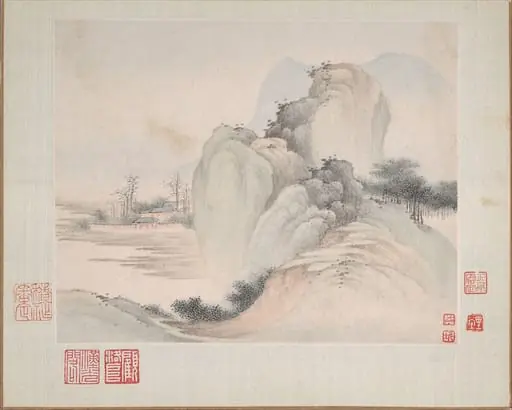 清 樊圻 為玉翁作山水圖 冊|Landscapes Painted for Yuweng
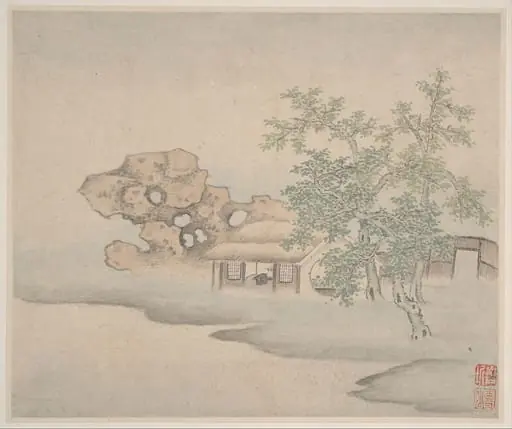 清 樊圻 山水圖 冊 紙本|Landscapes
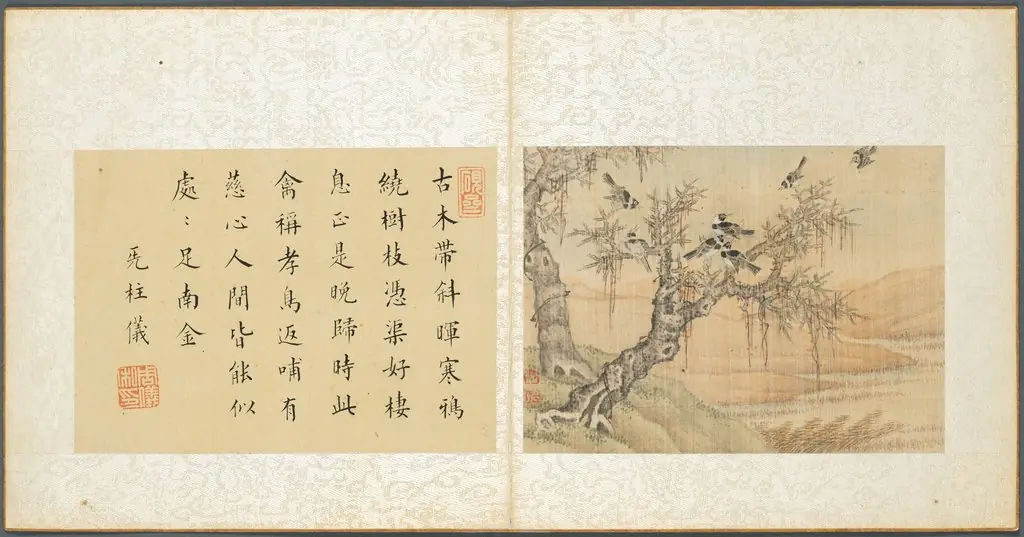 Album of Miscellaneous Subjects, Leaf 9
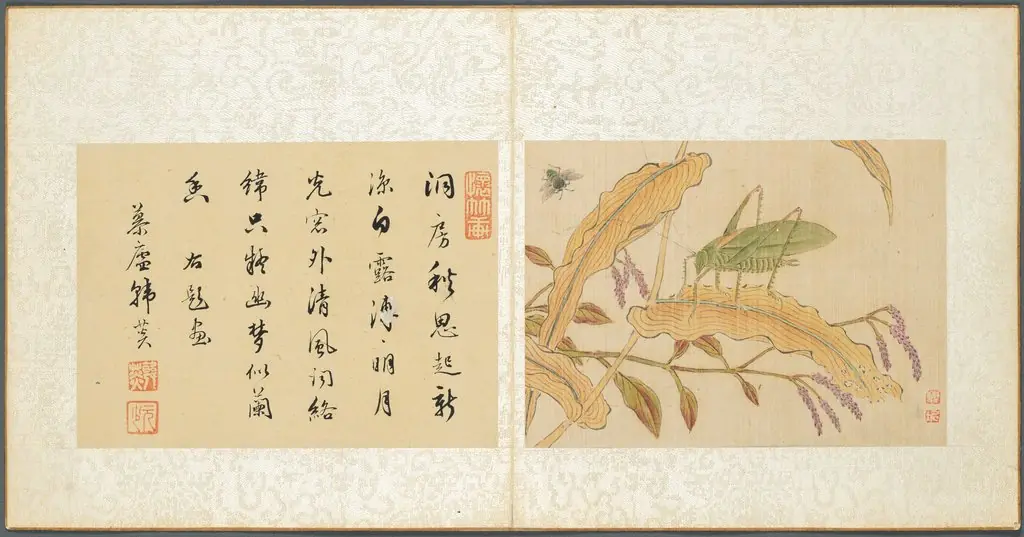 Album of Miscellaneous Subjects, Leaf 7
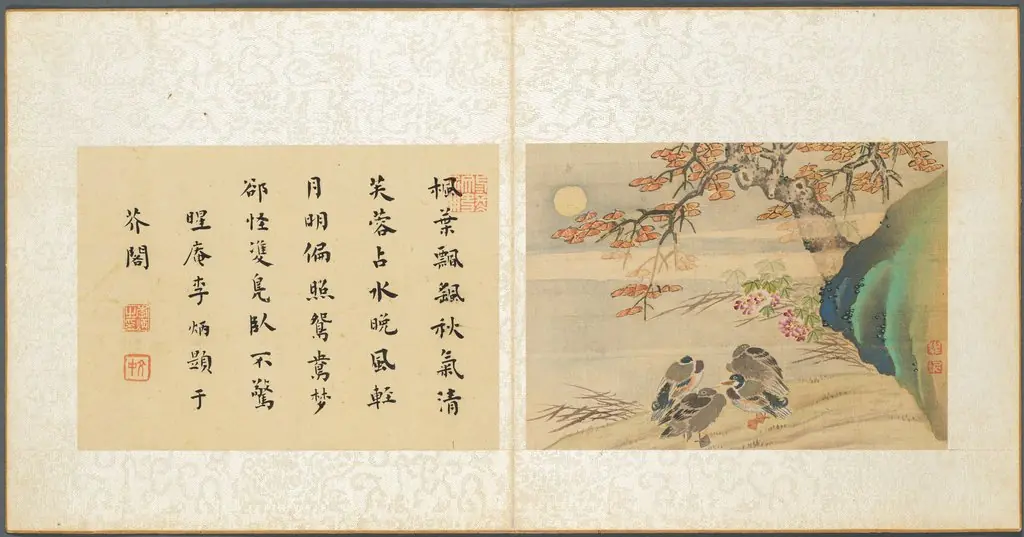 Album of Miscellaneous Subjects, Leaf 8
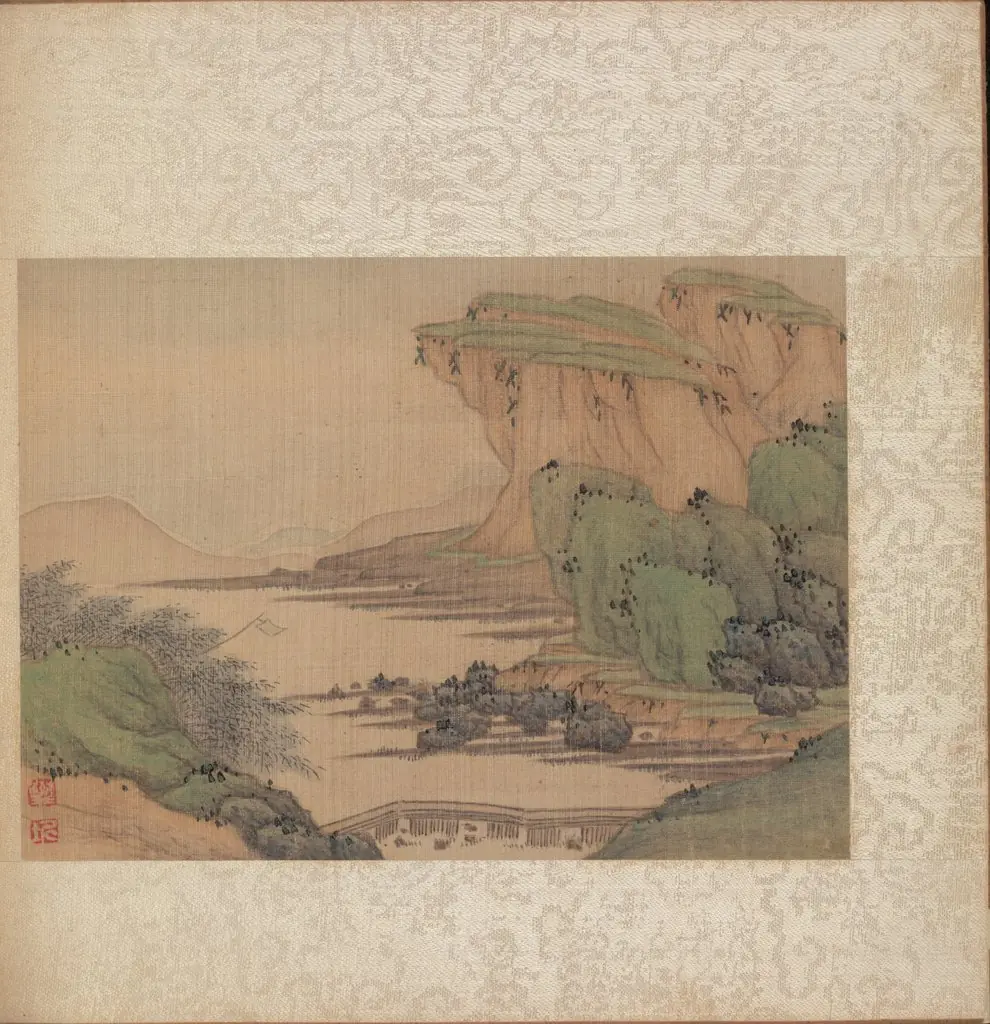 Album of Miscellaneous Subjects, Leaf 2
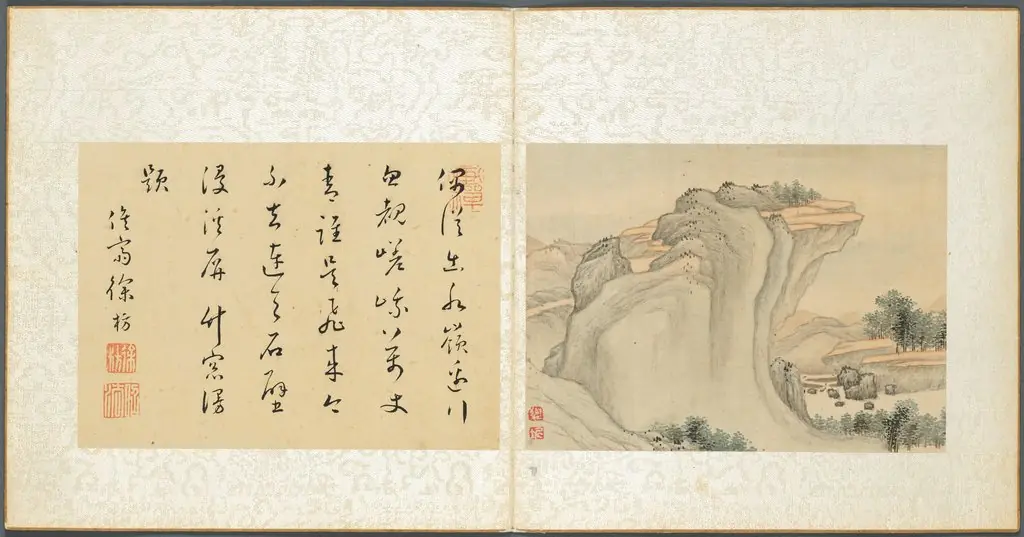 Album of Miscellaneous Subjects, Leaf 4
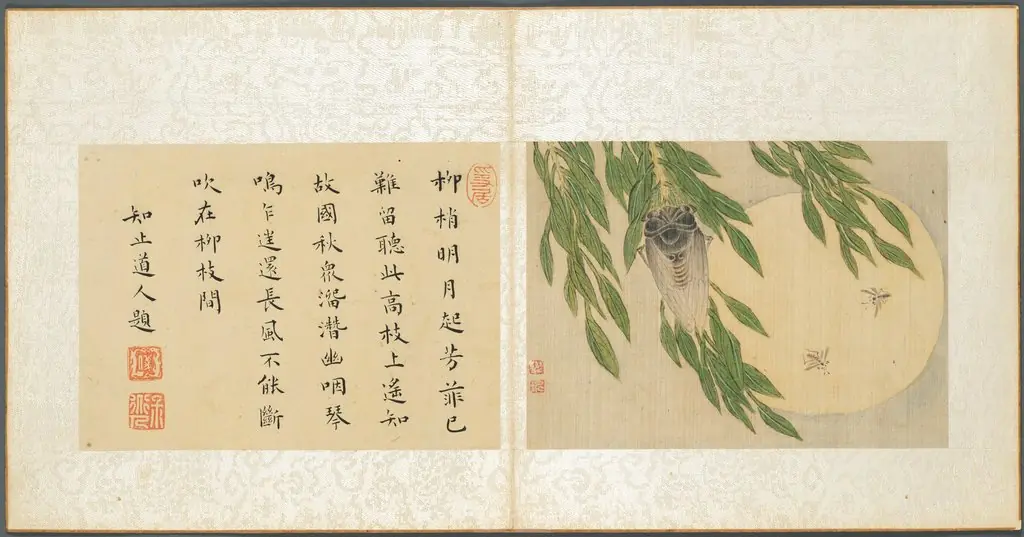 Album of Miscellaneous Subjects, Leaf 6
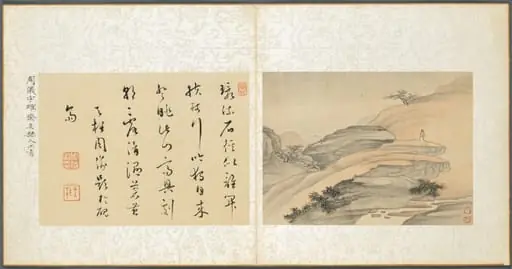 Album of Miscellaneous Subjects, Leaf 5
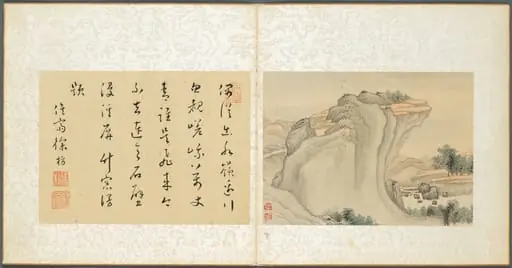 Album of Miscellaneous Subjects, Leaf 4
 Album of Miscellaneous Subjects, Leaf 3
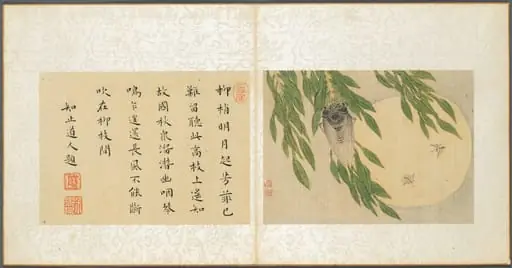 Album of Miscellaneous Subjects, Leaf 6
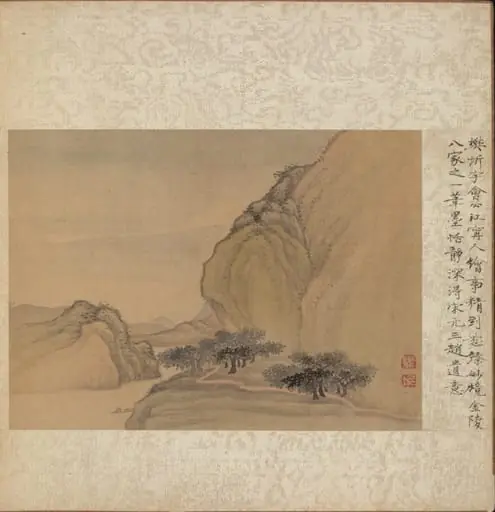 Album of Miscellaneous Subjects, Leaf 1
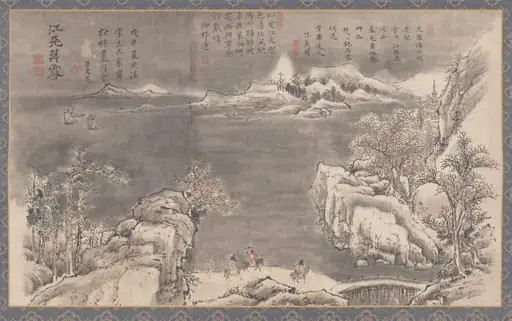 Evening Snow Blending River and Sky, from Eight Views of Xiao-Xiang
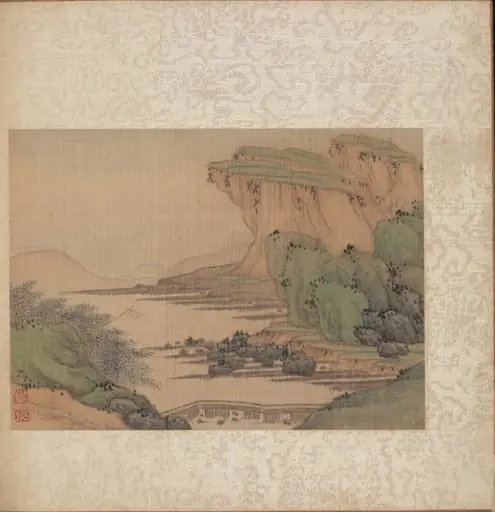 Album of Miscellaneous Subjects, Leaf 2
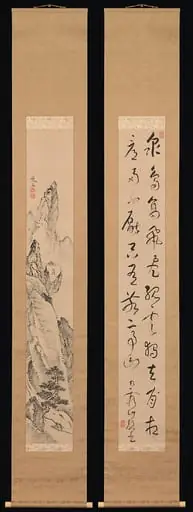 池大雅筆 「独座敬亭山」図|Landscape and Couplet of Chinese Verse