Artwork
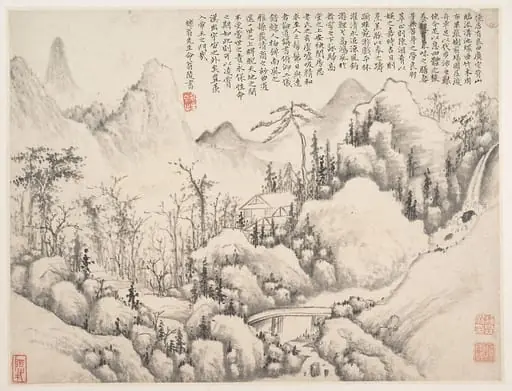
Album of Miscellaneous Subjects, Leaf 4
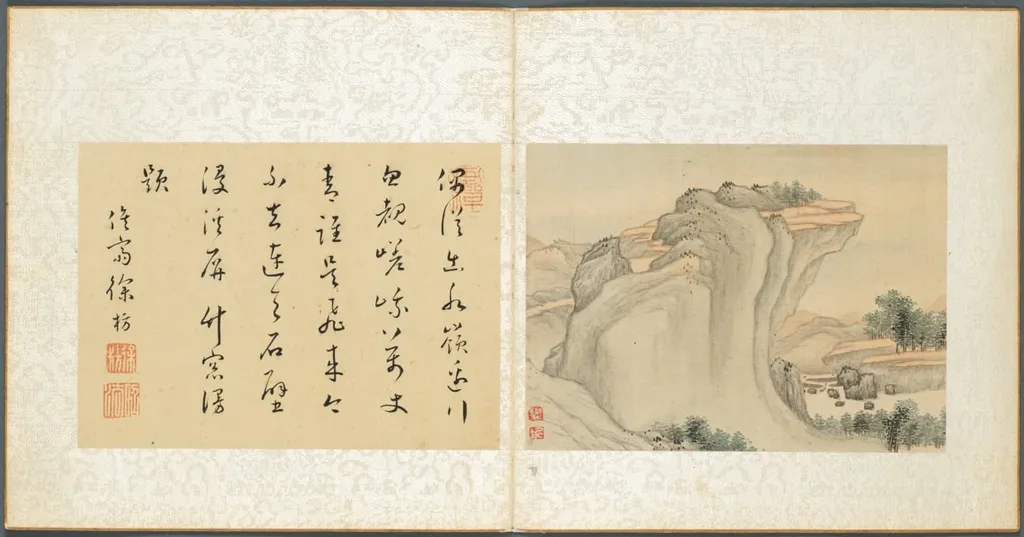
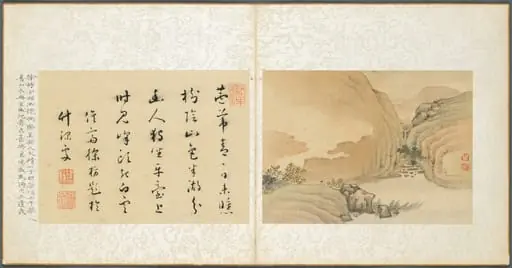
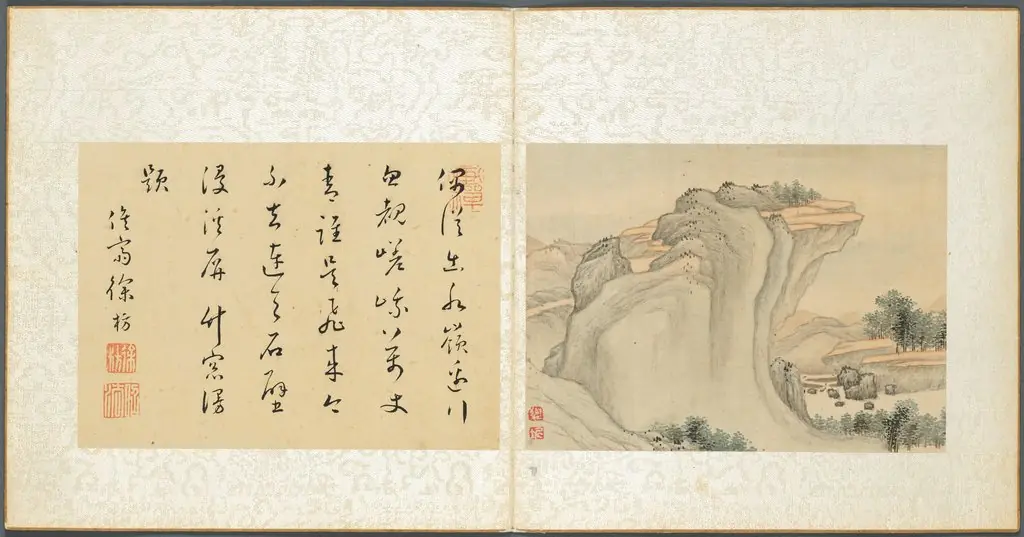
Album of Miscellaneous Subjects, Leaf 4 is an unspecified painting by the Baroque artist Fan Qi. It dates from 1654 and is held in the collection of the Cleveland Museum of Art.
About this work
Look up more works from china, qing dynasty (1644-1911) to see how artists played with empty spaces.
You see a small, quiet mountain scene: jagged rocks, a waterfall, and mist hiding the peaks.
The artist left empty space where people should be—just like the old poem it quotes. The poem says you can hear voices, but no one is there. The painting does the same: the mist feels like a voice you almost catch.
Look up more works from china, qing dynasty (1644-1911) to see how artists played with empty spaces.
Overview
This leaf from Fan Qi’s album presents a quiet mountain landscape inspired by Tang dynasty poetry. The scene omits human figures, instead evoking presence through absence—a technique aligned with classical literary ideals. Mist obscures the upper peaks, while a waterfall cascades over jagged rocks, reinforcing a sense of solitude and quiet resonance.
Subject & Meaning
The imagery responds to Wang Wei’s verse about hearing voices in empty hills, translating poetic ambiguity into visual form. The absence of people does not imply emptiness but suggests an unseen presence, implied by the sound of water and the lingering mist. Xu Fang’s colophon extends this mood, framing the journey as one of discovery amid vast, silent nature.
Technique & Style
Fan Qi employs ink wash with restrained brushwork, allowing the paper’s natural texture to suggest mist and distance. The waterfall is rendered with sharp, fluid strokes, contrasting with the soft, blurred contours of distant peaks. Strategic use of blank space directs attention to the interplay between form and void, a hallmark of literati aesthetics.
History & Provenance
Created during the Qing dynasty, this work belongs to a series of album leaves that reflect scholarly engagement with Tang poetry and earlier painting traditions. Xu Fang’s colophon, written in close proximity to the image, indicates a collaborative or contemporaneous dialogue between painter and calligrapher, common in literati circles of the period.
Context
Qing dynasty artists frequently revisited Tang and Song poetic themes to assert cultural continuity amid political change. The use of empty space as a narrative device was not merely compositional but philosophical, echoing Daoist and Chan Buddhist ideas of impermanence and the unsaid. Such albums were often shared among scholars as intimate, contemplative objects.
Legacy
Fan Qi’s approach influenced later literati painters who prioritized suggestion over depiction. The album leaf exemplifies how poetry and painting converged in Qing artistic practice, reinforcing the ideal that true expression lies in what is withheld. This work remains a reference for understanding the quiet power of negative space in Chinese landscape tradition.
Artist & collection


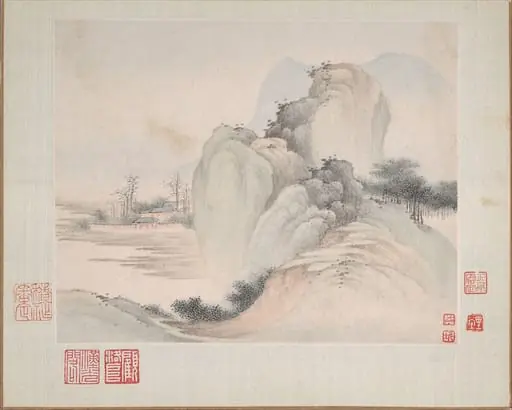 清 樊圻 為玉翁作山水圖 冊|Landscapes Painted for Yuweng
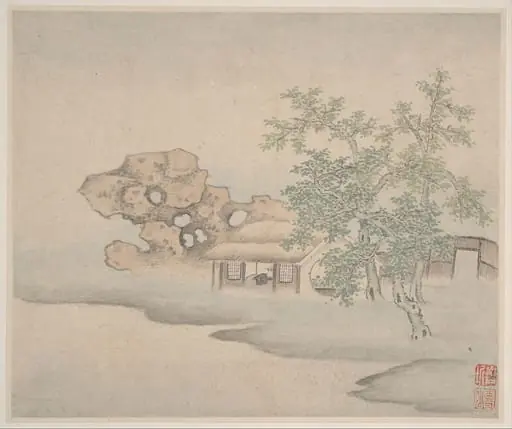 清 樊圻 山水圖 冊 紙本|Landscapes
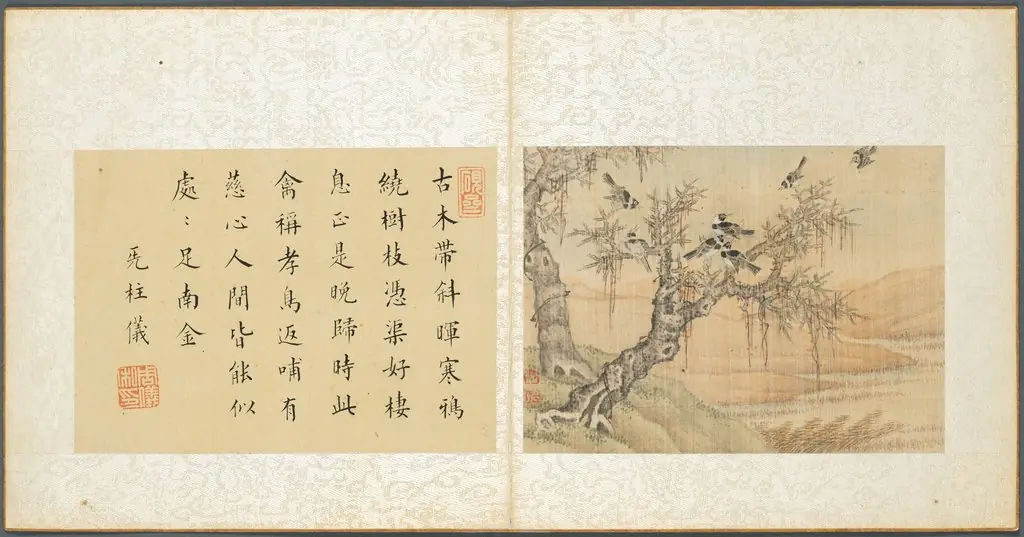 Album of Miscellaneous Subjects, Leaf 9
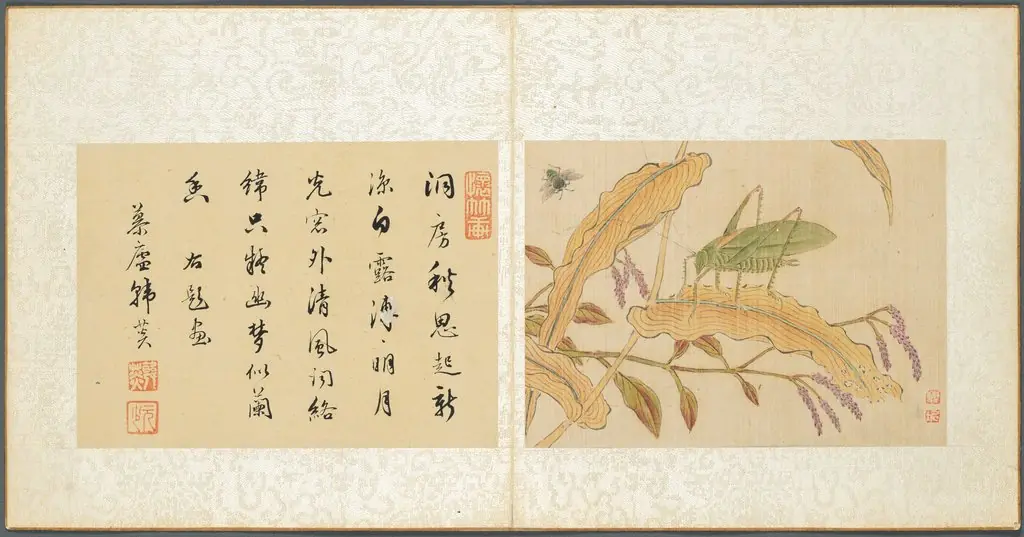 Album of Miscellaneous Subjects, Leaf 7
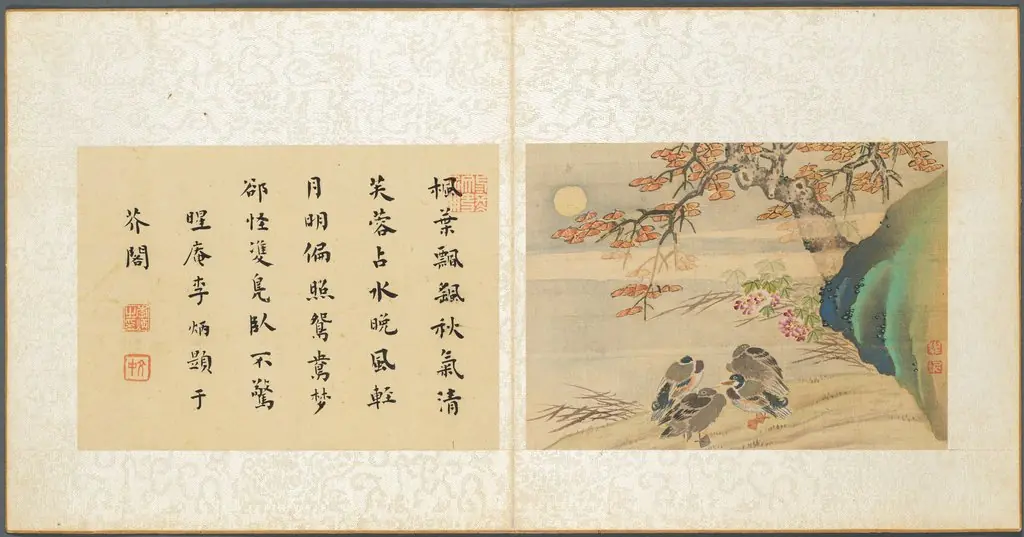 Album of Miscellaneous Subjects, Leaf 8
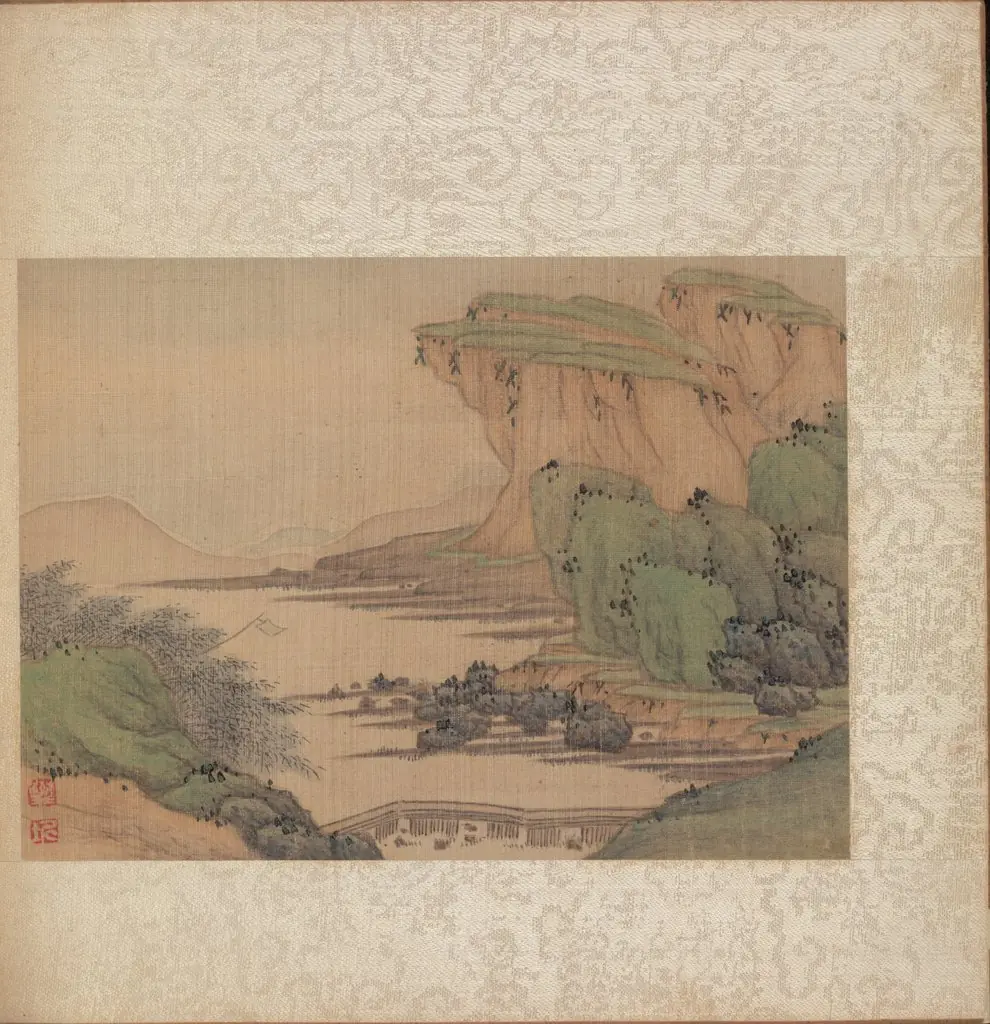 Album of Miscellaneous Subjects, Leaf 2
 Album of Miscellaneous Subjects, Leaf 4
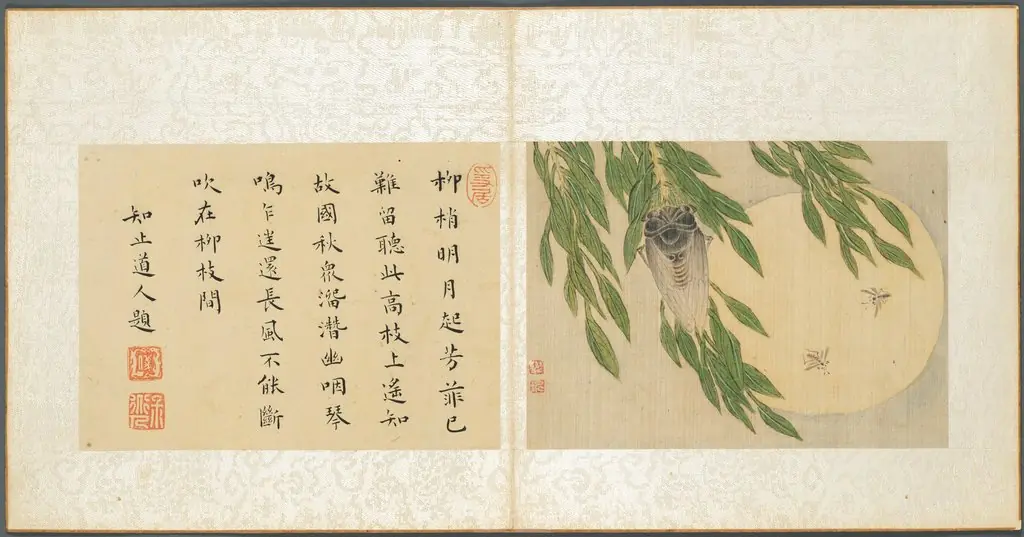 Album of Miscellaneous Subjects, Leaf 6